Last updated: 2026-10-10
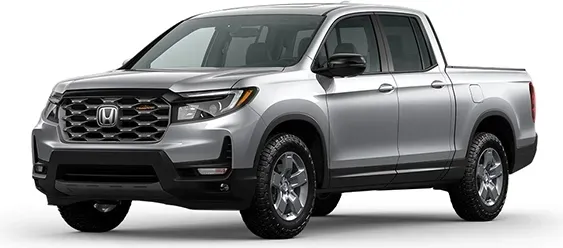
2019 Honda Ridgeline Reliability Report
The 2019 Honda Ridgeline rates good but is the weakest Ridgeline year, with engine bearing failures and transmission judder leading complaints.
Recalls
10
Complaints
222
Complaint Rate
66.6per 10,000 sold
Est. Repair Cost
N/A
Annual Fuel Cost
$2,700–$2,850
Detailed Score Breakdown
Component-weighted complaints normalized by sales volume
Independent repair cost ratings
Recall count weighted by severity
Breadth of reported problem categories
The Verdict
The weakest scored Ridgeline year, with more complaints than 2018 or 2020, led by engine bearing failure and transmission judder.
Top Issues to Watch
- FUEL SYSTEM (36)
- POWER TRAIN (35)
- ELECTRICAL SYSTEM (28)
Generation & Refresh (US)
2019 is year 3 of the Second generation (YK2/3; 2017).
- Redesigned for the 2017 model year.
- Well-established in its generation — most early issues should be resolved.
- A refresh arrives in 2021.
- 2nd generation Ridgeline (US).
What this means for buyers
Well into the generation cycle — most design and manufacturing issues should be resolved by now.
2017: Second generation (YK2/3; 2017) Launch
Generation start — new platform.
2019: This Model Year
2019 is year 3 of the Second generation (YK2/3; 2017).
2021: Mid-Cycle Refresh
Updated features and styling tweaks.
Should You Buy the 2019 Honda Ridgeline?
Reliability standing is good, but this is the weakest of the nine scored Ridgeline years. Against other 2019 trucks it lands close to average. The 2018 and 2020 models both rate better, with 153 and 158 complaints against 222 here. Crash protection is not the issue, with a federal rating of 5 of 5 stars.
Engine and transmission trouble matter most. Connecting rod bearing failure brings knocking, warning lights, and a truck that can shut off within seconds, even at highway speed, typically around 64,000 to 70,000 miles. Several engines needed replacement, and many owners say their VIN falls outside recall 23V751. Torque converter judder, with shuddering and code P0741, tends to start at 40,000 to 60,000 miles. Fuel pump recall 23V858000 left owners waiting on parts, in some cases for most of a year.
Ask for records showing engine and transmission work, and confirm that the fuel pump and engine recall work was completed. If you are open to other years, compare the 2018 and 2020.
Compared to the 2020 Honda Ridgeline, which scored 5 points higher. See also the 2018 Honda Ridgeline for an earlier comparison.
Pros
- +Acceptable reliability score
- +5-star NHTSA crash rating
- +Well-established generation
Cons
- −Above-average recall count
- −Above-average complaint rate for Truck
- −FUEL SYSTEM: Most of these filings are about waiting, not breaking (36 complaints)
- −1 fire incident reported in owner complaints
Compare 2019 Honda Ridgeline With
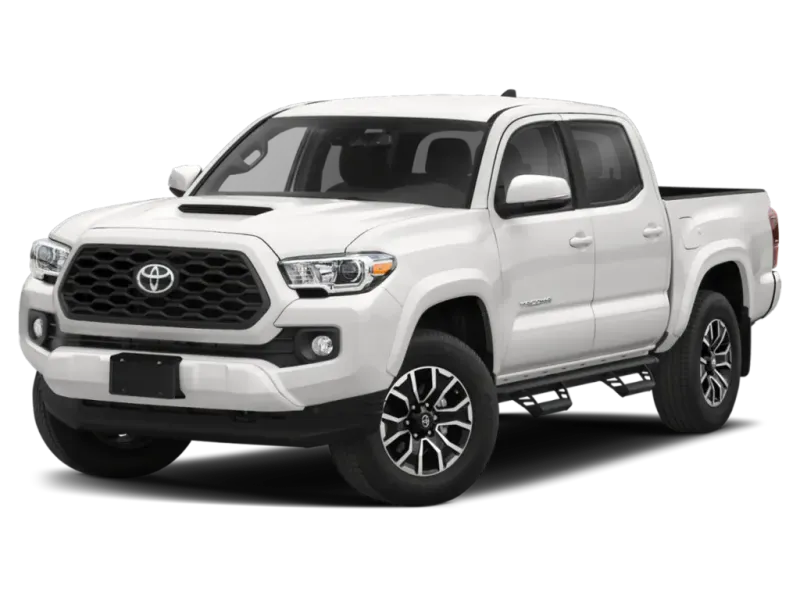
2019 Toyota Tacoma
Reliability: 55/100

2019 Ford Ranger
Reliability: 64/100
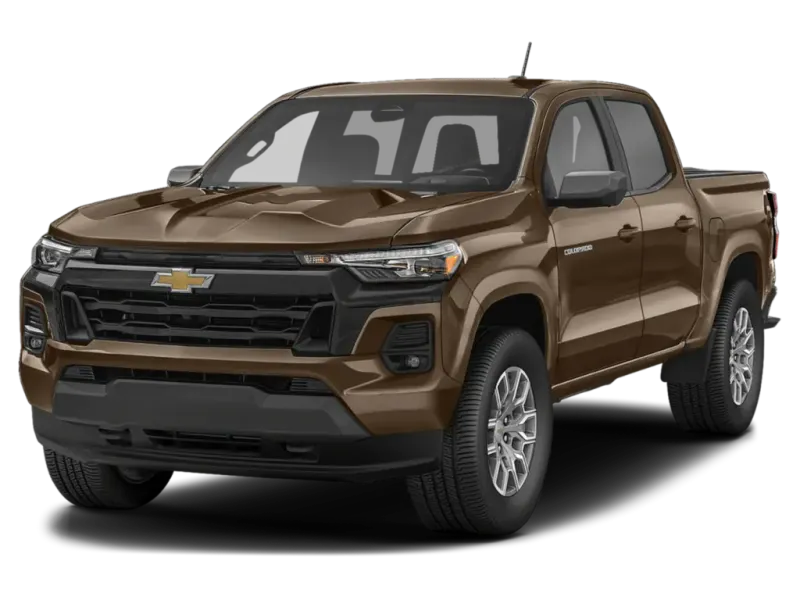
2019 Chevrolet Colorado
Reliability: 78/100
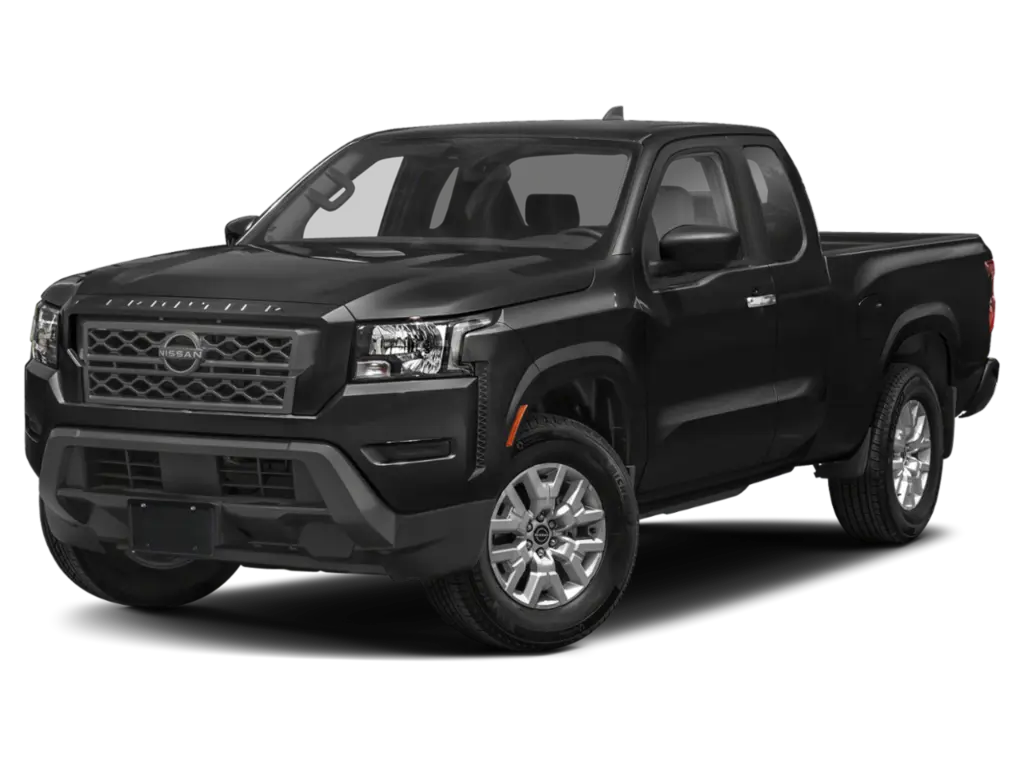
2019 Nissan Frontier
Reliability: 80/100
Common Problem Categories
Safety
LOW RISK- 10 manufacturer recalls issued
Other
HIGH RISK- FUEL SYSTEM (36)
- POWER TRAIN (35)
Recall Overview
10
recalls on record
The 2019 Honda Ridgeline has 10 recalls on record, which is above average. A high count can flag multiple component concerns, though it also shows the manufacturer is actively addressing known issues.
NHTSA.gov →Complaint Breakdown
66.6
per 10,000 soldSegment avg: 20.4
Safety Incidents
8
Crashes
1
Fires
7
Injuries
0
Deaths
NHTSA 5/5 Stars
Data sourced from NHTSA complaint filings and manufacturer recall notices. Complaint narratives are owner-reported.
2019 Honda Ridgeline Recall Details
10 recalls have been issued for the 2019 Honda Ridgeline. All recall repairs are performed free of charge at authorized dealerships.
FUEL SYSTEM, GASOLINE
Honda (American Honda Motor Co.) is recalling certain 2017-2019 Ridgeline trucks. Exposure to acids, such as from car wash soaps, can result in the fuel pump feed port cracking.
Consequence
A crack in the fuel pump feed port can allow pressurized fuel to leak out, increasing the risk of a fire.
Remedy
Honda will notify owners, and dealers will replace the fuel pump, if necessary, and install a fuel pump cover, free of charge. The recall began March 14, 2019. Owners may contact Honda customer service at 1-888-234-2138. The recall number for this recall is Q3V.
FUEL SYSTEM, GASOLINE
Honda (American Honda Motor Co.) is recalling certain 2013-2023 Honda Accord, Civic Coupe, Civic Sedan, Civic Hatchback, Civic Type R, CR-V, HR-V, Ridgeline, Odyssey, Acura ILX, MDX, MDX Hybrid, RDX, RLX, TLX, 2019-2022 Honda Insight, Passport, 2020 Honda CR-V Hybrid, 2018-2019 Honda Clarity PHEV, Fit, and 2015-2020 Honda Accord Hybrid, Pilot, Acura NSX vehicles. The fuel pump inside the fuel tank may fail.
Consequence
Fuel pump failure can cause an engine stall while driving, increasing the risk of a crash.
Remedy
Dealers will replace the fuel pump module, free of charge. Owner letters were mailed September 6, 2024. Owners may contact Honda customer service at 1-888-234-2138. Honda's numbers for this recall are KGC and KGD. This recall is an expansion of NHTSA recall numbers 21V-215 and 20V-314.
ENGINE AND ENGINE COOLING
Honda (American Honda Motor Co.) is recalling certain 2015-2020 Acura TLX, 2016-2020 Acura MDX, 2016 and 2018-2019 Pilot, 2017 and 2019 Ridgeline, and 2018-2019 Odyssey vehicles. Due to a manufacturing error, the connecting rod bearing in the engine may wear and seize, damaging the engine.
Consequence
A damaged engine may run improperly or stall while driving, increasing the risk of a fire, crash, or injury.
Remedy
Dealers will inspect and repair, or replace the engine as necessary, free of charge. Owner letters were mailed March 28, 2024. 2016-2017 Acura MDX owner letters were mailed November 1, 2024. 2016-2020 Acura MDX owner letters are expected to be mailed in mid-December 2024. Honda began mailing owner notification letters as of March 18, 2024. 2015-2016 Acura owner letters are expected to be mailed mid-December 2024, 2018 Acura TLX owner letters are expected to be mailed the end of March/early April 2024, 2019 Acura TLX owner letters are expected to be mailed mid-May 2024, 2020 Acura TLX owner letters are expected to be mailed mid-June 2024, and 2016-2020 Acura MDX owner letters are expected to be mailed January 27, 2025. Owners may contact Honda customer service at 1-888-234-2138. Honda's numbers for these recalls are XG1 and GG0.
Buying a used 2019 Honda Ridgeline? Check its history first
Fuel system problems lead owner complaints about the 2019 Honda Ridgeline, and 10 recalls were issued for it. A VIN check shows whether this car's recall work was done, plus accident, title, and odometer history.
- Accidents
- Open Recalls
- Title History
- Odometer Rollback
2019 Honda Ridgeline NHTSA Safety Ratings
Overall Safety Rating
Crash Test Results by Configuration (expand)
Gas Powertrain
Rollover risk: 16.4%
Safety Technologies
Honda RidgelineRepair Costs & Maintenance
Maintenance Rating
5Maintenance rating: 5 out of 5Based on NHTSA complaint patterns, recall severity, and publicly available cost benchmarks.
Category-level averages derived from publicly available industry reports (AAA, CarMD). Model-level estimates produced by Auto Reliability Index.
Honda Ridgeline Resale Value
The Honda Ridgeline is estimated to retain about 85.8% of its original value after 3 years, based on observed used-car listings.
This benchmark covers the Honda Ridgeline model overall and is not specific to the 2019 model year.
- Value Retained
- 85.8%
- Depreciation
- 14.2%
- Listings Analyzed
- 50
after 3 years
over the same period
U.S. used-car listings
Listings observed in . This is a historical market benchmark, not a current price quote.
Explore Honda Ridgeline depreciation and resale value on CarResaleValue.comMPG & Annual Running Costs
Gas
21–22 MPG
Fuel cost: $2,700–$2,850/yr
Fuel only
18–19 city / 25–26 hwy MPG
Based on EPA fuel-cost estimates. Excludes routine maintenance, depreciation, and insurance. Data as of 2019 EPA label cycle.
Gas trims
| Trim | Drive | Trans. | City | Hwy | Comb | Fuel Cost |
|---|---|---|---|---|---|---|
| Ridgeline FWD 3.5L 6-cyl | Front-Wheel Drive | Automatic 6-spd | 19 | 26 | 22 | $2,700 |
| Ridgeline AWD 3.5L 6-cyl | All-Wheel Drive | Automatic 6-spd | 18 | 25 | 21 | $2,850 |
Used Buying Checklist
Key things to inspect or verify before purchasing a 2019 Honda Ridgeline.
Run the VIN for open recalls 23V858000, 22V867000, 21V932000, and 23V751, and get proof each was completed.
Check whether the VIN qualifies for the torque converter coverage in Service Bulletin 23-078.
Drive uphill at moderate speed and feel for shudder or judder, then scan for code P0741.
Listen at a cold start for metallic knocking that fades once the engine warms up.
Swing the tailgate open sideways and inspect the camera harness at the driver-side hinge for frayed or exposed wires.
Shift into reverse several times with the tailgate opened both ways and confirm the camera image stays clear.
Drive at 55 to 65 mph in wind or past trucks and watch the hood for flutter.
Hold the brake firmly at a stop for a minute and make sure the pedal does not sink.
2019 Honda Ridgeline Common Problems by Component
222 owner complaints grouped by vehicle system.
FUEL SYSTEM
36 complaintsMost of these filings are about waiting, not breaking. Owners received fuel pump recall 23V858000, then heard from dealers that the repair part was unavailable, in some cases for most of a year. Most of them had no failure yet. Where problems did occur, the truck stalls, sputters at low speed, hesitates when accelerating to pass, or is hard to restart, sometimes with the check engine light on. Some dealers traced the trouble to fuel injectors. Others found a P0087 fuel pump code.
POWER TRAIN
35 complaintsSafety-relatedTorque converter judder is the dominant problem. The transmission shudders, slips, or bucks, often uphill or between first and second gear, and code P0741 often appears, mostly around 40,000 to 60,000 miles. Dealer fluid flushes help only for a while. Service Bulletin 23-078 extends coverage, but many owners find their VIN excluded. Some trucks refuse to upshift or lose power in traffic. Two crash reports describe the truck accelerating or failing to slow despite brake input. Separately, AWD rear differential pump failures are reported.
ELECTRICAL SYSTEM
28 complaintsRear camera failure is the most common complaint. The wiring harness running between the tailgate and the body frays or is cut through as the tailgate opens, leaving a black or cloudy screen. Some dealers inspected the harness under recall 22V867 and declined to replace it. A faulty keyless entry/TPMS control unit sets off the alarm at random and drains the battery. Owners cite TSB 21-055 for it, but some still paid for the repair. Isolated reports describe a wrong speedometer reading and the ignition turning on by itself.
ENGINE (23 complaints)
ENGINE
23 complaintsSafety-relatedConnecting rod bearing failure drives these complaints. The engine knocks, the check engine and battery lights come on, and the truck can shut off within seconds, including at highway speed. Several engines needed replacement. Many owners say their VIN falls outside recall 23V751 even though the failure matches. Some knocking shows up on cold starts first, and one owner found copper particles in the oil. Camshaft damage and a holed piston are also reported, both under 70,000 miles. One filing describes an engine compartment fire at about 17,500 miles.
FUEL/PROPULSION SYSTEM (23 complaints)
FUEL/PROPULSION SYSTEM
23 complaintsTwo problems overlap here: failing fuel injectors and the long wait for fuel pump recall parts. Injector faults bring on the check engine or emissions warning light, hesitation, and replacement quotes near $2,000, with failures reported around 59,960 and 75,000 miles. Owners waiting on the pump recall describe surging and stumbling at 20 to 40 mph and weak power when merging or climbing, while dealers had no parts for months. Less common reports include fuel odor from a leak at the high-pressure pump, chirping, and popping from the vapor system.
STRUCTURE (20 complaints)
STRUCTURE
20 complaintsThe hood flutters, bounces, or lifts at highway speeds, especially in gusty wind or when semis pass, and owners report it from 55 to 75 mph. Recall 21V932000 added a striker plate, and TSB 17-083 applied adhesive. Many owners say neither stopped the movement. Some hoods are now bent or have loose latches, and one report describes the hood opening while driving. Other complaints cover a swinging tailgate that slams shut unless the truck sits on level ground, plus bubbling and chipped black paint.
SERVICE BRAKES (10 complaints)
SERVICE BRAKES
10 complaintsSafety-relatedSoft, sinking brake pedals dominate these reports. The pedal goes to the floor at stops or on inclines and has to be pumped back up. Some owners report the problem from the first few hundred or few thousand miles. Dealers replaced master cylinders, boosters, and vacuum pumps, and several owners say the problem continued. One owner says the pedal turns mushy above 70 degrees. Two crashes with injuries are reported, one where the truck sped up while the brake was pressed and one where it would not stop.
BACK OVER PREVENTION (9 complaints)
BACK OVER PREVENTION
9 complaintsThe rear camera goes black, flickers, or freezes in a fish-eye view because its wires break at the tailgate hinge. It often works intermittently first, depending on how the tailgate is opened, then fails completely. Owners find exposed or severed copper wires in the harness, and failures appear from about 21,000 miles. The rest of the filings concern recall 22V867000, where parts were unavailable or the dealer would only repair trucks that had already failed.
SEAT BELTS (2 complaints)
SEAT BELTS
2 complaintsSafety-relatedThere are only two reports. In a crash at about 50 mph, the driver's seat belt pretensioner reportedly failed to hold the driver, who slid down the seat and suffered arm and upper body injuries that needed treatment. Separately, the right rear belt locks in place and will not extend until it is unlatched and retracted. The dealer could not reproduce that fault, so the owner stopped using the seat.
VEHICLE SPEED CONTROL (2 complaints)
VEHICLE SPEED CONTROL
2 complaintsSafety-relatedThere are only two reports, but one involves a crash with injury. The driver says Honda Sensing braked the truck to a stop while it was pulling into a parking spot. A light touch on the gas then sent it surging forward into a wall, and the airbag deployed. The second owner says cruise control sometimes climbs 3 to 4 mph on its own after it is set. The dealer called this normal.
When Do 2019 Honda Ridgeline Problems Start?
Based on owner complaint patterns, here's when common issues tend to appear.
Best & Worst Honda Ridgeline Years
Best Honda Ridgeline Years to Buy
Based on reliability index scoreHonda Ridgeline Years to Avoid
2019
(Current Model)
Honda Ridgeline Reliability Score Trend
Scores 0–100. Higher is better. Current year highlighted.
| Year | Score | Rating |
|---|---|---|
| 2018 | 70/100 | Good |
| 2019 | 65/100 | Good |
| 2020 | 70/100 | Good |
| 2021 | 75/100 | Good |
| 2022 | 78/100 | Good |
| 2023 | 78/100 | Good |
| 2024 | 85/100 | Excellent |
| 2025 | 85/100 | Excellent |
| 2026 | 86/100 | Excellent |
Honda Ridgeline Reliability Compared to Other Years
Frequently Asked Questions
Is the 2019 Honda Ridgeline reliable?
What are the most common problems with the 2019 Honda Ridgeline?
Does the 2019 Honda Ridgeline have transmission problems?
Does the 2019 Honda Ridgeline have engine problems?
Why does the 2019 Honda Ridgeline rear camera stop working?
Don’t buy a 2019 Honda Ridgeline without checking its VIN first — hidden accidents, title issues, and open recalls could cost you thousands.
How we score the 2019 Honda Ridgeline
Of the four inputs behind this score, the 2019 Honda Ridgeline does best on repair costs (100/100) and worst on complaint severity (35/100). Scores weight complaint severity at 35%, repair costs at 30%, recall impact at 20%, and the spread of complaints across systems at 15%, with complaint counts adjusted for US sales. Read the full methodology.
Get notified when new recalls or reliability data is added for the Honda Ridgeline.
No spam. Only data updates for this model.
Browse More Honda Models
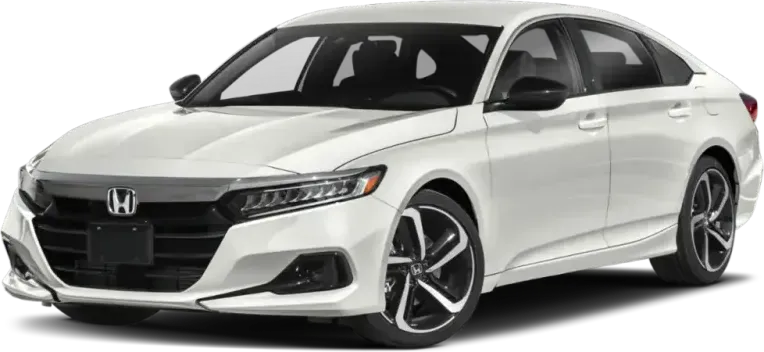
Honda Accord
Score: 87/100
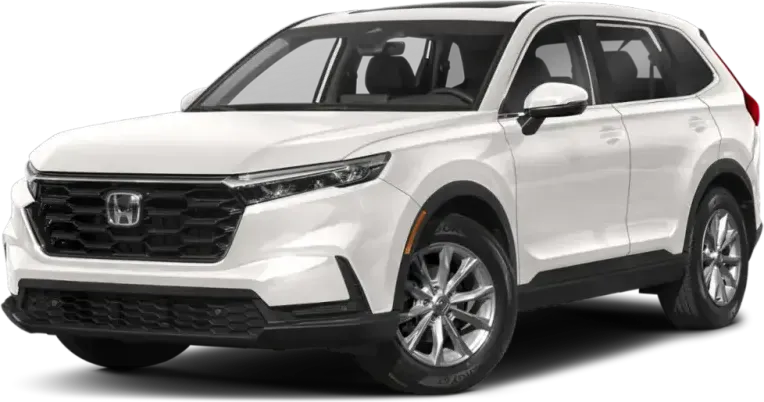
Honda CR-V
Score: 83/100
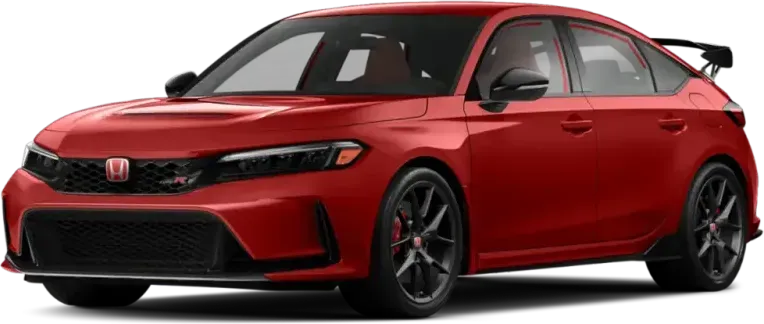
Honda Civic
Score: 94/100
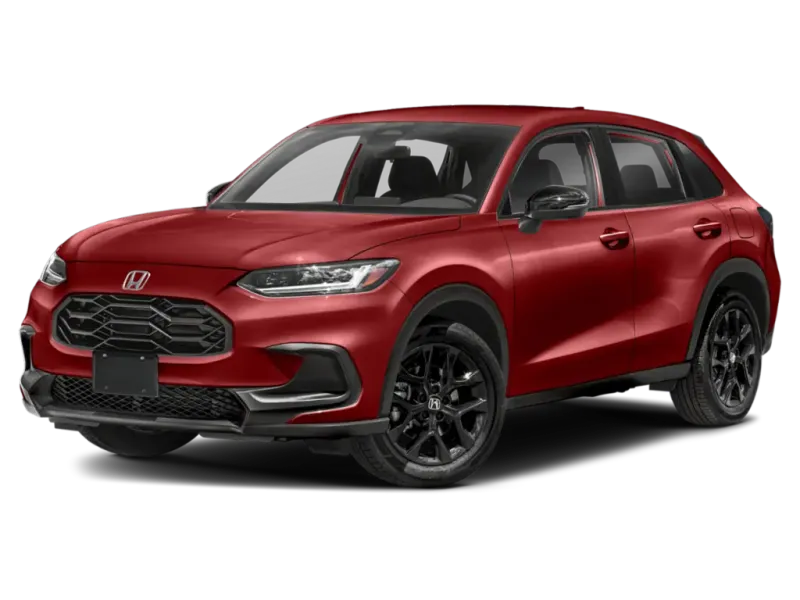
Honda HR-V
Score: 100/100
Honda Odyssey
Score: 74/100
Honda Passport
Score: 84/100
Browse More 2019 Vehicles
2019 Lexus RX
Score: 82/100
2019 Nissan Frontier
Score: 80/100
2019 Kia Sedona
Score: 80/100
2019 Lexus IS
Score: 79/100
2019 Chevrolet Impala
Score: 79/100
2019 Chevrolet Colorado
Score: 78/100
See incorrect data? Report an issue