Last updated: 2026-10-10
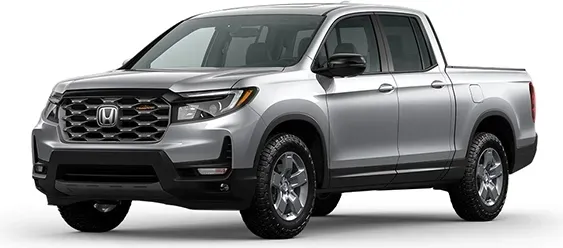
2018 Honda Ridgeline Reliability Report
The 2018 Honda Ridgeline has good reliability, but tailgate wiring that kills the backup camera is its most common complaint.
Recalls
6
Complaints
153
Complaint Rate
50per 10,000 sold
Est. Repair Cost
N/A
Annual Fuel Cost
$2,700–$2,850
Detailed Score Breakdown
Component-weighted complaints normalized by sales volume
Independent repair cost ratings
Recall count weighted by severity
Breadth of reported problem categories
The Verdict
Rated good, but among the weaker Ridgeline years, with backup camera wiring failures and some connecting rod bearing engine failures reported by owners.
Top Issues to Watch
- ELECTRICAL SYSTEM (49)
- BACK OVER PREVENTION (22)
- FUEL/PROPULSION SYSTEM (17)
Generation & Refresh (US)
2018 is year 2 of the Second generation (YK2/3; 2017).
- Redesigned for the 2017 model year.
- A refresh arrives in 2021.
- 2nd generation Ridgeline (US).
What this means for buyers
Year 2 is typically a safer pick than the first model year — early issues are more likely to be identified, but the platform is still new.
If you're comparing prices, check 2017 (redesign year) vs 2018+ pricing and recalls.
2017: Second generation (YK2/3; 2017) Launch
Generation start — new platform.
2018: This Model Year
2018 is year 2 of the Second generation (YK2/3; 2017).
2021: Mid-Cycle Refresh
Updated features and styling tweaks.
Should You Buy the 2018 Honda Ridgeline?
Good, with caveats. Reliability stands as good and close to average among 2018 trucks, but it is among the weaker of the nine scored Ridgeline years. The 2019 rates worse, so moving up a year does not solve it. The federal crash-test rating is 5 of 5 stars.
The backup camera is the issue to know. Owners report a black screen in reverse because the wiring to the two-way tailgate cracks and snaps where it bends. Failures cluster between 26,000 and 50,000 miles, and some owners say replacement parts were unavailable. The bigger worry is the engine. Owners describe a knocking at startup that worsens, then a flashing check engine light and total power loss, sometimes on the highway. Dealers found metal shavings and replaced engines, at times at the owner's cost. In freezing weather, some owners also could not refuel because ice formed in the filler neck.
Ask for repair records on the tailgate harness and proof that all six recalls were completed. Test the camera while opening and closing the tailgate, and listen for knocking on a cold start.
Compared to the 2019 Honda Ridgeline, which scored 5 points lower.
Pros
- +Acceptable reliability score
- +5-star NHTSA crash rating
- +Not a first-year model
Cons
- −Above-average recall count
- −Above-average complaint rate for Truck
- −ELECTRICAL SYSTEM issues reported (49 complaints)
- −1 fire incident reported in owner complaints
Compare 2018 Honda Ridgeline With
Common Problem Categories
Safety
LOW RISK- 6 manufacturer recalls issued
Other
HIGH RISK- ELECTRICAL SYSTEM (49)
- BACK OVER PREVENTION (22)
Recall Overview
6
recalls on record
The 2018 Honda Ridgeline has 6 recalls on record, which is above average. A high count can flag multiple component concerns, though it also shows the manufacturer is actively addressing known issues.
NHTSA.gov →Complaint Breakdown
50
per 10,000 soldSegment avg: 17.5
Safety Incidents
3
Crashes
1
Fires
1
Injuries
0
Deaths
NHTSA 5/5 Stars
Data sourced from NHTSA complaint filings and manufacturer recall notices. Complaint narratives are owner-reported.
2018 Honda Ridgeline Recall Details
6 recalls have been issued for the 2018 Honda Ridgeline. All recall repairs are performed free of charge at authorized dealerships.
FUEL SYSTEM, GASOLINE
Honda (American Honda Motor Co.) is recalling certain 2017-2019 Ridgeline trucks. Exposure to acids, such as from car wash soaps, can result in the fuel pump feed port cracking.
Consequence
A crack in the fuel pump feed port can allow pressurized fuel to leak out, increasing the risk of a fire.
Remedy
Honda will notify owners, and dealers will replace the fuel pump, if necessary, and install a fuel pump cover, free of charge. The recall began March 14, 2019. Owners may contact Honda customer service at 1-888-234-2138. The recall number for this recall is Q3V.
EQUIPMENT
Honda (American Honda Motor Co.) is recalling all Honda Genuine Accessory Tonneau Covers, part number 08Z07-T6Z-100F, sold for installation on 2017-2020 Ridgeline trucks. If the tonneau cover is not properly secured in the open or closed position, wind resistance may cause the cover to flip and buckle. If this occurs, the hinges between the center and rear panel may deform, possibly allowing the rear panel to separate from the vehicle.
Consequence
A separated panel may become a road hazard, increasing the risk of crash or injury.
Remedy
Honda will notify all registered owners of 2017-2020 Honda Ridgelines, and dealers will install tethers onto any Honda Genuine Accessory Tonneau Cover to prevent panel separation and apply warning labels, free of charge. In addition, an updated accessory user's information manual will be provided. The recall began October 26, 2020. Owners may contact Honda customer service at 1-888-234-2138. Honda's number for this recall is F8M.
FUEL SYSTEM, GASOLINE
Honda (American Honda Motor Co.) is recalling certain 2013-2023 Honda Accord, Civic Coupe, Civic Sedan, Civic Hatchback, Civic Type R, CR-V, HR-V, Ridgeline, Odyssey, Acura ILX, MDX, MDX Hybrid, RDX, RLX, TLX, 2019-2022 Honda Insight, Passport, 2020 Honda CR-V Hybrid, 2018-2019 Honda Clarity PHEV, Fit, and 2015-2020 Honda Accord Hybrid, Pilot, Acura NSX vehicles. The fuel pump inside the fuel tank may fail.
Consequence
Fuel pump failure can cause an engine stall while driving, increasing the risk of a crash.
Remedy
Dealers will replace the fuel pump module, free of charge. Owner letters were mailed September 6, 2024. Owners may contact Honda customer service at 1-888-234-2138. Honda's numbers for this recall are KGC and KGD. This recall is an expansion of NHTSA recall numbers 21V-215 and 20V-314.
Buying a used 2018 Honda Ridgeline? Check its history first
Electrical system problems lead owner complaints about the 2018 Honda Ridgeline, and 6 recalls were issued for it. A VIN check shows whether this car's recall work was done, plus accident, title, and odometer history.
- Accidents
- Open Recalls
- Title History
- Odometer Rollback
2018 Honda Ridgeline NHTSA Safety Ratings
Overall Safety Rating
Crash Test Results by Configuration (expand)
Gas Powertrain
Rollover risk: 16.9%
Safety Technologies
Honda RidgelineRepair Costs & Maintenance
Maintenance Rating
5Maintenance rating: 5 out of 5Based on NHTSA complaint patterns, recall severity, and publicly available cost benchmarks.
Category-level averages derived from publicly available industry reports (AAA, CarMD). Model-level estimates produced by Auto Reliability Index.
Honda Ridgeline Resale Value
The Honda Ridgeline is estimated to retain about 85.8% of its original value after 3 years, based on observed used-car listings.
This benchmark covers the Honda Ridgeline model overall and is not specific to the 2018 model year.
- Value Retained
- 85.8%
- Depreciation
- 14.2%
- Listings Analyzed
- 50
after 3 years
over the same period
U.S. used-car listings
Listings observed in . This is a historical market benchmark, not a current price quote.
Explore Honda Ridgeline depreciation and resale value on CarResaleValue.comMPG & Annual Running Costs
Gas
21–22 MPG
Fuel cost: $2,700–$2,850/yr
Fuel only
18–19 city / 25–26 hwy MPG
Based on EPA fuel-cost estimates. Excludes routine maintenance, depreciation, and insurance. Data as of 2018 EPA label cycle.
Gas trims
| Trim | Drive | Trans. | City | Hwy | Comb | Fuel Cost |
|---|---|---|---|---|---|---|
| Ridgeline FWD 3.5L 6-cyl | Front-Wheel Drive | Automatic 6-spd | 19 | 26 | 22 | $2,700 |
| Ridgeline AWD 3.5L 6-cyl | All-Wheel Drive | Automatic 6-spd | 18 | 25 | 21 | $2,850 |
Used Buying Checklist
Key things to inspect or verify before purchasing a 2018 Honda Ridgeline.
Open the tailgate both ways and inspect the harness at the left hinge for split covering or exposed wires.
Shift into reverse several times and confirm the camera image appears every time.
Run the VIN for open recalls and confirm the backup camera and fuel pump recalls were completed.
Listen at cold start for knocking or clacking that rises with RPM; walk away if you hear it.
Open the fuel door, press the capless filler flap, and check for trapped water.
Drive above 55 mph and watch the hood for fluttering or bouncing.
Drive between 23 and 37 mph and through upshifts, feeling for judder, flaring, or transmission warnings.
Lock the truck, wait several minutes, and watch for the alarm or dash lights activating on their own.
2018 Honda Ridgeline Common Problems by Component
153 owner complaints grouped by vehicle system.
ELECTRICAL SYSTEM
49 complaintsSafety-relatedThe backup camera goes black or works only intermittently because the wiring harness to the tailgate cracks, frays, and snaps where it bends with the two-way tailgate. Reports run from 7,000 miles to 50,000 miles, and one camera failure is tied to a crash. A separate pattern involves a faulty keyless access unit or body control module: the alarm sounds at random, dash lights and headlights flash, the engine may not shut off, and the battery drains. One report describes a passenger air bag deploying with no impact.
BACK OVER PREVENTION
22 complaintsA black screen in reverse is the core complaint, caused by tailgate harness wires shearing near the left-side hinge from normal opening and closing. The camera often turns intermittent before failing for good, and some people find it works again after cycling the tailgate. Failures cluster between roughly 26,000 and 50,000 miles. Several filings describe recall 22V867000 with replacement parts unavailable, leaving trucks without a working camera. A few people spliced the broken wires themselves to restore the image.
FUEL/PROPULSION SYSTEM
17 complaintsRefueling becomes impossible in freezing weather because water collects between the two flaps of the capless filler neck and turns to ice. Rain and car washes let water in, the drain holes can freeze shut, and one flap broke under nozzle pressure. Some owners say Honda declined repairs despite a service bulletin. Other complaints describe stalling or brief power loss at highway speed, linked to a fuel pump recall where replacement parts sat on back order for months. One filing reports a persistent gasoline smell after injector service.
ENGINE (16 complaints)
ENGINE
16 complaintsConnecting rod bearing failure dominates these reports. A knocking or clacking noise at startup grows worse over days, then the check engine light flashes and the engine loses all power, often at highway speed. Several engines threw a rod through the block, leaving drivers stranded on freeways and interstates. Dealers found metal shavings in the oil pan and replaced engines, sometimes at the owner's cost after warranty ended. Owners point out that recall 23V-751 covers the 2017 and 2019 Ridgeline but not this year.
FUEL SYSTEM (13 complaints)
FUEL SYSTEM
13 complaintsNearly every report here is a recall delay rather than a failure. Owners received notice of fuel pump recall 23V858000 but waited many months, in some cases over a year, because dealers had no replacement pumps. A few describe the failure itself: the engine stalls at highway speed, power steering stiffens, and the truck must coast to the shoulder, with one stall at 102,000 miles. A separate complaint involves a fuel nozzle stuck in the capless filler.
UNKNOWN OR OTHER (10 complaints)
UNKNOWN OR OTHER
10 complaintsSafety-relatedMost of these filings repeat the backup camera problem: a black screen in reverse caused by wires broken at the driver's side tailgate hinge, with one truck at 50,000 miles. One fire report describes flames from under the hood on the driver's side near the windshield while idling after towing a light trailer, even though recall 19V-053 work had been done. Other complaints cover windshields cracking from small rock strikes and an owner seeking reimbursement for a camera repair later covered by recall.
STRUCTURE (8 complaints)
STRUCTURE
8 complaintsSafety-relatedThe hood flutters or bounces at highway speeds, roughly 30 to 70 mph. In one case the glue holding the composite skin to the metal frame let go, and in another the latched hood rose about two inches at 55 mph with only 1,165 miles on the truck. Other complaints describe radar sensor warnings that persist after recalibration, following a rock strike tied to one crash report. Water leaking from the moonroof or windshield can short the blind spot sensors and trigger a warning.
POWER TRAIN (6 complaints)
POWER TRAIN
6 complaintsTransmission complaints include the engine flaring to 3000 rpm between fourth and fifth gear, torque converter judder, and hard shifts from second to third. One report traces judder at 39,000 miles that worsened into overheating and a lockup fault code by 61,000 miles. Others describe vibration between 23 and 37 mph, a flashing gear indicator, and a transmission problem warning. One filing reports power loss on the highway with white smoke and transmission fluid pouring out.
VISIBILITY/WIPER (3 complaints)
VISIBILITY/WIPER
3 complaintsTwo of three complaints describe the same backup camera fault seen elsewhere: a black screen in reverse after the wiring harness is severed at the left tailgate hinge from normal tailgate use. The damage is visible on inspection. The remaining report covers the driver's side mirror glass sliding down and no longer adjusting, which the owner attributes to failed adhesive on the back of the mirror.
SERVICE BRAKES (2 complaints)
SERVICE BRAKES
2 complaintsSafety-relatedOnly two complaints. One describes a crash at 30 mph in which the brake pedal and the automatic emergency braking system both failed to stop the truck a few days after a minor low-speed bump; the air bags deployed and no injuries were reported. The other reports the brake pedal sinking an alarming amount at startup after the truck sat for 30 days, with two dealer visits producing no explanation.
When Do 2018 Honda Ridgeline Problems Start?
Based on owner complaint patterns, here's when common issues tend to appear.
Best & Worst Honda Ridgeline Years
Best Honda Ridgeline Years to Buy
Based on reliability index scoreHonda Ridgeline Years to Avoid
Honda Ridgeline Reliability Score Trend
Scores 0–100. Higher is better. Current year highlighted.
| Year | Score | Rating |
|---|---|---|
| 2018 | 70/100 | Good |
| 2019 | 65/100 | Good |
| 2020 | 70/100 | Good |
| 2021 | 75/100 | Good |
| 2022 | 78/100 | Good |
| 2023 | 78/100 | Good |
| 2024 | 85/100 | Excellent |
| 2025 | 85/100 | Excellent |
| 2026 | 86/100 | Excellent |
Honda Ridgeline Reliability Compared to Other Years
Frequently Asked Questions
Is the 2018 Honda Ridgeline reliable?
What are the most common problems with the 2018 Honda Ridgeline?
Does the 2018 Honda Ridgeline have backup camera problems?
Does the 2018 Honda Ridgeline have engine problems?
Is the 2019 Honda Ridgeline more reliable than the 2018?
Don’t buy a 2018 Honda Ridgeline without checking its VIN first — hidden accidents, title issues, and open recalls could cost you thousands.
How we score the 2018 Honda Ridgeline
Of the four inputs behind this score, the 2018 Honda Ridgeline does best on repair costs (100/100) and worst on complaint severity (43/100). Scores weight complaint severity at 35%, repair costs at 30%, recall impact at 20%, and the spread of complaints across systems at 15%, with complaint counts adjusted for US sales. Read the full methodology.
Get notified when new recalls or reliability data is added for the Honda Ridgeline.
No spam. Only data updates for this model.
Browse More Honda Models
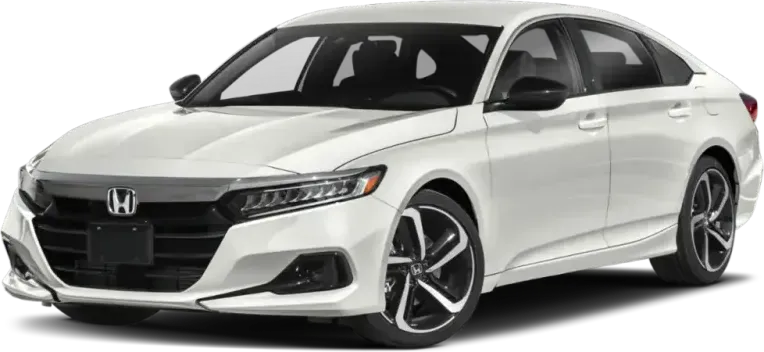
Honda Accord
Score: 87/100
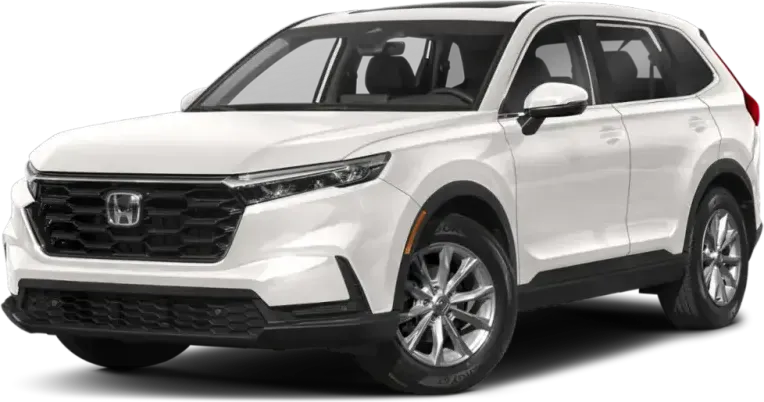
Honda CR-V
Score: 83/100
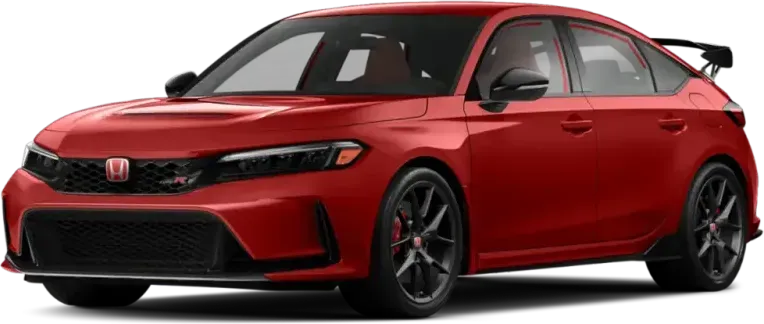
Honda Civic
Score: 94/100
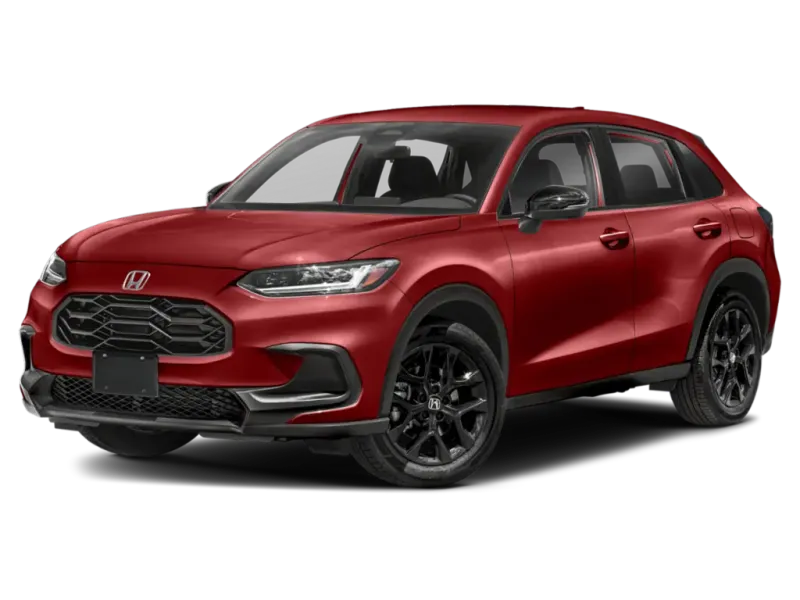
Honda HR-V
Score: 100/100
Honda Odyssey
Score: 74/100
Honda Passport
Score: 84/100
Browse More 2018 Vehicles
2018 Lexus RX
Score: 85/100
2018 Nissan Murano
Score: 82/100
2018 Lexus IS
Score: 81/100
2018 Lexus ES
Score: 80/100
2018 Toyota Corolla
Score: 80/100
2018 Buick Encore
Score: 80/100
See incorrect data? Report an issue