Last updated: 2026-10-10
Ford Mustang Mach-E vs Toyota bZ4X: Reliability Compared
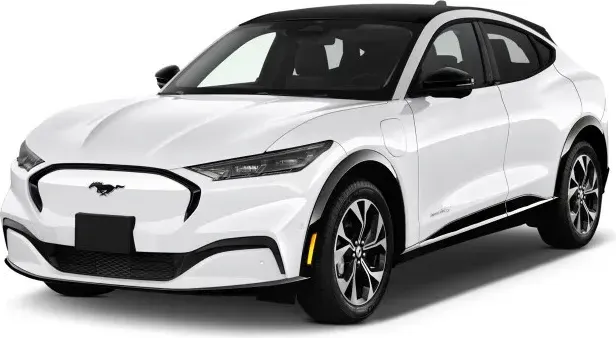
Ford Mustang Mach-E
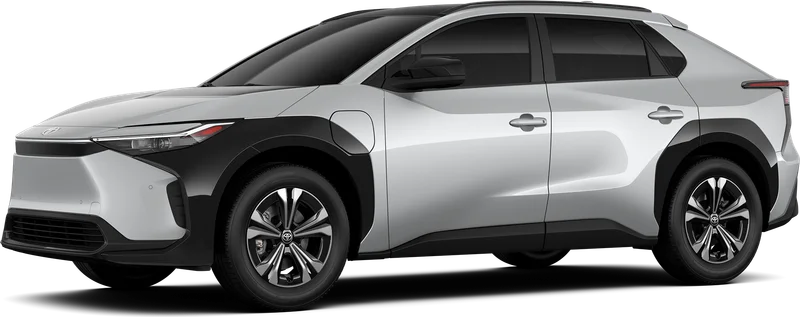
Toyota bZ4X
Between the Ford Mustang Mach-E and Toyota bZ4X, the bZ4X has a slight reliability edge. It draws fewer owner complaints per car sold, 7.1 against 10.7 per 10,000, and its problem areas carry no crash-linked reports, unlike the Mach-E.
How Do the Ford Mustang Mach-E and Toyota bZ4X Generations Compare?
Verdict
The Toyota bZ4X is more reliable than the Ford Mustang Mach-E, scoring 75/100 vs 72/100.
On reliability, the Toyota bZ4X holds a slight edge. Both rate good, but the bZ4X draws fewer owner complaints per car sold and has fewer federal recalls, 6 across three model years against 13 across four for the Mach-E. The deciding factor is severity. Mach-E owners report sudden loss of propulsion and unintended acceleration, while bZ4X complaints lean toward battery drain and underbody damage. The gap is small, and the bZ4X's repeat 12-volt battery problem keeps it from being a clear winner.
Key Differences
- 1Toyota bZ4X has 7 fewer total recalls
- 2Toyota bZ4X has 3.6 fewer complaints per 10k sold
- 3Toyota bZ4X scores 3 points higher in reliability
Category Scoreboard
Ford Mustang Mach-E vs Toyota bZ4X: Which Is More Reliable?
| Metric | Ford Mustang Mach-E | Toyota bZ4X |
|---|---|---|
| Reliability Score | 72/100 | 75/100 |
| Years Tracked | 4 | 3 |
| Total Recalls | 13 | 6 |
| Complaints per 10k Sold | 10.7 | 7.1 |
| Safety RatingNHTSA overall | 2026 NHTSA | 2025 NHTSA |
| Frontal | ||
| Side | ||
| Rollover | ||
| Year Wins | 0 | 3 |
What Are the Common Problems With the Ford Mustang Mach-E and Toyota bZ4X?
The biggest difference is severity. Mach-E owners describe a car that loses propulsion in traffic with a red "Stop Safely Now" warning, a shift fault that locks the car in Park, and surging after a stop. Powertrain and vehicle speed control complaints are crash-linked. The instrument display can also go blank while driving. The bZ4X has no crash-linked area. Its owners report a dead 12-volt battery that returns after replacement, underbody shields torn loose by puddles, a rear knock over bumps, and tire pressure loss. A few electrical reports describe the car trying to shut off while driving, which is a crash risk.
| Component | Ford Mustang Mach-E | Toyota bZ4X |
|---|---|---|
| ELECTRICAL SYSTEM | 3.6Average | 1.9Low |
| POWER TRAIN | 2.1Low | —None |
| UNKNOWN OR OTHER | 1.2Low | 0.7Very Low |
| STRUCTURE | 0.3Very Low | 1Very Low |
| SERVICE BRAKES | 0.8Very Low | —None |
| VEHICLE SPEED CONTROL | 0.7Very Low | —None |
| STEERING | 0.6Very Low | —None |
| SUSPENSION | —None | 0.3Very Low |
| TIRES | —None | 0.3Very Low |
| AIR BAGS | 0.2Very Low | —None |
| FORWARD COLLISION AVOIDANCE | 0.2Very Low | —None |
| ENGINE | 0.1Very Low | —None |
Complaints per 10,000 units sold, aggregated across all tracked model years from NHTSA owner reports.
How Does Ford Mustang Mach-E vs Toyota bZ4X Reliability Compare by Year?
| Year | Ford Mustang Mach-E | Toyota bZ4X | Edge |
|---|---|---|---|
| 2025 | 72/1005R / 8C | 76/1002R / 5C | Toyota bZ4X |
| 2024 | 74/1003R / 35C | 75/1003R / 21C | Toyota bZ4X |
| 2023 | 66/1003R / 104C | 73/1001R / 15C | Toyota bZ4X |
Best years to cross-shop: The 2024 Ford Mustang Mach-E scored 74/100 and the 2024 Toyota bZ4X scored 75/100 — the strongest shared model years that have been on the road for at least two years, where available.
Who Should Buy the Ford Mustang Mach-E vs the Toyota bZ4X?
Ford Mustang Mach-E vs Toyota bZ4X: Common Questions
- Is the Ford Mustang Mach-E more reliable than the Toyota bZ4X?
- No. The bZ4X has a slight edge. Both rate good, but the bZ4X has fewer owner complaints per car sold and fewer recalls. The Mach-E also has more serious complaints, including sudden power loss and unintended acceleration, which pulls it slightly behind.
- Which has more recalls, the Mach-E or the bZ4X?
- The Mach-E has more. Federal recall records show 13 recalls across its four model years, against 6 across three model years for the bZ4X. The Mach-E has also been on sale for one more model year in this data, which adds some exposure.
- What is the most serious problem with the Mustang Mach-E?
- Sudden loss of propulsion is the most serious. Owners report a red "Stop Safely Now" warning and the car locking in Park in traffic. Unintended acceleration after a stop is also reported. Powertrain and vehicle speed control complaints include crash-linked reports.
- What goes wrong most often on the Toyota bZ4X?
- The 12-volt battery is the most common complaint. It goes dead, the car will not start, and the drain can return after replacement, sometimes twice. Other reports cover underbody shields torn off by puddles, a rear knock over uneven roads, and sudden tire pressure loss.
- Which bZ4X model year should I avoid?
- Avoid the 2023. It is listed among the weakest bZ4X years, and the 2024 also appears on that list. The 2025 ranks among the strongest, but it is newer and has had less time to collect complaints, so check its battery and underbody shields.
Related Reliability Comparisons
More Ford Mustang Mach-E comparisons
Decided between Ford Mustang Mach-E and Toyota bZ4X? Run a VIN check before you buy — uncover hidden accidents, title issues, and open recalls.
How we score the Ford Mustang Mach-E and Toyota bZ4X
Scores weight complaint severity at 35%, repair costs at 30%, recall impact at 20%, and the spread of complaints across systems at 15%, with complaint counts adjusted for US sales. Read the full methodology.
See incorrect data? Report an issue