Last updated: 2026-10-10
Chevrolet Tahoe vs Toyota Grand Highlander: Reliability Compared
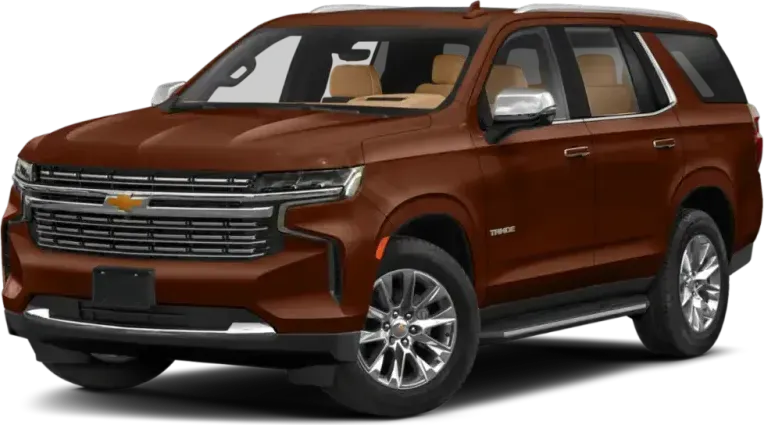
Chevrolet Tahoe
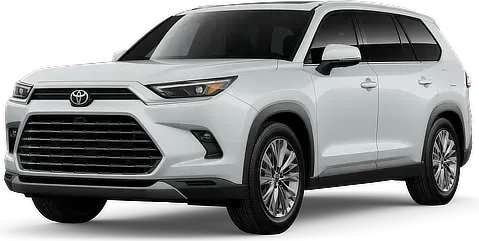
Toyota Grand Highlander
On reliability, the Toyota Grand Highlander beats the Chevrolet Tahoe, mainly because Tahoe owners report engine and transmission failures. Grand Highlander complaints are milder, though the Tahoe has a much longer record and more years to choose from.
How Do the Chevrolet Tahoe and Toyota Grand Highlander Generations Compare?
Verdict
The Toyota Grand Highlander is more reliable than the Chevrolet Tahoe, scoring 79/100 vs 72/100.
Reliability favors the Toyota Grand Highlander, with a clear edge over the Chevrolet Tahoe. The deciding reason is severity. Tahoe owners report internal engine failures and full transmission replacements, many between 88,000 and 128,000 miles. Grand Highlander complaints center on hesitation, a slow airbag recall fix, and a misleading fuel gauge. Those are real annoyances, but they are not the repeated engine and transmission failures seen on the Tahoe. The Grand Highlander also has fewer recalls. Its complaint rate per vehicle sold is higher, and it has far less time on the road.
Key Differences
- 1Toyota Grand Highlander has 24 fewer total recalls
- 2Toyota Grand Highlander scores 7 points higher in reliability
- 3Chevrolet Tahoe has 3.7 fewer complaints per 10k sold
Category Scoreboard
Chevrolet Tahoe vs Toyota Grand Highlander: Which Is More Reliable?
| Metric | Chevrolet Tahoe | Toyota Grand Highlander |
|---|---|---|
| Reliability Score | 72/100 | 79/100 |
| Years Tracked | 9 | 3 |
| Total Recalls | 34 | 10 |
| Complaints per 10k Sold | 4.5 | 8.2 |
| Safety RatingNHTSA overall | 2026 NHTSA | 2026 NHTSA |
| Frontal | ||
| Side | ||
| Rollover | ||
| Year Wins | 1 (1 tied) | 1 (1 tied) |
What Are the Common Problems With the Chevrolet Tahoe and Toyota Grand Highlander?
Heavy mechanical failures define the Tahoe's complaints. The 5.3L shows collapsed lifters, the 6.2L shows camshaft and rod bearing failures, and transmissions slip, shudder, or lose drive power before a replacement. Electrical faults include blank dashes with lost steering assist and braking. The Tahoe has crash-linked complaints in power train, electrical, and service brakes. The Grand Highlander's complaints are milder: stuttering when pulling away, a fuel gauge reading empty with gallons left, and hood flutter. Its only crash-linked area is air bags, where one owner reported side airbags failing to deploy in a T-bone crash.
| Component | Chevrolet Tahoe | Toyota Grand Highlander |
|---|---|---|
| POWER TRAIN | 0.8Very Low | 1.4Low |
| UNKNOWN OR OTHER | 0.2Very Low | 1.7Low |
| AIR BAGS | 0.2Very Low | 1.1Low |
| ELECTRICAL SYSTEM | 0.6Very Low | 0.6Very Low |
| ENGINE | 1.1Low | —None |
| FUEL/PROPULSION SYSTEM | 0.3Very Low | 0.6Very Low |
| STRUCTURE | —None | 0.5Very Low |
| STEERING | 0.2Very Low | 0.2Very Low |
| VEHICLE SPEED CONTROL | —None | 0.4Very Low |
| SUSPENSION | —None | 0.4Very Low |
| SERVICE BRAKES | 0.2Very Low | —None |
| ENGINE AND ENGINE COOLING | 0.1Very Low | —None |
| FUEL SYSTEM | 0.1Very Low | —None |
| EXTERIOR LIGHTING | 0.1Very Low | —None |
| VISIBILITY/WIPER | —None | 0.1Very Low |
| SEAT BELTS | —None | —None |
| SEATS | —None | —None |
| TIRES | —None | —None |
| WHEELS | —None | —None |
Complaints per 10,000 units sold, aggregated across all tracked model years from NHTSA owner reports.
How Does Chevrolet Tahoe vs Toyota Grand Highlander Reliability Compare by Year?
| Year | Chevrolet Tahoe | Toyota Grand Highlander | Edge |
|---|---|---|---|
| 2026 | 82/1000R / 0C | 88/1000R / 0C | Toyota Grand Highlander |
| 2025 | 80/1000R / 14C | 80/1003R / 33C | Tie |
| 2024 | 75/1003R / 50C | 69/1007R / 171C | Chevrolet Tahoe |
Best years to cross-shop: The 2024 Chevrolet Tahoe scored 75/100 and the 2024 Toyota Grand Highlander scored 69/100 — the strongest shared model years that have been on the road for at least two years, where available.
Who Should Buy the Chevrolet Tahoe vs the Toyota Grand Highlander?
Chevrolet Tahoe vs Toyota Grand Highlander: Common Questions
- Is the Toyota Grand Highlander more reliable than the Chevrolet Tahoe?
- Yes, with a clear edge. Tahoe owners report internal engine failures and transmission replacements, often between 88,000 and 128,000 miles. Grand Highlander complaints are mostly hesitation, an airbag recall delay, and a fuel gauge that reads low. It is also a much newer vehicle, so it has had less time to collect complaints.
- Which has more recalls, the Grand Highlander or the Tahoe?
- The Tahoe has more. Federal recall records show 34 recalls across 9 model years for the Tahoe and 10 across 3 model years for the Grand Highlander. The Tahoe has been on the road far longer, so part of the gap comes from age and the number of years covered.
- Which costs less to repair, the Grand Highlander or the Tahoe?
- Repair-cost data exists only for the Tahoe, so no direct comparison is possible. Independent data puts the Tahoe at about $744 a year, 0.3 unscheduled shop visits a year, and a 16% chance that a repair is major. The Grand Highlander has no figures to set beside those.
- What goes wrong most often on the Chevrolet Tahoe?
- Engine complaints lead, with 231 reports, followed by power train at 164. On the 5.3L, owners describe collapsed lifters and a bent pushrod. On the 6.2L, camshaft and rod bearing failures cause sudden power loss. Transmission failures bring harsh shifts, shudder, and sudden loss of drive power at highway speed.
- Is the Grand Highlander airbag recall a problem?
- The wait is the main complaint. Recall 24V461000 covers curtain airbags that may not deploy as intended if the front windows are down. Owners describe months without a remedy because parts were unavailable. Confirm with a dealer that the recall work was completed on any used example.
Related Reliability Comparisons
More Chevrolet Tahoe comparisons
More Toyota Grand Highlander comparisons
Decided between Chevrolet Tahoe and Toyota Grand Highlander? Run a VIN check before you buy — uncover hidden accidents, title issues, and open recalls.
How we score the Chevrolet Tahoe and Toyota Grand Highlander
Scores weight complaint severity at 35%, repair costs at 30%, recall impact at 20%, and the spread of complaints across systems at 15%, with complaint counts adjusted for US sales. Read the full methodology.
See incorrect data? Report an issue