Last updated: 2026-11-20
BMW i5 vs Mercedes-Benz EQE: Reliability Compared
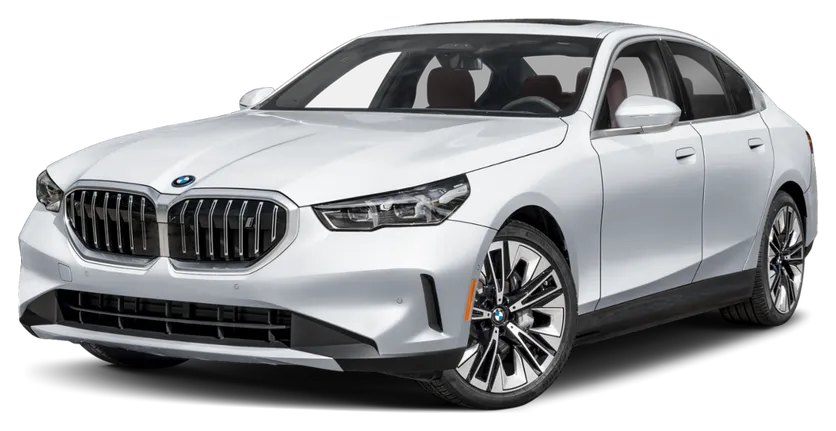 BMW i5
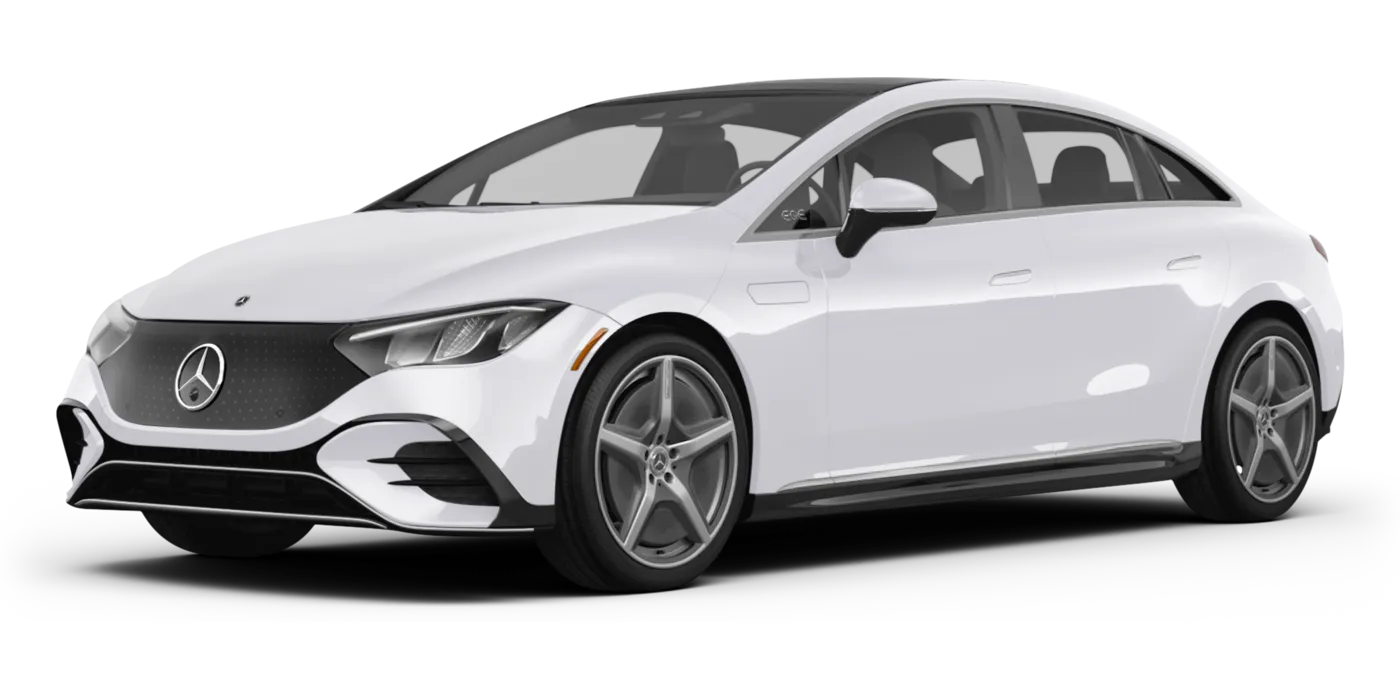 Mercedes-Benz EQE
The i5 takes 2 of 3 rounds (1 drawn)
Mercedes-Benz EQE vs BMW i5: the i5 comes out ahead on reliability. Owners report fewer complaints on it, and the EQE's reports lean toward braking, unexpected acceleration and air bags that did not deploy. Federal recall counts are equal.
How Do the BMW i5 and Mercedes-Benz EQE Generations Compare?
Verdict
The BMW i5 is more reliable than the Mercedes-Benz EQE, scoring 65/100 vs 58/100.
Reliability favors the i5 by a clear margin. Owner complaints run lower per car sold, and both cars have the same federal recall count, so recalls do not separate them. Severity does. The EQE collects reports of unexpected acceleration, phantom braking and air bags that did not deploy, several tied to injury crashes. The i5 has serious brake and drivetrain reports too, but fewer of them, and its most common electrical complaint is charging noise.
Biggest gaps
- BMW i5 has 6.2 fewer complaints per 10k sold
- BMW i5 scores 7 points higher in reliability
Round by round
- Reliability Scorei5
- Total RecallsDraw
- Complaint Ratei5
Leaning BMW i5 or Mercedes‑Benz EQE? Check the exact car before you buy
Whichever wins on paper, the car in front of you has its own past. A VIN check shows its accidents, title history and any open recalls.
BMW i5 vs Mercedes-Benz EQE: Which Is More Reliable?
| Metric | BMW i5 | Mercedes-Benz EQE |
|---|---|---|
| Reliability ScoreOut of 100, higher is better | 65/100 | 58/100 |
| Years Tracked | 2 | 2 |
| Total RecallsLower is better | 15 | 15 |
| Complaints per 10k SoldLower is better | 19.2 | 25.4 |
| Year WinsModel years with the higher score | 1 | 0 |
What Are the Common Problems With the BMW i5 and Mercedes-Benz EQE?
Braking and acceleration with no driver input dominate the EQE complaints. Owners describe hard braking with nothing ahead, lagging brakes, and the car speeding up while parking with a foot on the brake. Every air bag complaint involves an injury crash, and one says none of 10 air bags deployed. No i5 category reports air bags failing to deploy. The i5 has low-speed brake failure, drivetrain shutdowns and a stability control recall repair waiting on parts. Its most common electrical complaint is fan noise and clunking after DC fast charging, which is an annoyance rather than a crash risk.
| BMW i5 | Problem area | Mercedes-Benz EQE |
|---|---|---|
3.8 | Brakes | 4.2 |
3.2 | Electrical | 4.2 |
2.6 | Transmission | 0.8 |
2.6 | Stability control | 0 |
0 | Automatic emergency braking | 2.1 |
0 | Wheels and tires | 1.7 |
1.3 | Backup camera | 0 |
0 | Airbags | 1.3 |
0 | Acceleration and cruise control | 0.8 |
2.6 | Other or unspecified | 7.2 |
Complaints per 10,000 units sold, aggregated across all tracked model years from NHTSA owner reports. Shorter bars mean fewer complaints.
How Does BMW i5 vs Mercedes-Benz EQE Reliability Compare by Year?
| Year | BMW i5 | Mercedes-Benz EQE | Edge |
|---|---|---|---|
| 2024 | 63/10010 recalls · 22 complaints | 60/1005 recalls · 21 complaints | i5+3 |
Best years to cross-shop: The 2024 BMW i5 scored 63/100 and the 2024 Mercedes-Benz EQE scored 60/100, the strongest shared model years that have been on the road for at least two years, where available.
Who Should Buy the BMW i5 vs the Mercedes-Benz EQE?
Team i5If you want the lower chance of a serious surprise, pick the i5. Its leading electrical complaint is charging noise, and its stability control complaints are mostly about a recall repair held up by part availability. The drivetrain shutdowns and brake reports still deserve a close look. Both i5 model years are young, so confirm every recall repair is done before you buy, and ask whether the stability control repair is still waiting on a part.
Team EQEConsider the EQE only if you find a clearly cheaper example and can verify its history. Ask the seller whether the car ever braked or accelerated on its own, and whether the 21-inch Pirelli tires have had sidewall bubbles or flats. Have a dealer confirm all recalls are complete. Neither model has a year to favor, because each covers only two model years and the newest has had less time to collect complaints. If unexplained braking or acceleration worries you, skip the EQE.
BMW i5 vs Mercedes-Benz EQE: Common Questions
- Is the Mercedes-Benz EQE more reliable than the BMW i5?
- No. The i5 has the clear edge. It draws fewer owner complaints per car sold, and its standing is good while the EQE's is mixed. The EQE's complaints include air bags that did not deploy and braking or acceleration with no driver input, which are more serious than most i5 reports.
- Which has more recalls, the EQE or the i5?
- They are equal. Federal recall records show 15 recalls for each across their two model years. Recalls therefore do not separate the two. Check any specific car by VIN to confirm each repair was done, since some i5 owners report a stability control repair waiting on a part.
- What is the most common problem on the BMW i5?
- Service brakes lead the i5 list, with reports of low-speed braking failure and the car surging forward from a stop. The electrical system is next, mostly loud fan noise and clunking during DC fast charging. Owners link that clicking to a coolant water valve, and they say no fix exists yet.
- Are there tire problems with the Mercedes-Benz EQE?
- Yes, in two complaints. Owners describe factory Pirelli tires developing sidewall bubbles, leaking air and going flat in normal driving. Both involve the 21-inch wheel and tire package. One household reports five flats in 40 days, so check the tires on any used EQE.
- Has the i5 had drivetrain failures?
- A few owners report them. The drivetrain shuts down while moving, a warning appears, and the car loses all power. Afterward it may not restart or shift into neutral. That is serious on a highway, so ask about any powertrain warnings in the service history.
Related Reliability Comparisons
More BMW i5 comparisons
Decided between BMW i5 and Mercedes-Benz EQE? Run a VIN check before you buy — uncover hidden accidents, title issues, and open recalls.
How we score the BMW i5 and Mercedes-Benz EQE
Scores weight complaint severity at 35%, repair costs at 30%, recall impact at 20%, and the spread of complaints across systems at 15%, with complaint counts adjusted for US sales. Read the full methodology.
See incorrect data? Report an issue