Last updated: 2026-11-20
BMW i5 vs Lucid Air: Reliability Compared
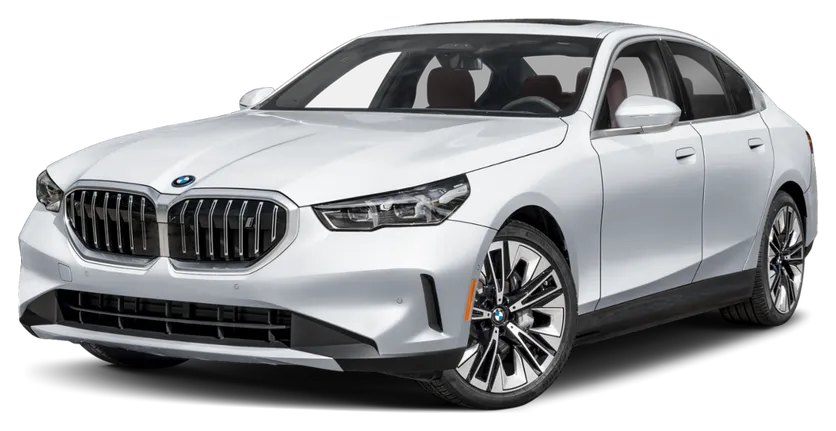 BMW i5
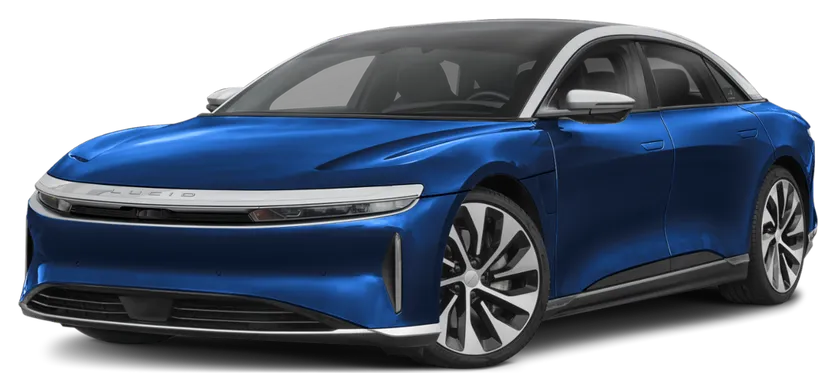 Lucid Air
The i5 takes 3 of 3 rounds
The BMW i5 beats the Lucid Air on reliability by a wide margin. The Lucid has nearly three times the recalls. Its owners also report crash-linked faults in emergency braking, electrical and air bag systems that the i5 does not show.
How Do the BMW i5 and Lucid Air Generations Compare?
Verdict
The BMW i5 is more reliable than the Lucid Air, scoring 65/100 vs 55/100.
Reliability favors the i5, and the gap is large. Owners filed fewer complaints per car sold, 19.2 per 10,000 against 28.6 for the Lucid, and federal recall records show 15 recalls against 43. The Lucid's problems also reach further. Sudden loss of drive power, false emergency braking and air bag faults all appear in its reports, several tied to crashes. The i5 has serious reports too, mainly brakes and power loss, but they are fewer and narrower.
Biggest gaps
- BMW i5 has 28 fewer total recalls
- BMW i5 has 9.4 fewer complaints per 10k sold
- BMW i5 scores 10 points higher in reliability
Round by round
- Reliability Scorei5
- Total Recallsi5
- Complaint Ratei5
Leaning BMW i5 or Lucid Air? Check the exact car before you buy
Whichever wins on paper, the car in front of you has its own past. A VIN check shows its accidents, title history and any open recalls.
BMW i5 vs Lucid Air: Which Is More Reliable?
What Are the Common Problems With the BMW i5 and Lucid Air?
The Lucid's worst pattern is drive power cutting out while moving, often with a Drive System Failure or Fault message, and most of those cars needed a tow. Software-linked screen blackouts and a car that will not shift out of Park add to it. Crash-linked reports cover forward collision avoidance, electrical, brakes and air bags. The i5's main issues are brakes failing at low speed, with the car surging from a stop, plus clunking and fan noise during DC fast charging and drivetrain shutdowns. Its crash-linked reports sit in brakes and stability control only.
| BMW i5 | Problem area | Lucid Air |
|---|---|---|
3.2 | Electrical | 4.9 |
2.6 | Transmission | 4.5 |
3.8 | Brakes | 1.4 |
2.6 | Stability control | 0 |
1.3 | Backup camera | 0.7 |
0 | Automatic emergency braking | 1.7 |
0 | Airbags | 1.4 |
0 | Acceleration and cruise control | 1.0 |
0 | Body and structure | 0.7 |
0 | Wheels and tires | 0.7 |
0 | Seats | 0.7 |
2.6 | Other or unspecified | 3.1 |
Complaints per 10,000 units sold, aggregated across all tracked model years from NHTSA owner reports. Shorter bars mean fewer complaints.
How Does BMW i5 vs Lucid Air Reliability Compare by Year?
| Year | BMW i5 | Lucid Air | Edge |
|---|---|---|---|
| 2025 | 67/1005 recalls · 8 complaints | 58/1007 recalls · 18 complaints | i5+9 |
| 2024 | 63/10010 recalls · 22 complaints | 58/1009 recalls · 10 complaints | i5+5 |
Best years to cross-shop: The 2024 BMW i5 scored 63/100 and the 2024 Lucid Air scored 58/100, the strongest shared model years that have been on the road for at least two years, where available.
Who Should Buy the BMW i5 vs the Lucid Air?
Team i5Pick the i5 if you want the lower-risk used car. Its complaint rate is lower and its recall count is far smaller. Both used model years, 2024 and 2025, are new, so complaints are still accumulating. Before you buy, ask whether the stability control recall repair is done, since owners report waiting on an unavailable part. Also ask about brake behavior at low speed, and if you plan to use DC fast charging, listen for clunking from under the hood.
Team AirPick the Lucid Air only if its design or features matter more to you than reliability. Target 2024 or 2025, the strongest years, and avoid 2022 and 2023, the weakest. Confirm that all software updates are installed, because several complaints tie screen failures and Park problems to specific updates. Have the car inspected, and test the emergency braking and adaptive cruise on a highway. Owners also describe slow responses from Lucid, so a car with a clean record matters more here.
BMW i5 vs Lucid Air: Common Questions
- Is the Lucid Air more reliable than the BMW i5?
- No. The i5 comes out well ahead. It has fewer owner complaints per car sold, 19.2 per 10,000 against 28.6, and far fewer recalls. The Lucid also has crash-linked complaints in more areas, including emergency braking, electrical and air bags.
- Which has more recalls, the Lucid Air or the BMW i5?
- The Lucid Air has more. Federal recall records show 43 across its four model years, 2022 to 2025. The i5 has 15 across its two model years, 2024 and 2025. The Lucid's count is also higher per model year.
- Which Lucid Air model years should I avoid?
- Avoid 2022 and 2023, the weakest years in the data. The 2024 and 2025 cars rank strongest. Those came after the 2024 Model Year Update. Even so, complaints about the Lucid describe software-linked glitches, so check that updates are current.
- What goes wrong most often on the BMW i5?
- Brakes lead the list, with six complaints. Drivers describe the car surging from a stop or the pedal sinking during a slow turn. Owners also report clunking and fan noise during DC fast charging, and drivetrain shutdowns that leave the car without power.
Related Reliability Comparisons
More BMW i5 comparisons
Decided between BMW i5 and Lucid Air? Run a VIN check before you buy — uncover hidden accidents, title issues, and open recalls.
How we score the BMW i5 and Lucid Air
Scores weight complaint severity at 35%, repair costs at 30%, recall impact at 20%, and the spread of complaints across systems at 15%, with complaint counts adjusted for US sales. Read the full methodology.
See incorrect data? Report an issue