Last updated: 2026-10-10
Acura Integra vs BMW 2 Series: Reliability Compared
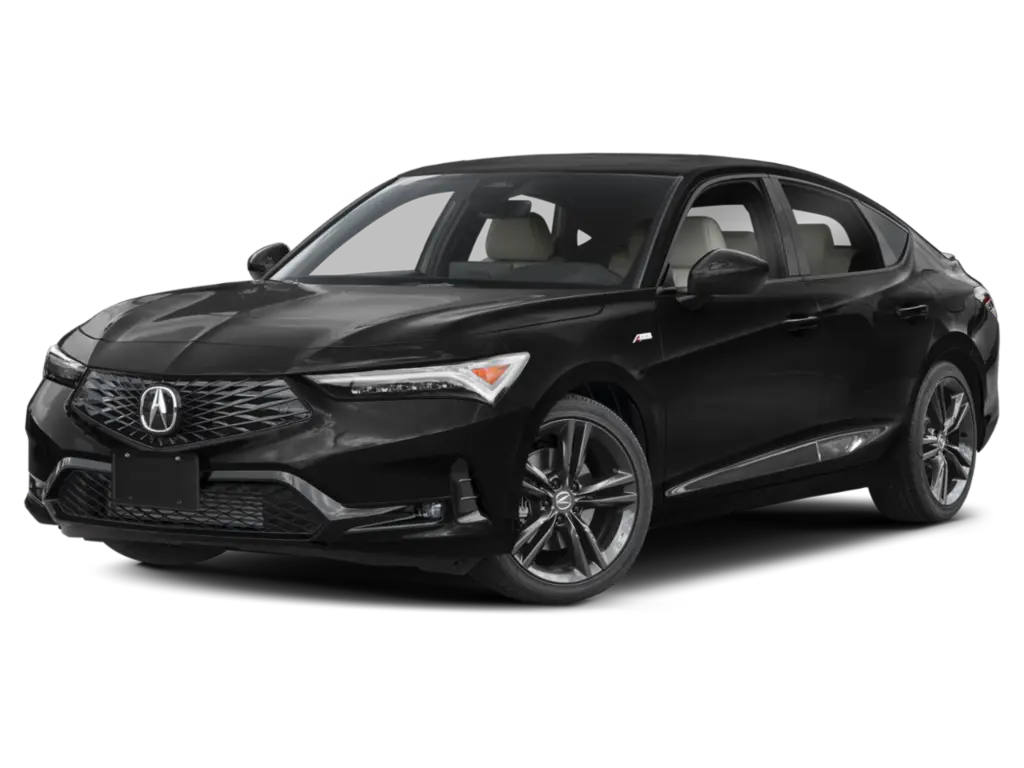
Acura Integra
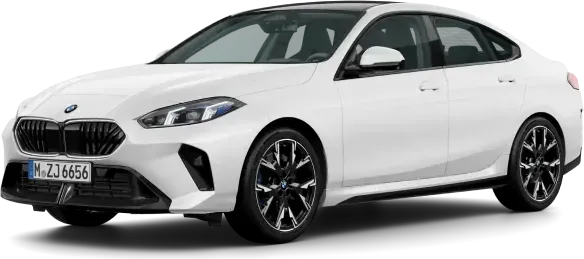
BMW 2 Series
The BMW 2-Series has a slight reliability edge over the Acura Integra. The Integra's steering that sticks at highway speeds is the main reason. Both models rate good, and the BMW's much longer recall list keeps the gap narrow.
How Do the Acura Integra and BMW 2 Series Generations Compare?
Verdict
The BMW 2 Series is more reliable than the Acura Integra, scoring 72/100 vs 70/100.
A slight edge goes to the BMW 2-Series. Both land in the good range, so the gap is small. What separates them is where the complaints pile up. Integra owners file about 28 complaints per 10,000 sold, most of them about steering that catches at highway speeds, against 0.9 for the 2-Series. The BMW carries far more federal recalls, 177 across nine model years against 9 for the Integra, and its crash-linked reports touch more systems. That keeps the lead narrow.
Key Differences
- 1Acura Integra has 168 fewer total recalls
- 2BMW 2 Series has 27.1 fewer complaints per 10k sold
- 3BMW 2 Series scores 2 points higher in reliability
Category Scoreboard
Acura Integra vs BMW 2 Series: Which Is More Reliable?
| Metric | Acura Integra | BMW 2 Series |
|---|---|---|
| Reliability Score | 70/100 | 72/100 |
| Years Tracked | 4 | 9 |
| Total Recalls | 9 | 177 |
| Complaints per 10k Sold | 28 | 0.9 |
| Safety RatingNHTSA overall | 2026 NHTSA | 2026 NHTSA |
| Frontal | ||
| Side | ||
| Rollover | ||
| Year Wins | 2 | 2 |
What Are the Common Problems With the Acura Integra and BMW 2 Series?
Steering defines the Integra. The wheel sticks near center, then breaks free, and drivers describe swerving within the lane. The BMW's complaints spread wider: motor mounts failing around 52k to 60,000 miles, a starter recall with no repair parts, restraint warnings with no crash, and two under-hood fires with no dash warning. Crash-linked BMW reports appear in air bags, brakes, electrical and power train, though many brake filings name larger BMW models. The Integra has crash-linked reports in steering and air bags, including two cases where bags did not deploy. Its brake complaints mention no crash.
| Component | Acura Integra | BMW 2 Series |
|---|---|---|
| STEERING | 24.8High | —None |
| UNKNOWN OR OTHER | 0.7Very Low | 0.1Very Low |
| FORWARD COLLISION AVOIDANCE | 0.4Very Low | —None |
| ELECTRICAL SYSTEM | 0.3Very Low | 0.1Very Low |
| AIR BAGS | 0.2Very Low | 0.1Very Low |
| SERVICE BRAKES | 0.2Very Low | —None |
| POWER TRAIN | 0.2Very Low | —None |
| ENGINE | —None | 0.1Very Low |
| SEAT BELTS | —None | —None |
| ENGINE AND ENGINE COOLING | —None | —None |
| STRUCTURE | —None | —None |
| BACK OVER PREVENTION | —None | —None |
| EXTERIOR LIGHTING | —None | —None |
| VEHICLE SPEED CONTROL | —None | —None |
| ELECTRONIC STABILITY CONTROL (ESC) | —None | —None |
| SUSPENSION | —None | —None |
| SEATS | —None | —None |
| TIRES | —None | —None |
| LANE DEPARTURE | —None | —None |
| FUEL/PROPULSION SYSTEM | —None | —None |
| WHEELS | —None | —None |
Complaints per 10,000 units sold, aggregated across all tracked model years from NHTSA owner reports.
How Does Acura Integra vs BMW 2 Series Reliability Compare by Year?
| Year | Acura Integra | BMW 2 Series | Edge |
|---|---|---|---|
| 2026 | 76/1000R / 1C | 70/1004R / 0C | Acura Integra |
| 2025 | 74/1002R / 2C | 70/1009R / 2C | Acura Integra |
| 2024 | 68/1005R / 61C | 72/10013R / 17C | BMW 2 Series |
| 2023 | 63/1002R / 204C | 73/10026R / 43C | BMW 2 Series |
Best years to cross-shop: The 2024 Acura Integra scored 68/100 and the 2023 BMW 2 Series scored 73/100 — the strongest shared model years that have been on the road for at least two years, where available.
Who Should Buy the Acura Integra vs the BMW 2 Series?
Acura Integra vs BMW 2 Series: Common Questions
- Is the BMW 2-Series more reliable than the Acura Integra?
- Slightly, yes. Both rate good, but the 2-Series draws far fewer owner complaints for every 10,000 sold. The Integra's complaints are dominated by steering that sticks or catches at highway speeds. The 2-Series has more recalls and more crash-linked problem areas, so the lead is small.
- Which has more recalls, the 2-Series or the Integra?
- The 2-Series has far more. Federal recall records show 177 across its nine model years, against 9 across the Integra's four. The model years covered differ, so part of the gap is time on the road. An open starter recall on the BMW is worth checking before you buy.
- Which costs less to repair?
- The data gives a repair cost only for the Integra: about $801 a year, with 0.7 unscheduled shop visits per year. No comparable figure is available for the 2-Series, so a direct dollar comparison is not possible here. Ask for service records on either car.
- What is the steering problem on the Acura Integra?
- The wheel sticks or catches, mostly at highway speeds, then releases all at once. Drivers describe overcorrecting and zigzagging in the lane. It comes and goes, with lane keeping on or off. Most reports begin between about 2,800 and 5,700 miles, so test drive carefully.
- What are the common problems on the BMW 2-Series?
- Owners report early motor mount failure, restraint system warnings with no crash, and a starter recall where repair parts were not available. Two reports describe fires with smoke from under the hood and no prior warning. Brake complaints exist, but most name larger BMW models.
Related Reliability Comparisons
More Acura Integra comparisons
Decided between Acura Integra and BMW 2 Series? Run a VIN check before you buy — uncover hidden accidents, title issues, and open recalls.
How we score the Acura Integra and BMW 2 Series
Scores weight complaint severity at 35%, repair costs at 30%, recall impact at 20%, and the spread of complaints across systems at 15%, with complaint counts adjusted for US sales. Read the full methodology.
See incorrect data? Report an issue