Last updated: 2026-10-10
Acura Integra vs Volkswagen Jetta: Reliability Compared
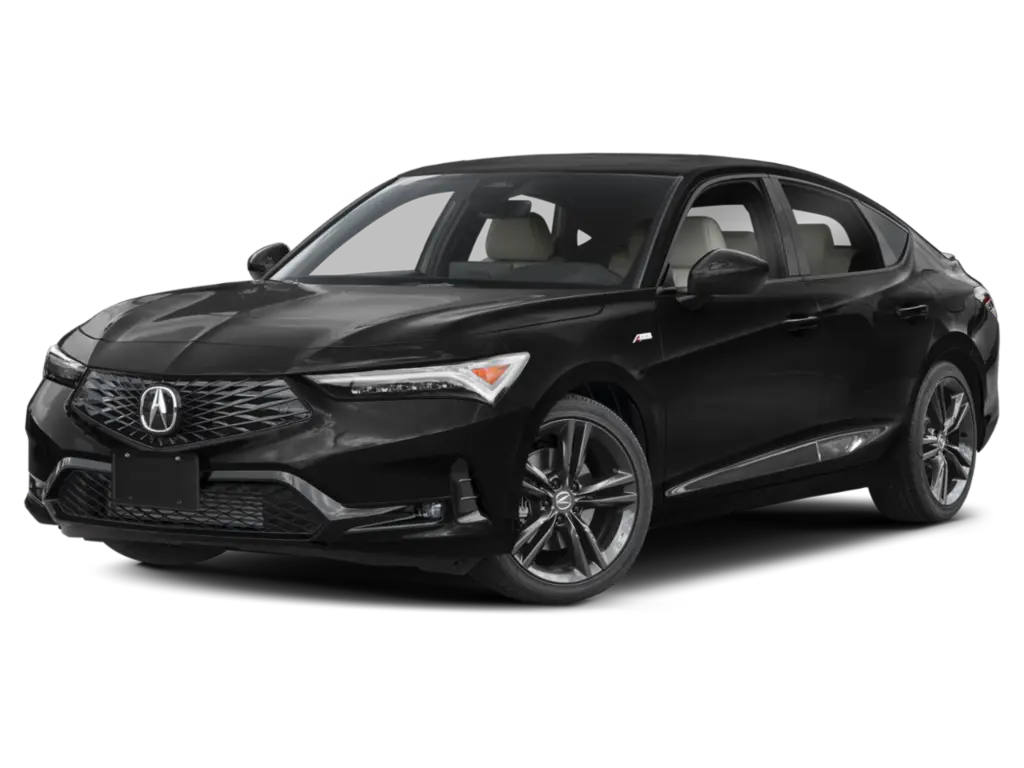
Acura Integra
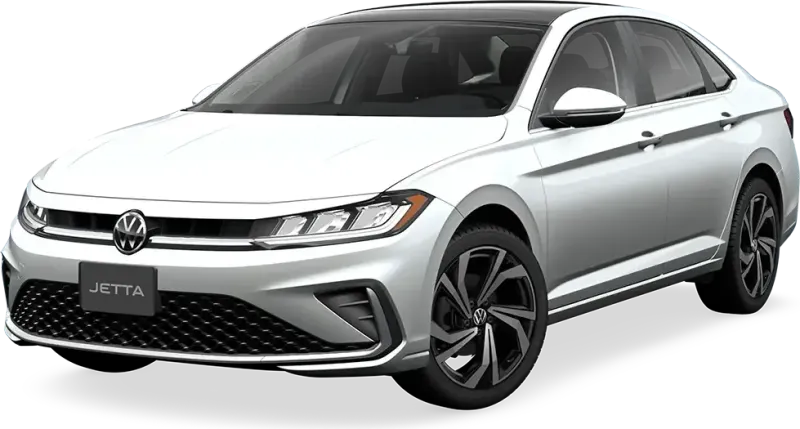
Volkswagen Jetta
Reliability favors the Volkswagen Jetta over the Acura Integra by a clear margin. The Jetta costs less to repair and draws far fewer complaints per car sold. The Integra's main weak point is steering that sticks at highway speed.
How Do the Acura Integra and Volkswagen Jetta Generations Compare?
Verdict
The Volkswagen Jetta is more reliable than the Acura Integra, scoring 77/100 vs 70/100.
A clear edge goes to the Jetta. It costs less to keep running, visits the shop less than half as often, and draws far fewer complaints for every car sold. The Integra holds a good standing too, but its steering complaints are concentrated and tied to loss-of-control risk. The Jetta has plenty of its own faults, from starter-system blackouts to transmission noise, and many more recalls. Even so, owners report problems less often relative to sales, and the repair-cost data favors it.
Key Differences
- 1Volkswagen Jetta costs $192 less per year to repair
- 2Volkswagen Jetta has 24.6 fewer complaints per 10k sold
- 3Acura Integra has 16 fewer total recalls
Category Scoreboard
Acura Integra vs Volkswagen Jetta: Which Is More Reliable?
| Metric | Acura Integra | Volkswagen Jetta |
|---|---|---|
| Reliability Score | 70/100 | 77/100 |
| Years Tracked | 4 | 9 |
| Total Recalls | 9 | 25 |
| Complaints per 10k Sold | 28 | 3.4 |
| Annual Repair Cost | $801/yr | $609/yr |
| Repair Frequency | 0.7/yr | 0.3/yr |
| Safety RatingNHTSA overall | 2026 NHTSA | 2026 NHTSA |
| Frontal | ||
| Side | ||
| Rollover | ||
| Year Wins | 0 | 4 |
What Are the Common Problems With the Acura Integra and Volkswagen Jetta?
Steering dominates Integra complaints. The wheel sticks near center at highway speed, then breaks free, and drivers describe swerving in the lane. Most reports start within the first few thousand miles. Jetta complaints spread wider: transmission grinding at 20 to 40 mph, clutches burning out, "Check starter system" messages that black out the dash, and oil vanishing with no leak. Crash-linked reports exist in several Jetta areas, including power train, electrical, and brakes. The Integra has crash-linked steering reports. Both models have crash-linked air bag reports, including bags that failed to deploy.
| Component | Acura Integra | Volkswagen Jetta |
|---|---|---|
| STEERING | 24.8High | 0.1Very Low |
| UNKNOWN OR OTHER | 0.7Very Low | 0.4Very Low |
| ELECTRICAL SYSTEM | 0.3Very Low | 0.8Very Low |
| POWER TRAIN | 0.2Very Low | 0.8Very Low |
| SERVICE BRAKES | 0.2Very Low | 0.3Very Low |
| FORWARD COLLISION AVOIDANCE | 0.4Very Low | —None |
| ENGINE | —None | 0.4Very Low |
| AIR BAGS | 0.2Very Low | 0.1Very Low |
| STRUCTURE | —None | 0.1Very Low |
| FUEL/PROPULSION SYSTEM | —None | 0.1Very Low |
| SUSPENSION | —None | —None |
| VISIBILITY/WIPER | —None | —None |
| SEAT BELTS | —None | —None |
| LANE DEPARTURE | —None | —None |
| FUEL SYSTEM | —None | —None |
Complaints per 10,000 units sold, aggregated across all tracked model years from NHTSA owner reports.
Which Is Cheaper to Maintain: Acura Integra or Volkswagen Jetta?
How Does Acura Integra vs Volkswagen Jetta Reliability Compare by Year?
| Year | Acura Integra | Volkswagen Jetta | Edge |
|---|---|---|---|
| 2026 | 76/1000R / 1C | 88/1000R / 0C | Volkswagen Jetta |
| 2025 | 74/1002R / 2C | 81/1000R / 11C | Volkswagen Jetta |
| 2024 | 68/1005R / 61C | 82/1000R / 26C | Volkswagen Jetta |
| 2023 | 63/1002R / 204C | 81/1000R / 34C | Volkswagen Jetta |
Best years to cross-shop: The 2024 Acura Integra scored 68/100 and the 2024 Volkswagen Jetta scored 82/100 — the strongest shared model years that have been on the road for at least two years, where available.
Who Should Buy the Acura Integra vs the Volkswagen Jetta?
Acura Integra vs Volkswagen Jetta: Common Questions
- Is the Volkswagen Jetta more reliable than the Acura Integra?
- Yes, the Jetta has a clear edge. It draws 3.4 owner complaints per 10,000 sold against 28 for the Integra, and it needs fewer unscheduled shop visits. The Jetta still has real faults, including transmission noise and starter-system blackouts, so check each car individually.
- Which has more recalls, the Jetta or the Integra?
- The Jetta has more. Federal recall records show 25 recalls across 9 Jetta model years and 9 across 4 Integra model years. The Jetta has been on sale longer, so it has had more time to collect them. Check any specific car's VIN for open recalls before buying.
- Which is cheaper to repair, the Jetta or the Integra?
- The Jetta is cheaper. Independent repair-cost data estimates $609 a year for the Jetta and $801 for the Integra. Over five years that is roughly $960 less. The Jetta also averages 0.3 unscheduled shop visits a year, compared with 0.7 for the Integra.
- What is the main problem with the Acura Integra?
- Steering. Most Integra complaints describe a wheel that sticks or catches at highway speed, then releases suddenly. Drivers say this causes overcorrection and swerving in the lane. Reports usually begin within the first few thousand miles, and two are linked to crashes.
- Which Jetta model years should I avoid?
- Avoid 2019 and 2021, the weakest years in the data. Common complaints across the Jetta include transmission grinding, clutch failures on manual cars, and a starter-system warning that can black out the dash. Test drive any candidate and ask for service records.
Related Reliability Comparisons
More Acura Integra comparisons
Decided between Acura Integra and Volkswagen Jetta? Run a VIN check before you buy — uncover hidden accidents, title issues, and open recalls.
How we score the Acura Integra and Volkswagen Jetta
Scores weight complaint severity at 35%, repair costs at 30%, recall impact at 20%, and the spread of complaints across systems at 15%, with complaint counts adjusted for US sales. Read the full methodology.
See incorrect data? Report an issue