Last updated: 2026-04-16
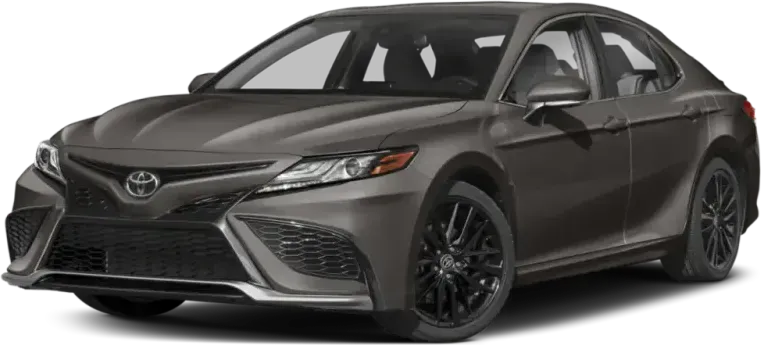
2025 Toyota Camry Reliability Report
The 2025 Toyota Camry scores 76/100 ("Good"). With 4 recalls and 6 owner complaints, reliability is acceptable but not class-leading.
Recalls
4
Complaints
6
Complaint Rate
0.2per 10,000 sold
Est. Repair Cost
$388
Annual Fuel Cost
$1,150–$1,350
Detailed Score Breakdown
Component-weighted complaints normalized by sales volume
Independent repair cost ratings
Recall count weighted by severity
Breadth of reported problem categories
The Verdict
Acceptable reliability — worth considering with a pre-purchase inspection.
Top Issues to Watch
- AIR BAGS (1)
- SERVICE BRAKES (1)
- VISIBILITY/WIPER (1)
Should You Buy the 2025 Toyota Camry?
At 76/100, the 2025 Toyota Camry lands in "Good" territory — acceptable, but not class-leading.
Owners log 6 complaints on this model year — enough to suggest attention is needed, but no single failure mode dominates yet.
Get a pre-purchase inspection on any used example, with extra attention to air bags (1). An extended warranty is worth pricing out.
Compared to the 2026 Toyota Camry, which scored 12 points higher. See also the 2024 Toyota Camry for an earlier comparison.
Pros
- +Acceptable reliability score
- +$138 cheaper to maintain than avg midsize cars
- +Infrequent unscheduled repairs
- +Low major repair risk (11%)
Cons
- −Moderate recall count
- −AIR BAGS (1)
- −UNKNOWN OR OTHER (1)
Compare 2025 Toyota Camry With
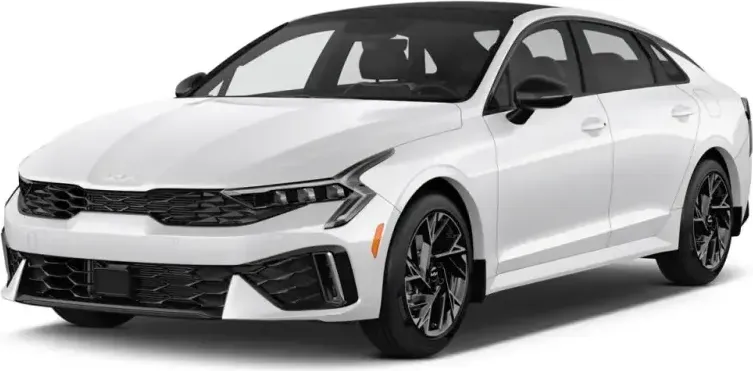
2025 KIA K5
Reliability: 79/100
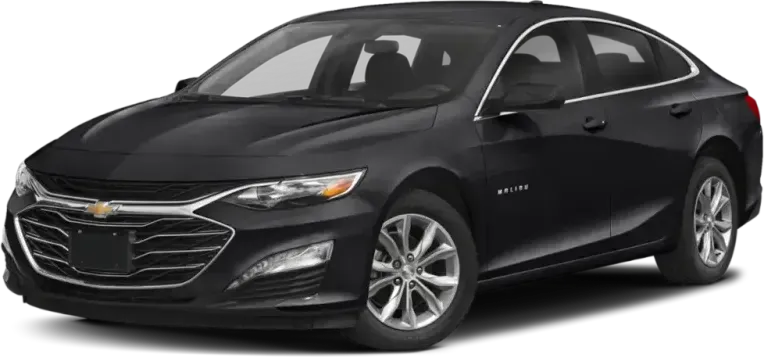
2025 Chevrolet Malibu
Reliability: 80/100
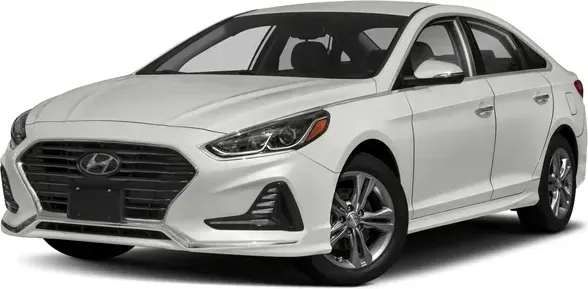
2025 Hyundai Sonata
Reliability: 76/100
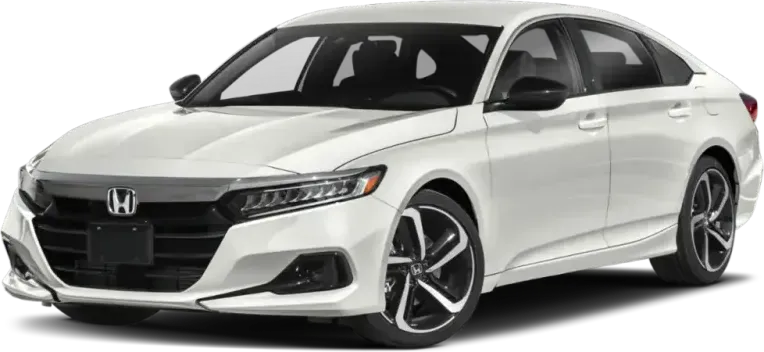
2025 Honda Accord
Reliability: 84/100
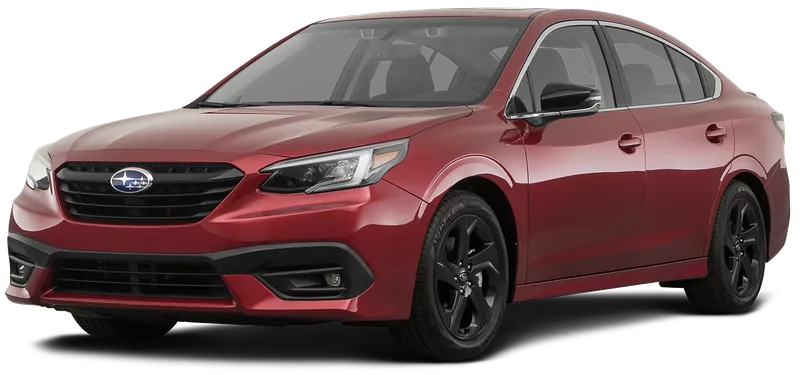
2025 Subaru Legacy
Reliability: 80/100
Common Problem Categories
Safety
LOW RISK- 4 manufacturer recalls issued
Other
HIGH RISK- AIR BAGS (1)
- UNKNOWN OR OTHER (1)
Recall Overview
4
recalls on record
A moderate 4 recalls are on file for the 2025 Toyota Camry. Each one points to a specific safety or compliance issue identified by the manufacturer or NHTSA — check the list below before buying.
NHTSA.gov →Complaint Breakdown
0.2
per 10,000 soldSegment avg: 2
Safety Incidents
1
Crashes
0
Fires
0
Injuries
0
Deaths
NHTSA 5/5 Stars
Data sourced from NHTSA complaint filings and manufacturer recall notices. Complaint narratives are owner-reported.
2025 Toyota Camry Recall Details
4 recalls have been issued for the 2025 Toyota Camry. All recall repairs are performed free of charge at authorized dealerships.
HYBRID PROPULSION SYSTEM
Toyota Motor Engineering & Manufacturing (Toyota) is recalling certain 2025-2026 Camry Hybrid and 2026 Corolla Cross Hybrid vehicles. A bolt inside the inverter may not have been tightened properly, causing incomplete contact at the inverter terminal.
Consequence
Incomplete contact can cause a loss of motive power, increasing the risk of a crash. In addition, a loose bolt can cause an electrical short while the vehicle is powered on, increasing the risk of a fire.
Remedy
The remedy is currently under development. Interim owner notification letters explaining the safety risk are expected to be mailed January 30, 2026. Owners will receive another letter once the remedy becomes available, anticipated February or March 2026. Owners may contact Toyota customer service at 1-800-331-4331. Toyota's number for this recall is 25TB15/25TA15.
BACK OVER PREVENTION
Toyota Motor Engineering & Manufacturing (Toyota) is recalling certain 2022-2026 Toyota, Lexus, and Subaru Solterra vehicles equipped with a Panoramic View Monitor (PVM) system. Please see the recall report for a complete list of models. A software error may cause the rearview camera to freeze or display a blank screen when the vehicle is in reverse. As such, these vehicles fail to comply with the requirements of Federal Motor Vehicle Safety Standard (FMVSS) number 111, "Rear Visibility."
Consequence
A rearview camera that fails to display an image can reduce the driver's view behind the vehicle, increasing the risk of a crash.
Remedy
Dealers will update the parking assist software, free of charge. Owner letters were mailed January 2, 2026. Owners may contact Toyota's customer service at 1-800-331-4331. Toyota's numbers for this recall are 25TB13 and 25LB06. Subaru's number for this recall is WRE25.
SEAT BELTS
Toyota Motor Engineering & Manufacturing (Toyota) is recalling certain 2025 Toyota Camry Hybrid, Lexus NX250, NX350, NX350 Hybrid, 2024-2025 Lexus RX350, RX350 Hybrid, and RX500 Hybrid vehicles. The second-row center seat belt webbing may be damaged. As such, these vehicles fail to comply with the requirements of Federal Motor Vehicle Safety Standard (FMVSS) number 209, "Seat Belt Assemblies."
Consequence
A damaged seat belt may not adequately restrain an occupant, increasing the risk of injury during a crash.
Remedy
Dealers will inspect the seat belt webbing and replace the seat belt assembly if necessary, free of charge. Owner notification letters were mailed March 20, 2025. Owners may contact Toyota's customer service at 1-800-331-4331. Toyota's numbers for this recall are 25TA03 and 25LA03.
Buying a used 2025 Toyota Camry? Check its history first
Every 2025 Toyota Camry has a different past. A VIN check reveals hidden accidents, title problems, odometer rollbacks, and open recalls that reliability scores can't show you.
- Accidents
- Open Recalls
- Title History
- Odometer Rollback
2025 Toyota Camry NHTSA Safety Ratings
Overall Safety Rating
Crash Test Results by Configuration (expand)
HEV Powertrain
Rollover risk: 9.7%
Safety Technologies
Toyota CamryRepair Costs & Maintenance
Maintenance Rating
4Maintenance rating: 4 out of 5Based on NHTSA complaint patterns, recall severity, and publicly available cost benchmarks.
Est. Annual Maintenance
$388
vs $526 avg for midsize cars
vs $652 avg for all vehicles
Repair Frequency
0.3
unscheduled repair visits per year
Severe Repair Probability
11%
chance of a major repair
Annual Cost Comparison
Category-level averages derived from publicly available industry reports (AAA, CarMD). Model-level estimates produced by Auto Reliability Index.
Toyota Camry Resale Value
The Toyota Camry is estimated to retain about 78.2% of its original value after 5 years, based on observed used-car listings.
This benchmark covers the Toyota Camry model overall and is not specific to the 2025 model year.
- Value Retained
- 78.2%
- Depreciation
- 21.8%
- Listings Analyzed
- 1,459
after 5 years
over the same period
U.S. used-car listings
Listings observed in . Actual resale value varies by trim, mileage, condition, and location.
Explore Toyota Camry depreciation and resale value on CarResaleValue.comMPG & Annual Running Costs
Hybrid
44–51 MPG
Running cost: $1,550–$1,750/yr
Fuel + repair
44–53 city / 43–50 hwy MPG
Running cost includes EPA fuel-cost estimate and independent repair-cost data (repair cost estimated at model level). Excludes routine maintenance, depreciation, and insurance. Data as of 2025 EPA label cycle.
Hybrid trims
| Trim | Drive | Trans. | City | Hwy | Comb | Fuel Cost |
|---|---|---|---|---|---|---|
| Camry HEV FF LE 2.5L 4-cyl | Front-Wheel Drive | Automatic (AV-S6) | 53 | 50 | 51 | $1,150 |
| Camry HEV AWD LE 2.5L 4-cyl | All-Wheel Drive | Automatic (AV-S6) | 51 | 49 | 50 | $1,200 |
| Camry HEV FF SE/XLE/XSE 2.5L 4-cyl | Front-Wheel Drive | Automatic (AV-S6) | 48 | 47 | 47 | $1,250 |
| Camry HEV AWD SE/XLE 2.5L 4-cyl | All-Wheel Drive | Automatic (AV-S6) | 46 | 46 | 46 | $1,300 |
| Camry HEV AWD XSE 2.5L 4-cyl | All-Wheel Drive | Automatic (AV-S6) | 44 | 43 | 44 | $1,350 |
Used Buying Checklist
Key things to inspect or verify before purchasing a 2025 Toyota Camry.
Inspect air bag system for deployment issues
Test Forward Collision Avoidance system for false alerts
Check for water leaks around the windshield
Verify proper operation of Adaptive Cruise Control and Lane Assist
Ensure windshield wipers function correctly in inclement weather
Inspect for brake fluid leaks and brake system warnings
2025 Toyota Camry Common Problems by Component
6 owner complaints grouped by vehicle system.
AIR BAGS
1 complaintSafety-relatedThe contact owned a 2025 Toyota Camry Hybrid. The contact stated that while driving at an undisclosed speed, the contact's vehicle was involved in a multi-vehicle crash. The contact's vehicle slid on ice and crashed into another vehicle. The contact's vehicle then crashed into a metal guardrail. In addition, the contact's vehicle was then rear-ended by another vehicle, in which the other vehicle's hood ended up underneath the contact's vehicle, where it came to a stop. The air bags did not deploy. The contact was concerned that the air bags did not deploy as a result of the hard impact on the contact's vehicle. The vehicle was towed to a local tow yard. The vehicle was condemned as a total loss by the insurance company. The contact was transported to the local medical center. A contact sustained injuries to her mouth and bottom lip were busted, lots of bumps and bruises, bruised ribs, and elevated blood pressure. The contact stated that her ribs were severely painful three weeks following the crash. A Police report was filed. The manufacturer was not made aware of the failure. The failure mileage was approximately 10,100. The VIN was unavailable.
UNKNOWN OR OTHER
1 complaintWhat component or system failed or malfunctioned, and is it available for inspection upon request? -The FCTA (Front Cross Traffic Alert) is a system that is overly sensitive and gives constant distracting false alerts while driving. Vehicle is available for inspection upon request. This has been an ongoing issue that I have not been able to resolve since buying the vehicle new from the dealership. How was your safety or the safety of others put at risk? -The FCTA system is highly distracting visual and audio alert to driving due to constant false alerts when turning onto traffic right after a car passes in front of the vehicle. The FCTA system can only temporarily be disabled as every time the car is turned on this system is re-enables thus not respecting driver decision to turn of the FCTA system. Even at the lowest sensitivity setting of (Later) the system will still give false alerts. Has the problem been reproduced or confirmed by a dealer or independent service center? -I have talked with the Toyota dealership, and I have been informed there is no way to permanently turn off the FCTA system Has the vehicle or component been inspected by the manufacturer, police, insurance representatives or others? -No, this vehicle has NOT been inspected by the manufacturer, police, insurance representatives or others. Were there any warning lamps, messages or other symptoms of the problem prior to the failure, and when did they first appear? -No, there are no warning lamps, messages or other symptoms of the problem prior to the failure
SERVICE BRAKES
1 complaintThe contact owns a 2025 Toyota Camry Hybrid. The contact stated while driving 80 MPH with Adaptive Cruise Control Mode and Lane Assist engaged, the vehicle misread the road signs and veered off the road despite the contact attempting to keep the vehicle in the lane. The contact stated that upon depressing the brake pedal, the vehicle failed to respond as needed and rolled for 300-600 ft. and was stopped by the bushes. The messages "Smart Stop System Malfunction", "Manual Brake System Malfunction", "Electronic Control Braking System Malfunction" and "Braking Control System Malfunction" were displayed. Upon inspecting the vehicle, the contact noticed that three of the tires were flat, the rear driver's side wheel was bent, and there was brake fluid leaking from the vehicle. The message "Low Brake Fluid" was displayed. The vehicle was towed to the dealer, where the contact was advised to tow the vehicle to an autobody repair shop for the repair. The vehicle was towed to the autobody shop, where the contact was provided an estimate to repair the damages. The manufacturer was notified of the failure and sent a field inspector, who diagnosed and determined that the braking system had failed. The vehicle was not repaired. The contact stated that no further assistance was provided. The failure mileage was 7,340.
VISIBILITY/WIPER (1 complaints)
VISIBILITY/WIPER
1 complaintThe contact owns a 2025 Toyota Camry Hybrid. The contact stated that while driving at an undisclosed speed in inclement weather of sleet and freezing rain, the driver’s side wipers collected ice on the blades. The driver had reduced visibility. The wipers failed to shut off at the midway point. The wiper blades continued to default to the factory settings. The driver's side wiper failed to clear the hood. The windshield wiper on the driver's side could not be raised. There were no warning lights illuminated. The local dealer was not contacted. The vehicle was not diagnosed or repaired. The manufacturer was not contacted. The failure mileage was approximately 1,500.
STRUCTURE (1 complaints)
STRUCTURE
1 complaintThe contact owns a 2025 Toyota Camry Hybrid. The contact stated while driving at an undisclosed speed, the contact noticed water dripping on his left hand and noticed water dripping from the driver’s side of the windshield. In addition, the leaking water had entered the driver’s side air bag pillar. The vehicle was taken to the dealer and was diagnosed with an unwelded front windshield seam. The contact was informed that the front windshield seam needed to be welded. The vehicle was being repaired. The contact was informed that the failure was due to a manufacturing error. The manufacturer was not made aware of the failure. The failure mileage was approximately 350.
FORWARD COLLISION AVOIDANCE (1 complaints)
FORWARD COLLISION AVOIDANCE
1 complaintThe contact owns a 2025 Toyota Camry Hybrid. The contact stated while driving downhill on a winding road at a slow speed, the motion detection sensors erroneously detected an obstruction in the roadway. Due to the failure, the contact lost control of the vehicle and struck the median at a slow speed. The air bags did not deploy, and there was no injury. The contact was able to disengage the Forward Collision Avoidance feature. The vehicle was not repaired. The dealer was notified of the failure but offered no assistance. The manufacturer was not notified of the failure. The failure mileage was 500.
When Do 2025 Toyota Camry Problems Start?
Based on owner complaint patterns, here's when common issues tend to appear.
Best & Worst Toyota Camry Years
Comprehensive reliability analysis based on NHTSA data, owner complaints, and historical performance.
Best Toyota Camry Years to Buy
Based on reliability index scoreThe best Toyota Camry year is 2026 with a reliability score of 88/100, rated excellent. Other strong picks include 2022 (84/100) and 2024 (83/100).
Toyota Camry Years to Avoid
The worst Toyota Camry year is 2018 with a score of 65/100, primarily due to power train (160) issues.
Toyota Camry Reliability Score Trend
Toyota Camry reliability has improved in recent years, with newer models scoring an average of 82/100 compared to 73/100 for older years.
Scores 0–100. Higher is better. Current year highlighted.
| Year | Score | Rating |
|---|---|---|
| 2018 | 65/100 | Good |
| 2019 | 70/100 | Good |
| 2020 | 75/100 | Good |
| 2021 | 82/100 | Excellent |
| 2022 | 84/100 | Excellent |
| 2023 | 79/100 | Good |
| 2024 | 83/100 | Excellent |
| 2025 | 76/100 | Good |
| 2026 | 88/100 | Excellent |
Toyota Camry Reliability Compared to Other Years
Frequently Asked Questions
Is the 2025 Toyota Camry reliable?
What are the most common problems with the 2025 Toyota Camry?
How many recalls does the 2025 Toyota Camry have?
Is the 2025 Toyota Camry expensive to maintain?
Don’t buy a 2025 Toyota Camry without checking its VIN first — hidden accidents, title issues, and open recalls could cost you thousands.
How We Calculate Reliability Scores
Auto Reliability Index scores are calculated on a 0–100 scale using a weighted formula that combines multiple public data sources. Each factor is weighted based on its predictive value for real-world ownership experience.
Key Ranking Factors
Complaint Severity
NHTSA owner complaints weighted by component category (e.g., powertrain, safety systems, electronics, cosmetic) — safety-critical issues carry more weight than cosmetic ones. Adjusted for sales volume so high-volume models aren't unfairly penalized.
Repair Costs
Independent reliability ratings based on repair frequency, average repair costs, and severity of typical repairs for each model.
Recall Impact
Number of NHTSA recalls weighted by severity. “Stop driving” and fire-risk recalls are penalized more heavily than minor software or labeling recalls.
Issue Diversity
Measures how many major vehicle systems (engine, transmission, electrical, braking, etc.) have recorded complaints. A vehicle with issues spread across many systems may indicate systemic quality issues.
Scores are grouped into four tiers:
- 80–100: Excellent— Top-tier reliability, minimal issues
- 60–79: Good— Reliable with some minor concerns
- 40–59: Mixed— Notable issues, research before buying
- 0–39: Risky— Significant problems, proceed with caution
Data is sourced from NHTSA recall records, owner complaint filings, and independent repair databases via vehicles.dev. Scores are recalculated as new data becomes available. While the weighting model is proprietary, all underlying data sources are public and traceable.
Get notified when new recalls or reliability data is added for the Toyota Camry.
No spam. Only data updates for this model.
Browse More Toyota Models

Toyota 4RUNNER
Score: 84/100
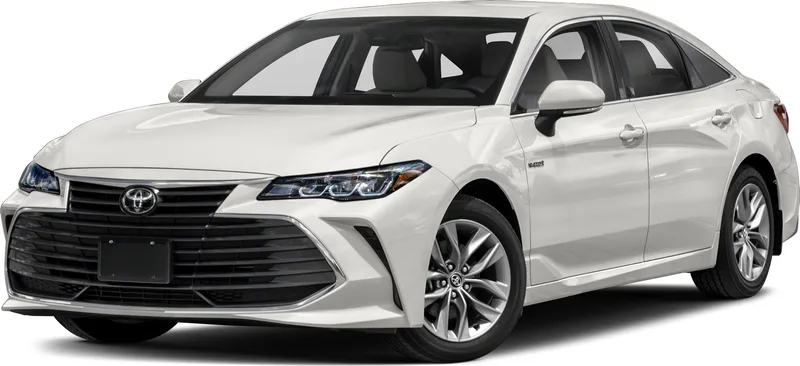
Toyota Avalon
Score: 80/100
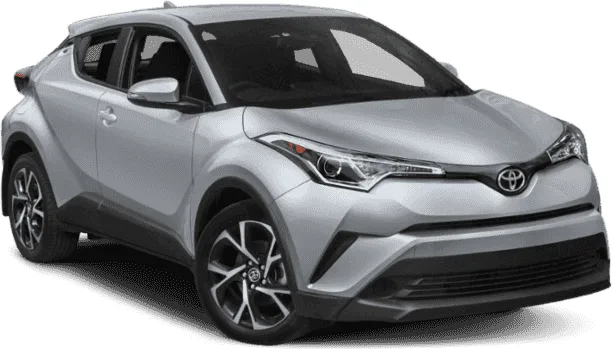
Toyota C-HR
Score: 80/100
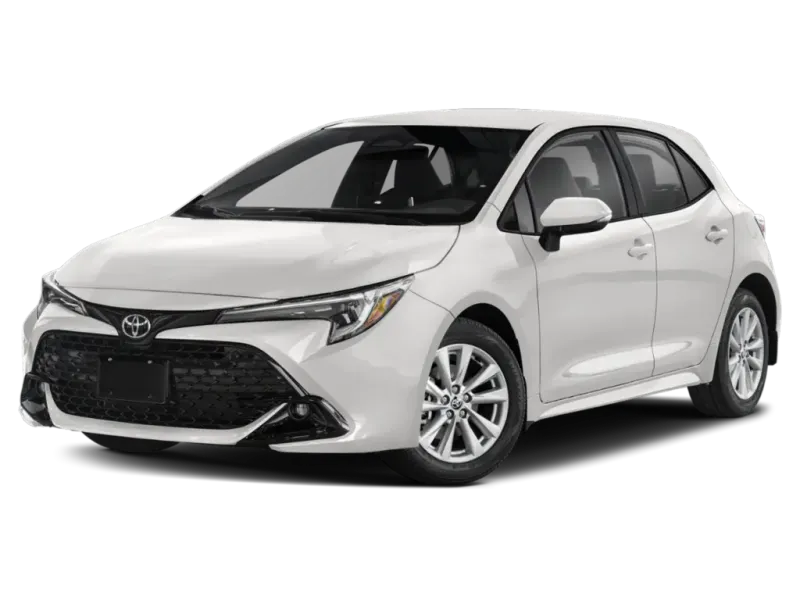
Toyota Corolla
Score: 94/100
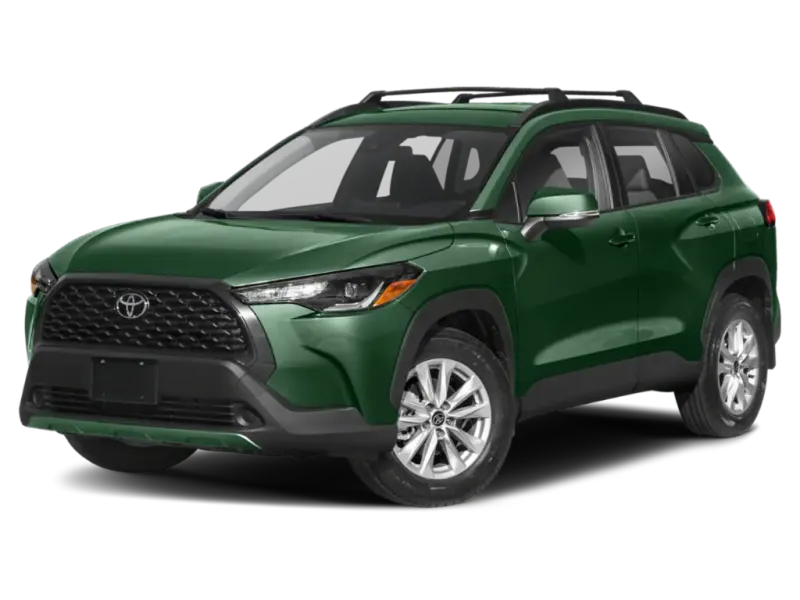
Toyota Corolla Cross
Score: 94/100
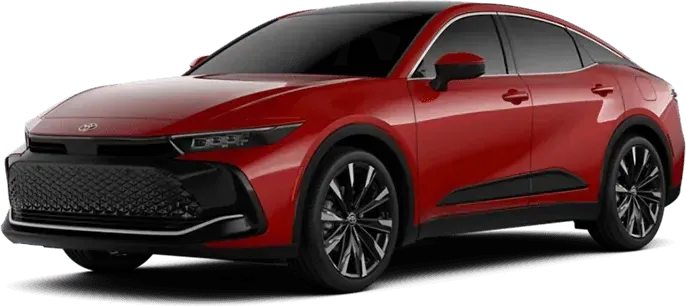
Toyota Crown
Score: 88/100
Browse More 2025 Vehicles
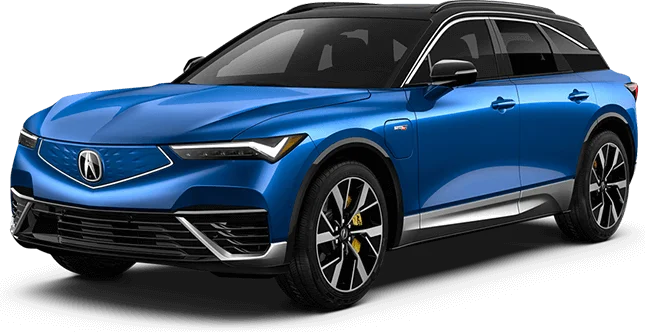
2025 Acura ZDX
Score: 88/100
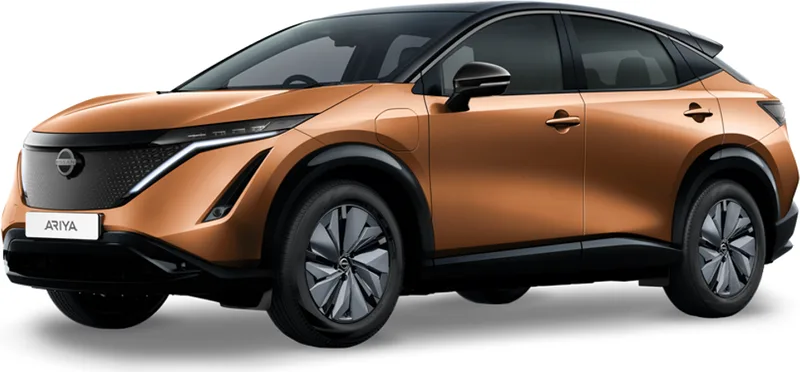
2025 Nissan Ariya
Score: 88/100
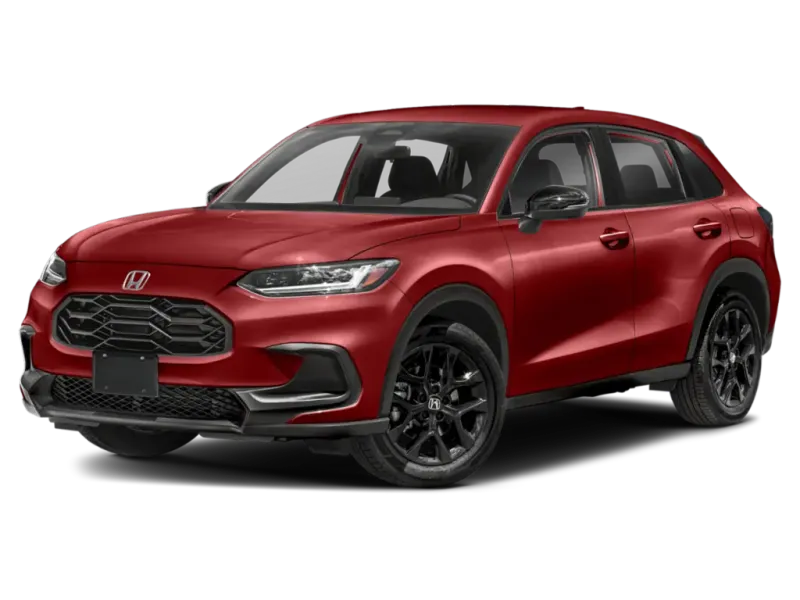
2025 Honda HR-V
Score: 88/100
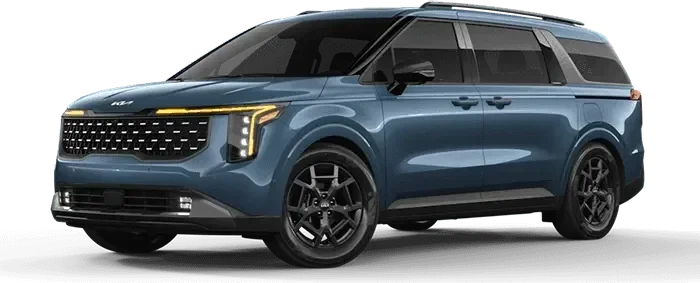
2025 KIA Carnival
Score: 88/100
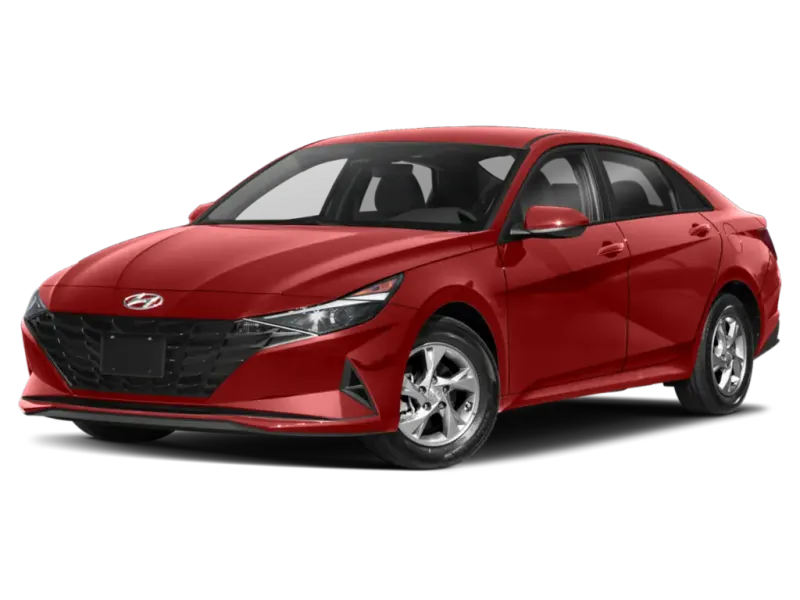
2025 Hyundai Elantra
Score: 87/100
2025 Toyota Corolla Cross
Score: 86/100
See incorrect data? Report an issue