Last updated: 2026-10-10
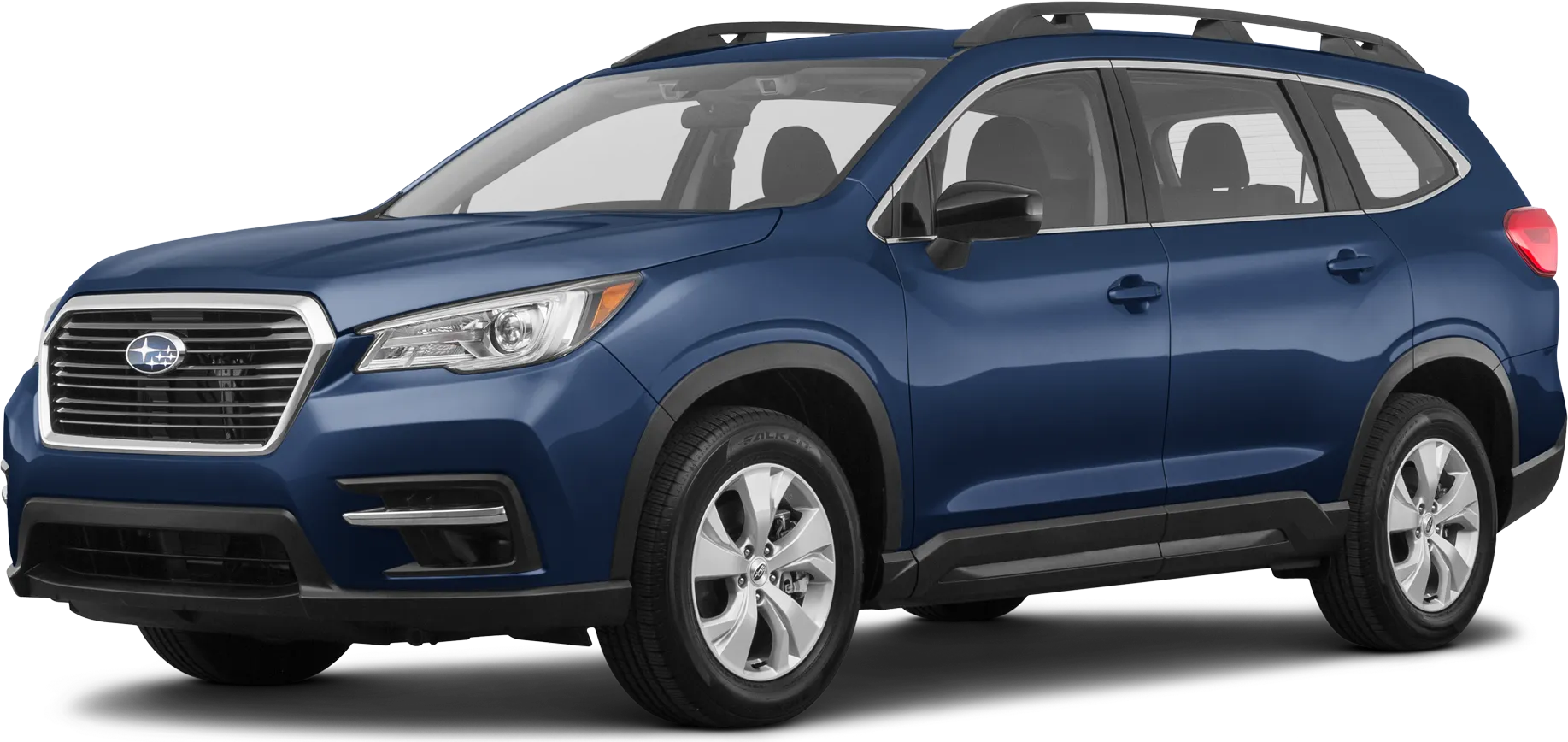
2020 Subaru Ascent Reliability Report
The 2020 Subaru Ascent rates mixed and well below other 2020 SUVs, with early dead batteries and CVT trouble leading owner complaints.
Recalls
4
Complaints
310
Complaint Rate
45.4per 10,000 sold
Est. Repair Cost
N/A
Annual Fuel Cost
$2,600–$2,700
Detailed Score Breakdown
Component-weighted complaints normalized by sales volume
Independent repair cost ratings
Recall count weighted by severity
Breadth of reported problem categories
The Verdict
Better than 2019 on complaints and recalls, but still weak, with early dead batteries, CVT trouble, and windshields that crack on their own.
Top Issues to Watch
- ELECTRICAL SYSTEM (98)
- POWER TRAIN (52)
- VISIBILITY/WIPER (45)
Generation & Refresh (US)
2020 is year 2 of the First generation (WM).
- Redesigned for the 2019 model year.
- A refresh arrives in 2023.
- 1st generation Ascent (US).
What this means for buyers
Year 2 is typically a safer pick than the first model year — early issues are more likely to be identified, but the platform is still new.
If you're comparing prices, check 2019 (redesign year) vs 2020+ pricing and recalls.
2019: First generation (WM) Launch
Generation start — new platform.
2020: This Model Year
2020 is year 2 of the First generation (WM).
2023: Mid-Cycle Refresh
Updated features and styling tweaks.
Should You Buy the 2020 Subaru Ascent?
Mixed is the fair word for this year. Among 2020 SUVs it sits well below average, and it is among the weaker of the seven Ascent years we score. It does beat 2019, which drew more complaints and eight recalls. The federal crash-test rating is 5 of 5 stars, so the case against it is about reliability, not protection.
Dead batteries lead the complaints. Owners describe drains on nearly new cars, repeated jump starts, and dealers who find nothing wrong, mostly under 20,000 miles. The CVT is the costlier worry. It slips, jerks, and loses power on hills, with failures reported from 16,000 to 50,542 miles and replacements that sometimes do not cure it. Windshields also crack with no visible impact, often in the first year. One of the four recalls is a park-outside fire risk recall.
Ask for the recall history and proof that the park-outside recall was done. Ask for battery and transmission service records, and find out whether the windshield is original.
Compared to the 2022 Subaru Ascent, which scored 12 points higher. See also the 2019 Subaru Ascent for an earlier comparison.
Pros
- +5-star NHTSA crash rating
- +Not a first-year model
Cons
- −Below-average reliability score
- −Moderate recall count
- −Above-average complaint rate for SUV
- −ELECTRICAL SYSTEM: Batteries go dead on nearly new cars, often after sitting a few days or with... (98 complaints)
- −1 fire incident reported in owner complaints
- −Safety recall: park-outside advisory issued
Compare 2020 Subaru Ascent With
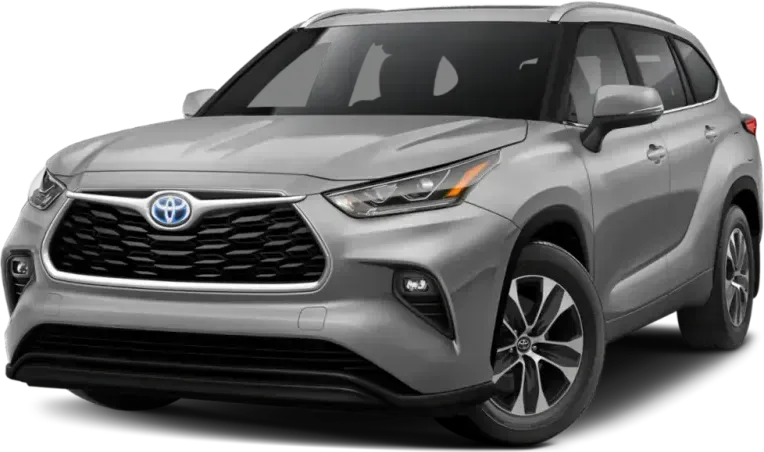
2020 Toyota Highlander
Reliability: 71/100
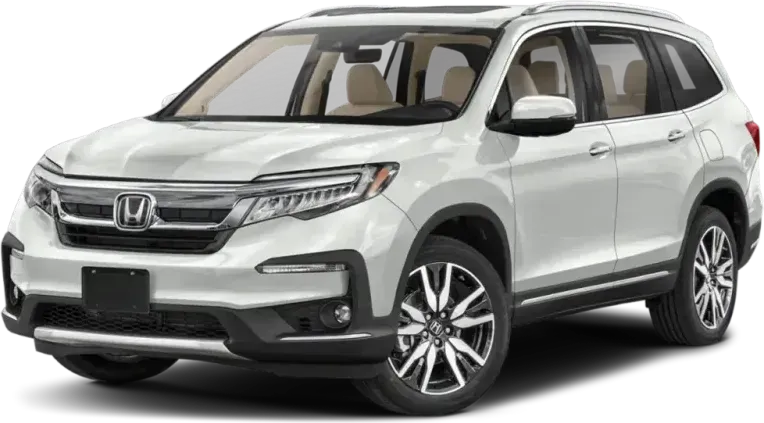
2020 Honda Pilot
Reliability: 60/100

2020 Hyundai Palisade
Reliability: 59/100
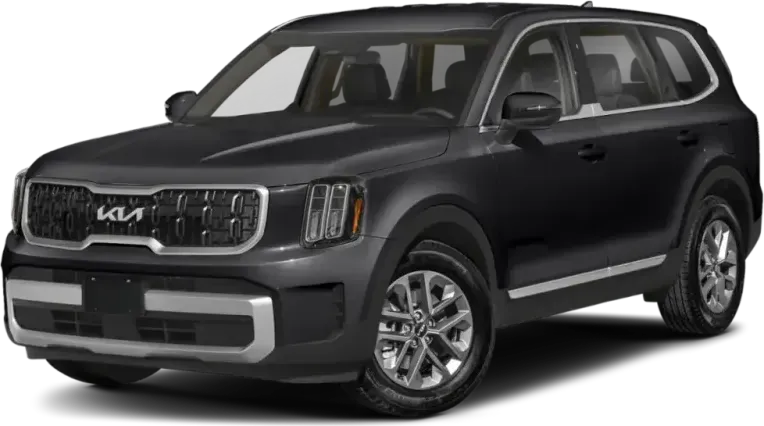
2020 Kia Telluride
Reliability: 55/100
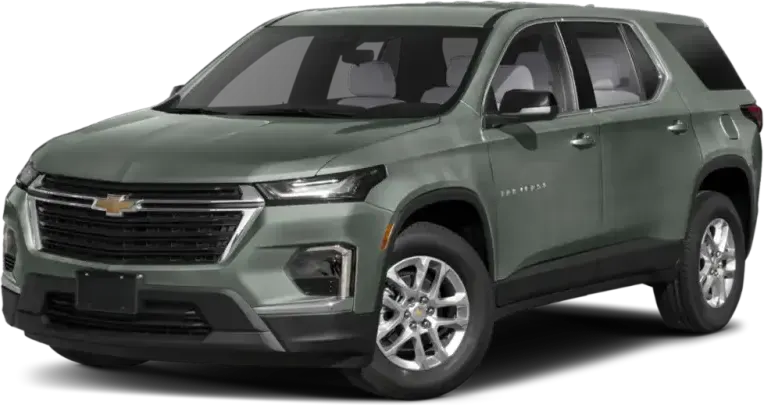
2020 Chevrolet Traverse
Reliability: 62/100
Common Problem Categories
Safety
LOW RISK- 4 manufacturer recalls issued
Other
HIGH RISK- ELECTRICAL SYSTEM (98)
- POWER TRAIN (52)
Recall Overview
4
recalls on record
A moderate 4 recalls are on file for the 2020 Subaru Ascent. Each one points to a specific safety or compliance issue identified by the manufacturer or NHTSA — check the list below before buying.
NHTSA.gov →Complaint Breakdown
45.4
per 10,000 soldSegment avg: 20.2
Safety Incidents
5
Crashes
1
Fires
5
Injuries
0
Deaths
NHTSA 5/5 Stars
Data sourced from NHTSA complaint filings and manufacturer recall notices. Complaint narratives are owner-reported.
2020 Subaru Ascent Recall Details
4 recalls have been issued for the 2020 Subaru Ascent. All recall repairs are performed free of charge at authorized dealerships.
STEERING
Subaru of America, Inc. (Subaru) is recalling certain 2020 Ascent vehicles. Due to an incorrect tapered hole in the housing, the front tie rod ends may not fit properly. The improper fit can result in the tie rods and housings being deformed during assembly and service replacement if excessive torque is applied.
Consequence
The tie rods may separate from the housing, causing a loss of steering control and increasing the risk of a crash.
Remedy
Dealers will replace the left and right front tie rod ends and housings, free of charge. Owner notification letters were mailed February 7, 2022. Owners may contact Subaru customer service at 1-844-373-6614. Subaru's number for this recall is WRL-21.
ELECTRICAL SYSTEM
Subaru of America, Inc. (Subaru) is recalling certain 2019-2022 Ascent vehicles. The ground bolt that secures the ground terminal of the Positive Temperature Coefficient (PTC) heater may have been improperly fastened, which could result in melting of the ground terminal and surrounding components.
Consequence
A melting ground terminal increases the risk of a fire.
Remedy
Owners are advised to park their vehicle away from structures and to avoid leaving the vehicle unattended while the engine is running. An owner who notices or smells smoke coming from the dash or driver's footwell area should immediately stop operating the vehicle and turn the ignition switch to the "Off" position. Dealers will replace the PTC heater ground bolts and if necessary, replace the ground wire and the connector holder, free of charge. Owner notification letters are expected to be mailed February 6, 2023. Owners may contact Subaru's customer service at 1-844-373-6614. Subaru's number for this recall is WRL-22.
POWER TRAIN
Subaru of America, Inc. (Subaru) is recalling certain 2019-2020 Ascent, 2020 Legacy and Outback vehicles. A programming error in the Transmission Control Unit (TCU) may allow the clutch to engage before the drive chain is completely clamped.
Consequence
An improperly secured drive chain may slip and break, causing a loss of drive power and increasing the risk of a crash.
Remedy
Dealers will reprogram the TCU, inspect TCU data for chain slip, and visually inspect the chain guide. If evidence of chain slippage or damage is found, the transmission will be replaced. Repairs will be performed free of charge. Owner notification letters were mailed August 19, 2022. This recall includes all vehicles previously recalled under 19V-855. Vehicles previously recalled under 19V-855 will need to have the new remedy performed for this recall once available. Owners may contact Subaru customer service at 1-844-373-6614. Subaru's number for this recall is WRK-21.
Buying a used 2020 Subaru Ascent? Check its history first
Electrical system problems lead owner complaints about the 2020 Subaru Ascent, and 4 recalls were issued for it. A VIN check shows whether this car's recall work was done, plus accident, title, and odometer history.
- Accidents
- Open Recalls
- Title History
- Odometer Rollback
2020 Subaru Ascent NHTSA Safety Ratings
Overall Safety Rating
Crash Test Results by Configuration (expand)
Gas Powertrain
Rollover risk: 17.0%
Safety Technologies
Subaru AscentRepair Costs & Maintenance
Maintenance Rating
3Maintenance rating: 3 out of 5Based on NHTSA complaint patterns, recall severity, and publicly available cost benchmarks.
Category-level averages derived from publicly available industry reports (AAA, CarMD). Model-level estimates produced by Auto Reliability Index.
Subaru Ascent Resale Value
The Subaru Ascent is estimated to retain about 99.1% of its original value after 1 year, based on observed used-car listings.
This benchmark covers the Subaru Ascent model overall and is not specific to the 2020 model year.
- Value Retained
- 99.1%
- Depreciation
- 0.9%
- Listings Analyzed
- 18
after 1 year
over the same period
U.S. used-car listings
Listings observed in . This is a historical market benchmark, not a current price quote.
Explore Subaru Ascent depreciation and resale value on CarResaleValue.com2020 Subaru Ascent Example Repair Prices
National average price ranges for common repairs. These are not model-year-specific failure predictions.
| Repair | Estimated Cost |
|---|---|
| Engine Oil Light Diagnosis | $122 – $179 |
| No Start Diagnosis | $122 – $179 |
| Pre-Purchase Car Inspection | $183 – $269 |
| Tire Pressure Monitoring System Relearn | $49 – $72 |
| Battery Test | $49 – $72 |
| Battery Cable Battery Terminal End Service | $37 – $54 |
| Brake System Inspect | $122 – $179 |
| Emission Control System Inspect | $61 – $90 |
| Electrical System Diagnosis | $122 – $179 |
| Powertrain Control System Diagnosis & Testing | $61 – $90 |
Estimates based on national average repair costs. Actual costs may vary by location and shop.
MPG & Annual Running Costs
Gas
22–23 MPG
Fuel cost: $2,600–$2,700/yr
Fuel only
20–21 city / 26–27 hwy MPG
Based on EPA fuel-cost estimates. Excludes routine maintenance, depreciation, and insurance. Data as of 2020 EPA label cycle.
Gas trims
| Trim | Drive | Trans. | City | Hwy | Comb | Fuel Cost |
|---|---|---|---|---|---|---|
| Ascent 2.4L 4-cyl | All-Wheel Drive | Automatic (AV-S8) | 21 | 27 | 23 | $2,600 |
| Ascent Limited/Touring 2.4L 4-cyl | All-Wheel Drive | Automatic (AV-S8) | 20 | 26 | 22 | $2,700 |
Used Buying Checklist
Key things to inspect or verify before purchasing a 2020 Subaru Ascent.
Ask for battery replacement history and confirm the car starts cleanly after sitting overnight with the radio working.
Pull service records for transmission replacement or reprogramming, and ask why each visit happened.
Accelerate gently from 20 to 65 mph and feel for slipping, RPM flares, hesitation, or lurching.
Brake firmly from highway speed and on a downhill; reject the car if the steering wheel shudders or brakes grind.
Inspect the windshield's lower edges and corners for chips or cracks, and confirm EyeSight works after any glass replacement.
Drive over bumps and potholes with the radio off and listen for clunking from the front struts.
Watch the hood at 50 to 65 mph for wobbling or lifting at the edges.
Press on carpets and seats for dampness and sniff for mold or gasoline odor at idle.
2020 Subaru Ascent Common Problems by Component
310 owner complaints grouped by vehicle system.
ELECTRICAL SYSTEM
98 complaintsSafety-relatedBatteries go dead on nearly new cars, often after sitting a few days or with the tailgate left open. Owners describe repeated jump starts, batteries replaced more than once, and dealers who find nothing wrong. Reports start as early as 400 miles, and most come in under 20,000. The radio often cuts out or resets before a drain, and dash lights may flash. Some cars blow the main fuse or burn a wiring harness, including while towing. One car stalled at 35 mph, and one fire report describes smoke and a burning plastic smell from the floorboard.
POWER TRAIN
52 complaintsThe CVT slips, hesitates, or jerks, with RPM flares and lurches between roughly 20 and 65 mph. Some cars lose power on hills or while merging. More severe cases end with a loud noise, warning lights, EyeSight disabled, no gear engaging, and a tow. Transmissions are replaced under warranty, sometimes more than once, and symptoms can return afterward. Reported failures range from 16,000 to 50,542 miles. Owners say reprogramming often does not help. One CVT fluid leak damaged wiring and the engine computer, with a quoted repair over $9,400.
VISIBILITY/WIPER
45 complaintsWindshields crack with no visible impact, either while driving at highway speed or while parked in a driveway or garage. Cracks often start at the lower edge or a corner and spread across the glass within minutes or hours. Most reports come in the first year, at well under 10,000 miles, and some owners replace the glass twice. A few describe heavy pitting and small chips that distract the driver. Dealers often decline warranty coverage, so owners pay through insurance.
UNKNOWN OR OTHER (42 complaints)
UNKNOWN OR OTHER
42 complaintsSpontaneous windshield cracks make up most of these reports, appearing on parked or moving cars with no sign of impact and growing over days. The rest repeat problems seen elsewhere: batteries draining overnight, transmission slipping with a delayed jolt and hesitation on acceleration, and a hood that shakes and lifts at speed. One owner reports a dash clicking noise with the AC on that the dealer could not fix after two weeks. Several complaints involve frustration over slow recall communication or open recalls not disclosed at purchase.
SERVICE BRAKES (16 complaints)
SERVICE BRAKES
16 complaintsFront brakes shudder and grind, with vibration felt through the steering wheel, worst at highway speed or going downhill. Dealers diagnose warped rotors and resurface or replace rotors and pads, but the problem keeps returning. Onset is typically between 6,000 and 20,000 miles, with repeat repairs reported at 36,000 and 49,000 miles, the last costing $610 once out of warranty. Some cars go through a third set of rotors. A separate complaint describes the parking brake engaging on its own.
VISIBILITY (10 complaints)
VISIBILITY
10 complaintsWindshields crack without warning or impact, often with an audible crack while driving at 40 to 65 mph or overnight while parked. Cracks start at the lower edge, center, or near the mirror and can grow about 24 inches within days. Reported mileage spans 1,000 to 60,000, with many around 20,000 to 29,200. Dealers often blame a rock, deny warranty coverage, or refer owners to glass shops. One report describes tiny dots across the glass blocking the view.
STRUCTURE (9 complaints)
STRUCTURE
9 complaintsThe hood vibrates, flexes, and lifts at 50 to 65 mph or in gusty winds, and dealers call it normal. Glass is the other theme: sudden windshield cracks and a cracked sunroof with no chip, with windshield replacement plus EyeSight recalibration quoted over $1,000. Other reports include a power liftgate that locks out with an alarm until the battery is disconnected, water leaks causing mold on seats and carpets, and rust on metal window trim within months.
ENGINE (9 complaints)
ENGINE
9 complaintsSafety-relatedProblems here vary widely. One crash report describes the car surging forward in a driveway with no response from the brakes. Other reports include a PCV valve failure that destroyed the engine at highway speed, engine sludge requiring replacement at 82,000 miles, and an alternator failure that killed power steering and stalled the car in traffic. A serpentine belt shredded at 1,289 miles and caused overheating. Owners also describe a persistent gasoline smell at idle and jerking with high RPM but no acceleration.
SUSPENSION (7 complaints)
SUSPENSION
7 complaintsFront struts fail, causing rattling, clunking, or rumbling over bumps, potholes, and dirt roads, with no warning lights. Failures cluster between 43,000 and 64,000 miles, and some cars lose both front struts within a short span. One dealer quoted $1344 for a single strut assembly, and owners report a national back order on parts. A dealer cited corrosion on failed struts. One brand-new car showed front clunking from the start.
AIR BAGS (4 complaints)
AIR BAGS
4 complaintsSafety-relatedAirbags fail to deploy in serious crashes. All 4 reports involve crashes, with 5 injuries, including head injuries and whiplash. The impacts include hitting a building, a cow at 55 mph, a truck, and a multi-vehicle pileup. One crash report also describes sudden unwanted acceleration, brakes that did not stop the car, no automatic emergency braking, and a seatbelt that did not lock. Another owner does not recall any collision warning or automatic braking before impact.
When Do 2020 Subaru Ascent Problems Start?
Based on owner complaint patterns, here's when common issues tend to appear.
Best & Worst Subaru Ascent Years
Best Subaru Ascent Years to Buy
Based on reliability index scoreSubaru Ascent Years to Avoid
Subaru Ascent Reliability Score Trend
Scores 0–100. Higher is better. Current year highlighted.
| Year | Score | Rating |
|---|---|---|
| 2019 | 55/100 | Mixed |
| 2020 | 58/100 | Mixed |
| 2022 | 70/100 | Good |
| 2023 | 71/100 | Good |
| 2024 | 76/100 | Good |
| 2025 | 76/100 | Good |
| 2026 | 76/100 | Good |
Subaru Ascent Reliability Compared to Other Years
Frequently Asked Questions
Is the 2020 Subaru Ascent reliable?
What are the most common problems with the 2020 Subaru Ascent?
Does the 2020 Subaru Ascent have battery problems?
Does the 2020 Subaru Ascent have transmission problems?
How many recalls does the 2020 Subaru Ascent have?
Don’t buy a 2020 Subaru Ascent without checking its VIN first — hidden accidents, title issues, and open recalls could cost you thousands.
How we score the 2020 Subaru Ascent
Of the four inputs behind this score, the 2020 Subaru Ascent does best on how many systems draw complaints (74/100) and worst on complaint severity (46/100). Scores weight complaint severity at 35%, repair costs at 30%, recall impact at 20%, and the spread of complaints across systems at 15%, with complaint counts adjusted for US sales. Read the full methodology.
Get notified when new recalls or reliability data is added for the Subaru Ascent.
No spam. Only data updates for this model.
Browse More Subaru Models
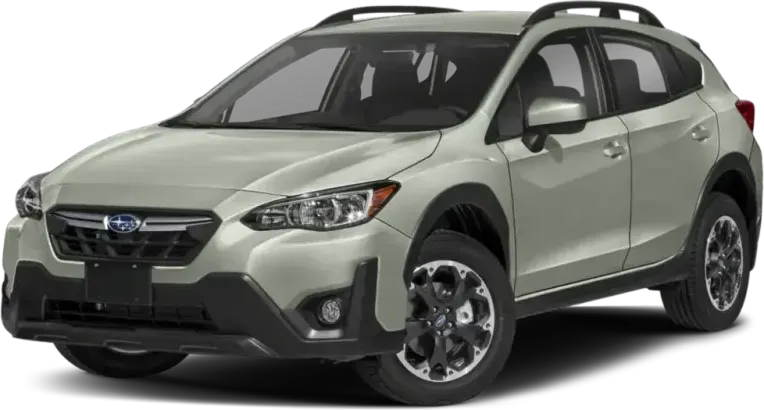
Subaru Crosstrek
Score: 94/100
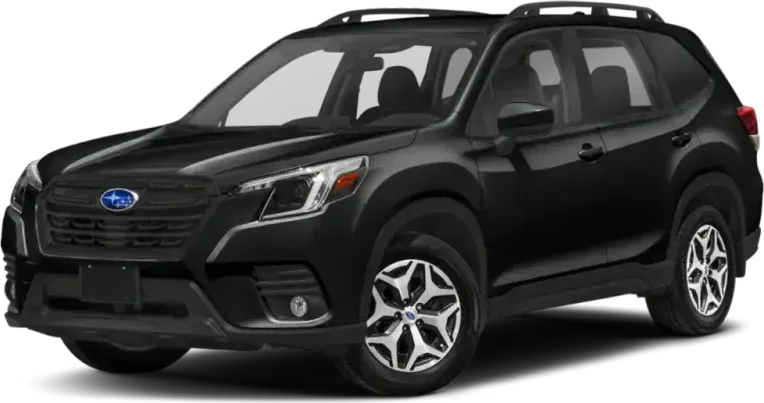
Subaru Forester
Score: 77/100
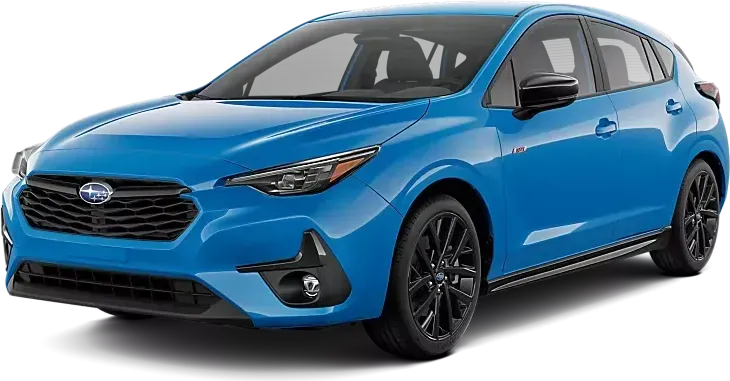
Subaru Impreza
Score: 81/100
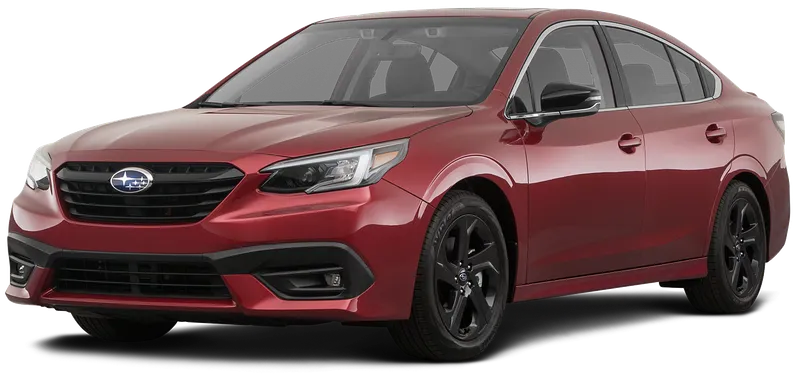
Subaru Legacy
Score: 80/100
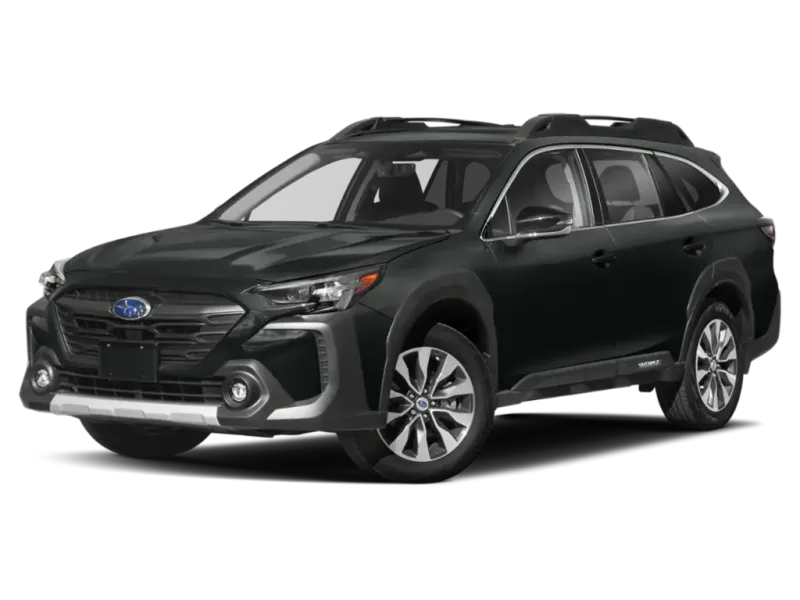
Subaru Outback
Score: 82/100
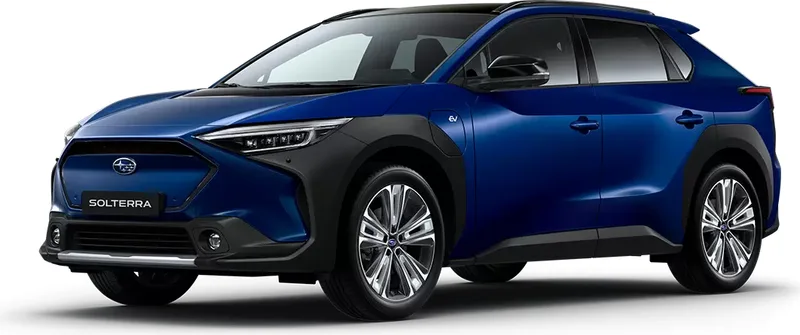
Subaru Solterra
Score: 74/100
Browse More 2020 Vehicles
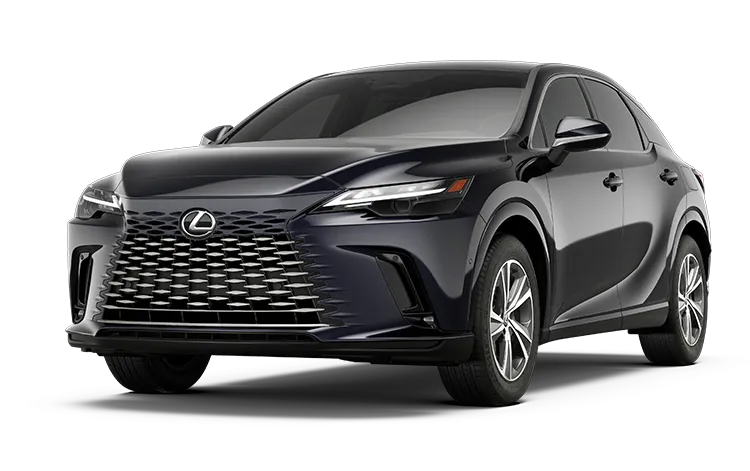
2020 Lexus RX
Score: 86/100

2020 Mazda CX-5
Score: 86/100
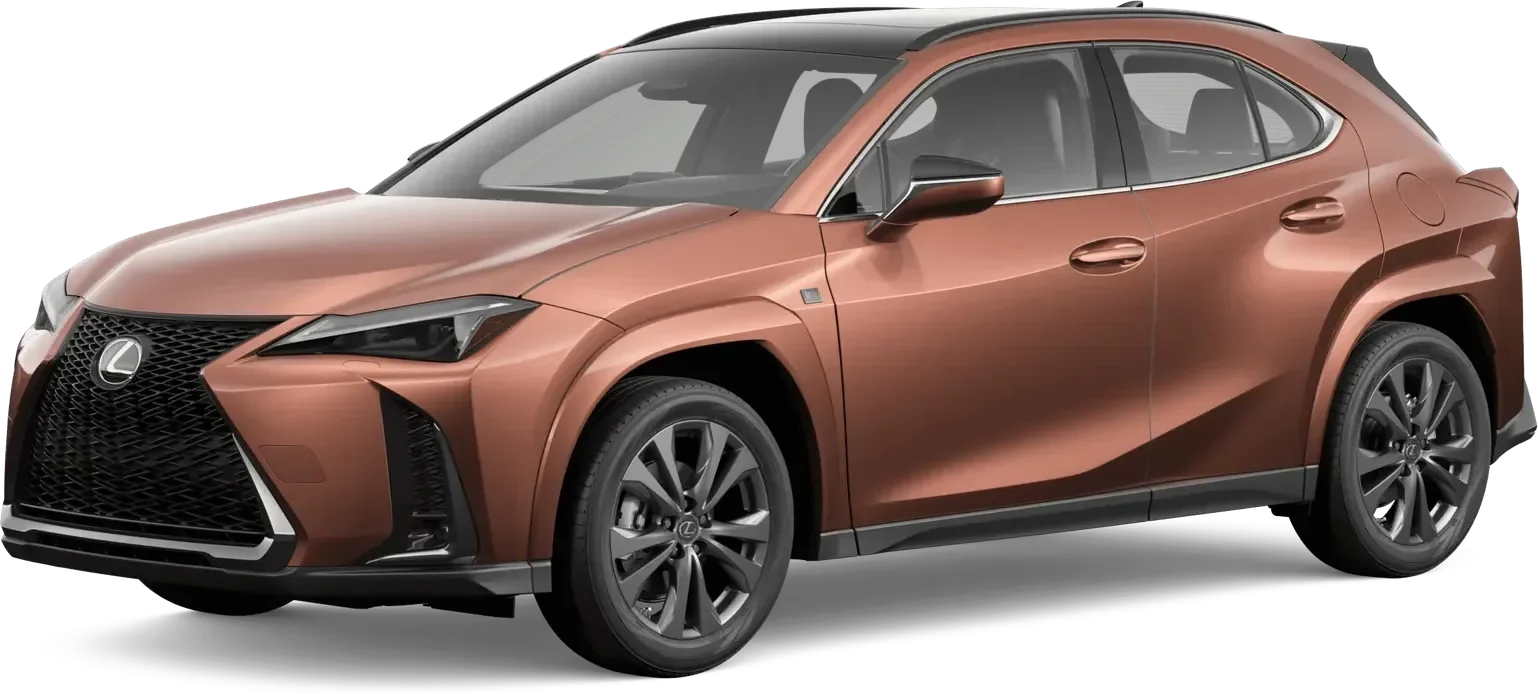
2020 Lexus UX
Score: 84/100
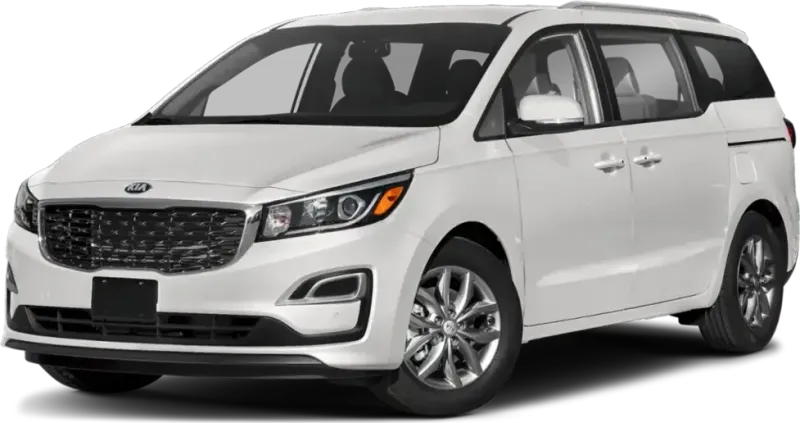
2020 Kia Sedona
Score: 83/100
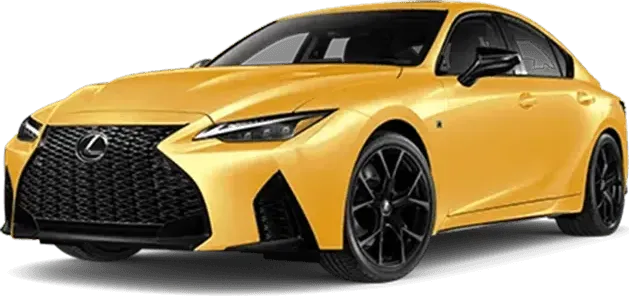
2020 Lexus IS
Score: 83/100
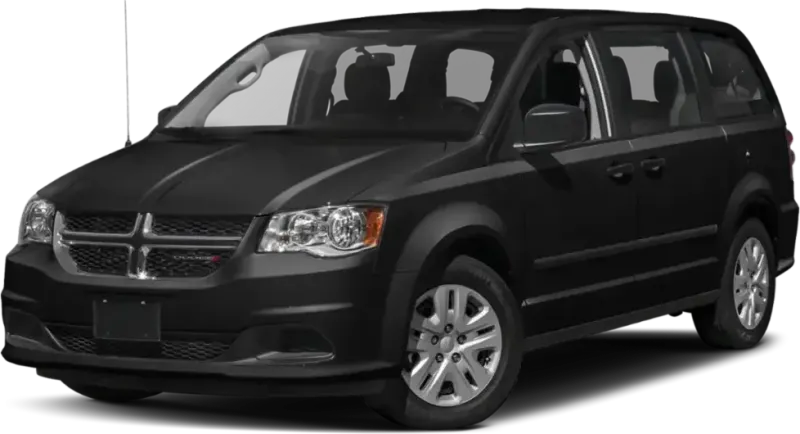
2020 Dodge Grand Caravan
Score: 83/100
See incorrect data? Report an issue