Last updated: 2026-10-10
Kia Telluride vs Toyota Venza: Reliability Compared
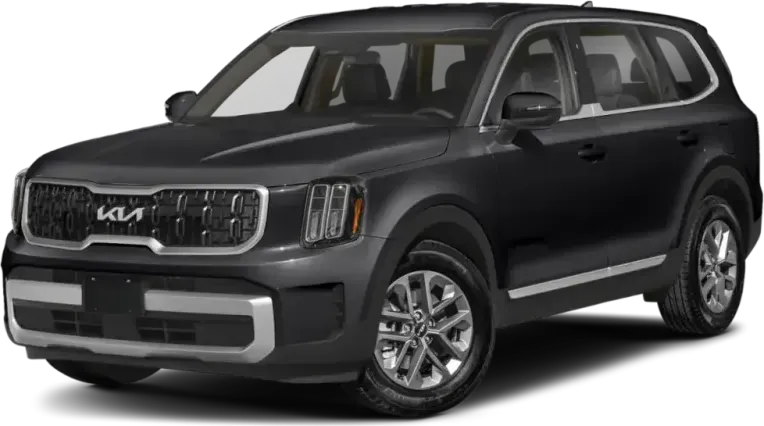
Kia Telluride
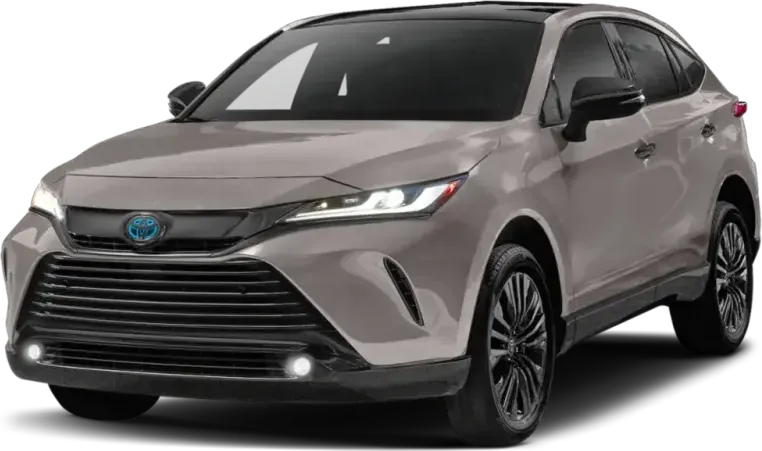
Toyota Venza
The Toyota Venza is clearly more reliable than the KIA Telluride, with far fewer owner complaints and lower yearly repair costs. The Telluride still rates good, but owners report engine failures, blank instrument clusters, and rollaway in Park. The Venza's reported problems are minor by comparison.
How Do the Kia Telluride and Toyota Venza Generations Compare?
Verdict
The Toyota Venza is more reliable than the Kia Telluride, scoring 80/100 vs 66/100.
On reliability, the Venza wins by a large margin. Owners filed 9 complaints about it, against 1,600 for the Telluride, and the Venza costs less to repair each year. Its two problem areas are minor next to the Telluride's list, which includes oil-burning engines, blank instrument clusters, and cracking windshields. The Telluride still holds a good standing, so it is not a bad buy. It is a riskier one, and its problems are more serious.
Key Differences
- 1Toyota Venza costs $129 less per year to repair
- 2Toyota Venza has 23.1 fewer complaints per 10k sold
- 3Toyota Venza has 22 fewer total recalls
Category Scoreboard
Kia Telluride vs Toyota Venza: Which Is More Reliable?
| Metric | Kia Telluride | Toyota Venza |
|---|---|---|
| Reliability Score | 66/100 | 80/100 |
| Years Tracked | 6 | 4 |
| Total Recalls | 27 | 5 |
| Complaints per 10k Sold | 23.3 | 0.2 |
| Annual Repair Cost | $573/yr | $444/yr |
| Repair Frequency | 0.4/yr | 0.5/yr |
| Safety RatingNHTSA overall | 2025 NHTSA | 2024 NHTSA |
| Frontal | ||
| Side | ||
| Rollover | ||
| Year Wins | 0 | 4 |
What Are the Common Problems With the Kia Telluride and Toyota Venza?
Safety-related failures are far more common on the Telluride. Windshields crack from tiny pebbles or with no impact. The instrument cluster goes blank while driving. Engines burn oil, and some fail with no low-oil warning. In Park, some SUVs roll backward or lurch forward. Crash-linked reports appear in three areas: power train (5), electrical (3), and exterior lighting (1). Venza complaints are far fewer and milder. Low beams show dark shadows, and the fuel tank takes less than its rated 14.5 gallons while the gauge misleads. None of the Venza's problem areas carry a crash link.
| Component | Kia Telluride | Toyota Venza |
|---|---|---|
| UNKNOWN OR OTHER | 4.4Average | —None |
| VISIBILITY/WIPER | 4.2Average | —None |
| ELECTRICAL SYSTEM | 2.8Low | —None |
| EXTERIOR LIGHTING | 2.5Low | —None |
| ENGINE | 1.9Low | —None |
| POWER TRAIN | 1.7Low | —None |
| STRUCTURE | 1.6Low | —None |
| VISIBILITY | 0.7Very Low | —None |
| SUSPENSION | 0.6Very Low | —None |
| SERVICE BRAKES | 0.3Very Low | —None |
| VEHICLE SPEED CONTROL | 0.2Very Low | —None |
| AIR BAGS | 0.1Very Low | —None |
| FORWARD COLLISION AVOIDANCE | 0.1Very Low | —None |
| STEERING | 0.1Very Low | —None |
| SEAT BELTS | 0.1Very Low | —None |
| SEATS | —None | —None |
| FUEL/PROPULSION SYSTEM | —None | —None |
Complaints per 10,000 units sold, aggregated across all tracked model years from NHTSA owner reports.
Which Is Cheaper to Maintain: Kia Telluride or Toyota Venza?
How Does Kia Telluride vs Toyota Venza Reliability Compare by Year?
| Year | Kia Telluride | Toyota Venza | Edge |
|---|---|---|---|
| 2024 | 69/1004R / 180C | 80/1002R / 0C | Toyota Venza |
| 2023 | 68/1005R / 161C | 80/1002R / 0C | Toyota Venza |
| 2022 | 63/1006R / 280C | 80/1000R / 2C | Toyota Venza |
| 2021 | 63/1004R / 280C | 79/1001R / 7C | Toyota Venza |
Best years to cross-shop: The 2024 Kia Telluride scored 69/100 and the 2024 Toyota Venza scored 80/100 — the strongest shared model years that have been on the road for at least two years, where available.
Who Should Buy the Kia Telluride vs the Toyota Venza?
Kia Telluride vs Toyota Venza: Common Questions
- Is the KIA Telluride more reliable than the Toyota Venza?
- No. The Venza is clearly more reliable. It has 9 owner complaints, or 0.2 per 10,000 sold, while the Telluride has 1,600, or 23.3 per 10,000. The Telluride still has a good standing, but the Venza's is excellent and its problems are milder.
- Which has more recalls, the Telluride or the Venza?
- The Telluride has more. Federal recall records show 27 recalls across its 6 model years, against 5 across the Venza's 4 model years. The Telluride has also been sold for more years, which gives recalls more time to add up.
- Which costs less to repair?
- The Venza costs less. Independent repair-cost data puts it at about $444 a year, against $573 for the Telluride. Over five years that is roughly $645 saved. The Telluride makes slightly fewer unscheduled shop visits, at 0.4 a year against 0.5.
- What are the most common Telluride problems?
- Windshield cracking leads, with 288 complaints. Owners say glass breaks from small pebbles or with no visible impact, sometimes within the first few thousand miles. Next come electrical faults, such as a blank instrument cluster, then headlight problems, oil-burning engines, and power train faults including rollaway in Park.
- Does the Venza have any fuel tank problems?
- A few owners say so. Two complaints describe a tank that takes less than its rated 14.5 gallons, with a gauge that misreads after fueling. One owner reports about 11 gallons when the gauge showed empty. A dealer called it normal reserve, so expect somewhat shorter range.
Related Reliability Comparisons
More Kia Telluride comparisons
Decided between Kia Telluride and Toyota Venza? Run a VIN check before you buy — uncover hidden accidents, title issues, and open recalls.
How we score the Kia Telluride and Toyota Venza
Scores weight complaint severity at 35%, repair costs at 30%, recall impact at 20%, and the spread of complaints across systems at 15%, with complaint counts adjusted for US sales. Read the full methodology.
See incorrect data? Report an issue