Last updated: 2026-11-19
Reliability score
Good · best of 3 scored Optima years
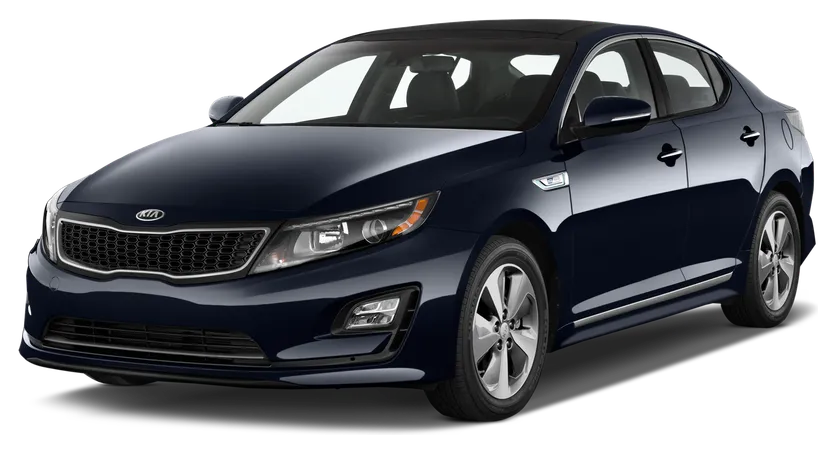
2020 Kia Optima Reliability Report
The 2020 Kia Optima has good reliability and no recalls, but engine failure with code P1326 and heavy oil burning are the main risks.
Recalls
0
Complaints
153
Complaint Rate
31.6per 10,000 sold
Est. Repair Cost
$471
Annual Fuel Cost
$2,000–2,550
Detailed Score Breakdown
Component-weighted complaints normalized by sales volume
Independent repair cost ratings
Recall count weighted by severity
Breadth of reported problem categories
The verdict
Consider
Final year of the fourth generation, with the best standing of the three scored Optima years and no recalls, though engine oil burning and failure still dominate complaints.
Top issues to watch
Looking at a used 2020 Kia Optima? Check that exact car
A VIN check shows the accident, title and odometer history of the car you found, and any open recalls.
Generation & Refresh (US)
2020 is the last model year of the Fourth generation (JF).
- Final-year models are typically the most refined version of a generation.
- 2 years after the last refresh (2018).
- 4th generation Optima (US).
What this means for buyers
Final-year models are usually the most polished version of a generation, but resale value may dip as buyers anticipate the next redesign.
2016: Fourth generation (JF) Launch
Generation start — new platform.
2018: Mid-Cycle Refresh
Updated features and styling tweaks.
2020: This Model Year
2020 is the last model year of the Fourth generation (JF).
Should You Buy the 2020 Kia Optima?
Good reliability, close to average for 2020 sedans, and the best of the three scored Optima years. Federal recall records show no recalls for this year, and the crash-test rating is 5 of 5 stars. Repair costs for the model run below its class. The 2019 car rates about the same, so this year has no clear edge over its neighbor.
The engine is the weak spot. Owners report sudden power loss, a flashing check engine light, code P1326 and limp mode, sometimes at highway speed. Heavy oil burning often comes first, starting around 60,000 miles, along with knocking or ticking. Engine replacement quotes top $10000. Some owners also describe the dual clutch transmission shuddering at low speeds. Theft without a key shows up in the electrical complaints.
Ask for service records that show oil consumption checks and any knock sensor or engine work. Check how much powertrain warranty remains, since second owners say the shorter coverage left them paying. Compare a 2019 car on the same records.
See also the 2019 Kia Optima for an earlier comparison.
Pros
- Acceptable reliability score
- $55 cheaper to maintain than avg midsize cars
- Infrequent unscheduled repairs
- Low major repair risk12%
Cons
- Above-average complaint rate for Sedan
- ENGINE complaints dominate59%
- EngineSudden power loss and engine failure dominate these reports90 complaints
Compare 2020 Kia Optima With
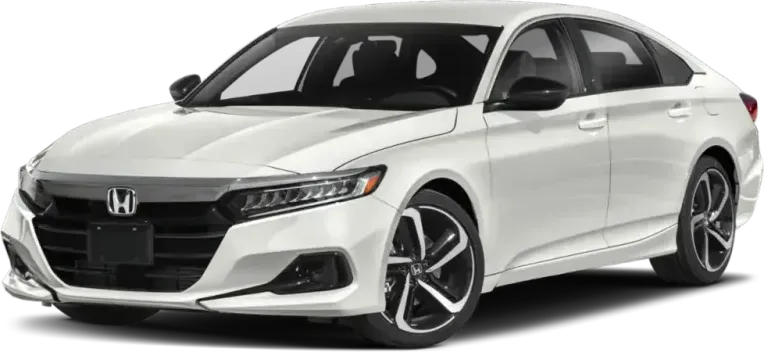
2020 Honda Accord
Reliability: 71/100
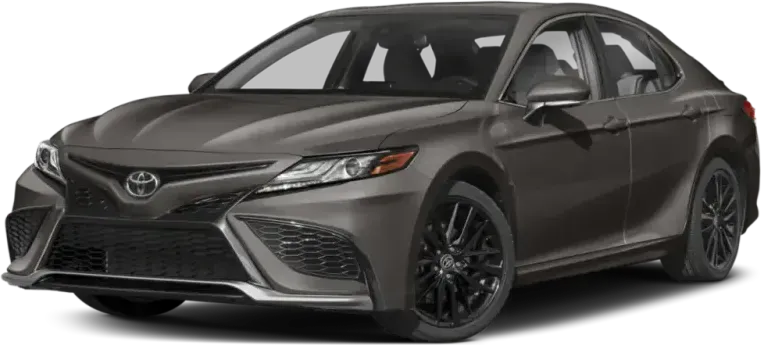
2020 Toyota Camry
Reliability: 75/100
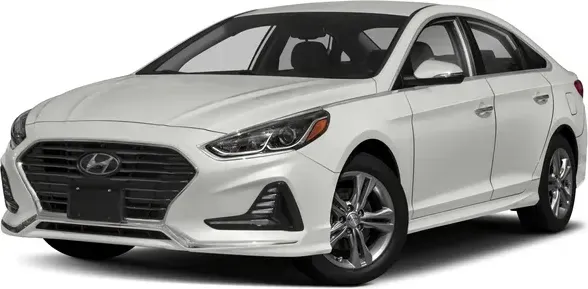
2020 Hyundai Sonata
Reliability: 67/100
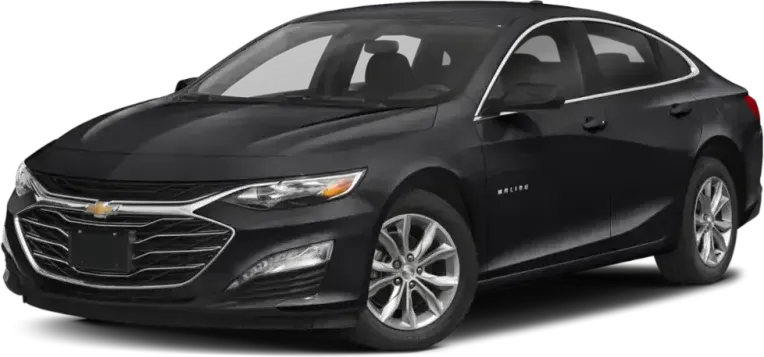
2020 Chevrolet Malibu
Reliability: 73/100

2020 Nissan Altima
Reliability: 71/100
Top 2020 Kia Optima Problems
The problem areas with the most owner complaints for this model year, out of 153 filed with NHTSA.
- EngineEngine & powertrain9864% of complaintsOptima engine problems, all years →
- ElectricalElectrical & lighting117% of complaintsSee owner reports below →
- TransmissionEngine & powertrain96% of complaintsSee owner reports below →
- AirbagsAirbags & seat belts75% of complaintsSee owner reports below →
- BrakesBrakes, steering & tires64% of complaintsSee owner reports below →
- Fuel systemEngine & powertrain64% of complaintsSee owner reports below →
Recall Overview
0
recalls on record
No recalls are on record for the 2020 Kia Optima — uncommon, and a strong signal of manufacturing quality.
NHTSA.gov →Complaint Breakdown
31.6
per 10,000 soldSegment avg: 16.8
Safety Incidents
6
Crashes
3
Fires
5
Injuries
0
Deaths
NHTSA 5/5 Stars
Data sourced from NHTSA complaint filings and manufacturer recall notices. Complaint narratives are owner-reported.
Buying a used 2020 Kia Optima? Check its history first
Engine problems lead owner complaints about the 2020 Kia Optima, and 0 recalls were issued for it. A VIN check shows whether this car's recall work was done, plus accident, title, and odometer history.
- Accidents
- Open Recalls
- Title History
- Odometer Rollback
2020 Kia Optima NHTSA Safety Ratings
Overall Safety Rating
Crash Test Results by Configuration (expand)
Gas Powertrain
Rollover risk: 9.8%
Safety Technologies
Kia Optima Repair Costs & Maintenance
Maintenance Rating
4Maintenance rating: 4 out of 5Based on NHTSA complaint patterns, recall severity, and publicly available cost benchmarks.
Est. Annual Maintenance
$471
vs $526 avg for midsize cars
vs $652 avg for all vehicles
Repair Frequency
0.2
unscheduled repair visits per year
Severe Repair Probability
12%
chance of a major repair
Annual Cost Comparison
Category-level averages derived from publicly available industry reports (AAA, CarMD). Model-level estimates produced by Auto Reliability Index.
Kia Optima Resale Value
The Kia Optima is estimated to retain about 55.1% of its original value after 5 years, based on observed used-car listings.
This benchmark covers the Kia Optima model overall and is not specific to the 2020 model year.
- Value Retained
- 55.1%
- Depreciation
- 44.9%
- Listings Analyzed
- 290
after 5 years
over the same period
U.S. used-car listings
Listings observed in . This is a historical market benchmark, not a current price quote.
Explore Kia Optima depreciation and resale value on CarResaleValue.comMPG & Annual Running Costs
Gas
24–31 MPG
Running cost: $2,450–$3,000/yr
Fuel + repair
21–27 city / 30–37 hwy MPG
Plug-in Hybrid
41–42 MPG
Running cost: $1,900–$1,950/yr
Fuel + repair
39–40 city / 44–45 hwy MPG
Running cost includes EPA fuel-cost estimate and independent repair-cost data (repair cost estimated at model level). Excludes routine maintenance, depreciation, and insurance. Data as of 2020 EPA label cycle.
Gas trims
| Trim | Drive | Trans. | City | Hwy | Comb | Fuel Cost |
|---|---|---|---|---|---|---|
| Optima 1.6L 4-cyl | Front-Wheel Drive | Automatic (AM7) | 27 | 37 | 31 | $2,000 |
| Optima FE 2.4L 4-cyl | Front-Wheel Drive | Automatic (S6) | 25 | 35 | 29 | $2,100 |
| Optima 2.4L 4-cyl | Front-Wheel Drive | Automatic (S6) | 24 | 32 | 27 | $2,300 |
| Optima 2.0L 4-cyl | Front-Wheel Drive | Automatic (S6) | 21 | 30 | 24 | $2,550 |
Plug-in Hybrid trims
| Trim | Drive | Trans. | City | Hwy | Comb | Fuel Cost |
|---|---|---|---|---|---|---|
| Optima Plug-in Hybrid 2.0L 4-cyl | Front-Wheel Drive | Automatic (AM6) | 39 | 44 | 41 | $1,500 |
Used Buying Checklist
Key things to inspect or verify before purchasing a 2020 Kia Optima.
Pull the dipstick, check oil level and condition, and ask for records showing frequent top-offs between changes.
Scan for stored codes, especially P1326, and ask whether the knock sensor or engine has been replaced.
Listen at cold start and under hard acceleration for knocking, ticking, or rattling from the engine.
On cars with the dual clutch transmission, creep in traffic and pull away gently to feel for shudder or jerking.
Confirm the anti-theft software upgrade was done and get an insurance quote before buying.
Look under the parked car and around the oil pan and drain plug for fresh oil leaks.
Start the car several times and watch for hard starts or an air bag warning light that stays on.
Run the heat and air conditioning on every setting and sniff the vents for burning odors.
Going to see one? Take the printable 2020 Kia Optima inspection checklist with you.
2020 Kia Optima Common Problems by Component
153 owner complaints grouped by vehicle system.
ENGINE
90 complaintsSafety-relatedOptima engine problems across all model years
Sudden power loss and engine failure dominate these reports. The check engine light flashes, code P1326 sets, and the car drops into limp mode, sometimes at highway speed with near rear-end collisions. Many reports describe heavy oil burning, metal shavings in the oil, and knocking or ticking that worsens before failure. Oil consumption often starts around 60,000 miles. Shops quote engine replacement at over $10000, and second owners say the shorter powertrain warranty leaves them paying. One fire and one crash are on file.
ELECTRICAL SYSTEM
11 complaintsSafety-relatedTheft is the most common complaint here. Thieves start the car without a key, using a screwdriver or a USB plug, and some owners struggle to get insurance without an immobilizer. Several reports describe P1326 knock sensor codes, flashing oil or check engine lights, and a speed cap on the highway. One report ties the code to heavy rain or car washes. Other complaints cover burning odors through the vents with an injury, an engine fire, flickering lights, and climate control that will not run.
POWER TRAIN
9 complaintsTwo failure patterns appear. On the 2.4 engine, the check engine light flashes, code P1326 sets, and the car jerks into limp mode, often after a period of oil burning, with knocking or rod bearing failure to follow. The 7-speed dual clutch transmission shudders and jerks at take-off and low speeds, causing sudden loss of speed while merging or pulling out. Software updates help only briefly, and a transmission failure in freeway traffic is reported. Repeated knock sensor replacements do not keep the code away.
ENGINE AND ENGINE COOLING (8 complaints)
ENGINE AND ENGINE COOLING
8 complaintsOptima engine problems across all model years
Excessive oil consumption is the core complaint, with owners adding about a quart a week or seeing the low oil pressure light well before the next change. The warning often comes late, when pressure is already very low. Symptoms include rattling, hesitation, a flashing check engine light, and power loss with code P1326. Mechanics blame faulty piston rings and recommend engine replacement. Many of these reports come at 116,000 miles or more, and leaks from the oil pan and oil-fouled spark plugs also appear.
AIR BAGS (7 complaints)
AIR BAGS
7 complaintsSafety-relatedNondeployment in a crash is the main complaint, covering impacts with a guardrail, a ditch, and another vehicle. Four crashes and four injuries are on file, one involving a concussion. One crash report also says the driver belt stayed loose and stability control did not work. Other reports cite a warning light covered by a warranty extension, with repair parts not yet available, and a knee air bag that leaves too little room for large shoes on the brake pedal.
UNKNOWN OR OTHER (6 complaints)
UNKNOWN OR OTHER
6 complaintsMost of these reports describe transmission trouble: jerking on acceleration, shudder during turns or passing, slipping, and hard shifts between neutral and first gear that are worst when cold or in stop-and-go traffic. One hard-shift complaint began right after an emissions software update. Dealers often find nothing wrong. Other reports cover a sunroof that shattered at highway speed with nothing striking it and Snow White Pearl paint peeling from the hood and sides.
SERVICE BRAKES (6 complaints)
SERVICE BRAKES
6 complaintsSafety-relatedBrake complaints vary. Reports describe a spongy, unresponsive pedal blamed on a faulty ABS module, brakes that briefly release after hitting a bump, and a pedal that wobbles side to side at 36128 miles. Two reports say the forward collision warning never detects the car ahead at any sensitivity setting. A front caliper bolt fractured during a pad change near 91,000 miles, leaving the car undriveable. One crash is on file.
FUEL/PROPULSION SYSTEM (5 complaints)
FUEL/PROPULSION SYSTEM
5 complaintsLow-pressure fuel pump failure causes hard starting, power loss, and stalling risk. The upper part of the pump is replaced repeatedly without a lasting fix, and code P123300 points to low pump pressure. Other reports describe the car stalling at a stop, a fuel line quick connector that needed replacement, and oil burning of 2 quarts per thousand miles blamed on bad pistons. Replacing a PCV part does not stop the oil loss.
SEAT BELTS (2 complaints)
SEAT BELTS
2 complaintsThe passenger seat belt alarm goes off by itself and keeps chiming until the belt is buckled. Both reports involve the passenger side only. Neither mentions a crash, an injury, or a belt that fails to latch or hold, and neither describes a dealer diagnosis or repair. Separate air bag reports also mention a belt chime sounding with the driver belt fastened.
STRUCTURE (1 complaints)
STRUCTURE
1 complaintTHERE IS A VERY LIMITED AND INADEQUATE SPACE BETWEEN THE THE BOTTOM OF THE DASHBOARD AND THE BRAKE PEDAL WHICH CAN IMPEDE A DRIVER FROM MAKING AN EMERGENCY STOP.THE SAME LACK OF SPACE BETWEEN THE DASHBOARD AND THE EMERGENCY BRAKE PEDAL.NOTHING HAPPENED IT IS POTENTIALLY DANGEROUS.
When Do 2020 Kia Optima Problems Start?
Based on owner complaint patterns, here’s when common issues tend to appear.
Best & Worst Kia Optima Years
Best Kia Optima years to buy
- 2020Top pickThis year0 recalls · 153 complaints72GoodReliability score: 72 out of 100, rated Good
- 20191 recalls · 217 complaints71GoodReliability score: 71 out of 100, rated Good
- 20182 recalls · 235 complaints70GoodReliability score: 70 out of 100, rated Good
Top pick: the highest score among years with at least two years on the road; the newest wins a tie.
Kia Optima years to avoid
No Kia Optima year stands out as one to avoid.
Scores stay between 70 and 72 across 3 scored model years.
Kia Optima reliability score trend
Scores 0–100, higher is better. Best and worst years are ringed. This year is highlighted.
| Year | Score | Rating |
|---|---|---|
| 2018 | 70/100 | Good |
| 2019 | 71/100 | Good |
| 2020 | 72/100 | Good |
Kia Optima Reliability Compared to Other Years
Frequently Asked Questions
Is the 2020 Kia Optima reliable?
What are the most common problems with the 2020 Kia Optima?
Does the 2020 Kia Optima have engine problems?
Does the 2020 Kia Optima have any recalls?
How much does the Kia Optima cost to repair each year?
Don’t buy a 2020 Kia Optima without checking its VIN first — hidden accidents, title issues, and open recalls could cost you thousands.
How we score the 2020 Kia Optima
Of the four inputs behind this score, the 2020 Kia Optima does best on recall impact (100/100) and worst on complaint severity (44/100). Scores weight complaint severity at 35%, repair costs at 30%, recall impact at 20%, and the spread of complaints across systems at 15%, with complaint counts adjusted for US sales. Read the full methodology.
Get notified when new recalls or reliability data is added for the Kia Optima.
No spam. Only data updates for this model.
Browse More Kia Models

Kia Carnival
Score: 71/100
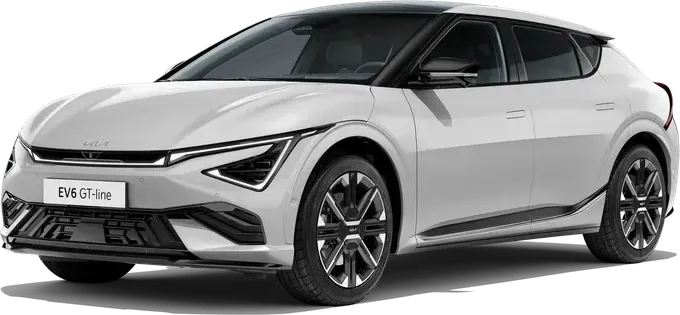
Kia EV6
Score: 64/100
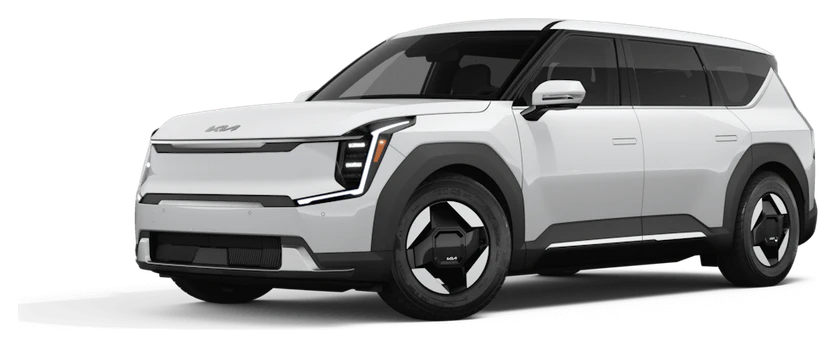
Kia EV9
Score: 57/100
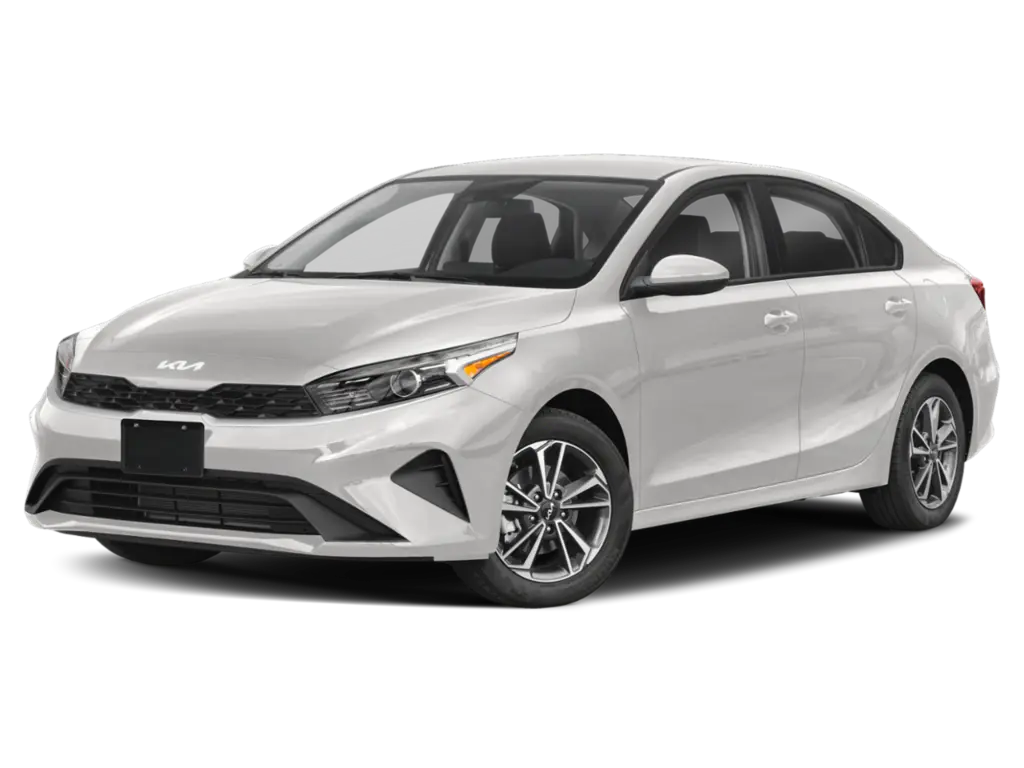
Kia Forte
Score: 78/100
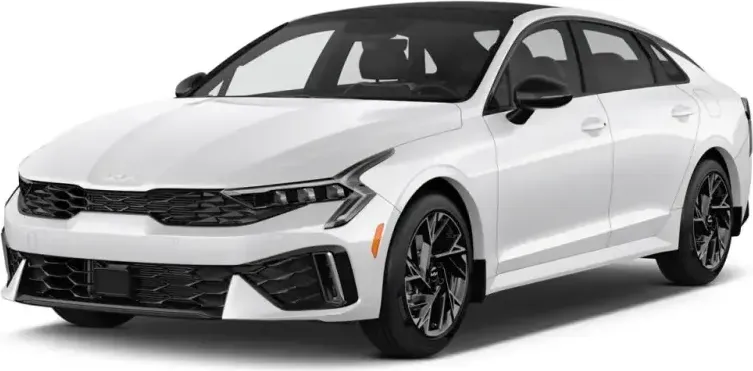
Kia K5
Score: 71/100
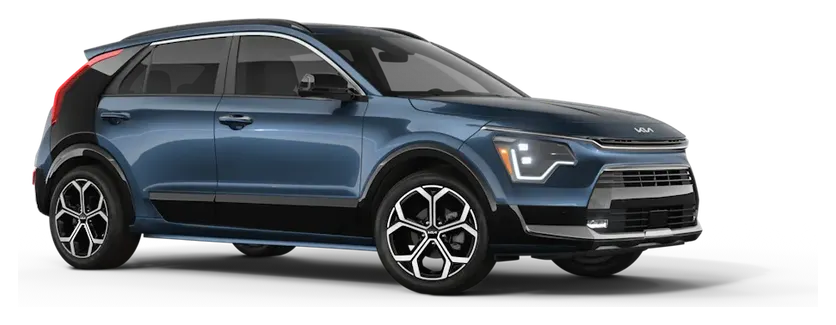
Kia Niro
Score: 73/100
Browse More 2020 Vehicles

2020 Mazda CX-5
Score: 85/100
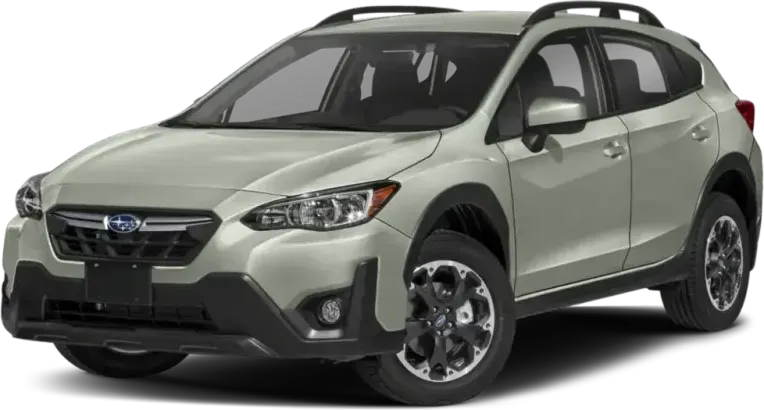
2020 Subaru Crosstrek
Score: 84/100
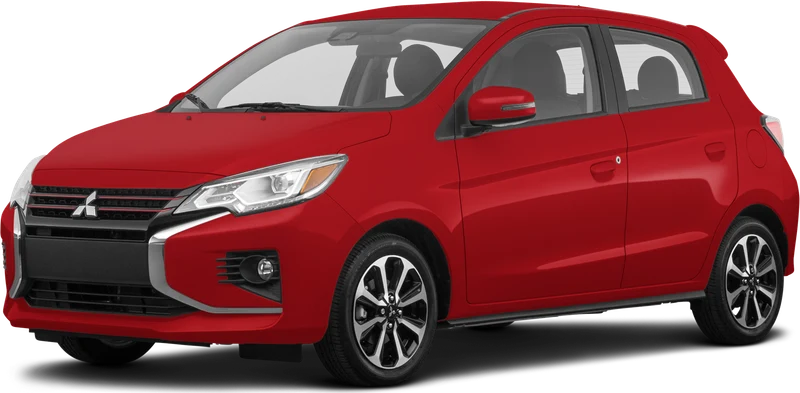
2020 Mitsubishi Mirage
Score: 83/100
2020 Chevrolet Spark
Score: 82/100

2020 Toyota 4Runner
Score: 82/100

2020 Buick Envision
Score: 81/100
See incorrect data? Report an issue