Last updated: 2026-10-10
Hyundai Tucson vs Kia Sorento: Reliability Compared
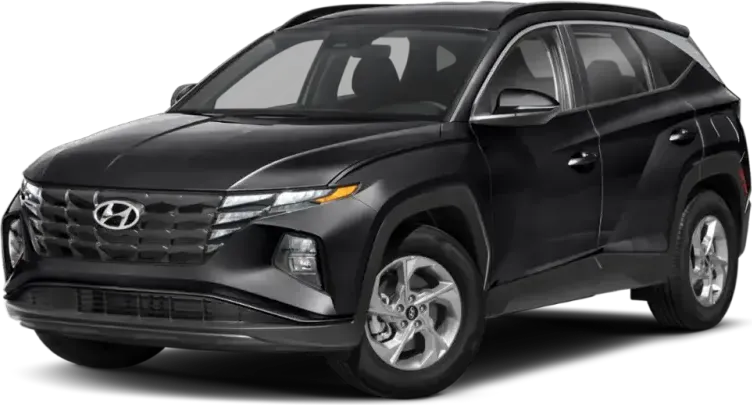
Hyundai Tucson
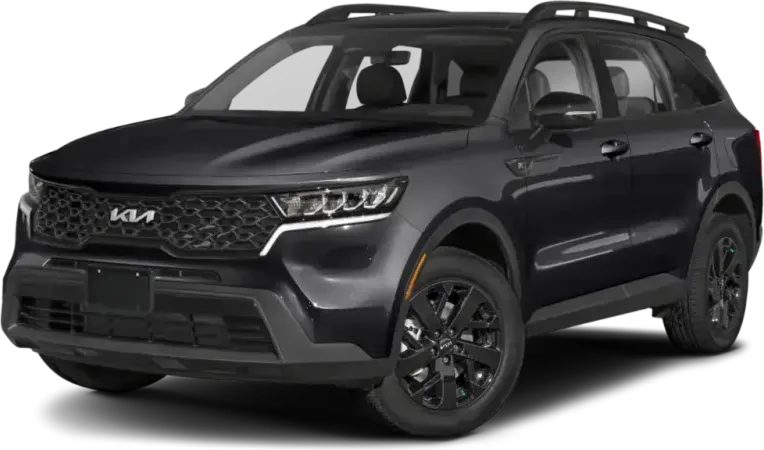
Kia Sorento
Shoppers get a slight reliability edge with the Hyundai Tucson over the KIA Sorento. The Tucson costs less to repair and has far fewer recalls. Owners do file more complaints per car sold on the Tucson, and its brake and collision-system problems carry more crash-linked complaints.
How Do the Hyundai Tucson and Kia Sorento Generations Compare?
Verdict
The Hyundai Tucson is more reliable than the Kia Sorento, scoring 73/100 vs 71/100.
A slight edge goes to the Tucson, not a clear win. Both have a good standing and the same 0.3 unscheduled shop visits a year. The Tucson is cheaper to repair, has a lower chance of a major repair, and has far fewer recalls across the same nine model years. The Sorento gets some ground back with fewer owner complaints per car sold, and its engine failures tend to show up later, between 90,000 and 116,000 miles. That keeps the gap small.
Key Differences
- 1Hyundai Tucson costs $107 less per year to repair
- 2Hyundai Tucson has 20 fewer total recalls
- 3Hyundai Tucson scores 2 points higher in reliability
Category Scoreboard
Hyundai Tucson vs Kia Sorento: Which Is More Reliable?
| Metric | Hyundai Tucson | Kia Sorento |
|---|---|---|
| Reliability Score | 73/100 | 71/100 |
| Years Tracked | 9 | 9 |
| Total Recalls | 23 | 43 |
| Complaints per 10k Sold | 8.9 | 7.4 |
| Annual Repair Cost | $426/yr | $533/yr |
| Repair Frequency | 0.3/yr | 0.3/yr |
| Major Repair Risk | 10% | 11% |
| Safety RatingNHTSA overall | 2026 NHTSA | 2026 NHTSA |
| Frontal | ||
| Side | ||
| Rollover | ||
| Year Wins | 4 (4 tied) | 1 (4 tied) |
What Are the Common Problems With the Hyundai Tucson and Kia Sorento?
Oil loss is the shared worry. On the Tucson, it shows up around 70,000 to 85,000 miles, and a brief low-oil light may be the only warning. On the Sorento, it usually arrives with no light at all and ends in knocking or a highway stall between 90,000 and 116,000 miles. The Tucson's other trouble is safety systems: forward collision braking that fires with nothing ahead, and brake faults. Those areas carry 12 and 15 crash-linked complaints. The Sorento has none in brakes or collision systems. Its odd spots are headlights that cut out at night and steering that sticks, neither crash-linked.
| Component | Hyundai Tucson | Kia Sorento |
|---|---|---|
| ENGINE | 1.9Low | 1.4Low |
| POWER TRAIN | 1.3Low | 1.5Low |
| ELECTRICAL SYSTEM | 1.1Low | 1.1Low |
| UNKNOWN OR OTHER | 1Very Low | 1Very Low |
| SERVICE BRAKES | 1.1Low | 0.1Very Low |
| FORWARD COLLISION AVOIDANCE | 0.5Very Low | —None |
| VEHICLE SPEED CONTROL | 0.3Very Low | 0.2Very Low |
| FUEL/PROPULSION SYSTEM | 0.4Very Low | —None |
| EXTERIOR LIGHTING | 0.1Very Low | 0.3Very Low |
| STEERING | 0.1Very Low | 0.3Very Low |
| STRUCTURE | 0.1Very Low | 0.2Very Low |
| AIR BAGS | 0.1Very Low | 0.1Very Low |
| ENGINE AND ENGINE COOLING | 0.1Very Low | —None |
| VISIBILITY/WIPER | —None | 0.1Very Low |
| TRAILER HITCHES | —None | 0.1Very Low |
| VISIBILITY | —None | 0.1Very Low |
| LANE DEPARTURE | —None | —None |
| SUSPENSION | —None | —None |
| SEATS | —None | —None |
| SEAT BELTS | —None | —None |
Complaints per 10,000 units sold, aggregated across all tracked model years from NHTSA owner reports.
Which Is Cheaper to Maintain: Hyundai Tucson or Kia Sorento?
How Does Hyundai Tucson vs Kia Sorento Reliability Compare by Year?
| Year | Hyundai Tucson | Kia Sorento | Edge |
|---|---|---|---|
| 2026 | 80/1004R / 3C | 80/1004R / 0C | Tie |
| 2025 | 75/1006R / 251C | 75/1008R / 72C | Tie |
| 2024 | 77/1004R / 87C | 79/1002R / 35C | Kia Sorento |
| 2023 | 75/1002R / 142C | 70/1007R / 120C | Hyundai Tucson |
| 2022 | 66/1003R / 433C | 66/10010R / 171C | Tie |
| 2021 | 78/1001R / 58C | 66/1006R / 217C | Hyundai Tucson |
| 2020 | 73/1001R / 153C | 71/1001R / 115C | Hyundai Tucson |
| 2019 | 68/1001R / 349C | 64/1002R / 383C | Hyundai Tucson |
| 2018 | 68/1001R / 362C | 68/1003R / 232C | Tie |
Best years to cross-shop: The 2021 Hyundai Tucson scored 78/100 and the 2024 Kia Sorento scored 79/100 — the strongest shared model years that have been on the road for at least two years, where available.
Who Should Buy the Hyundai Tucson vs the Kia Sorento?
Hyundai Tucson vs Kia Sorento: Common Questions
- Is the Hyundai Tucson more reliable than the KIA Sorento?
- Slightly, yes. Both have a good standing and the same 0.3 unscheduled shop visits a year. The Tucson has lower annual repair cost, a 10% chance of a major repair against 11%, and fewer recalls. The Sorento has fewer owner complaints per car sold.
- Which has more recalls, the Tucson or the Sorento?
- The Sorento. Federal recall records show 43 recalls across nine model years for the Sorento and 23 for the Tucson. Run the VIN of any used car you consider and confirm the recall work was completed before you buy.
- Which costs less to repair?
- The Tucson. Independent repair-cost data estimates $426 a year for the Tucson and $533 for the Sorento. Over five years, that is roughly $535 saved. Shop-visit frequency is the same for both, at 0.3 unscheduled visits a year.
- Do the Tucson and Sorento both burn oil?
- Both do, according to owner complaints. Tucson owners report losing a quart every 1,000 miles or worse around 70,000 to 85,000 miles. Sorento owners report oil loss with no warning light, with failures between 90,000 and 116,000 miles. Keep records of oil checks on either one.
- Which has more crash-linked complaints?
- The Tucson in its main problem areas. Service brakes have 15 crash-linked complaints and forward collision avoidance has 12. The Sorento has 6 in its electrical system and 3 in its power train, and none in steering or exterior lighting.
Related Reliability Comparisons
More Hyundai Tucson comparisons
Decided between Hyundai Tucson and Kia Sorento? Run a VIN check before you buy — uncover hidden accidents, title issues, and open recalls.
How we score the Hyundai Tucson and Kia Sorento
Scores weight complaint severity at 35%, repair costs at 30%, recall impact at 20%, and the spread of complaints across systems at 15%, with complaint counts adjusted for US sales. Read the full methodology.
See incorrect data? Report an issue