Last updated: 2026-10-10
Hyundai Elantra vs Nissan Altima: Reliability Compared
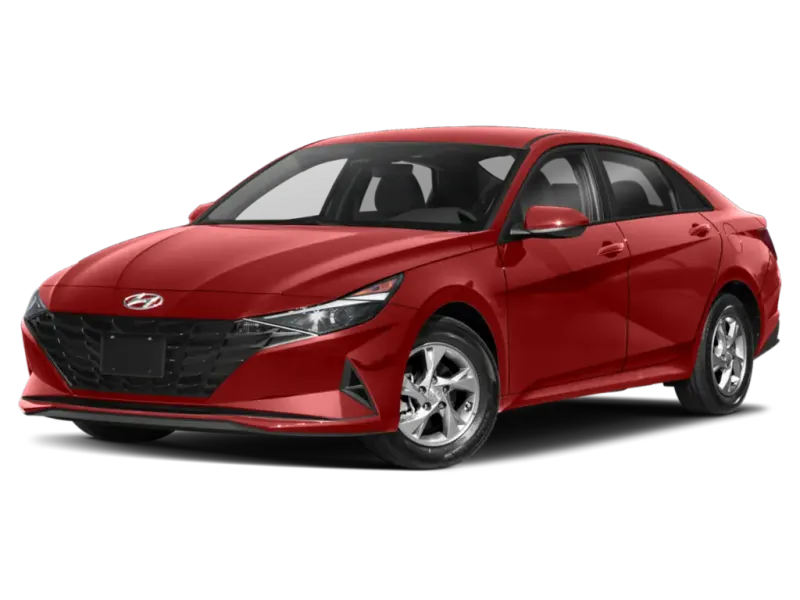
Hyundai Elantra
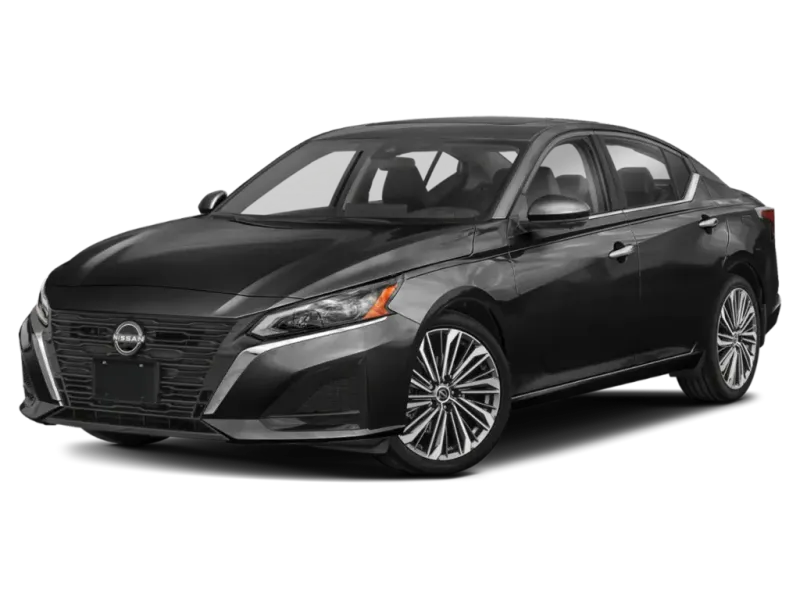
Nissan Altima
On reliability, the Hyundai Elantra and Nissan Altima are effectively tied. The Elantra costs less to repair, but it draws more complaints per car sold. The Altima has fewer recalls and complaints, yet a higher chance that any given repair is major. Their problem areas differ more than their standing.
How Do the Hyundai Elantra and Nissan Altima Generations Compare?
Verdict
The Hyundai Elantra is more reliable than the Nissan Altima, scoring 80/100 vs 79/100.
Effectively tied. The Elantra has the lower repair bill and a smaller chance that a repair is major. The Altima has far fewer owner complaints per car sold and fewer federal recalls. Each edge is modest, and shop-visit frequency is identical. The deciding factor is which failures you can live with: engine and transmission trouble on the Elantra, or fire, braking, and air bag reports on the Altima.
Key Differences
- 1Hyundai Elantra costs $31 less per year to repair
- 2Nissan Altima has 13 fewer total recalls
- 3Hyundai Elantra has 3% lower major repair risk
Category Scoreboard
Hyundai Elantra vs Nissan Altima: Which Is More Reliable?
| Metric | Hyundai Elantra | Nissan Altima |
|---|---|---|
| Reliability Score | 80/100 | 79/100 |
| Years Tracked | 9 | 9 |
| Total Recalls | 33 | 20 |
| Complaints per 10k Sold | 3.7 | 1.6 |
| Annual Repair Cost | $452/yr | $483/yr |
| Repair Frequency | 0.3/yr | 0.3/yr |
| Major Repair Risk | 9% | 12% |
| Safety RatingNHTSA overall | 2026 NHTSA | 2026 NHTSA |
| Frontal | ||
| Side | ||
| Rollover | ||
| Year Wins | 5 (1 tied) | 3 (1 tied) |
What Are the Common Problems With the Hyundai Elantra and Nissan Altima?
Mechanical failure dominates the Elantra's list. Engines burn oil with no visible leak, often starting between 20,000 and 27,000 miles, then tick, lose power, or seize. Some transmissions fail at under 8,000 miles. Altima reports lean toward electrical fires, automatic emergency braking that stops the car with nothing ahead, and tie rods that separate while turning. Air bag and service brake complaints are crash-linked on the Altima, and the Elantra's list has no matching areas. The Elantra has crash-linked engine reports, and the Altima has no engine area. Steering is crash-linked on both.
| Component | Hyundai Elantra | Nissan Altima |
|---|---|---|
| ENGINE | 0.8Very Low | 0.1Very Low |
| ELECTRICAL SYSTEM | 0.6Very Low | 0.3Very Low |
| UNKNOWN OR OTHER | 0.5Very Low | 0.2Very Low |
| POWER TRAIN | 0.4Very Low | 0.1Very Low |
| STEERING | 0.2Very Low | 0.1Very Low |
| EXTERIOR LIGHTING | 0.2Very Low | —None |
| SEAT BELTS | 0.2Very Low | —None |
| SERVICE BRAKES | 0.1Very Low | 0.1Very Low |
| AIR BAGS | 0.1Very Low | 0.1Very Low |
| FORWARD COLLISION AVOIDANCE | 0.1Very Low | —None |
| VEHICLE SPEED CONTROL | 0.1Very Low | —None |
| LANE DEPARTURE | 0.1Very Low | —None |
| STRUCTURE | —None | —None |
| VISIBILITY | —None | —None |
| SUSPENSION | —None | —None |
| LATCHES/LOCKS/LINKAGES | —None | —None |
| VISIBILITY/WIPER | —None | —None |
| ELECTRONIC STABILITY CONTROL (ESC) | —None | —None |
| SEATS | —None | —None |
| TIRES | —None | —None |
| BACK OVER PREVENTION | —None | —None |
Complaints per 10,000 units sold, aggregated across all tracked model years from NHTSA owner reports.
Which Is Cheaper to Maintain: Hyundai Elantra or Nissan Altima?
How Does Hyundai Elantra vs Nissan Altima Reliability Compare by Year?
| Year | Hyundai Elantra | Nissan Altima | Edge |
|---|---|---|---|
| 2026 | 94/1000R / 0C | 88/1000R / 0C | Hyundai Elantra |
| 2025 | 87/1000R / 21C | 78/1001R / 4C | Hyundai Elantra |
| 2024 | 85/1001R / 50C | 82/1001R / 31C | Hyundai Elantra |
| 2023 | 75/1004R / 146C | 84/1000R / 24C | Nissan Altima |
| 2022 | 74/10013R / 139C | 83/1000R / 20C | Nissan Altima |
| 2021 | 75/10010R / 147C | 79/1002R / 53C | Nissan Altima |
| 2020 | 72/1003R / 212C | 71/1006R / 162C | Hyundai Elantra |
| 2019 | 78/1001R / 195C | 72/1008R / 230C | Hyundai Elantra |
| 2018 | 76/1001R / 309C | 76/1002R / 217C | Tie |
Best years to cross-shop: The 2024 Hyundai Elantra scored 85/100 and the 2023 Nissan Altima scored 84/100 — the strongest shared model years that have been on the road for at least two years, where available.
Who Should Buy the Hyundai Elantra vs the Nissan Altima?
Hyundai Elantra vs Nissan Altima: Common Questions
- Is the Hyundai Elantra more reliable than the Nissan Altima?
- No, the two are effectively tied. The Elantra is cheaper to repair and less likely to need a major repair. The Altima has fewer complaints and recalls. Shop-visit frequency is the same at 0.3 a year, so your decision should rest on the specific problems each car has.
- Which has more recalls, the Elantra or the Altima?
- The Elantra has more. Federal recall records show 33 recalls across nine model years for the Elantra and 20 for the Altima. Owner complaints also run higher on the Elantra, at 3.7 per 10,000 sold against 1.6. Always check a specific VIN for open recalls.
- Which costs less to repair, the Elantra or the Altima?
- The Elantra costs less, at $452 a year against $483 for the Altima. That is roughly $155 over five years. The Elantra is also less likely to need a major repair, at 9% against 12%, so its cost edge is real but small.
- What are the biggest problems with the Hyundai Elantra?
- Engine failure leads the list. Owners describe oil burning with no visible leak, then ticking, power loss, or seizure. Early transmission failures, flickering high beams, and a grinding steering column noise are also common. Several owners say dealers denied recall coverage, so confirm what work was done before buying.
- Is the Nissan Altima safe to buy used?
- It can be, with checks. Owners report air bags that did not deploy in serious crashes, automatic emergency braking that stops the car with nothing ahead, and tie rods that separate while turning. Electrical fires also appear. Confirm recall coverage by VIN and avoid the weakest years, 2019 and 2020.
Related Reliability Comparisons
More Hyundai Elantra comparisons
Decided between Hyundai Elantra and Nissan Altima? Run a VIN check before you buy — uncover hidden accidents, title issues, and open recalls.
How we score the Hyundai Elantra and Nissan Altima
Scores weight complaint severity at 35%, repair costs at 30%, recall impact at 20%, and the spread of complaints across systems at 15%, with complaint counts adjusted for US sales. Read the full methodology.
See incorrect data? Report an issue