Last updated: 2026-10-10
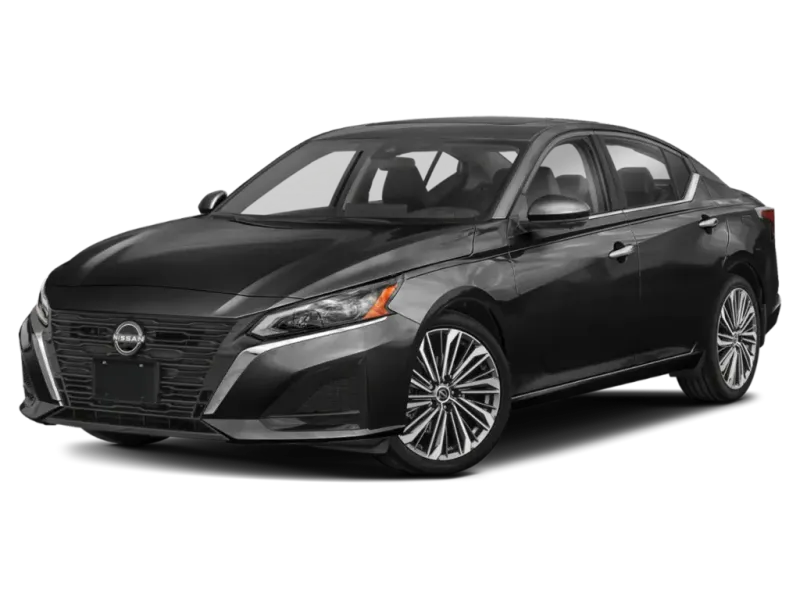
2018 Nissan Altima Reliability Report
The 2018 Nissan Altima has good reliability, but CVT failures between roughly 68,000 and 100,000 miles are its biggest risk.
Recalls
2
Complaints
217
Complaint Rate
10.4per 10,000 sold
Est. Repair Cost
$483
Annual Fuel Cost
$1,950–$2,300
Detailed Score Breakdown
Component-weighted complaints normalized by sales volume
Independent repair cost ratings
Recall count weighted by severity
Breadth of reported problem categories
The Verdict
Good reliability and well above other 2018 sedans, but among the weaker Altima years, with CVT failures and early airbag warning lights.
Top Issues to Watch
- ELECTRICAL SYSTEM (36)
- AIR BAGS (29)
- POWER TRAIN (19)
Generation & Refresh (US)
2018 is the last model year of the Fifth generation (L33).
- Final-year models are typically the most refined version of a generation.
- 2 years after the last refresh (2016).
- 5th generation Altima (US).
What this means for buyers
Final-year models are usually the most polished version of a generation, but resale value may dip as buyers anticipate the next redesign.
2013: Fifth generation (L33) Launch
Generation start — new platform.
2016: Mid-Cycle Refresh
Updated features and styling tweaks.
2018: This Model Year
2018 is the last model year of the Fifth generation (L33).
Should You Buy the 2018 Nissan Altima?
Reliability is good, and well above the average 2018 sedan. Within the Altima lineup, though, this year is among the weaker of nine scored years, so it does not lead its own generation. Model-wide repairs cost an estimated $483 a year against $526 for the class. The 2019 rates worse, with 230 complaints and 8 recalls.
Two problems matter most. The CVT can shudder, slip or lose power on the highway, usually between about 68,000 and 100,000 miles, and warning lights often stay off until it has failed. The airbag light often comes on before 35,000 miles, and one repair meant replacing a whole upper seat back at a quote of $2,500 or more. Federal records list two recalls, for latches, locks and linkages and for back over prevention.
Ask for CVT service records and proof that both recalls were done. On a test drive, watch for shudder and for any airbag or front radar warning.
Compared to the 2019 Nissan Altima, which scored 4 points lower.
Pros
- +Acceptable reliability score
- +$43 cheaper to maintain than avg midsize cars
- +Infrequent unscheduled repairs
- +Low major repair risk (12%)
Cons
- −UNKNOWN OR OTHER: Crash reports here include 3 crashes and 4 injuries, but those filings describe... (44 complaints)
- −ELECTRICAL SYSTEM: Failing brake light switch is the most common electrical fault (36 complaints)
Compare 2018 Nissan Altima With
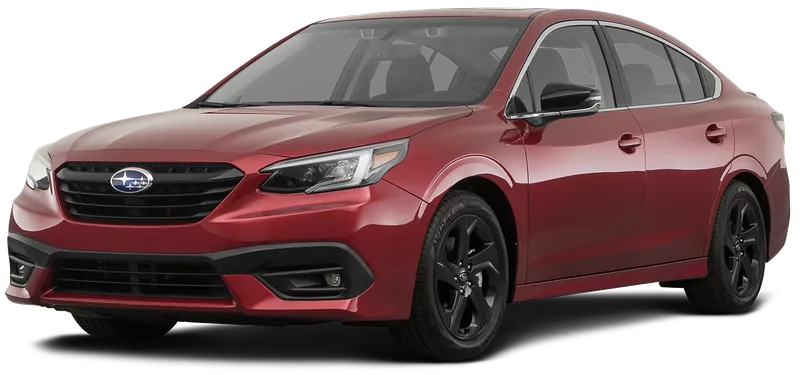
2018 Subaru Legacy
Reliability: 70/100
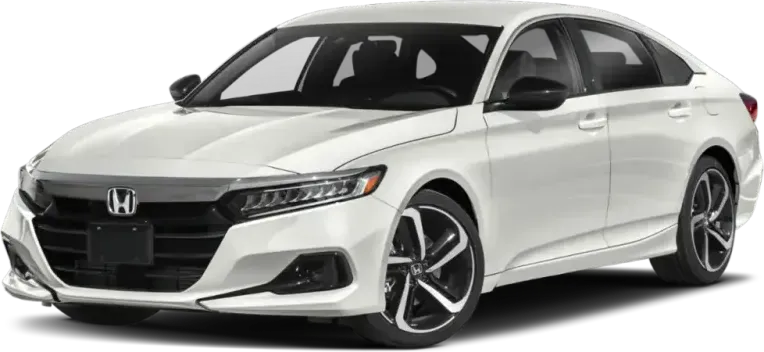
2018 Honda Accord
Reliability: 63/100
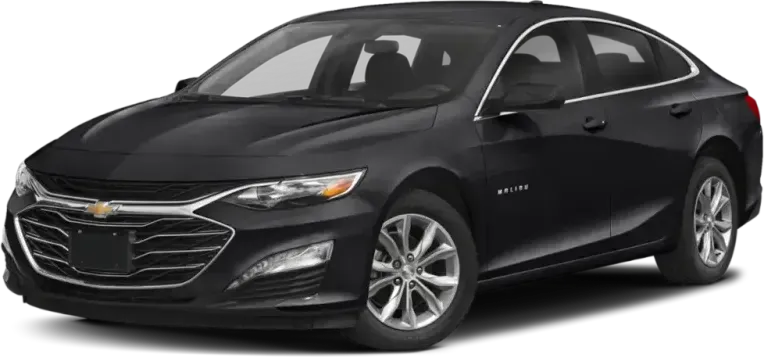
2018 Chevrolet Malibu
Reliability: 62/100
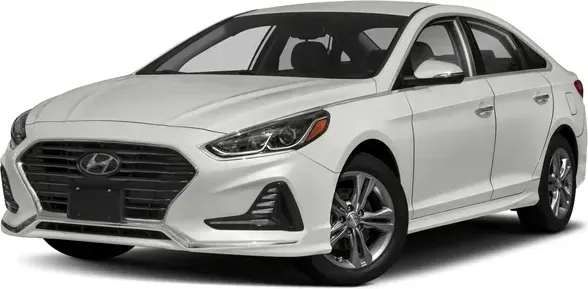
2018 Hyundai Sonata
Reliability: 61/100
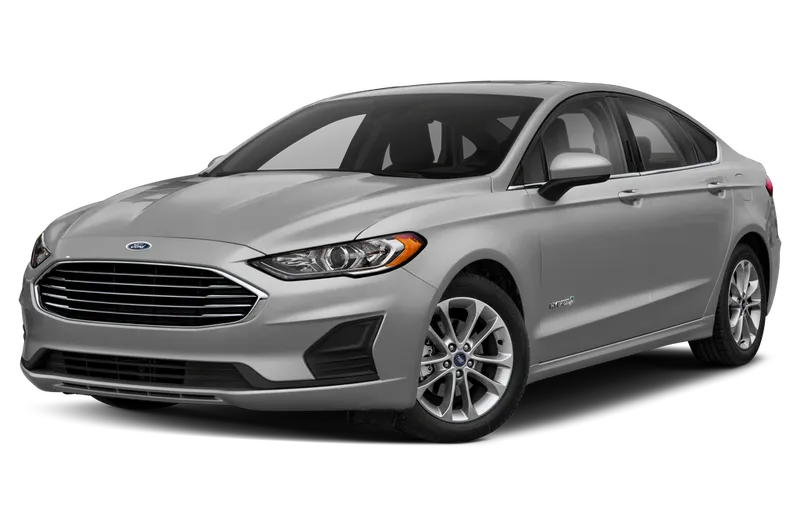
2018 Ford Fusion
Reliability: 68/100
Common Problem Categories
Safety
LOW RISK- 2 manufacturer recalls issued
Other
HIGH RISK- UNKNOWN OR OTHER (44)
- ELECTRICAL SYSTEM (36)
Recall Overview
2
recalls on record
The 2018 Nissan Altima carries 2 recalls — a low count. Authorized dealers repair any open recall free of charge, regardless of warranty status.
NHTSA.gov →Complaint Breakdown
10.4
per 10,000 soldSegment avg: 25.7
Safety Incidents
11
Crashes
0
Fires
6
Injuries
0
Deaths
NHTSA 5/5 Stars
Data sourced from NHTSA complaint filings and manufacturer recall notices. Complaint narratives are owner-reported.
2018 Nissan Altima Recall Details
2 recalls have been issued for the 2018 Nissan Altima. All recall repairs are performed free of charge at authorized dealerships.
LATCHES/LOCKS/LINKAGES
Nissan North America, Inc. (Nissan) is recalling certain model year 2013-2018 Nissan Altima vehicles. If the primary hood latch is inadvertently released, there is an increased likelihood that the secondary hood latch may corrode over time.
Consequence
Corrosion to the secondary latch may cause it to bind and remain in the unlatched position when the hood is closed. If the primary latch is inadvertently released again and the secondary latch is not engaged, the hood could unexpectedly open while driving, increasing the risk of a vehicle crash.
Remedy
Nissan will notify owners, and dealers will install a stronger release spring in the hood release lever, a warning label near the secondary hood latch, and an Owners Manual addendum card with instructions on how to lubricate and maintain the secondary hood latch mechanism, free of charge. Owner notification letters were mailed June 30, 2021. Owners may contact Nissan customer service at 1-800-867-7669. Note: Recall 16V-029 remains open for any unremedied 2013-2015 Altimas and this recall applies to all vehicles covered by 16V-029 even if those repairs have already been performed.
BACK OVER PREVENTION
Nissan North America, Inc. (Nissan) is recalling certain 2018-2019 Nissan Altima, Armada, Frontier, Kicks, Leaf, Maxima, Murano, NV, NV200, Pathfinder, Rogue, Rogue Sport, Sentra, Titan, Titan Diesel, Versa Note and Versa Sedan vehicles, as well as Infiniti Q50, Q60, QX30 and QX80 vehicles. Additionally included are 2019 Nissan GT-R and Taxi and Infiniti QX50, QX60, Q70, Q70L vehicles. The back-up camera and display settings can be adjusted such that the rear view image is no longer visible and the system will retain that setting the next time the vehicle is placed in reverse. As such, these vehicles fail to comply with the requirements of Federal Motor Vehicle Safety Standard (FMVSS) number 111, "Rear Visibility."
Consequence
The lack of an image in the back-up camera display increases the risk of a crash.
Remedy
Nissan will notify owners in phases, having dealers update the back-up camera settings software, free of charge. The recall began November 11, 2019 and all affected VINs should be activated. Owners may contact Nissan customer service at 1-800-867-7669 or INFINITI customer service at 1-800-662-6200.
Buying a used 2018 Nissan Altima? Check its history first
Electrical system problems lead owner complaints about the 2018 Nissan Altima, and 2 recalls were issued for it. A VIN check shows whether this car's recall work was done, plus accident, title, and odometer history.
- Accidents
- Open Recalls
- Title History
- Odometer Rollback
2018 Nissan Altima NHTSA Safety Ratings
Overall Safety Rating
Crash Test Results by Configuration (expand)
Gas Powertrain
Rollover risk: 10.3%
Safety Technologies
Nissan AltimaRepair Costs & Maintenance
Maintenance Rating
4Maintenance rating: 4 out of 5Based on NHTSA complaint patterns, recall severity, and publicly available cost benchmarks.
Est. Annual Maintenance
$483
vs $526 avg for midsize cars
vs $652 avg for all vehicles
Repair Frequency
0.3
unscheduled repair visits per year
Severe Repair Probability
12%
chance of a major repair
Annual Cost Comparison
Category-level averages derived from publicly available industry reports (AAA, CarMD). Model-level estimates produced by Auto Reliability Index.
Nissan Altima Resale Value
The Nissan Altima is estimated to retain about 65.4% of its original value after 5 years, based on observed used-car listings.
This benchmark covers the Nissan Altima model overall and is not specific to the 2018 model year.
- Value Retained
- 65.4%
- Depreciation
- 34.6%
- Listings Analyzed
- 720
after 5 years
over the same period
U.S. used-car listings
Listings observed in . Actual resale value varies by trim, mileage, condition, and location.
Explore Nissan Altima depreciation and resale value on CarResaleValue.comMPG & Annual Running Costs
Gas
26–31 MPG
Running cost: $2,450–$2,800/yr
Fuel + repair
22–27 city / 32–38 hwy MPG
Running cost includes EPA fuel-cost estimate and independent repair-cost data (repair cost estimated at model level). Excludes routine maintenance, depreciation, and insurance. Data as of 2018 EPA label cycle.
Gas trims
| Trim | Drive | Trans. | City | Hwy | Comb | Fuel Cost |
|---|---|---|---|---|---|---|
| Altima 2.5L 4-cyl | Front-Wheel Drive | Automatic (variable gear ratios) | 27 | 38 | 31 | $1,950 |
| Altima SR 2.5L 4-cyl | Front-Wheel Drive | Automatic (AV-S7) | 26 | 37 | 30 | $2,000 |
| Altima 3.5L 6-cyl | Front-Wheel Drive | Automatic (AV-S7) | 22 | 32 | 26 | $2,300 |
Used Buying Checklist
Key things to inspect or verify before purchasing a 2018 Nissan Altima.
Run the VIN for hood latch recall 20V315000 and get proof that the repair was completed.
Take a long highway drive and watch for a front radar obstruction message or braking with no car ahead.
Make sure the airbag light goes out after startup, and have the car scanned for code B0020-13.
Accelerate from a stop and on the highway, feeling for CVT shudder, slipping, RPM surges or a delayed lunge.
Start the car several times and confirm the brake lights work, since a failing brake switch blocks starting and shifting.
Lock and unlock every door with the fob and the interior switch to check for failed actuators.
Check the low beams after dark and look at the headlight housings for cracks or moisture.
Back up several times and watch whether the camera screen goes black, dim or distorted.
2018 Nissan Altima Common Problems by Component
217 owner complaints grouped by vehicle system.
UNKNOWN OR OTHER
44 complaintsSafety-relatedCrash reports here include 3 crashes and 4 injuries, but those filings describe collisions, not a defect. The repeat problems show up elsewhere. The push-button start ignores the brake pedal, which strands drivers, and the fault returns after the switch is replaced. The shifter sticks in park, often when the car is cold. The backup camera screen goes black or dim, and owners say their cars were left out of a related recall. Owners also describe the overhead dome light dropping out of the headliner, corroded battery cables and CVT failures.
ELECTRICAL SYSTEM
36 complaintsSafety-relatedA failing brake light switch is the most common electrical fault. The car won't start or shift out of park, and the brake lights can stop working while driving, which one owner links to a rear-end crash. Replacement switches often fail again. Door lock actuators also fail, so rear doors won't lock or unlock with the fob or the interior button. Other reports cover airbag lights caused by bad occupant sensors, false forward collision warnings, battery terminals that corrode until the car stalls, and an overhead console that falls out while driving.
AIR BAGS
29 complaintsSafety-relatedAn airbag warning light stays on or flickers, often starting around 33,000 to 35,000 miles. Dealers commonly find code B0020-13, an open circuit in the wiring to the driver seat side airbag. The repair can mean replacing the whole upper seat back, quoted at $2,500 to $3,000 or more. Owners report waiting months for seat parts and driving without working airbags in the meantime. Light-off fixes often don't last. Two crash reports say the airbags did not deploy, including a head-on collision that left the driver with a head injury.
POWER TRAIN (19 complaints)
POWER TRAIN
19 complaintsThe CVT fails, usually between about 68,000 and 100,000 miles. Symptoms include shuddering, slipping, RPMs surging up and down, jerking, hesitation followed by a lunge, and a sudden loss of power on the highway. Some cars drop into neutral or roll back on a hill. Warning lights often stay off until the transmission has already failed, and dealers often find code P17F0. Owners past warranty have paid for the repair themselves or been offered partial goodwill. Some dealers could not reproduce the problem. A few owners also report popping from the front axles.
SERVICE BRAKES (16 complaints)
SERVICE BRAKES
16 complaintsSafety-relatedMost of these reports involve the front radar. A "front radar unavailable due to obstruction" message appears with nothing blocking the sensor, and it shuts off automatic emergency braking. The radar also brakes hard with no car ahead, including at highway speed and once for blowing leaves. Recalibration often doesn't fix it, and owners out of warranty were quoted about $1,000 to $1,200. Separately, faulty brake switches stop the car from starting. Two crash reports describe a pedal that sank to the floor or a car that would not stop.
EXTERIOR LIGHTING (12 complaints)
EXTERIOR LIGHTING
12 complaintsLow-beam headlights are too dim to see the road at night, and many owners drive with high beams on to compensate. Some owners blame heat from the halogen bulbs, which they say fogs or melts the reflectors inside the headlight housing. Changing bulbs, including LED replacements, does not fix it. Some cars burn through low-beam bulbs quickly. Others develop cracks in both headlight housings that let water in, and owners say that repair wasn't covered by warranty. Faulty brake switches can also leave the brake lights dark.
STEERING (12 complaints)
STEERING
12 complaintsSafety-relatedControl problems vary with no single cause: a loose wheel that wanders and worsens on the highway, shaking in turns, clicking or popping noises, stiffness, or a sudden loss of power steering mid-turn. Dealers often find nothing wrong, and one replaced the power steering pump only to see the trouble return. A rental car became uncontrollable at 70 mph. Several filings here are really the same false front radar obstruction warning reported in other categories. One crash involved a slide on snow and ice after a low-tire warning.
LATCHES/LOCKS/LINKAGES (11 complaints)
LATCHES/LOCKS/LINKAGES
11 complaintsThese filings mostly describe waiting on the hood latch recall, campaign 20V315000. Owners received the notice, but dealers had no parts, and many owners hadn't seen a failure yet. When the latch does fail, the hood can unlatch while driving and fly up. In one case it hit the windshield and cracked it at about 35 mph. Another owner reported a hood ajar warning followed by the hood opening on the road.
VEHICLE SPEED CONTROL (10 complaints)
VEHICLE SPEED CONTROL
10 complaintsFalse radar obstruction warnings shut off automatic emergency braking and adaptive cruise control, sometimes every few minutes on long drives. One dealer found radar blockage codes, tried reprogramming without success, and quoted $1,637.86 for a new unit. Other reports describe a lag or clunk when pulling away from a stop, sometimes followed by a jerk, and dealers often cannot duplicate it. Brake switch failures also show up here, with one owner reporting back-ordered parts that left the car unusable.
ELECTRONIC STABILITY CONTROL (ESC) (7 complaints)
ELECTRONIC STABILITY CONTROL (ESC)
7 complaintsSafety-relatedThe front radar throws obstruction warnings and turns off emergency braking, sometimes constantly and in any weather. It also reacts to cars that aren't there. Some owners say it applied the brakes on the street, and in rain one car's rear brakes engaged and the car shook. Replacing the sensor didn't stop the rain problem for at least one owner. One crash report says the emergency braking failed to stop the car before it hit a pole, after repeated unavailable messages.
When Do 2018 Nissan Altima Problems Start?
Based on owner complaint patterns, here's when common issues tend to appear.
Best & Worst Nissan Altima Years
Best Nissan Altima Years to Buy
Based on reliability index scoreNissan Altima Years to Avoid
Nissan Altima Reliability Score Trend
Scores 0–100. Higher is better. Current year highlighted.
| Year | Score | Rating |
|---|---|---|
| 2018 | 76/100 | Good |
| 2019 | 72/100 | Good |
| 2020 | 71/100 | Good |
| 2021 | 79/100 | Good |
| 2022 | 83/100 | Excellent |
| 2023 | 84/100 | Excellent |
| 2024 | 82/100 | Excellent |
| 2025 | 78/100 | Good |
| 2026 | 88/100 | Excellent |
Nissan Altima Reliability Compared to Other Years
Frequently Asked Questions
Is the 2018 Nissan Altima reliable?
What are the most common problems with the 2018 Nissan Altima?
Does the 2018 Nissan Altima have CVT problems?
Has the 2018 Nissan Altima been recalled?
How much does the 2018 Nissan Altima cost to repair?
Don’t buy a 2018 Nissan Altima without checking its VIN first — hidden accidents, title issues, and open recalls could cost you thousands.
How we score the 2018 Nissan Altima
Of the four inputs behind this score, the 2018 Nissan Altima does best on how many systems draw complaints (86/100) and worst on complaint severity (67/100). Scores weight complaint severity at 35%, repair costs at 30%, recall impact at 20%, and the spread of complaints across systems at 15%, with complaint counts adjusted for US sales. Read the full methodology.
Get notified when new recalls or reliability data is added for the Nissan Altima.
No spam. Only data updates for this model.
Browse More Nissan Models
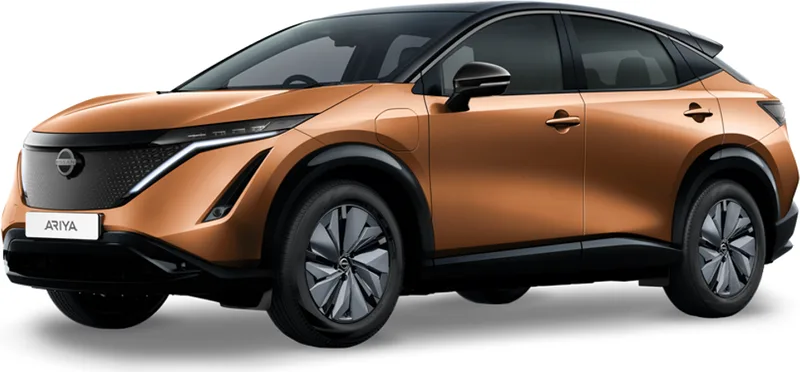
Nissan Ariya
Score: 88/100
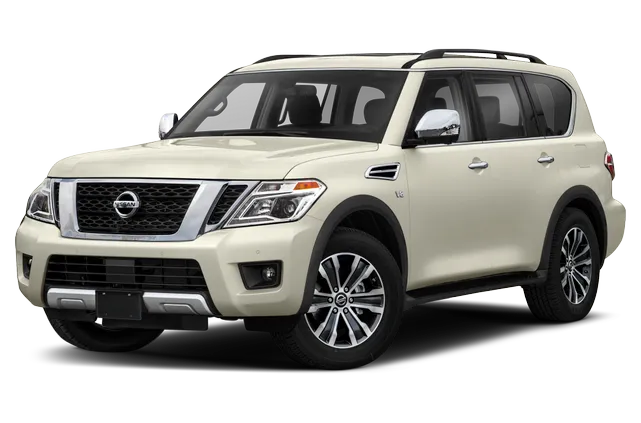
Nissan Armada
Score: 74/100
Nissan Frontier
Score: 77/100
Nissan Kicks
Score: 83/100
Nissan Leaf
Score: 79/100
Nissan Maxima
Score: 77/100
Browse More 2018 Vehicles
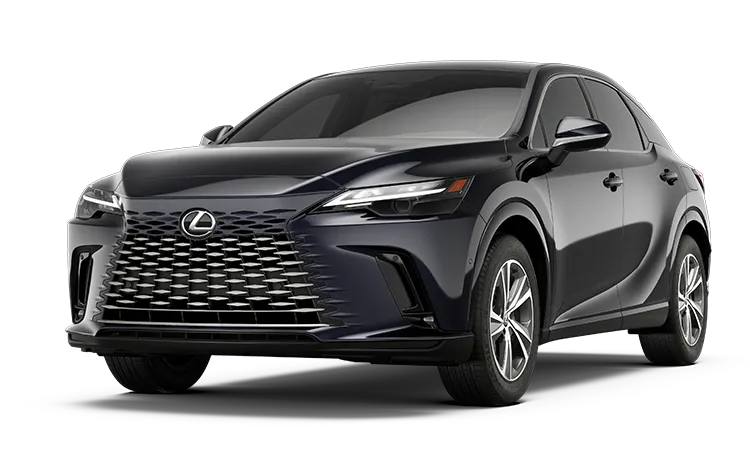
2018 Lexus RX
Score: 85/100
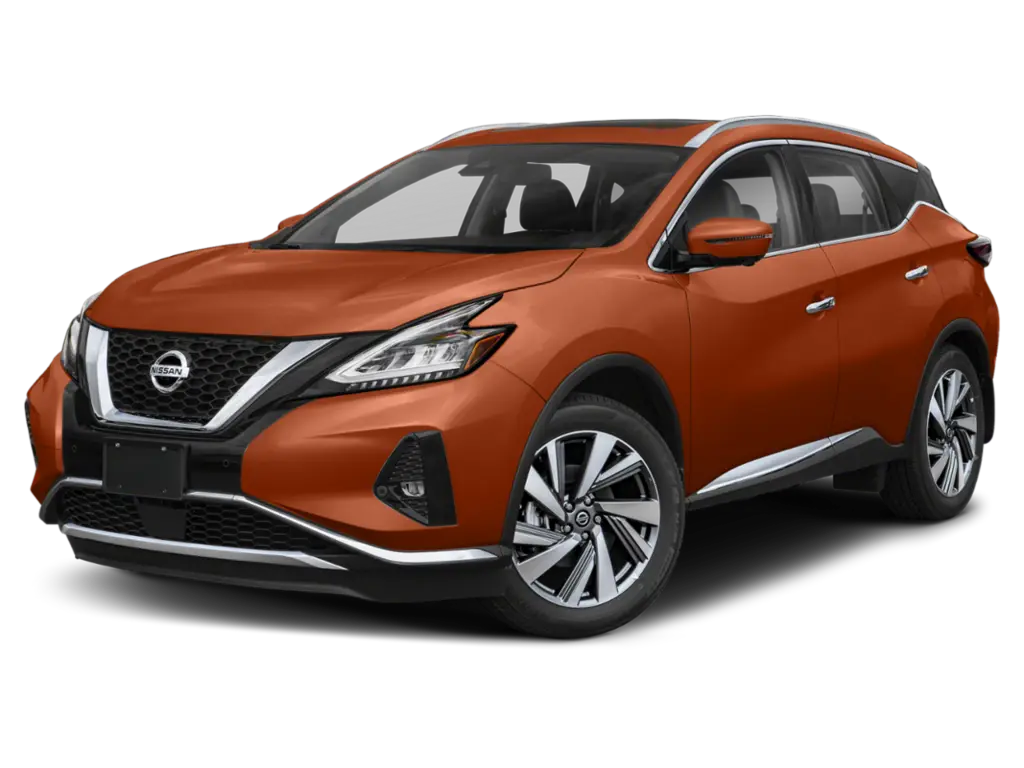
2018 Nissan Murano
Score: 82/100
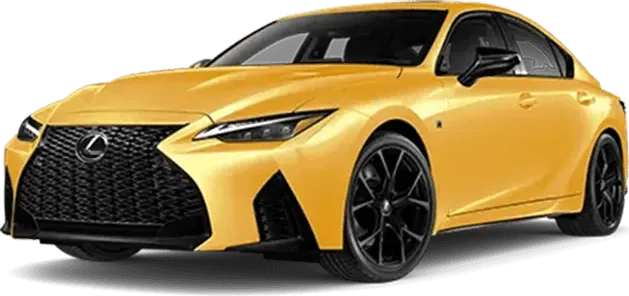
2018 Lexus IS
Score: 81/100
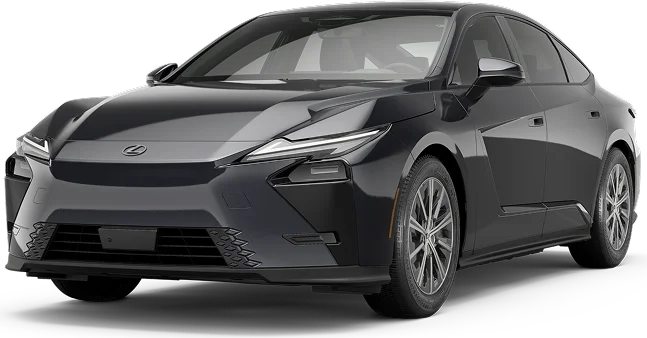
2018 Lexus ES
Score: 80/100
2018 Toyota Corolla
Score: 80/100
2018 Buick Encore
Score: 80/100
See incorrect data? Report an issue