Last updated: 2026-10-10
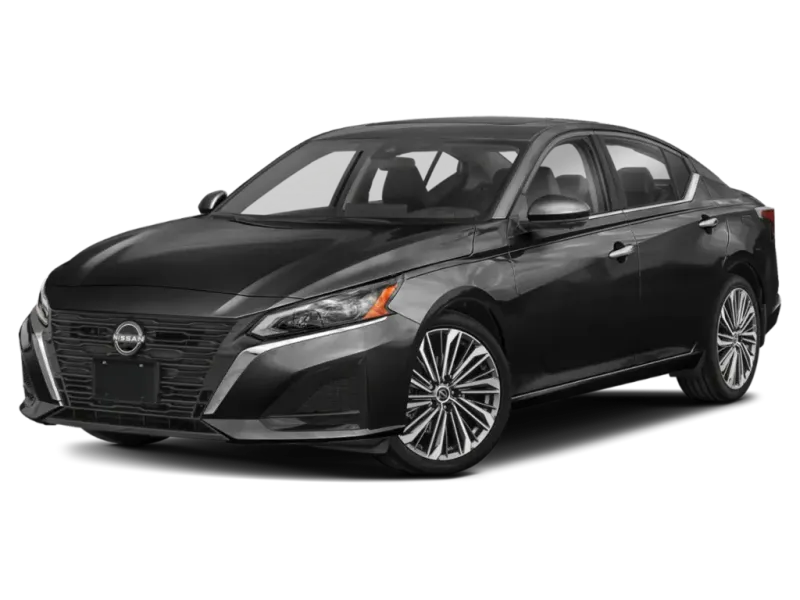
2019 Nissan Altima Reliability Report
The 2019 Nissan Altima rates good for reliability, but false automatic emergency braking is its main complaint and it trails other Altima years.
Recalls
8
Complaints
230
Complaint Rate
11per 10,000 sold
Est. Repair Cost
$483
Annual Fuel Cost
$1,850–$2,050
Detailed Score Breakdown
Component-weighted complaints normalized by sales volume
Independent repair cost ratings
Recall count weighted by severity
Breadth of reported problem categories
The Verdict
First year of the sixth generation, with eight recalls and many false emergency braking complaints, and it rates below the 2018 model.
Top Issues to Watch
- ELECTRICAL SYSTEM (44)
- ENGINE (19)
- SERVICE BRAKES (19)
Generation & Refresh (US)
2019 is the first model year of the Sixth generation (L34).
- First-year models may have unresolved issues from the new design.
- Redesigned for the 2019 model year.
- Refreshed in 2023.
- 6th generation Altima (US).
What this means for buyers
First-year models carry more risk — early production issues are common. Consider waiting for the second year if reliability is a priority.
Compare 2019 pricing and recall counts against 2020+ before deciding.
2019: Sixth generation (L34) Launch
Generation start — new platform.
2023: Mid-Cycle Refresh
Updated features and styling tweaks.
Should You Buy the 2019 Nissan Altima?
Good, with caveats. This model year holds a good reliability standing and sits above average among 2019 sedans. Within the Altima lineup, though, it is among the weaker of nine scored years. It is the first year of the sixth generation. The 2018 rates better, and the 2020 rates about the same. Independent repair-cost data puts yearly repairs at $483 against $526 for the class, and the federal crash-test rating is 5 of 5 stars.
The main complaint is the driver-assist system. Owners describe automatic emergency braking that stops the car hard with nothing ahead, from 16,000 up to 47,124 miles. Dealers often cannot reproduce it. Door locks that quit responding, with actuator failures at 35,000 and 44,000 miles, are the other common report. Some owners also describe power loss and stalling with a reduce-power message. Federal records list 8 recalls, covering tires, engine and engine cooling, back over prevention, fuel system, and exterior lighting.
Ask the seller for proof that every recall was completed. Request any brake, radar, or sensor repair history. If you want fewer recalls, the 2018 had only 2.
Compared to the 2020 Nissan Altima, which scored 1 points lower. See also the 2018 Nissan Altima for an earlier comparison.
Pros
- +Acceptable reliability score
- +$43 cheaper to maintain than avg midsize cars
- +Infrequent unscheduled repairs
- +Low major repair risk (12%)
Cons
- −Above-average recall count
- −ELECTRICAL SYSTEM: Door locks stop responding to the key fob and interior switches, often one door... (44 complaints)
- −UNKNOWN OR OTHER: Most serious reports describe the car moving or stalling when it should not (30 complaints)
Compare 2019 Nissan Altima With
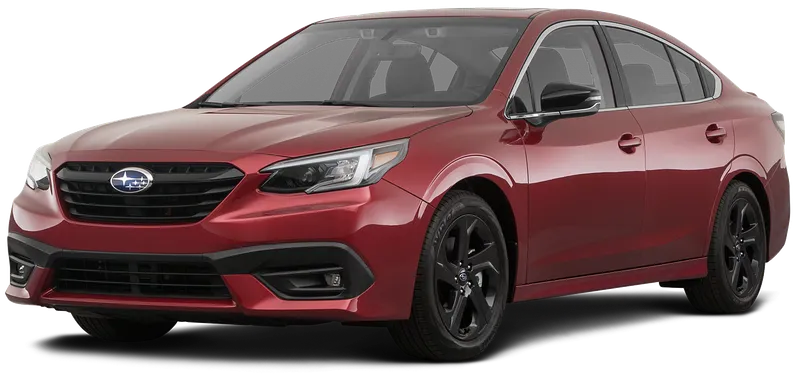
2019 Subaru Legacy
Reliability: 69/100
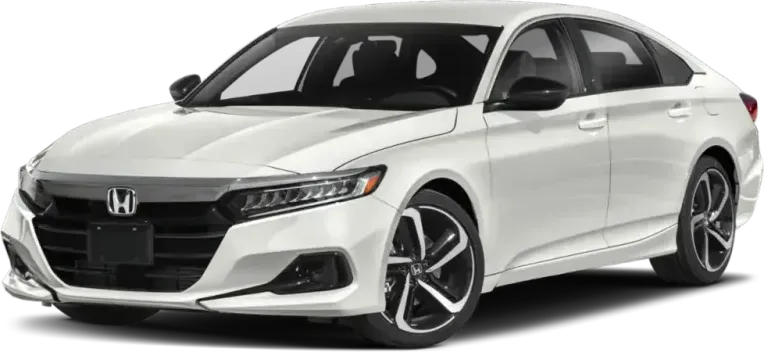
2019 Honda Accord
Reliability: 70/100
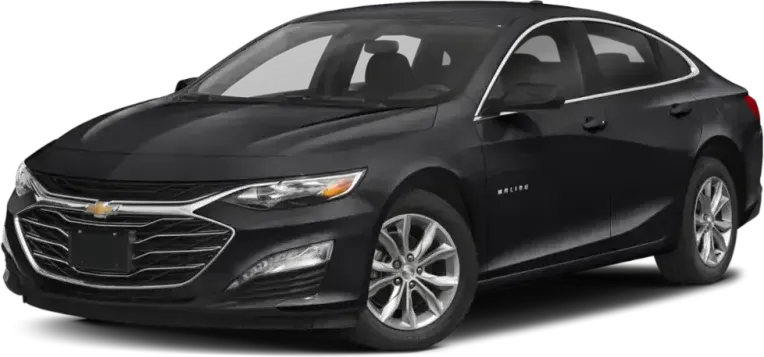
2019 Chevrolet Malibu
Reliability: 74/100
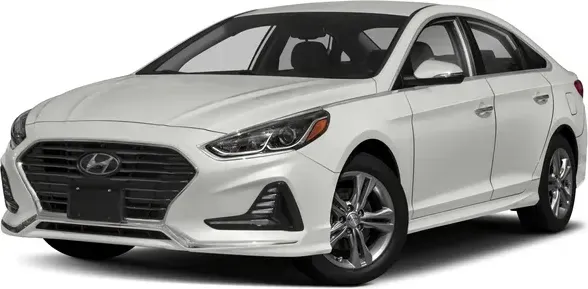
2019 Hyundai Sonata
Reliability: 71/100
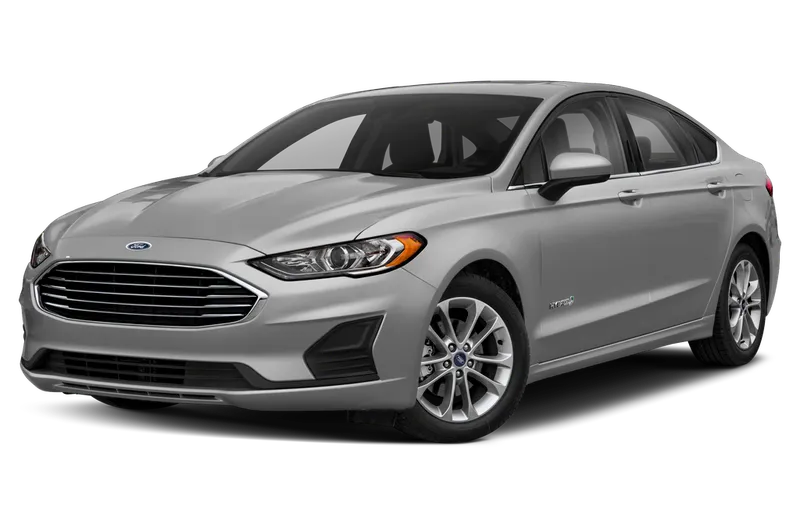
2019 Ford Fusion
Reliability: 68/100
Common Problem Categories
Safety
LOW RISK- 8 manufacturer recalls issued
Other
HIGH RISK- ELECTRICAL SYSTEM (44)
- UNKNOWN OR OTHER (30)
Recall Overview
8
recalls on record
The 2019 Nissan Altima has 8 recalls on record, which is above average. A high count can flag multiple component concerns, though it also shows the manufacturer is actively addressing known issues.
NHTSA.gov →Complaint Breakdown
11
per 10,000 soldSegment avg: 19.1
Safety Incidents
25
Crashes
6
Fires
11
Injuries
0
Deaths
NHTSA 5/5 Stars
Data sourced from NHTSA complaint filings and manufacturer recall notices. Complaint narratives are owner-reported.
2019 Nissan Altima Recall Details
8 recalls have been issued for the 2019 Nissan Altima. All recall repairs are performed free of charge at authorized dealerships.
TIRES
Nissan North America, Inc. (Nissan) is recalling certain 2019-2020 Altima and 2018-2021 Titan vehicles equipped with Continental tires. On the affected vehicles, it is possible that one or more tires were cured for too long during tire production.
Consequence
Over cured tires may develop a break in the sidewall, resulting in sudden air loss or belt edge separation which could lead to tread/belt loss. Either condition can cause a loss of vehicle control, increasing the risk of a crash.
Remedy
Nissan will notify owners, and dealers will inspect the tires, and replace them as necessary, free of charge. Owner notification letters were mailed on May 11, 2021. Owners may contact Nissan customer service at 1-800-867-7669. Nissan's number for this recall is PC798.
ENGINE AND ENGINE COOLING
Nissan North America, Inc. (Nissan) is recalling certain 2021-2024 Rogue, 2019-2020 Altima, 2019-2022 Infiniti QX50, and 2022 Infiniti QX55 vehicles equipped with 3-cylinder 1.5L or 4-cylinder 2.0L variable compression turbo (VC-Turbo) engines. The engine bearings may have manufacturing defects that can lead to engine failure.
Consequence
Engine failure increases the risk of a crash. A bearing failure may cause a breach in the engine block, allowing hot oil to be discharged, increasing the risk of an engine fire.
Remedy
Dealers will reprogram the engine control module (ECM) software, free of charge. Owner letters were mailed February 2, 2026. Owners may contact Nissan's customer service at 800-647-7261 or Infiniti's customer service at 1-800-662-6200. Nissan's numbers for this recall are R25A8/A9 and R25B1/B2.
BACK OVER PREVENTION
Nissan North America, Inc. (Nissan) is recalling certain 2019-2021 Altima and 2020-2021 Sentra vehicles. Damage to the camera harness can cause distortion or loss of the rearview camera display image. As such, these vehicles fail to comply with the requirements of Federal Motor Vehicle Safety Standard number 111, "Rear Visibility."
Consequence
A rearview camera that does not properly display an image can reduce the driver's rear view, increasing the risk of a crash.
Remedy
Dealers will inspect the rearview camera and harness for damage and replace them as necessary. If no damage is found, the dealer will apply protective tape and reroute the rearview camera harness. Repairs will be performed free of charge. Owner notification letters are expected to be mailed October 19, 2023. Owners may contact Nissan's customer service at 1-800-867-7669. Nissan's number for this recall is R23C3.
Buying a used 2019 Nissan Altima? Check its history first
Electrical system problems lead owner complaints about the 2019 Nissan Altima, and 8 recalls were issued for it. A VIN check shows whether this car's recall work was done, plus accident, title, and odometer history.
- Accidents
- Open Recalls
- Title History
- Odometer Rollback
2019 Nissan Altima NHTSA Safety Ratings
Overall Safety Rating
Crash Test Results by Configuration (expand)
Gas Powertrain
Rollover risk: 9.2%
Safety Technologies
Nissan AltimaRepair Costs & Maintenance
Maintenance Rating
4Maintenance rating: 4 out of 5Based on NHTSA complaint patterns, recall severity, and publicly available cost benchmarks.
Est. Annual Maintenance
$483
vs $526 avg for midsize cars
vs $652 avg for all vehicles
Repair Frequency
0.3
unscheduled repair visits per year
Severe Repair Probability
12%
chance of a major repair
Annual Cost Comparison
Category-level averages derived from publicly available industry reports (AAA, CarMD). Model-level estimates produced by Auto Reliability Index.
Nissan Altima Resale Value
The Nissan Altima is estimated to retain about 65.4% of its original value after 5 years, based on observed used-car listings.
This benchmark covers the Nissan Altima model overall and is not specific to the 2019 model year.
- Value Retained
- 65.4%
- Depreciation
- 34.6%
- Listings Analyzed
- 720
after 5 years
over the same period
U.S. used-car listings
Listings observed in . Actual resale value varies by trim, mileage, condition, and location.
Explore Nissan Altima depreciation and resale value on CarResaleValue.comMPG & Annual Running Costs
Gas
29–32 MPG
Running cost: $2,350–$2,550/yr
Fuel + repair
25–28 city / 34–39 hwy MPG
Running cost includes EPA fuel-cost estimate and independent repair-cost data (repair cost estimated at model level). Excludes routine maintenance, depreciation, and insurance. Data as of 2019 EPA label cycle.
Gas trims
| Trim | Drive | Trans. | City | Hwy | Comb | Fuel Cost |
|---|---|---|---|---|---|---|
| Altima 2.5L 4-cyl | Front-Wheel Drive | Automatic (variable gear ratios) | 28 | 39 | 32 | $1,850 |
| Altima SR/Platinum 2.5L 4-cyl | Front-Wheel Drive | Automatic (variable gear ratios) | 27 | 37 | 31 | $1,950 |
| Altima AWD 2.5L 4-cyl | All-Wheel Drive | Automatic (variable gear ratios) | 26 | 35 | 30 | $2,000 |
| Altima AWD SR/Platinum 2.5L 4-cyl | All-Wheel Drive | Automatic (variable gear ratios) | 26 | 34 | 29 | $2,050 |
| Altima SR/Platinum 2.0L 4-cyl | Front-Wheel Drive | Automatic (variable gear ratios) | 25 | 34 | 29 | $2,050 |
Used Buying Checklist
Key things to inspect or verify before purchasing a 2019 Nissan Altima.
Lock and unlock every door with the fob, the interior switch, and the key, and confirm each door responds.
Drive at 30 to 70 mph, including under bridges, and watch for false automatic braking or AEB malfunction warnings.
Run the VIN for open recalls, especially R25B1 on 2.0L VC-Turbo cars, and confirm the remedy is complete.
Scan for stored codes and ask for records of reduced-power messages, mass air flow sensor work, or ECM repairs.
Confirm the airbag warning light turns off after startup and ask whether the occupant sensor has ever been reset.
Test the washers at a stop and check that fluid covers more than the bottom of the windshield.
Turn on both seat heaters for several minutes and check for a burning smell or smoke behind the seats.
Drive over bumps and through right turns, listening for clunks or grinding from the shocks, axles, or wheel bearings.
2019 Nissan Altima Common Problems by Component
230 owner complaints grouped by vehicle system.
ELECTRICAL SYSTEM
44 complaintsSafety-relatedDoor locks stop responding to the key fob and interior switches, often one door at a time. Lock actuators have failed by 35,000 and 44,000 miles. Driver-assist faults are the other main theme. Forward collision warnings go offline, emergency braking fails to act before an impact, or the car brakes with nothing ahead. Three complaints involve crashes. Owners also report check engine lights that keep coming back and are tied to the mass air flow sensor. Others describe reduced-power messages with several warning lights at once, stalling, and a radio that changes volume or station by itself.
UNKNOWN OR OTHER
30 complaintsSafety-relatedThe most serious reports describe the car moving or stalling when it should not. One car rolled backward while in park, and others stall at highway speed. Four complaints involve crashes. False emergency braking at 45-70 mph comes up again here, and repeat dealer visits do not fix it. Cars with the 2.0L VC-Turbo fall under recall R25B1 for engine bearing failure, which is still listed as remedy not yet available and has blocked registration. A radio that raises its volume or changes stations on its own is common. Dead infotainment, backup camera faults, and no-start conditions also appear.
ENGINE
19 complaintsPower loss and stalling dominate. The engine malfunction, reduce power message usually appears with the check engine, traction, and collision lights. Some cars go into limp mode or shut off while driving or just after parking. Codes cited include P0087, P0101, and P0404, and mechanics also blame the grille shutter and the ECM. Many owners say their symptoms match the 2.0L VC-Turbo recall, but cars with the 2.5-liter engine are excluded from it. Recall disputes also appear, including a denied engine replacement after metal was reported in the oil pan.
SERVICE BRAKES (19 complaints)
SERVICE BRAKES
19 complaintsSafety-relatedAutomatic emergency braking stops the car hard with nothing ahead, in parking lots, on highways, and under bridges. Other reports describe the opposite: the brakes or AEB fail to stop the car, and rear-end crashes follow. Four complaints involve crashes, and two report injuries. Dealers often cannot reproduce the false braking. Fixes cited include reprogramming, a replaced radar, and a faulty sonar control unit. Failures appear at 16,000 and 24,000 miles. A separate fire-related report describes shaking, a burning-rubber smell, and weak braking traced to a faulty rear caliper.
FORWARD COLLISION AVOIDANCE (13 complaints)
FORWARD COLLISION AVOIDANCE
13 complaintsThe car brakes hard with no vehicle or obstacle ahead. It can drop to 15 or 40 mph on open roads, under bridges, in parking garages, or while crossing railroad tracks. AEB or front radar warning lights come on now and then, then stay on, which disables the system and adaptive cruise control. Several reports describe near rear-end collisions. Dealers often cannot replicate the problem, blame earlier accident damage, or quote sensor and bracket repairs that warranty does not cover. Onset appears under 17K miles and again at 47,124 miles.
VISIBILITY/WIPER (11 complaints)
VISIBILITY/WIPER
11 complaintsWasher fluid barely reaches the windshield. It hits only the bottom of the glass or the underside of the hood, so the windshield stays dirty at highway speed. Several owners report windshields cracking or shattering with no impact. One broke on the highway, and another cracked under light hand pressure. Other complaints cover a rearview mirror that pulls a chunk of glass loose when adjusted and a mirror that will not sit high enough. Owners also mention a weak anti-glare mirror and dashboard glare on the driver's side of the windshield.
AIR BAGS (8 complaints)
AIR BAGS
8 complaintsSafety-relatedAirbags fail to deploy in serious frontal crashes, including one at 45 mph and others with heavy front damage. Six of the 8 complaints involve crashes, and four people are reported injured. One report blames leg injuries on the deployment itself. Outside of crashes, the occupant detection sensor fails again and again, and the airbag warning light comes on at startup. Dealers charge for diagnosis and resets, and owners say extended warranties do not cover the repair. One sensor fault came back three times, with replacement quoted next.
SUSPENSION (8 complaints)
SUSPENSION
8 complaintsSafety-relatedClunking, banging, and grinding noises from the front and rear are the main complaint. Different cases trace them to failed rear shocks, a bad axle, worn struts, or wheel bearings. Rear shocks failed inspection at 45,000 miles, and an axle failure appears around 60,000. Owners also report uneven tire wear and a traction control light during right turns. Two complaints involve crashes, including a front wheel that came loose at low speed at a little over 25000 miles. The 19-inch low-profile wheels draw complaints about a harsh ride.
STEERING (3 complaints)
STEERING
3 complaintsSafety-relatedThe wheel locks up or stops responding while driving, sometimes on a straight road at low speed. Two of the three complaints end in crashes that totaled the car, and one involves an injury. In one of those crashes, the brakes and emergency braking also did not act. The remaining report covers random automatic braking after the car flags a blocked front sensor. The dealer blamed a sensor bent in an accident that the owner says never happened. The count is small, but the outcomes are severe.
SEATS (2 complaints)
SEATS
2 complaintsSafety-relatedFront seats catch fire. Both complaints describe smoke or flames coming from the back of a front seat. In one case, the seat heater was on and the wiring behind the seat was smoking. In the other, the fire started at 70 mph on the highway with no warning light. Clothing caught fire in both cases. Only two complaints exist, but both are fire-related, which makes this a serious concern.
When Do 2019 Nissan Altima Problems Start?
Based on owner complaint patterns, here's when common issues tend to appear.
Best & Worst Nissan Altima Years
Best Nissan Altima Years to Buy
Based on reliability index scoreNissan Altima Years to Avoid
Nissan Altima Reliability Score Trend
Scores 0–100. Higher is better. Current year highlighted.
| Year | Score | Rating |
|---|---|---|
| 2018 | 76/100 | Good |
| 2019 | 72/100 | Good |
| 2020 | 71/100 | Good |
| 2021 | 79/100 | Good |
| 2022 | 83/100 | Excellent |
| 2023 | 84/100 | Excellent |
| 2024 | 82/100 | Excellent |
| 2025 | 78/100 | Good |
| 2026 | 88/100 | Excellent |
Nissan Altima Reliability Compared to Other Years
Frequently Asked Questions
Is the 2019 Nissan Altima reliable?
What are the most common problems with the 2019 Nissan Altima?
Does the 2019 Nissan Altima have automatic emergency braking problems?
What recalls does the 2019 Nissan Altima have?
Is the 2019 Nissan Altima better than the 2018 or 2020?
Don’t buy a 2019 Nissan Altima without checking its VIN first — hidden accidents, title issues, and open recalls could cost you thousands.
How we score the 2019 Nissan Altima
Of the four inputs behind this score, the 2019 Nissan Altima does best on how many systems draw complaints (81/100) and worst on recall impact (63/100). Scores weight complaint severity at 35%, repair costs at 30%, recall impact at 20%, and the spread of complaints across systems at 15%, with complaint counts adjusted for US sales. Read the full methodology.
Get notified when new recalls or reliability data is added for the Nissan Altima.
No spam. Only data updates for this model.
Browse More Nissan Models
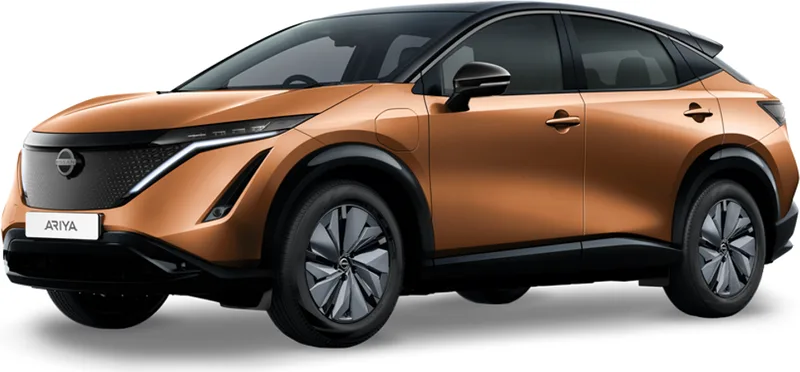
Nissan Ariya
Score: 88/100
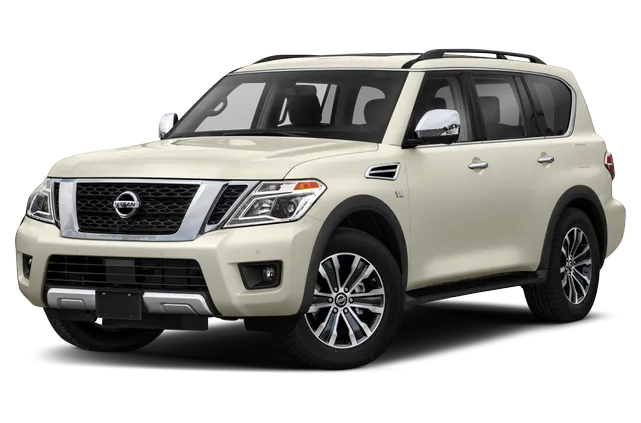
Nissan Armada
Score: 74/100
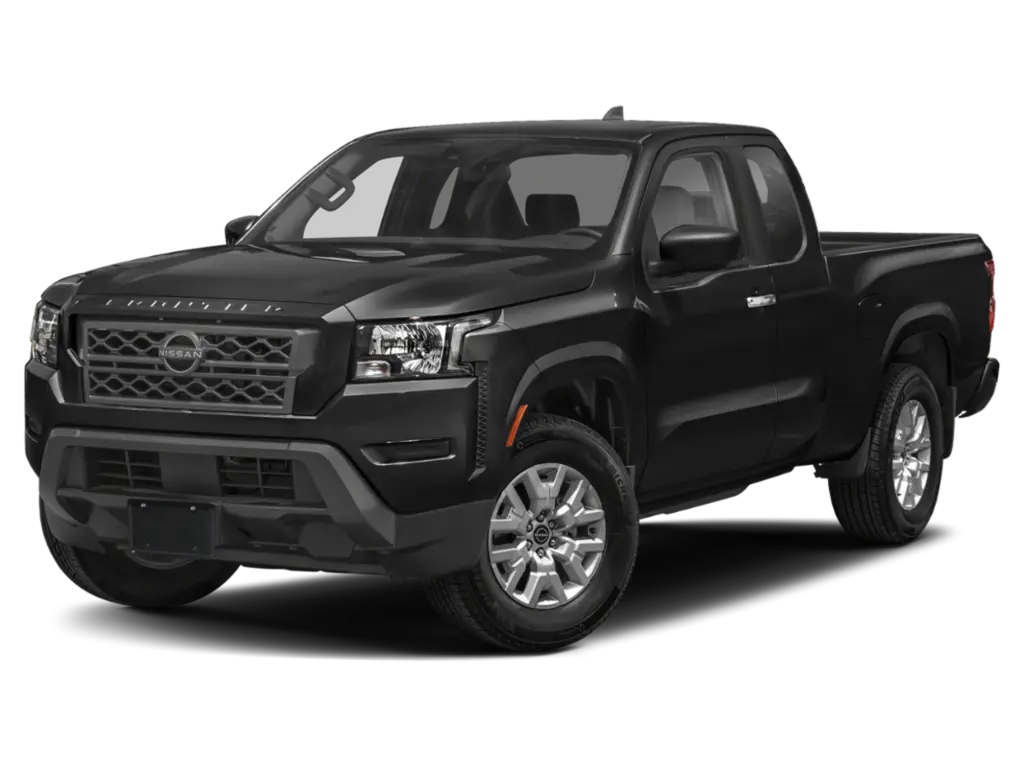
Nissan Frontier
Score: 77/100
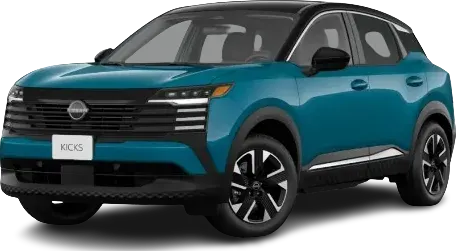
Nissan Kicks
Score: 83/100
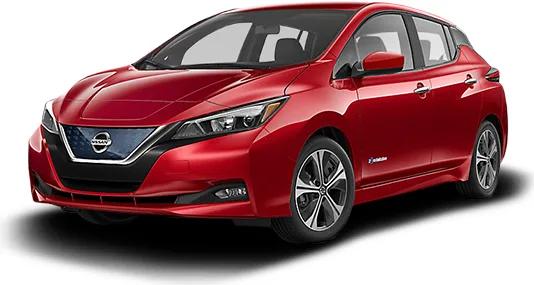
Nissan Leaf
Score: 79/100
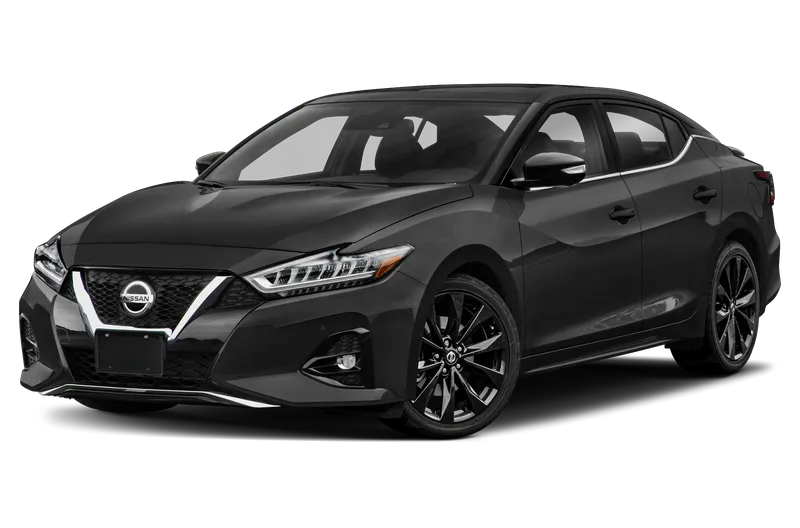
Nissan Maxima
Score: 77/100
Browse More 2019 Vehicles
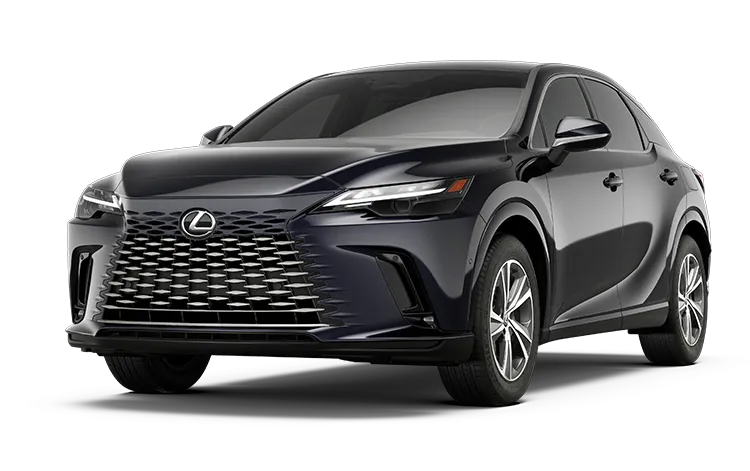
2019 Lexus RX
Score: 82/100
2019 Nissan Frontier
Score: 80/100
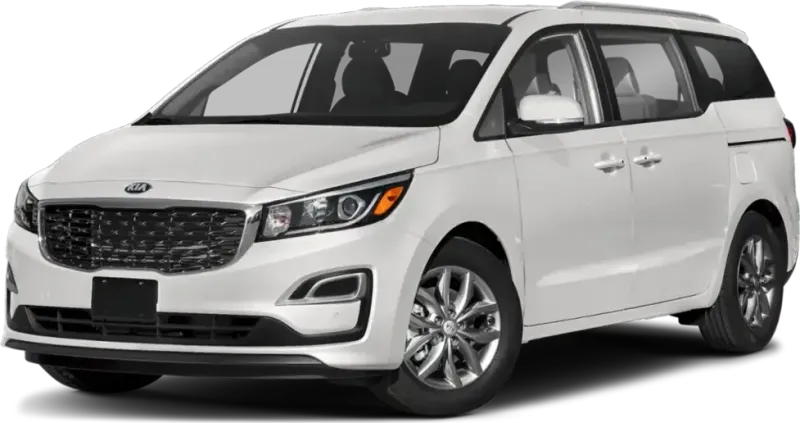
2019 Kia Sedona
Score: 80/100
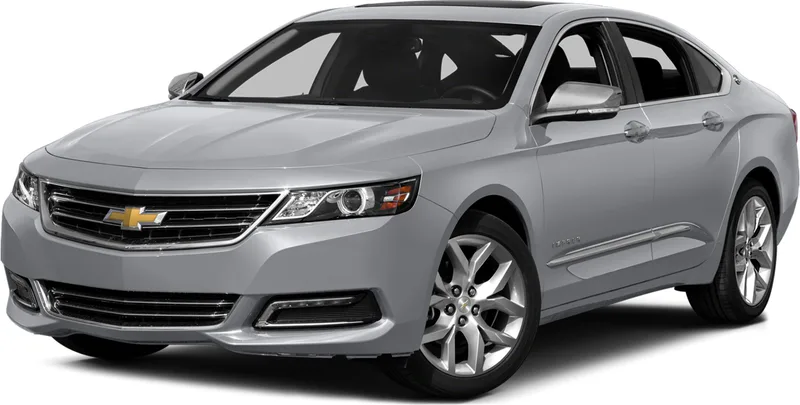
2019 Chevrolet Impala
Score: 79/100
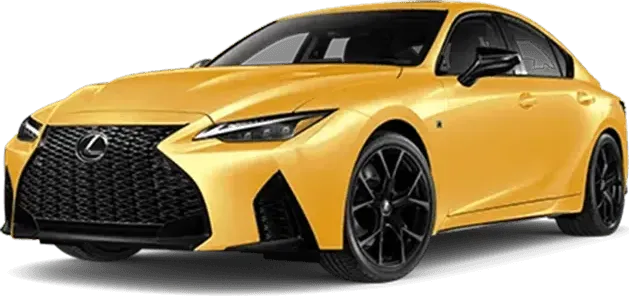
2019 Lexus IS
Score: 79/100
2019 Lexus ES
Score: 78/100
See incorrect data? Report an issue