Last updated: 2026-10-10
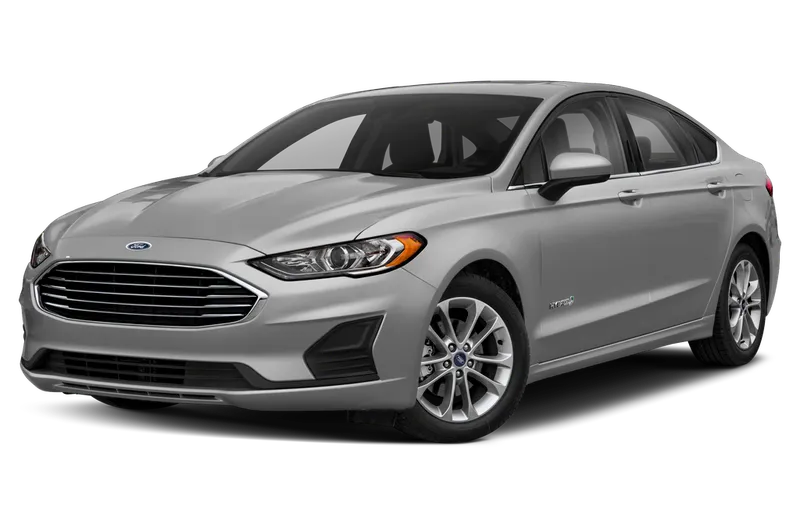
2019 Ford Fusion Reliability Report
The 2019 Ford Fusion rates good for reliability, but coolant leaking into the cylinders on EcoBoost engines often ends in an engine replacement.
Recalls
3
Complaints
370
Complaint Rate
22.3per 10,000 sold
Est. Repair Cost
$581
Annual Fuel Cost
$2,200–$3,000
Detailed Score Breakdown
Component-weighted complaints normalized by sales volume
Independent repair cost ratings
Recall count weighted by severity
Breadth of reported problem categories
The Verdict
The weakest of the three scored Fusion years, held back by EcoBoost coolant-in-cylinder failures and cracked flex plates, though it still rates good overall.
Top Issues to Watch
- ENGINE (110)
- POWER TRAIN (72)
- ELECTRICAL SYSTEM (70)
Generation & Refresh (US)
2019 received a 2019 facelift update for the Second generation (2013).
- Changes: Standard Ford Co-Pilot 360 safety suite; Updated styling; Changes in engine availability.
- Year 7 in this generation (2013–2023).
- 2nd generation Fusion (US).
What this means for buyers
Refresh years bring updates but can also introduce new issues. Check early recall data before buying.
2013: Second generation (2013) Launch
Generation start — new platform.
2017: Mid-Cycle Refresh
Updated features and styling tweaks.
2019: This Model Year (Refresh)
2019 received a 2019 facelift update for the Second generation (2013).
Should You Buy the 2019 Ford Fusion?
Good, but not the best Fusion. This year ranks as the weakest of the three scored model years, and it sits close to average among 2019 sedans. Independent repair-cost data puts yearly repairs at $581 for the Fusion, against $526 for its class. The 2018 rates about the same, and the 2020 rates better. Federal crash testing gave five of five stars.
The main problem is the engine. On the 2.0L and 1.5L EcoBoost engines, owners report coolant leaking into the cylinders. Signs include coolant loss with no visible leak, harsh cold starts, a misfire on one cylinder, and white exhaust smoke. New spark plugs and coils often do not fix it, and the usual repair is a replacement engine. Most failures come between about 69,000 and 126,000 miles. Cracked flex plates are next: a rattle at idle that grows louder, with failures starting around 55,000 miles. Federal records list three recalls.
Ask for engine and coolant service records, and check recall status by VIN. Look at a 2020 too, since it rates better.
Compared to the 2020 Ford Fusion, which scored 3 points higher. See also the 2018 Ford Fusion for an earlier comparison.
Pros
- +Acceptable reliability score
- +Infrequent unscheduled repairs
- +Low major repair risk (12%)
- +Below-average complaint rate for Sedan
Cons
- −Above-average repair costs for its class
- −Moderate recall count
- −ENGINE: Coolant leaks into the cylinders on the 2.0L and 1.5L EcoBoost engines, and the... (110 complaints)
Compare 2019 Ford Fusion With
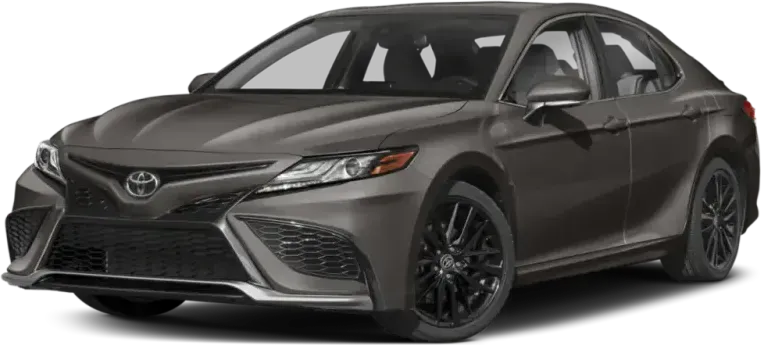
2019 Toyota Camry
Reliability: 70/100
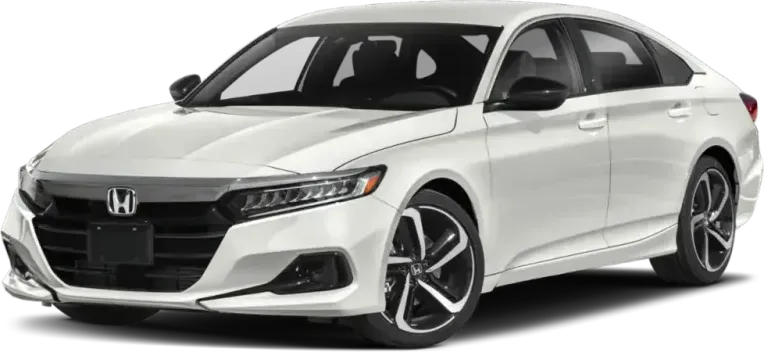
2019 Honda Accord
Reliability: 70/100
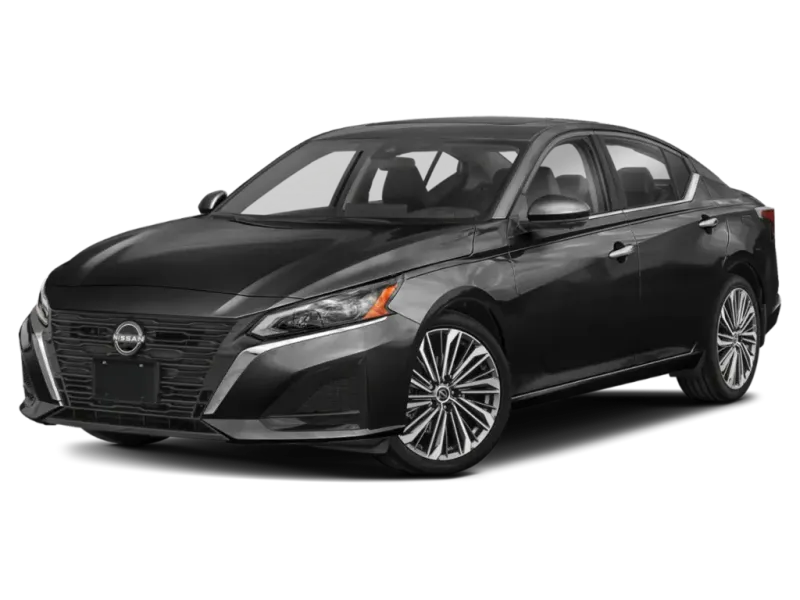
2019 Nissan Altima
Reliability: 72/100
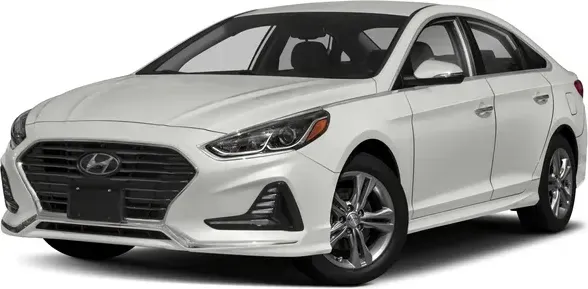
2019 Hyundai Sonata
Reliability: 71/100
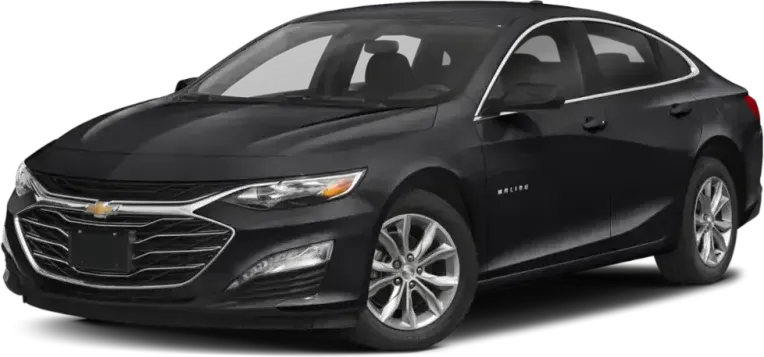
2019 Chevrolet Malibu
Reliability: 74/100
Common Problem Categories
Safety
LOW RISK- 3 manufacturer recalls issued
Other
HIGH RISK- ENGINE (110)
- POWER TRAIN (72)
Recall Overview
3
recalls on record
A moderate 3 recalls are on file for the 2019 Ford Fusion. Each one points to a specific safety or compliance issue identified by the manufacturer or NHTSA — check the list below before buying.
NHTSA.gov →Complaint Breakdown
22.3
per 10,000 soldSegment avg: 19.1
Safety Incidents
5
Crashes
2
Fires
7
Injuries
0
Deaths
NHTSA 5/5 Stars
Data sourced from NHTSA complaint filings and manufacturer recall notices. Complaint narratives are owner-reported.
2019 Ford Fusion Recall Details
3 recalls have been issued for the 2019 Ford Fusion. All recall repairs are performed free of charge at authorized dealerships.
EQUIPMENT
Ford Motor Company (Ford) is recalling certain 2016-2019 Lincoln MKC, 2016-2023 Explorer, 2019-2020 Fusion, 2019-2024 Ranger, 2020-2022 Lincoln Corsair, Escape, 2021-2024 Bronco, Bronco Sport, and 2022-2024 Maverick vehicles. The engine block heater may crack and develop a coolant leak, causing it to short circuit when the block heater is plugged in.
Consequence
An electrical short circuit can increase the risk of a fire.
Remedy
Owners are advised not to plug in their block heater until the vehicle is remedied. Dealers will replace the block heater, free of charge. Owners will also have a alternative option to replace engine block heater element with a threaded blanking plug, and remove the block heater electrical cord. Interim letters, notifying owners of the safety risk, were mailed December 3, 2025. Additional letters will be sent once the final remedy is available, anticipated September 2026. Owners may contact Ford customer service at 1-866-436-7332. Ford's number for this recall is 25SA4. Vehicle Identification Numbers (VINs) involved in this recall became searchable on NHTSA.gov on October 15, 2025.
BACK OVER PREVENTION
Ford Motor Company (Ford) is recalling certain 2018-2022 Transit Connect, 2019-2020 MKZ, MKX, Edge, Continental, F-150, Nautilus, Fusion, 2019-2023 Ranger, Mustang, 2020-2021 EcoSport, Expedition, Navigator, 2020-2022 Escape, F-250 SD, Corsair, 2020-2023 Aviator, Transit, 2020-2024 Explorer, 2021-2024 Bronco Sport, and 2022-2024 Maverick vehicles. A software error may cause the rearview camera to display a blank image, or the image may remain on the display after the backing event has ended.
Consequence
A rearview camera that displays a blank image can reduce the driver's view behind the vehicle. A rearview image that continues to be displayed after the vehicle is shifted out of reverse may distract the driver. Both of these situations can increase the risk of a crash.
Remedy
Dealers will update the rearview camera software, free of charge. Owner notification letters were mailed September 4, 2025. Owners may contact Ford customer service at 1-866-436-7332. Ford's number for this recall is 25S72.
ELECTRICAL SYSTEM
Ford Motor Company (Ford) is recalling certain 2019-2020 Fusion PHEV vehicles. The battery energy control module (BECM) may become damaged due to excessive voltage and current flow.
Consequence
A damaged BECM can result in a loss of drive power or fire, increasing the risk of a crash or injury.
Remedy
Owners are advised not to charge their vehicles until the remedy is completed. Dealers will replace the battery and update the BECM software for free, or Ford will repurchase the vehicle. If your vehicle is currently operating normally, Ford has authorized dealers to replace the fuse block and a software update as an interim repair before the availability of remedy parts for the final repair. This repair will be free of charge (parts and labor). As an alternative remedy, Ford is offering a vehicle refund. Please see Ford's owner notification letter or contact Ford for full details. Owner notification letters were mailed May 15, 2025. Owners may contact Ford customer service at 1-866-436-7332. Ford's number for this recall is 23S33.
Buying a used 2019 Ford Fusion? Check its history first
Engine problems lead owner complaints about the 2019 Ford Fusion, and 3 recalls were issued for it. A VIN check shows whether this car's recall work was done, plus accident, title, and odometer history.
- Accidents
- Open Recalls
- Title History
- Odometer Rollback
2019 Ford Fusion NHTSA Safety Ratings
Overall Safety Rating
Crash Test Results by Configuration (expand)
Gas Powertrain
Rollover risk: 10.9%
Safety Technologies
Ford FusionRepair Costs & Maintenance
Maintenance Rating
4Maintenance rating: 4 out of 5Based on NHTSA complaint patterns, recall severity, and publicly available cost benchmarks.
Est. Annual Maintenance
$581
vs $526 avg for midsize cars
vs $652 avg for all vehicles
Repair Frequency
0.3
unscheduled repair visits per year
Severe Repair Probability
12%
chance of a major repair
Annual Cost Comparison
Category-level averages derived from publicly available industry reports (AAA, CarMD). Model-level estimates produced by Auto Reliability Index.
Ford Fusion Resale Value
The Ford Fusion is estimated to retain about 47.4% of its original value after 5 years, based on observed used-car listings.
This benchmark covers the Ford Fusion model overall and is not specific to the 2019 model year.
- Value Retained
- 47.4%
- Depreciation
- 52.6%
- Listings Analyzed
- 486
after 5 years
over the same period
U.S. used-car listings
Listings observed in . This is a historical market benchmark, not a current price quote.
Explore Ford Fusion depreciation and resale value on CarResaleValue.comMPG & Annual Running Costs
Gas
20–27 MPG
Running cost: $2,800–$3,600/yr
Fuel + repair
17–23 city / 26–34 hwy MPG
Plug-in Hybrid
41–42 MPG
Running cost: $2,050/yr
Fuel + repair
43 city / 40–41 hwy MPG
Running cost includes EPA fuel-cost estimate and independent repair-cost data (repair cost estimated at model level). Excludes routine maintenance, depreciation, and insurance. Data as of 2019 EPA label cycle.
Gas trims
| Trim | Drive | Trans. | City | Hwy | Comb | Fuel Cost |
|---|---|---|---|---|---|---|
| Fusion FWD 1.5L 4-cyl | Front-Wheel Drive | Automatic (S6) | 23 | 34 | 27 | $2,200 |
| Fusion FWD 2.0L 4-cyl | Front-Wheel Drive | Automatic (S6) | 21 | 31 | 25 | $2,400 |
| Fusion FWD 2.5L 4-cyl | Front-Wheel Drive | Automatic 6-spd | 21 | 31 | 25 | $2,400 |
| Fusion AWD 2.0L 4-cyl | All-Wheel Drive | Automatic (S6) | 20 | 29 | 23 | $2,600 |
| Fusion AWD 2.7L 6-cyl | All-Wheel Drive | Automatic (S6) | 17 | 26 | 20 | $3,000 |
Plug-in Hybrid trims
| Trim | Drive | Trans. | City | Hwy | Comb | Fuel Cost |
|---|---|---|---|---|---|---|
| Fusion Energi Plug-in Hybrid 2.0L 4-cyl | Front-Wheel Drive | Automatic (variable gear ratios) | 43 | 40 | 42 | $1,450 |
| Fusion Special Service Vehicle PHEV 2.0L 4-cyl | Front-Wheel Drive | Automatic (variable gear ratios) | 43 | 40 | 42 | $1,450 |
Used Buying Checklist
Key things to inspect or verify before purchasing a 2019 Ford Fusion.
Check the coolant reservoir on a cold engine and ask whether the owner has been topping it off.
Start the car cold and watch for shuddering, a rough idle, or white exhaust smoke.
Scan for stored codes P0300 through P0304, P0316, and P1299, which point to coolant intrusion.
Ask for receipts showing an engine replacement or repeated spark plug and coil swaps on one cylinder.
Listen at idle near the engine and transmission joint for a rattle or ticking that suggests a cracked flex plate.
Refuel during the test drive, then restart right away and note any hard starting or check engine light.
Shift between park, reverse, and drive several times and confirm no SHIFT SYS FAULT message and a clear backup camera.
On a plug-in hybrid, have a Ford dealer run the VIN for open recalls and confirm charging is allowed.
2019 Ford Fusion Common Problems by Component
370 owner complaints grouped by vehicle system.
ENGINE
110 complaintsFusion engine problems across all model years
Coolant leaks into the cylinders on the 2.0L and 1.5L EcoBoost engines, and the usual fix is a full engine replacement. Warning signs include coolant loss with no visible leak, harsh cold starts, shuddering, a misfire on one cylinder, white exhaust smoke, and overheating. Many cars get new spark plugs and coils first, and then the misfire comes back. Most failures land between about 69,000 and 126,000 miles, with a few much earlier. Some cars stall on the highway. Repair bills near $8,000 come up, with coverage denied or only partial. Cracked flex plates causing loud shaking also appear.
POWER TRAIN
72 complaintsA cracked flex plate is the most repeated failure. It starts as a rattle or ticking at idle near the bell housing, gets louder with each start, and can leak transmission fluid or cut power. One car cracked a second one within about 12,500 miles. Other reports describe harsh shifts from first to second and second to third, a torque converter clutch that keeps engaging and disengaging, and a SHIFT SYS FAULT message that leaves the car unable to go into park, traced to a worn shifter bushing. Coolant intrusion and head gasket failures also show up here.
ELECTRICAL SYSTEM
70 complaintsSafety-relatedBattery trouble on the plug-in hybrid dominates. Most complaints describe a recall repair that has dragged on for months, with parts on back order and owners told not to charge, which cuts efficiency and resale value. Two reports involve fire: a popping sound, a stop-vehicle warning, then smoke filling the cabin. One injury is reported. Other hybrids suffer repeat battery control module failures and sudden shutdowns while driving, sometimes with a burning smell. Separately, the backup camera freezes or goes black or blue, and the infotainment system forgets paired phones.
ENGINE AND ENGINE COOLING (50 complaints)
ENGINE AND ENGINE COOLING
50 complaintsFusion engine problems across all model years
Coolant intrusion into the cylinders is the main failure, and it usually ends in a recommendation to replace the engine. The car shakes at startup or at highway speed, the check engine light comes on or flashes, and scans show a misfire on one cylinder. Other signs include white exhaust smoke, an empty coolant reservoir, Engine Coolant Overtemperature warnings, and limp mode. Several cars lose power while moving and have to coast to the shoulder. Swapping spark plugs, coils, or the water pump does not fix it. Failures mostly appear between about 75,000 and 108,000 miles.
UNKNOWN OR OTHER (21 complaints)
UNKNOWN OR OTHER
21 complaintsSafety-relatedThese reports cover a mix of problems. A flex plate rattle that gets worse on cold starts and at idle comes up, along with coolant leaking into a cylinder and causing overheating. The backup camera freezes, goes blank, or stays on while driving. Other cars refuse to start until they sit for hours, shut off on the interstate after a communication error message, or cannot shift because of a broken shift cable or bushing. One crash report describes the car pulling left into a bridge wall without airbag deployment. Shattering glass and a leaking sunroof also appear.
STEERING (8 complaints)
STEERING
8 complaintsThe wheel stiffens or locks up while driving in a few reports, one with an electronic power steering control module fault message. Others describe the wheel catching on left turns while the brakes grab and the ABS light comes on, and the steering wheel shaking whenever the brakes are applied, which one dealer could not diagnose. A sudden hybrid shutdown in traffic left steering and braking very heavy. One owner reports the steering wheel control panels melting and cracking in direct sun. The reports are too few and too varied to point to one cause.
FUEL SYSTEM (5 complaints)
FUEL SYSTEM
5 complaintsThe car is hard to start right after refueling. It takes several tries or a wait of about five minutes, and the check engine light stays on. Mechanics trace this to a stuck canister purge valve or a failed EVAP canister. Some cars also hesitate, slow down on their own, or stall. The remaining reports describe a cracked flex plate or flywheel that makes a loose, knocking noise at idle, with one car losing power around 70,000 miles. The purge valve failure appears around 56,000 miles.
FUEL/PROPULSION SYSTEM (5 complaints)
FUEL/PROPULSION SYSTEM
5 complaintsMost of these complaints are about a recall delay on the plug-in hybrid. Owners say they were told in June 2023 to stop charging until a fix arrived, and some were still waiting as of March 2025, driving what amounts to a less efficient regular hybrid. Compensation reports are thin. Other reports describe hard starting after every fill-up caused by a failed purge valve, with replacement parts hard to find. One complaint describes the transmission locking the front wheels at 45 mph.
VEHICLE SPEED CONTROL (5 complaints)
VEHICLE SPEED CONTROL
5 complaintsCruise control accelerates past the set speed in several reports. Holding the plus button can cause runaway acceleration until the driver cancels or brakes. One car surged to 71 mph after the driver released the brake, at just 350 miles. Adaptive cruise misses vehicles during lane changes and on curves. Other complaints describe the accelerator pedal seizing, the brakes seizing in traffic, and the car sticking in first gear, problems one owner links to the auto stop-start feature. Most of these reports come from cars with very low mileage.
AIR BAGS (4 complaints)
AIR BAGS
4 complaintsSafety-relatedFront airbags fail to deploy in serious frontal crashes in three reports, each with an injury. These include a T-bone collision in an intersection, a deer strike at 70 mph, and a 35 mph impact that totaled the other car. Injuries include a fractured sternum and back and neck pain. One driver saw a front camera unavailable message minutes before the crash. A separate report describes an airbag warning light from a failed module at 6,400 miles, with warranty coverage denied.
When Do 2019 Ford Fusion Problems Start?
Based on owner complaint patterns, here's when common issues tend to appear.
Best & Worst Ford Fusion Years
Best Ford Fusion Years to Buy
Based on reliability index score2020
2019
(Current Model)
2018
Ford Fusion Years to Avoid
No Ford Fusion years are statistical outliers in our data.
Scores stay between 68 and 71 across 3 scored model years.
Ford Fusion Reliability Score Trend
Scores 0–100. Higher is better. Current year highlighted.
| Year | Score | Rating |
|---|---|---|
| 2018 | 68/100 | Good |
| 2019 | 68/100 | Good |
| 2020 | 71/100 | Good |
Ford Fusion Reliability Compared to Other Years
Frequently Asked Questions
Is the 2019 Ford Fusion reliable?
What are the most common problems with the 2019 Ford Fusion?
Does the 2019 Ford Fusion have engine coolant problems?
How much does the 2019 Ford Fusion cost to repair?
Is the 2019 Ford Fusion better than the 2018 or 2020?
Don’t buy a 2019 Ford Fusion without checking its VIN first — hidden accidents, title issues, and open recalls could cost you thousands.
How we score the 2019 Ford Fusion
Of the four inputs behind this score, the 2019 Ford Fusion does best on repair costs (80/100) and worst on complaint severity (50/100). Scores weight complaint severity at 35%, repair costs at 30%, recall impact at 20%, and the spread of complaints across systems at 15%, with complaint counts adjusted for US sales. Read the full methodology.
Get notified when new recalls or reliability data is added for the Ford Fusion.
No spam. Only data updates for this model.
Browse More Ford Models

Ford Bronco
Score: 59/100
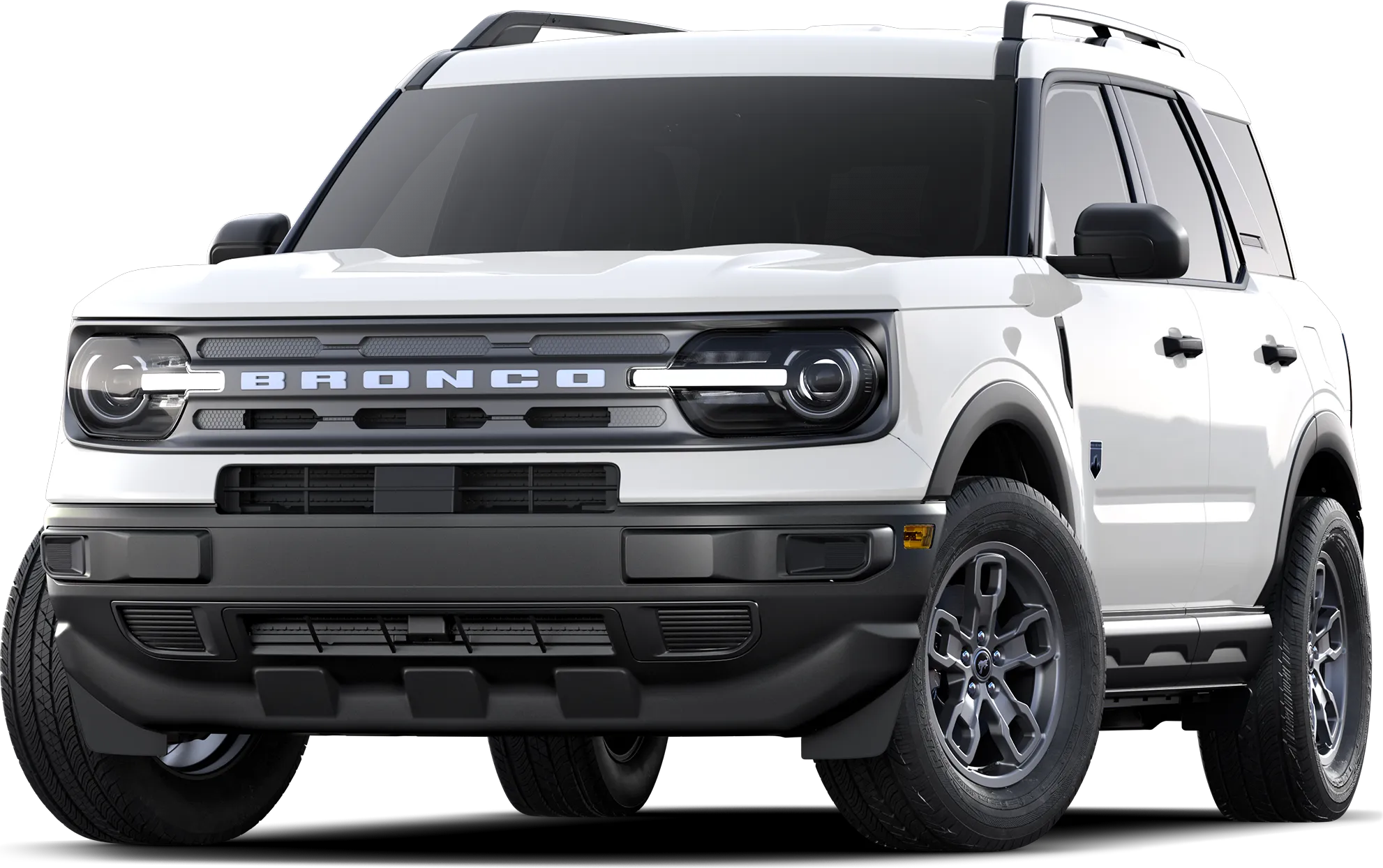
Ford Bronco Sport
Score: 77/100
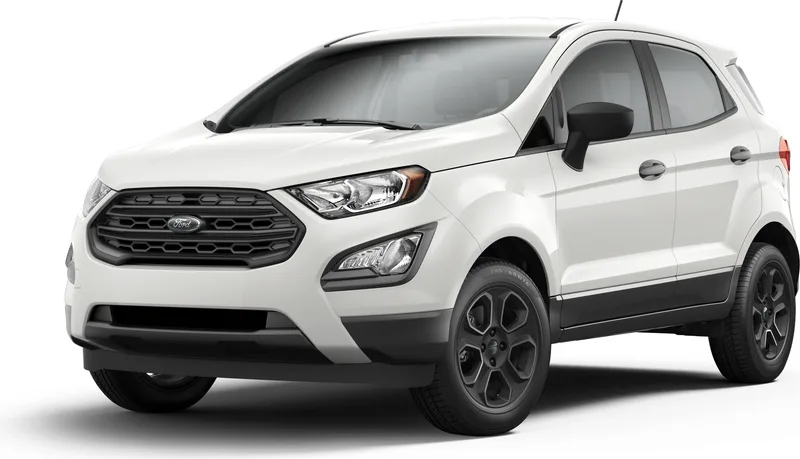
Ford EcoSport
Score: 74/100
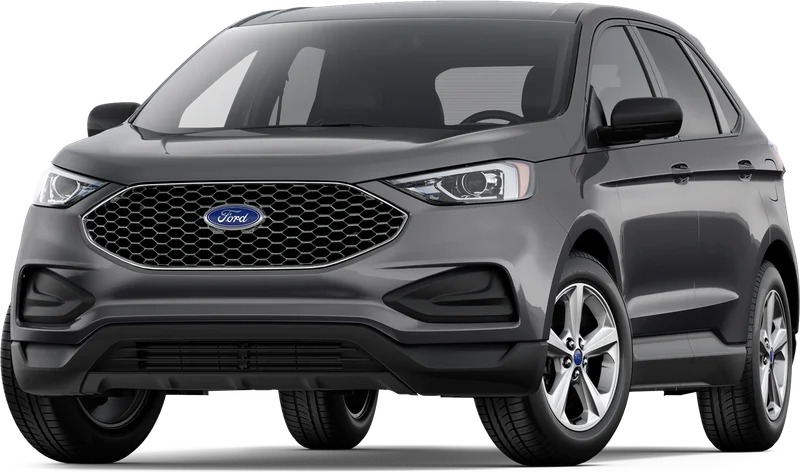
Ford Edge
Score: 76/100
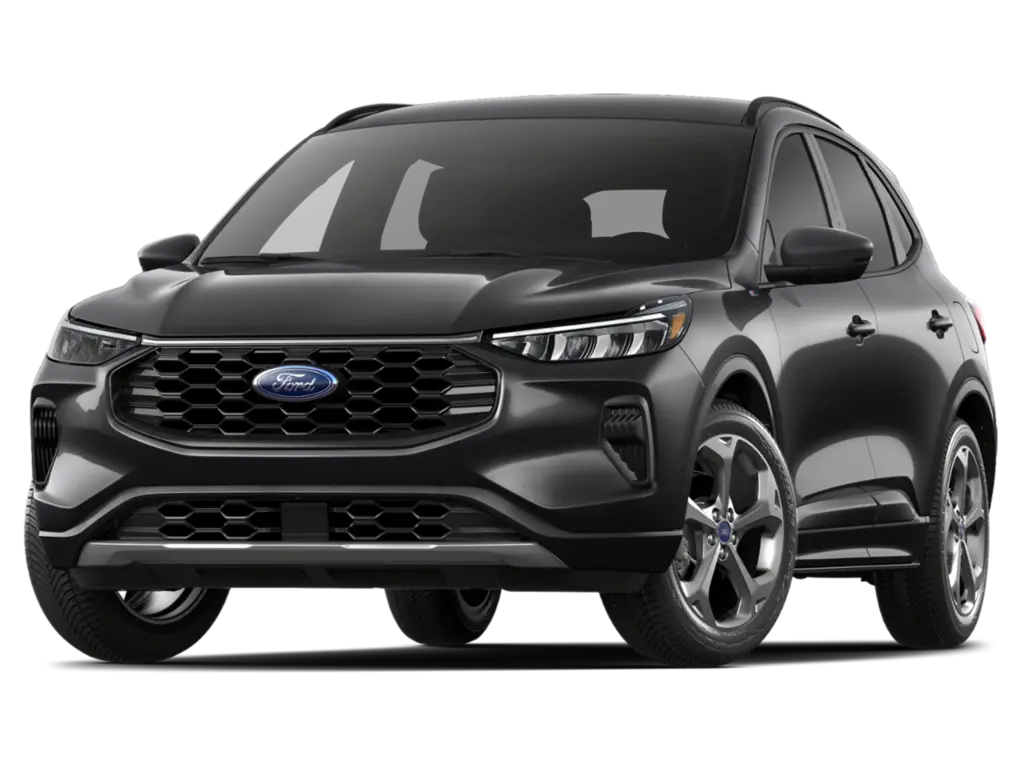
Ford Escape
Score: 77/100
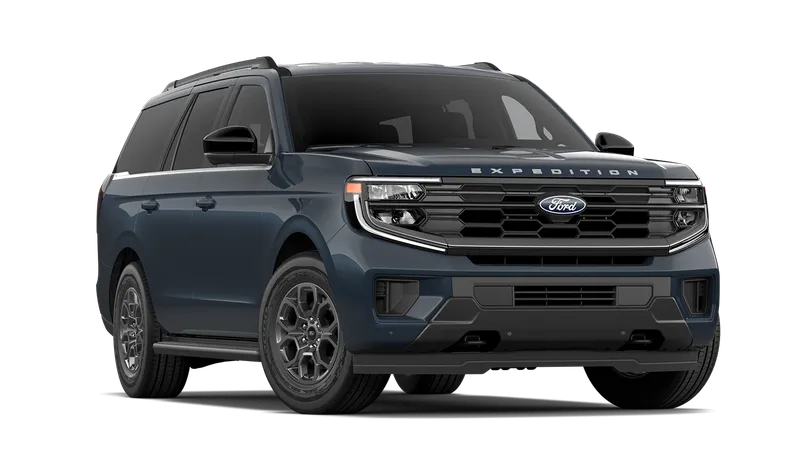
Ford Expedition
Score: 71/100
Browse More 2019 Vehicles
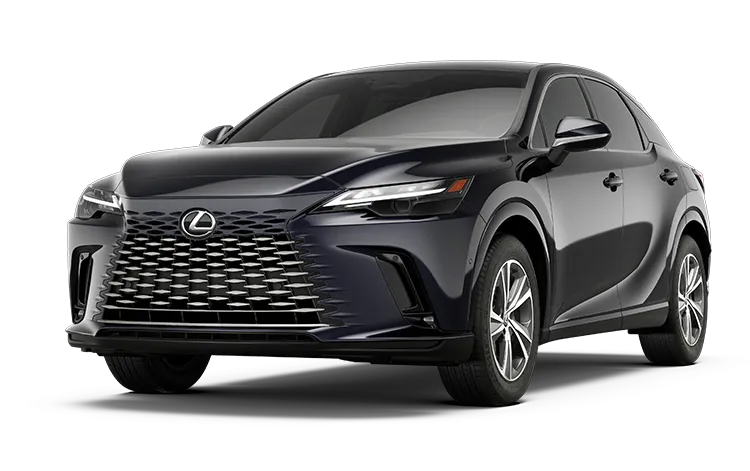
2019 Lexus RX
Score: 82/100
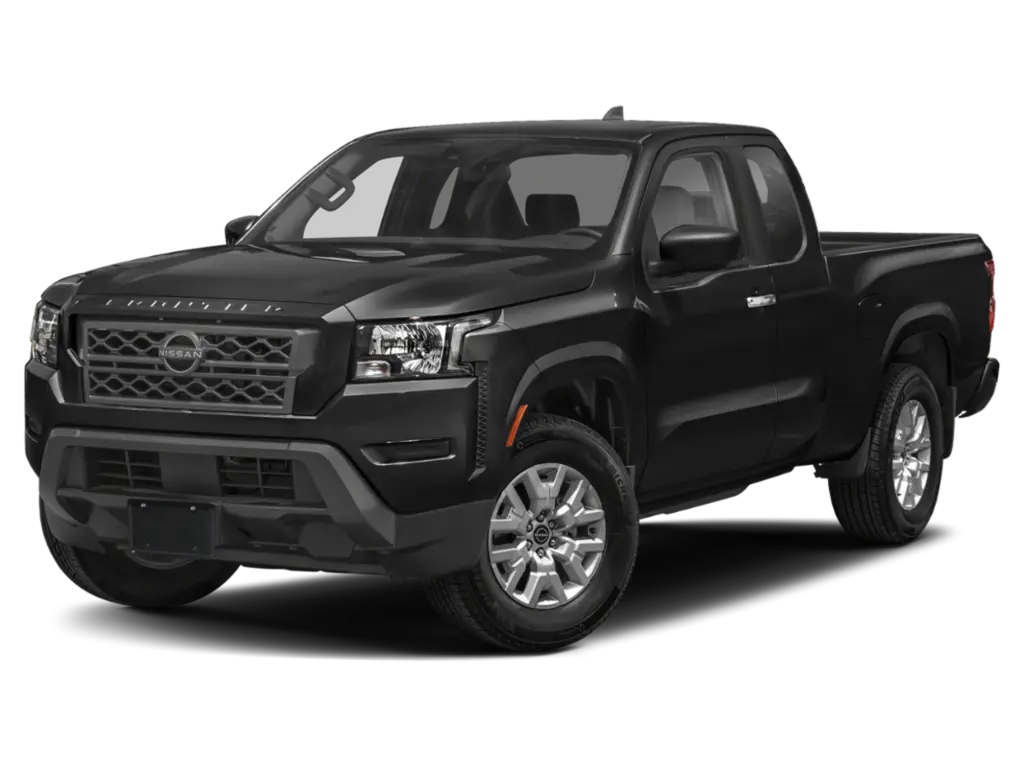
2019 Nissan Frontier
Score: 80/100
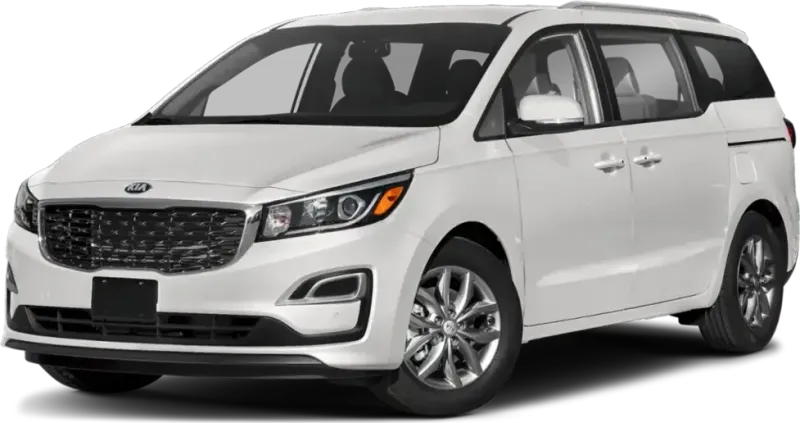
2019 Kia Sedona
Score: 80/100
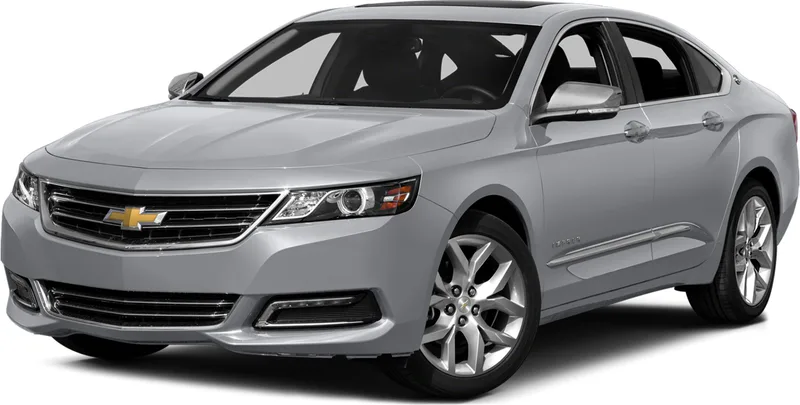
2019 Chevrolet Impala
Score: 79/100
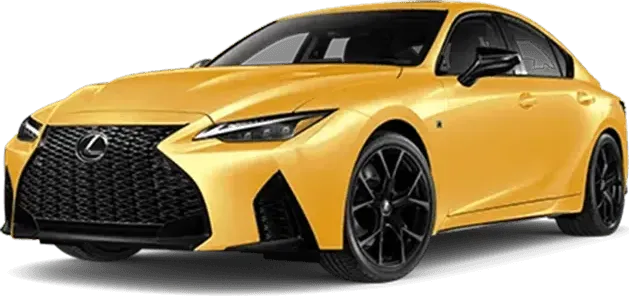
2019 Lexus IS
Score: 79/100
2019 Lexus ES
Score: 78/100
See incorrect data? Report an issue