Last updated: 2026-10-10
Chevrolet Malibu vs Ford Fusion: Reliability Compared
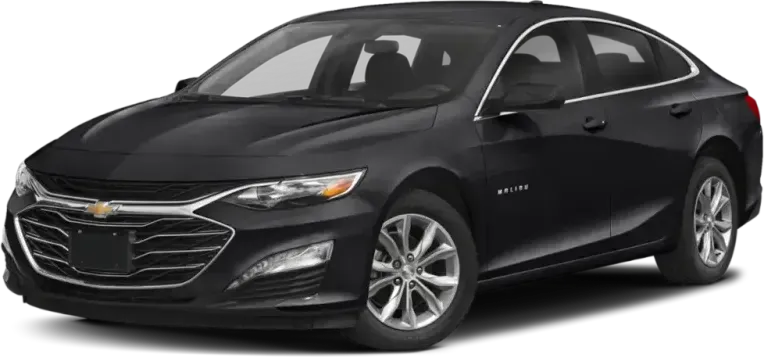
Chevrolet Malibu
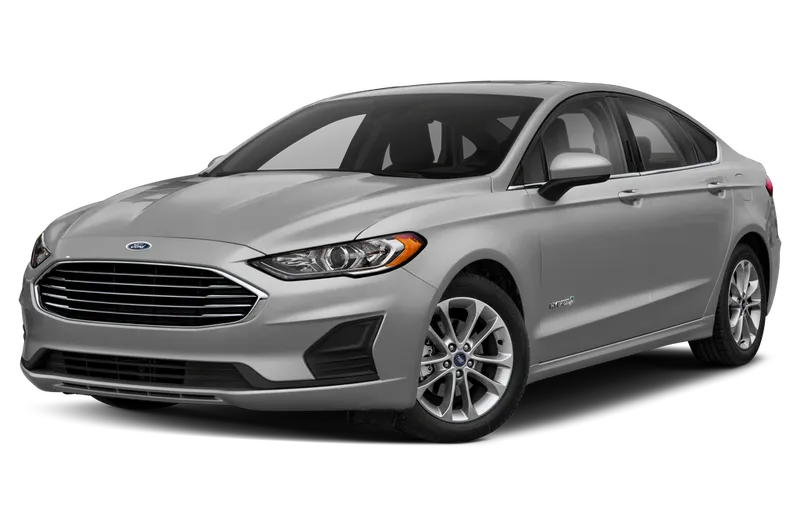
Ford Fusion
Reliability favors the Chevrolet Malibu over the Ford Fusion by a clear margin. Owners file far fewer complaints per car sold. The Fusion's cracked flex plates and coolant leaks into the cylinders are the main reason it falls behind, though the Malibu has its own shifter and brake faults.
How Do the Chevrolet Malibu and Ford Fusion Generations Compare?
Verdict
The Chevrolet Malibu is more reliable than the Ford Fusion, scoring 76/100 vs 69/100.
A clear edge goes to the Malibu. Its owners file far fewer complaints per car sold, and its repair costs run a little lower. The Fusion's problems are expensive: cracked flex plates, coolant leaking into the cylinders, and engine replacements on cars with no warning light. The Malibu has serious faults too, mainly a false "Shift to Park" warning and brake vacuum pump failures. Still, the Fusion's engine failures tend to end in a new engine, and that tips the call to the Malibu.
Key Differences
- 1Chevrolet Malibu costs $49 less per year to repair
- 2Chevrolet Malibu has 17.5 fewer complaints per 10k sold
- 3Chevrolet Malibu scores 7 points higher in reliability
Category Scoreboard
Chevrolet Malibu vs Ford Fusion: Which Is More Reliable?
| Metric | Chevrolet Malibu | Ford Fusion |
|---|---|---|
| Reliability Score | 76/100 | 69/100 |
| Years Tracked | 8 | 3 |
| Total Recalls | 13 | 8 |
| Complaints per 10k Sold | 3.6 | 21.1 |
| Annual Repair Cost | $532/yr | $581/yr |
| Repair Frequency | 0.3/yr | 0.3/yr |
| Major Repair Risk | 11% | 12% |
| Safety RatingNHTSA overall | 2025 NHTSA | 2020 NHTSA |
| Frontal | ||
| Side | ||
| Rollover | ||
| Year Wins | 2 | 1 |
What Are the Common Problems With the Chevrolet Malibu and Ford Fusion?
A failed shift lever behind a false "Shift to Park" warning is the most common Malibu fault. The car may not shut off, and the battery can drain. The worst Malibu reports involve brake vacuum pump failure, where the pedal goes hard or sinks, and sudden power loss on the highway. Brakes carry the most crash links of any Malibu area. Fusion trouble sits in the engine and drivetrain: a cracked flex plate that rattles at idle, and coolant leaking into the cylinders. The Fusion also has steering reports, with snapped front lower control arms, which the Malibu data does not show. Its engine category has no crash links.
| Component | Chevrolet Malibu | Ford Fusion |
|---|---|---|
| ENGINE | 0.4Very Low | 5.7Average |
| POWER TRAIN | 0.9Very Low | 5Average |
| ELECTRICAL SYSTEM | 0.7Very Low | 2.6Low |
| ENGINE AND ENGINE COOLING | —None | 2.9Low |
| UNKNOWN OR OTHER | 0.5Very Low | 1.5Low |
| STEERING | 0.2Very Low | 0.8Very Low |
| VEHICLE SPEED CONTROL | 0.2Very Low | 0.2Very Low |
| AIR BAGS | 0.1Very Low | 0.3Very Low |
| SERVICE BRAKES | 0.2Very Low | 0.1Very Low |
| FUEL/PROPULSION SYSTEM | 0.1Very Low | 0.2Very Low |
| WHEELS | —None | 0.2Very Low |
| FUEL SYSTEM | —None | 0.1Very Low |
| SUSPENSION | —None | 0.1Very Low |
| SEAT BELTS | —None | 0.1Very Low |
| STRUCTURE | —None | —None |
| FORWARD COLLISION AVOIDANCE | —None | —None |
| TIRES | —None | —None |
Complaints per 10,000 units sold, aggregated across all tracked model years from NHTSA owner reports.
Which Is Cheaper to Maintain: Chevrolet Malibu or Ford Fusion?
How Does Chevrolet Malibu vs Ford Fusion Reliability Compare by Year?
| Year | Chevrolet Malibu | Ford Fusion | Edge |
|---|---|---|---|
| 2020 | 74/1001R / 178C | 71/1003R / 176C | Chevrolet Malibu |
| 2019 | 74/1001R / 181C | 68/1003R / 370C | Chevrolet Malibu |
| 2018 | 62/1006R / 673C | 68/1002R / 429C | Ford Fusion |
Best years to cross-shop: The 2020 Chevrolet Malibu scored 74/100 and the 2020 Ford Fusion scored 71/100 — the strongest shared model years that have been on the road for at least two years, where available.
Who Should Buy the Chevrolet Malibu vs the Ford Fusion?
Chevrolet Malibu vs Ford Fusion: Common Questions
- Is the Chevrolet Malibu more reliable than the Ford Fusion?
- Yes, the Malibu has a clear edge. Owners filed 3.6 complaints per 10,000 sold, against 21.1 for the Fusion. Repair cost is also a little lower. The Fusion's engine failures, including coolant in the cylinders, often end in a replacement engine.
- Which has more recalls, the Malibu or the Fusion?
- The Malibu has more in total, with 13 recalls across 8 model years. The Fusion has 8 across 3 model years. The Malibu's count covers a longer span of years, so the Fusion actually has more recalls per model year shown.
- Which costs less to repair?
- The Malibu, at about $532 a year versus $581 for the Fusion. That is roughly $245 less over five years. Shop visits are the same at 0.3 a year, and major repairs are slightly less likely on the Malibu at 11% versus 12%.
- What is the "Shift to Park" problem on the Malibu?
- The dash says the car is not in Park when the shifter is in Park. The car may not shut off or lock, and the battery can drain. Dealers traced it to a failed shift lever. Owners past warranty report paying for the repair, and one paid $500.15.
- What is the main engine problem on the Ford Fusion?
- Two failures stand out. A cracked flex plate causes rattling or knocking at idle, usually with no warning light. Coolant can also leak into the cylinders, bringing white smoke and power loss. Owners blame the 1.5L EcoBoost, and most reports fall between 65,000 and 96,448 miles.
Related Reliability Comparisons
More Chevrolet Malibu comparisons
Decided between Chevrolet Malibu and Ford Fusion? Run a VIN check before you buy — uncover hidden accidents, title issues, and open recalls.
How we score the Chevrolet Malibu and Ford Fusion
Scores weight complaint severity at 35%, repair costs at 30%, recall impact at 20%, and the spread of complaints across systems at 15%, with complaint counts adjusted for US sales. Read the full methodology.
See incorrect data? Report an issue