Last updated: 2026-11-23
Chevrolet Sonic vs Honda Fit: Reliability Compared
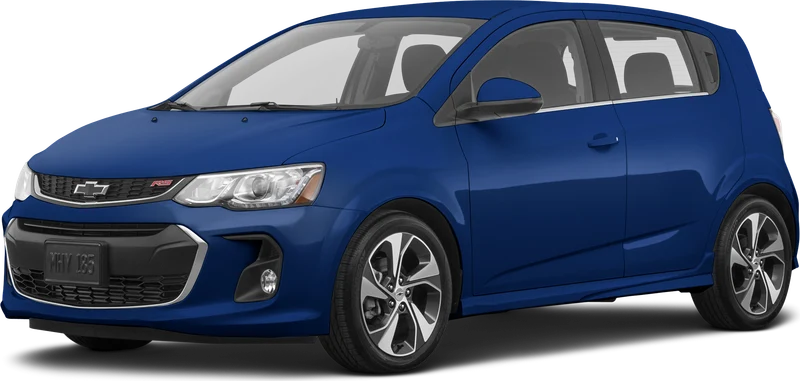 Chevrolet Sonic
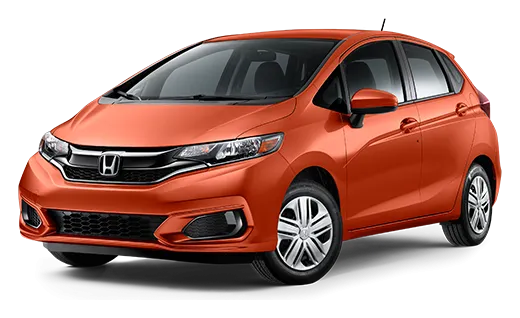 Honda Fit
The Sonic takes 3 of 7 rounds (2 drawn)
The Chevrolet Sonic comes out ahead of the Honda Fit on reliability, with a clear edge. Owner complaints and recalls are far lower for the Sonic. The Fit costs less to repair each year, but repeat dashboard and misfire problems pull its record down.
How Do the Chevrolet Sonic and Honda Fit Generations Compare?
Verdict
The Chevrolet Sonic is more reliable than the Honda Fit, scoring 79/100 vs 74/100.
A clear edge goes to the Sonic. Its owner complaints and recalls are far lower, and its problems are scattered rather than repeated. The Fit still rates good and costs less to keep running, but its dashboard, misfire, and injector complaints recur across model years. The Sonic's evidence is thinner, with only three model years and a small complaint pile, so treat its lead as real but not total.
Biggest gaps
- Chevrolet Sonic has 18 fewer total recalls
- Chevrolet Sonic has 21.1 fewer complaints per 10k sold
- Honda Fit has 3% lower major repair risk
Round by round
- Reliability ScoreSonic
- Total RecallsSonic
- Complaint RateSonic
- Annual Repair CostFit
- Repair FrequencyDraw
- Major Repair RiskFit
- Safety RatingDraw
Leaning Chevrolet Sonic or Honda Fit? Check the exact car before you buy
Whichever wins on paper, the car in front of you has its own past. A VIN check shows its accidents, title history and any open recalls.
Chevrolet Sonic vs Honda Fit: Which Is More Reliable?
| Metric | Chevrolet Sonic | Honda Fit |
|---|---|---|
| Reliability ScoreOut of 100, higher is better | 79/100 | 74/100 |
| Years Tracked | 3 | 6 |
| Total RecallsLower is better | 1 | 19 |
| Complaints per 10k SoldLower is better | 7.1 | 28.2 |
| Annual Repair CostLower is better | $536/yr | $390/yr |
| Repair FrequencyUnscheduled shop visits a year | 0.4/yr | 0.4/yr |
| Major Repair RiskChance a repair is major | 11% | 8% |
| Safety RatingNHTSA overall | 2020 NHTSA | 2020 NHTSA |
| Frontal | ||
| Side | ||
| Rollover | ||
| Year WinsModel years with the higher score | 3 | 0 |
What Are the Common Problems With the Chevrolet Sonic and Honda Fit?
Two repeat faults dominate the Fit. The fuel and odometer display flickers or goes blank, and in worse cases every warning light comes on while ABS and power steering drop out. Carbon buildup and failed injectors cause misfires that return after cleaning. Sonic complaints are fewer and more varied: infotainment screens going black, coolant leaks and overheating, a failed turbocharger, and sudden stalls. Only the Fit has crash-linked areas on file, including a car that rolled out of a garage after being shut off in Drive. No Sonic category lists a crash.
| Chevrolet Sonic | Problem area | Honda Fit |
|---|---|---|
2.1 | Electrical | 9.7 |
0.4 | Fuel system | 5.0 |
0.4 | Engine | 2.7 |
0.4 | Transmission | 1.4 |
0 | Body and structure | 1.4 |
0 | Airbags | 1.0 |
0 | Automatic emergency braking | 0.6 |
0 | Brakes | 0.5 |
0.4 | Seats | <0.1 |
0 | Wheels and tires | 0.4 |
0 | Seat belts | 0.2 |
0 | Acceleration and cruise control | 0.2 |
0 | Headlights and exterior lights | 0.1 |
0 | Wipers and visibility | <0.1 |
0 | Steering | <0.1 |
0.6 | Other or unspecified | 2.6 |
0 | Equipment | <0.1 |
Complaints per 10,000 units sold, counting each car's tracked model years that have US sales figures, from NHTSA owner reports. Shorter bars mean fewer complaints.
Honda Fit problem guides
Which Is Cheaper to Maintain: Chevrolet Sonic or Honda Fit?
How Does Chevrolet Sonic vs Honda Fit Reliability Compare by Year?
| Year | Chevrolet Sonic | Honda Fit | Edge |
|---|---|---|---|
| 2020 | 80/1000 recalls · 11 complaints | 77/1004 recalls · 39 complaints | Sonic+3 |
| 2019 | 80/1000 recalls · 8 complaints | 68/1006 recalls · 139 complaints | Sonic+12 |
| 2018 | 78/1001 recall · 15 complaints | 70/1004 recalls · 117 complaints | Sonic+8 |
Best years to cross-shop: The 2020 Chevrolet Sonic scored 80/100 and the 2020 Honda Fit scored 77/100, the strongest shared model years that have been on the road for at least two years, where available.
Who Should Buy the Chevrolet Sonic vs the Honda Fit?
Team SonicPick the Sonic if you want the cleaner record and can accept a higher repair bill. Its owner complaints and recalls are low, and no problem area is tied to a crash. Aim for 2019, its strongest year. Be careful with 2018, its weakest, and check 2020, which appears on both its strongest and weakest lists. Ask whether cooling work, such as the water pump or coolant tank, has been done, and test the infotainment screen.
Team FitPick the Fit if you want lower yearly running costs and a wider choice of model years. Target 2017 or 2016, its strongest years. Skip 2015 and 2019, its weakest. Before you buy, watch the fuel and odometer display on a cold start, check for any misfire or check engine light, and ask about injector work. Also look for peeling paint and damp front footwells. Repeat dealer visits for electrical faults are common among owners.
Chevrolet Sonic vs Honda Fit: Common Questions
- Is the Honda Fit more reliable than the Chevrolet Sonic?
- No. The Sonic has a clear edge. It has 34 owner complaints against 732 for the Fit, and 1 recall against 19. Both rate good, but the Fit's electrical and misfire problems repeat often. The Sonic has fewer model years of data, so its record is less proven.
- Which has more recalls, the Fit or the Sonic?
- The Fit has more. Federal recall records show 19 across its six model years from 2015 to 2020. The Sonic has 1 across its three model years from 2018 to 2020. The Fit also covers more years, which gives recalls more time to build up.
- Which is cheaper to repair, the Fit or the Sonic?
- The Fit is cheaper. Independent repair-cost data estimates $390 a year for the Fit and $536 for the Sonic. That is about $730 more over five years for the Sonic. Major repairs are also more likely on the Sonic, at 11% against 8%.
- What goes wrong most often on the Honda Fit?
- Electrical faults lead, with 253 complaints. The fuel and odometer display flickers or goes blank, worse on cold mornings. Some owners see every warning light come on at once. Fuel system misfires from carbon buildup or failed injectors come next, and dealers often cannot reproduce the electrical faults.
- What problems do Chevrolet Sonic owners report?
- Infotainment screens going black lead the Sonic's electrical complaints, and one report says the system drained the battery. Others describe coolant leaks and overheating, a turbocharger failure near 47,600 miles, and sudden stalls. A few say the driver seat moved while driving. Each area has only a handful of reports.
Related Reliability Comparisons
More Chevrolet Sonic comparisons
Decided between Chevrolet Sonic and Honda Fit? Run a VIN check before you buy — uncover hidden accidents, title issues, and open recalls.
How we score the Chevrolet Sonic and Honda Fit
Scores weight complaint severity at 35%, repair costs at 30%, recall impact at 20%, and the spread of complaints across systems at 15%, with complaint counts adjusted for US sales. Read the full methodology.
See incorrect data? Report an issue