Last updated: 2026-10-10
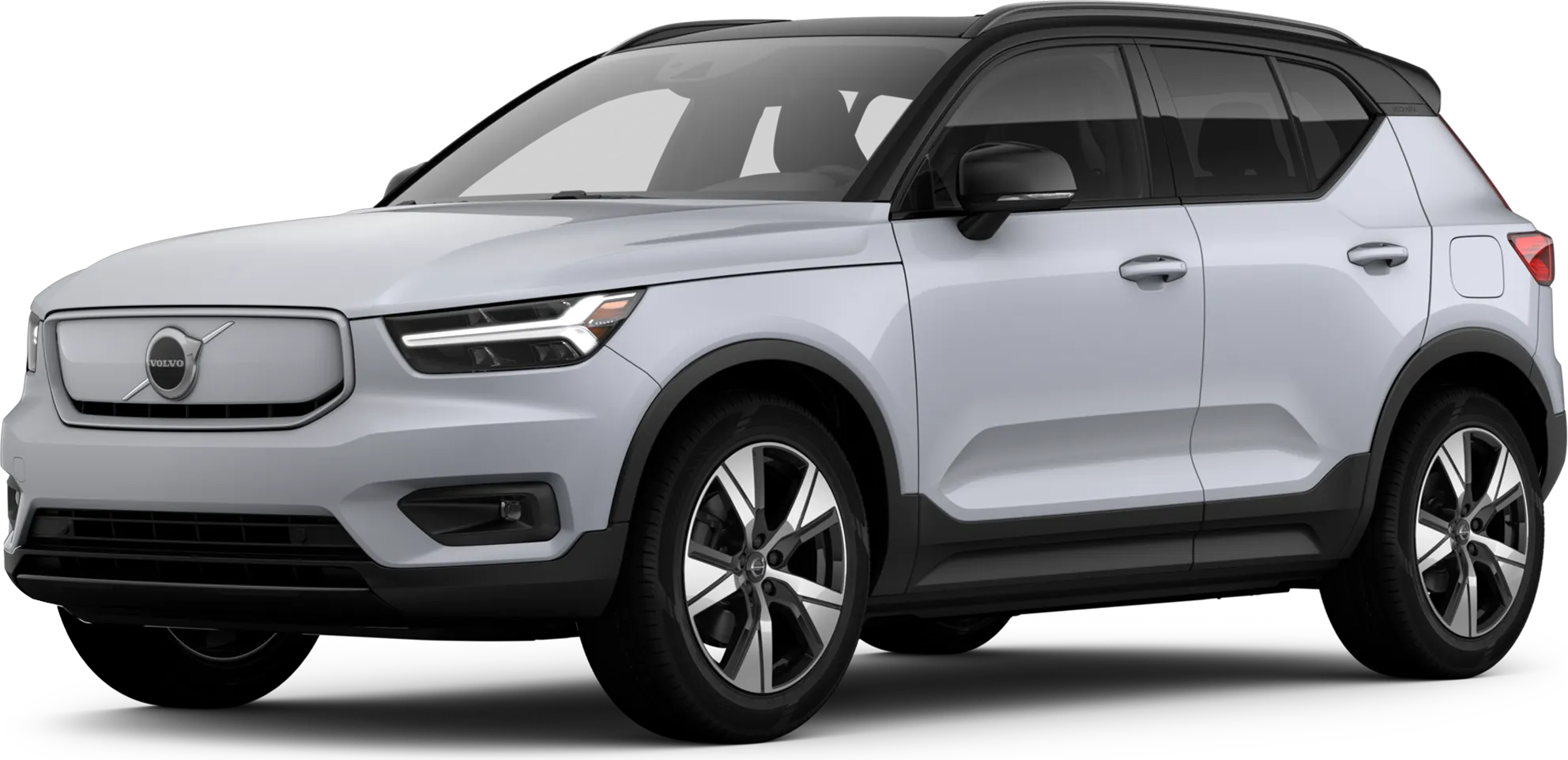
Volvo XC40 Years to Avoid
6 scored model years (2019–2026) · model average 61/100
Skip the 2021 and 2023 Volvo XC40. The 2021 suffers sudden power loss and no-starts, while the 2023 has a rearview camera that keeps dropping out plus electrical faults. Buy the 2020 instead, which has far fewer complaints and only one recall.
Verdict
- Avoid
- 2021 46/1002023 48/100
- Buy
- 2020 71/100
- Model average
- 61/100
Volvo XC40 Years to Avoid
These model years score significantly below the Volvo XC40 average of 61/100.
Why These Years Should Be Avoided
2021 Volvo XC40
Power cuts out without warning, sometimes while the car is moving, and it then will not restart. Owners describe shutdowns at stop lights and highway exit ramps, black screens, repeated tows, and dealers who cannot find a cause. A "propulsion system failure" message can stop the car within seconds, and failures returned after software updates.
Top issues: Electrical System (9), Unknown Or Other (5), Fuel Propulsion System (4), Power Train (4), Back Over Prevention (3), Service Brakes (3)
View full 2021reliability report →2023 Volvo XC40
Rearview camera dropouts lead the complaints. The screen reads "camera temporarily unavailable" or flickers black, with some failures at 1,000 to 5,000 miles. Dealer software updates did not stop it for several owners. Other reports include false emergency braking, a full electrical shutdown while driving, and brakes that stiffen or fail to stop the car.
Top issues: Electrical System (8), Back Over Prevention (7), Unknown Or Other (4), Service Brakes (3), Steering (2), Visibility Wiper (2)
View full 2023reliability report →What Are Common Volvo XC40 Problems?
ELECTRICAL SYSTEM
24 complaintsMost reported in 2021, 2023, 2020
2021: All power cuts out, sometimes while the car is moving, and it then will not restart.
UNKNOWN OR OTHER
17 complaintsMost reported in 2021, 2019, 2023
2021: Sudden power loss follows a propulsion system failure warning in the most serious report here.
BACK OVER PREVENTION
14 complaintsMost reported in 2023, 2024, 2021
2023: Reversing triggers the failure: the rearview camera shows "Camera temporarily not available," goes black, or flickers, so the view behind is partly or fully blocked.
SERVICE BRAKES
13 complaintsMost reported in 2023, 2019, 2021
2023: Brakes fail to stop the vehicle, or the pedal stiffens under the driver's foot.
POWER TRAIN
8 complaintsMost reported in 2021, 2020, 2019
2021: Shuddering comes first, then the car stops and loses all power, unable to move forward or in reverse.
VISIBILITY/WIPER
5 complaintsMost reported in 2021, 2023
2021: Windshield cracks appear without a clear impact.
Best Volvo XC40 Year to Buy Instead
2020 Volvo XC40
The 2020 has far fewer owner complaints than the 2021 and 2023, and one recall against three and four. Its record is not built around repeated shutdowns or recurring camera dropouts. Its main complaint is water getting inside and disrupting electrical systems, so check for leaks before buying. It has also been on the road long enough for its record to mean something.
Found a Safe Year? Check the Specific Car
Even the 2020 Volvo XC40 has 1 recall on file. A VIN check confirms the recall work on the exact car and shows its accident, title, and service history.
- Accidents
- Open Recalls
- Title History
- Odometer Rollback
All Volvo XC40 Years by Generation
Volvo XC40 Reliability Scores by Year
First generation (XC40; 2018-present) (2018–2024)
2020 Volvo XC40
1 recalls · 10 complaints
2024 Volvo XC40
3 recalls · 14 complaints
2019 Volvo XC40
4 recalls · 29 complaints
2023 Volvo XC40
4 recalls · 35 complaints
2021 Volvo XC40
3 recalls · 40 complaints
Second generation (EX40; 2024-present) (2024–2024)
Frequently Asked Questions
Which Volvo XC40 years should I avoid?
Which Volvo XC40 year has the power loss problem?
Which Volvo XC40 year has the worst backup camera trouble?
Is the 2019 Volvo XC40 a good buy?
Are the 2024 and 2026 Volvo XC40 safe to buy?
How we score every Volvo XC40 model year
Scores weight complaint severity at 35%, repair costs at 30%, recall impact at 20%, and the spread of complaints across systems at 15%, with complaint counts adjusted for US sales. Read the full methodology.
See incorrect data? Report an issue