Last updated: 2026-10-10
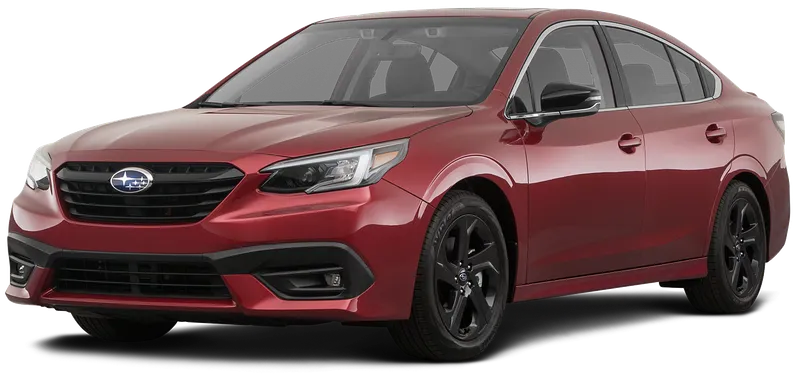
Subaru Legacy Years to Avoid
8 scored model years (2018–2025) · model average 75/100
Skip the 2019 and 2020 model years. Both draw the most owner complaints, led by windshields that crack with no impact and often crack again after replacement. The 2024 model year is the one to buy, with no recalls and far fewer complaints.
Verdict
- Avoid
- 2020 67/1002019 69/100
- Buy
- 2024 81/100
- Model average
- 75/100
Subaru Legacy Years to Avoid
These model years score significantly below the Subaru Legacy average of 75/100.
Why These Years Should Be Avoided
2020 Subaru Legacy
Of all the years, this one has the most recalls at six and the highest complaint rate per car sold. Windshields crack with no impact, often with a pop, and repeat after replacement. Batteries drain until the car will not start, and one owner reported smoke under the hood and then a fire.
Top issues: Visibility Wiper (52), Unknown Or Other (24), Electrical System (14), Visibility (9), Power Train (7), Vehicle Speed Control (3)
View full 2020reliability report →2019 Subaru Legacy
Windshield cracks lead the complaints, with 46 reports of glass failing while parked, some at 3,300 to 5,500 miles. Replacement glass cracks too, and dealers often decline coverage. Touchscreens also bubble and dial calls on their own, and some batteries die after sitting a few days.
Top issues: Visibility Wiper (46), Electrical System (34), Unknown Or Other (15), Engine (5), Fuel Propulsion System (4), Vehicle Speed Control (3)
View full 2019reliability report →What Are Common Subaru Legacy Problems?
VISIBILITY/WIPER
139 complaintsMost reported in 2020, 2019, 2018
2020: Windshields crack with no impact, often with a loud pop while driving or overnight while parked, sometimes after freezing weather.
ELECTRICAL SYSTEM
97 complaintsMost reported in 2018, 2019, 2020
2018: The touchscreen delaminates.
UNKNOWN OR OTHER
78 complaintsMost reported in 2020, 2018, 2019
2020: Spontaneous windshield cracking makes up most of these reports.
VISIBILITY
19 complaintsMost reported in 2020, 2018, 2019
2020: Windshields crack without impact, either while driving at low speed or discovered on getting into the car.
VEHICLE SPEED CONTROL
11 complaintsMost reported in 2020, 2019, 2018
2020: The car suddenly loses power at highway speed, with warning lights across the dash and speed capped around 25 to 30 mph.
ENGINE
11 complaintsMost reported in 2019, 2018, 2021
2019: Reports are few and scattered.
Best Subaru Legacy Year to Buy Instead
2024 Subaru Legacy
Unlike 2019 and 2020, the 2024 model year has no recalls, and it has been on the road long enough to judge. Its complaints are few and spread out, mainly infotainment freezes and a passenger airbag indicator issue. Windshield complaints exist but are far fewer than the 46 and 52 filed against the weaker years.
Found a Safe Year? Check the Specific Car
Even the 2024 Subaru Legacy has 0 recalls on file. A VIN check confirms the recall work on the exact car and shows its accident, title, and service history.
- Accidents
- Open Recalls
- Title History
- Odometer Rollback
All Subaru Legacy Years by Generation
Subaru Legacy Reliability Scores by Year
Sixth generation (BN/BS) (2015–2020)
2018 Subaru Legacy
3 recalls · 116 complaints
2019 Subaru Legacy
3 recalls · 123 complaints
2020 Subaru Legacy
6 recalls · 121 complaints
Seventh generation (BW/BT) (2020–2025)
2024 Subaru Legacy
0 recalls · 16 complaints
2025 Subaru Legacy
0 recalls · 6 complaints
2022 Subaru Legacy
2 recalls · 32 complaints
2023 Subaru Legacy
2 recalls · 10 complaints
2021 Subaru Legacy
3 recalls · 31 complaints
2020 Subaru Legacy
6 recalls · 121 complaints
Frequently Asked Questions
Which Subaru Legacy years should I avoid?
Will the dealer cover a cracked Legacy windshield?
Do the 2019 and 2020 Legacy have battery problems?
Is the 2018 Subaru Legacy a safe used buy?
Is the 2025 Subaru Legacy better than the 2024?
How we score every Subaru Legacy model year
Scores weight complaint severity at 35%, repair costs at 30%, recall impact at 20%, and the spread of complaints across systems at 15%, with complaint counts adjusted for US sales. Read the full methodology.
See incorrect data? Report an issue