Last updated: 2026-10-10
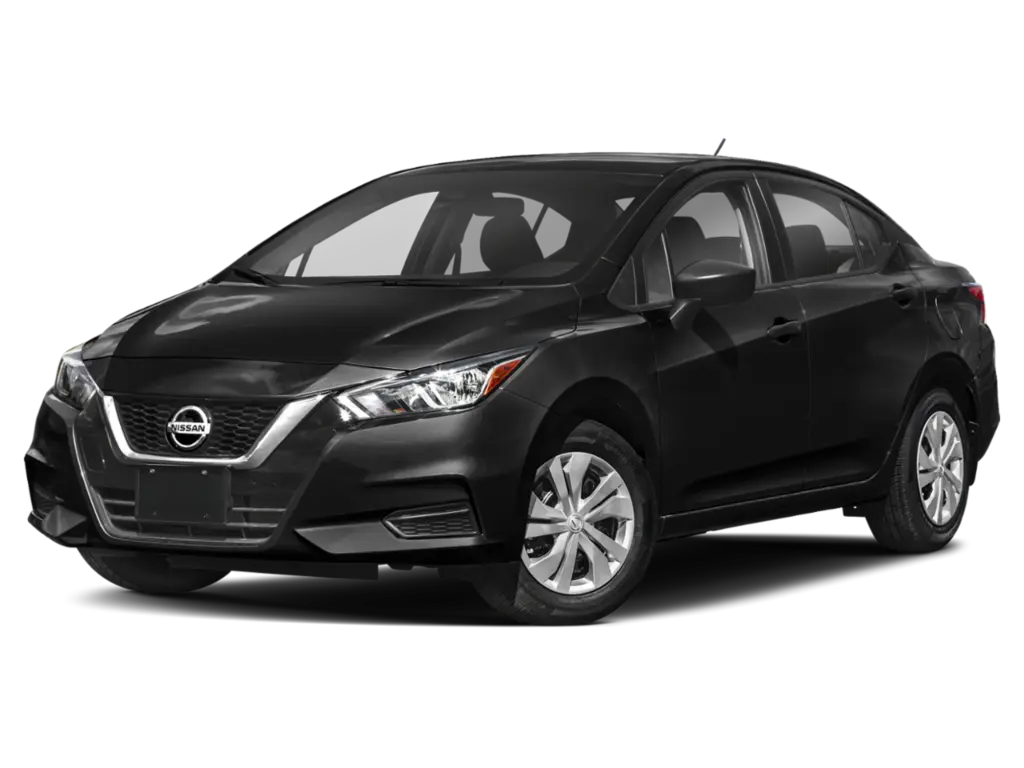
2020 Nissan Versa Reliability Report
The 2020 Nissan Versa has a good reliability standing, but CVT jerking, slipping, and power loss when pulling away are its main problem.
Recalls
2
Complaints
60
Complaint Rate
12.4per 10,000 sold
Est. Repair Cost
$456
Annual Fuel Cost
$1,700–$2,000
Detailed Score Breakdown
Component-weighted complaints normalized by sales volume
Independent repair cost ratings
Recall count weighted by severity
Breadth of reported problem categories
The Verdict
Mid-pack among Versa years, with CVT hesitation as the main complaint and a 2021 model that rates better with fewer complaints.
Top Issues to Watch
- POWER TRAIN (14)
- ELECTRICAL SYSTEM (10)
- ENGINE (5)
Generation & Refresh (US)
2020 is year 2 of the Third generation (N18).
- Redesigned for the 2019 model year.
- 3rd generation Versa (US).
What this means for buyers
Year 2 is typically a safer pick than the first model year — early issues are more likely to be identified, but the platform is still new.
If you're comparing prices, check 2019 (redesign year) vs 2020+ pricing and recalls.
2019: Third generation (N18) Launch
Generation start — new platform.
2020: This Model Year
2020 is year 2 of the Third generation (N18).
Should You Buy the 2020 Nissan Versa?
Good, with one clear weak spot. This year holds up above average against other 2020 sedans and lands in the middle of the five scored Versa years. The 2021 rates better and has fewer complaints. The 2020 earns a 5 of 5 federal crash-test rating, and its estimated repair cost matches its class.
The weak spot is the CVT. Owners describe jerking, shuddering, slipping, and lost power when pulling away from a stop or crawling in traffic. Some cars barely move after being shifted into drive. Dealers often find no codes and cannot reproduce it. Transmission replacement is diagnosed around 60,000 to 100,000 miles, and one dealer quoted $7,000. Electrical complaints come next, including dashboard warnings that light up together and rear parking assist that stops the car from backing up. Four air bag complaints involve failures to deploy in crashes. Federal records list two recalls, covering exterior lighting and the fuel system.
Test drive from a standstill and in stop-and-go traffic. Ask for transmission service records, and have the VIN checked for both recalls. Look at a 2021 too.
Compared to the 2021 Nissan Versa, which scored 3 points higher. See also the 2018 Nissan Versa for an earlier comparison.
Pros
- +Acceptable reliability score
- +Low major repair risk (10%)
- +Low recall count
- +Below-average complaint rate for Sedan
Cons
- −POWER TRAIN: CVT jerks, shudders, slips, or loses power, usually when pulling away from a... (14 complaints)
- −ELECTRICAL SYSTEM issues reported (10 complaints)
Compare 2020 Nissan Versa With
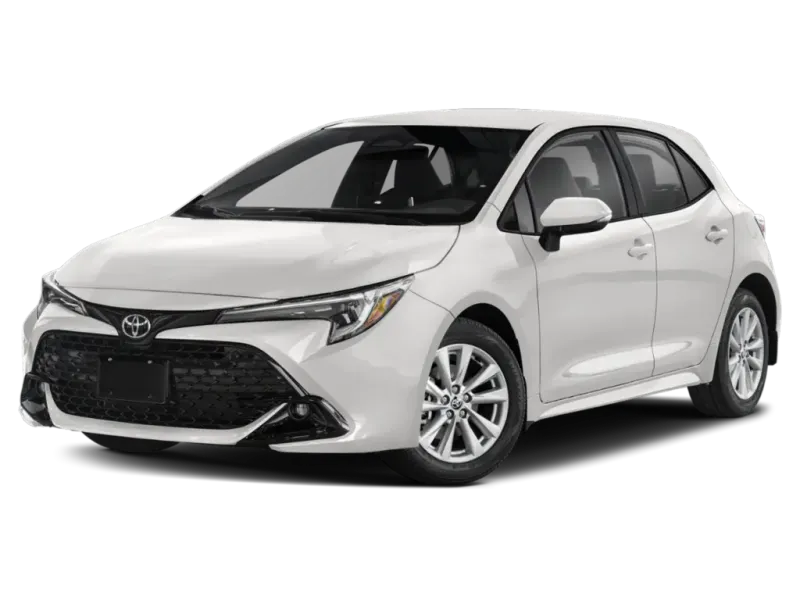
2020 Toyota Corolla
Reliability: 74/100
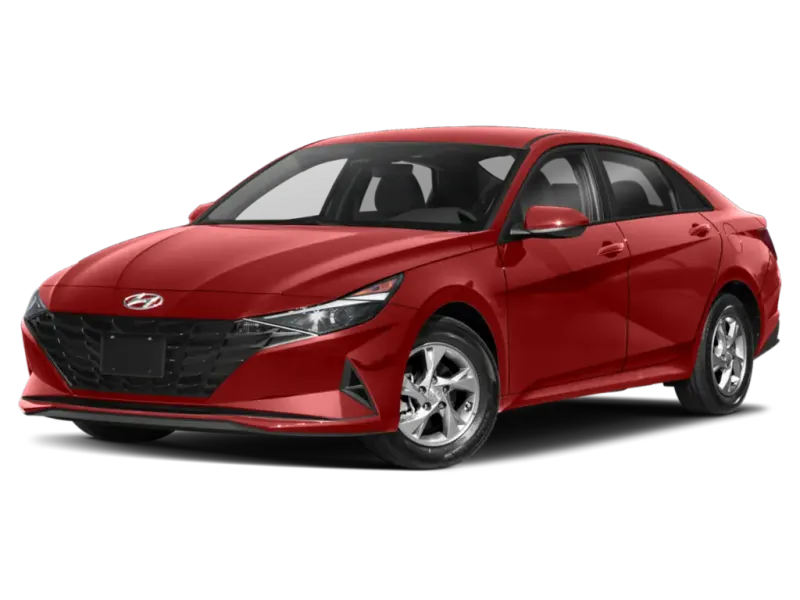
2020 Hyundai Elantra
Reliability: 72/100
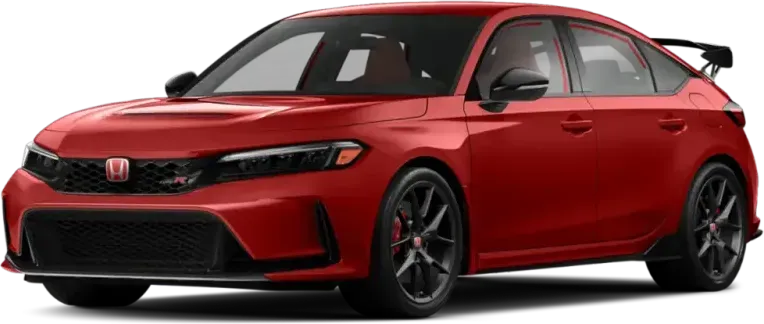
2020 Honda Civic
Reliability: 78/100
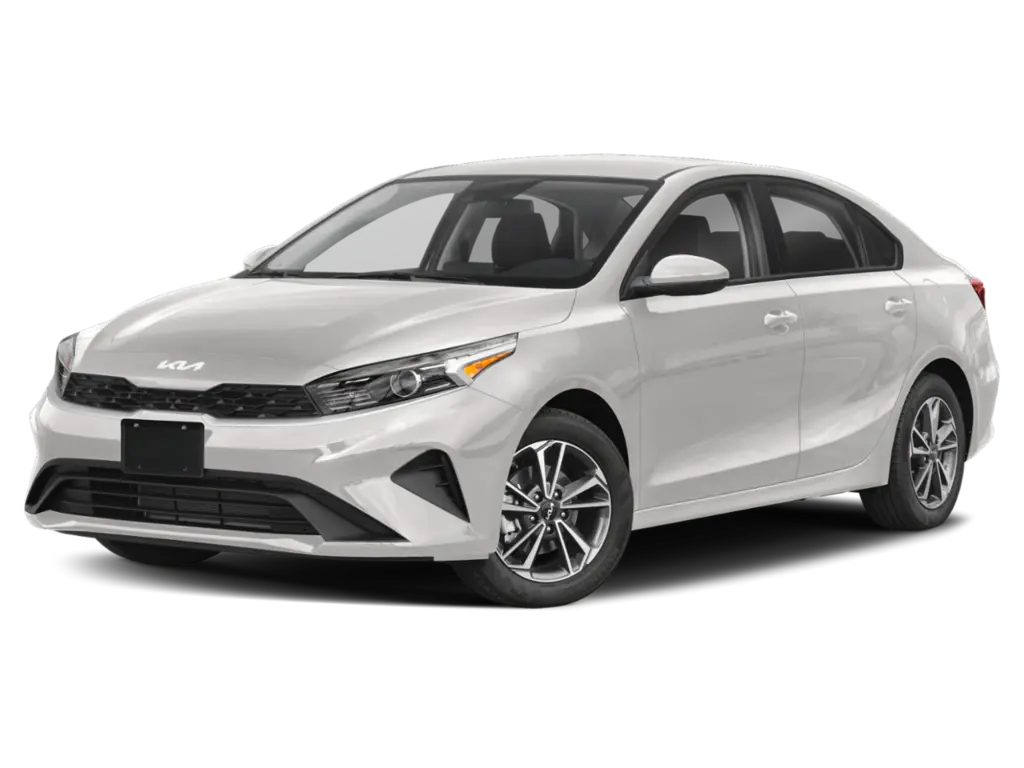
2020 Kia Forte
Reliability: 76/100
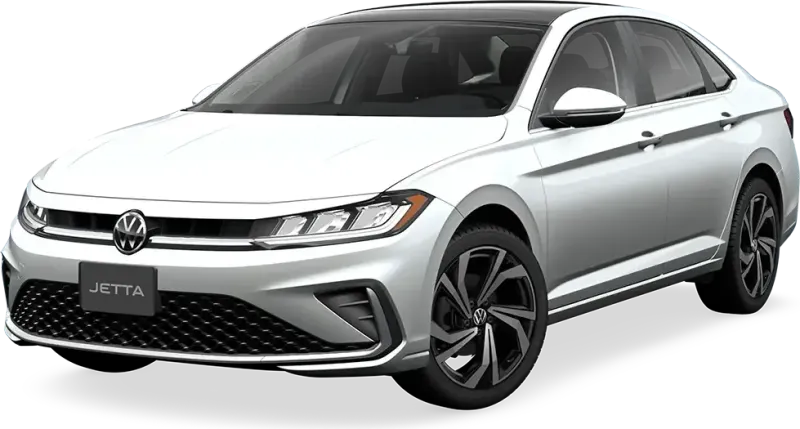
2020 Volkswagen Jetta
Reliability: 75/100
Common Problem Categories
Safety
LOW RISK- 2 manufacturer recalls issued
Other
HIGH RISK- POWER TRAIN (14)
- ELECTRICAL SYSTEM (10)
Recall Overview
2
recalls on record
The 2020 Nissan Versa carries 2 recalls — a low count. Authorized dealers repair any open recall free of charge, regardless of warranty status.
NHTSA.gov →Complaint Breakdown
12.4
per 10,000 soldSegment avg: 17.9
Safety Incidents
5
Crashes
0
Fires
5
Injuries
0
Deaths
NHTSA 5/5 Stars
Data sourced from NHTSA complaint filings and manufacturer recall notices. Complaint narratives are owner-reported.
2020 Nissan Versa Recall Details
2 recalls have been issued for the 2020 Nissan Versa. All recall repairs are performed free of charge at authorized dealerships.
EXTERIOR LIGHTING
Nissan North America, Inc. (Nissan) is recalling certain 2020-2021 Titan, Titan XD, and Versa vehicles. The front right and/or left turn signal bulb can crack and fail to illuminate.
Consequence
Inoperable front turn signals cannot alert on-coming drivers and/or pedestrians that the vehicle will be turning, increasing the risk of a crash.
Remedy
Dealers will inspect and replace the bulbs as necessary, free of charge. Owner notification letters were mailed August 20, 2021. Owners may contact Nissan customer service at 1-800-867-7669. Nissan's numbers for this recall are PM986 and PC811.
FUEL SYSTEM, GASOLINE
Nissan North America, Inc. (Nissan) is recalling certain 2020 Versa vehicles. Due to a manufacturing issue, the fuel tank wall thickness may be insufficient, potentially causing a small hole in the tank seam area.
Consequence
If a small hole is present, a fuel leak may occur if the operator fills the tank over half full, increasing the risk of a fire.
Remedy
Nissan will notify owners, and dealers will replace the fuel tank, free of charge. The recall began April 6, 2020. Owners may contact Nissan customer service at 1-800-867-7669.
Buying a used 2020 Nissan Versa? Check its history first
Power train problems lead owner complaints about the 2020 Nissan Versa, and 2 recalls were issued for it. A VIN check shows whether this car's recall work was done, plus accident, title, and odometer history.
- Accidents
- Open Recalls
- Title History
- Odometer Rollback
2020 Nissan Versa NHTSA Safety Ratings
Overall Safety Rating
Crash Test Results by Configuration (expand)
Gas Powertrain
Rollover risk: 11.8%
Safety Technologies
Nissan VersaRepair Costs & Maintenance
Maintenance Rating
4Maintenance rating: 4 out of 5Based on NHTSA complaint patterns, recall severity, and publicly available cost benchmarks.
Est. Annual Maintenance
$456
vs $456 avg for subcompact cars
vs $652 avg for all vehicles
Repair Frequency
0.4
unscheduled repair visits per year
Severe Repair Probability
10%
chance of a major repair
Annual Cost Comparison
Category-level averages derived from publicly available industry reports (AAA, CarMD). Model-level estimates produced by Auto Reliability Index.
Nissan Versa Resale Value
The Nissan Versa is estimated to retain about 57.1% of its original value after 5 years, based on observed used-car listings.
This benchmark covers the Nissan Versa model overall and is not specific to the 2020 model year.
- Value Retained
- 57.1%
- Depreciation
- 42.9%
- Listings Analyzed
- 188
after 5 years
over the same period
U.S. used-car listings
Listings observed in . This is a historical market benchmark, not a current price quote.
Explore Nissan Versa depreciation and resale value on CarResaleValue.comMPG & Annual Running Costs
Gas
30–35 MPG
Running cost: $2,150–$2,450/yr
Fuel + repair
27–32 city / 35–40 hwy MPG
Running cost includes EPA fuel-cost estimate and independent repair-cost data (repair cost estimated at model level). Excludes routine maintenance, depreciation, and insurance. Data as of 2020 EPA label cycle.
Gas trims
| Trim | Drive | Trans. | City | Hwy | Comb | Fuel Cost |
|---|---|---|---|---|---|---|
| Versa 1.6L 4-cyl | Front-Wheel Drive | Automatic (variable gear ratios) | 32 | 40 | 35 | $1,700 |
| Versa 1.6L 4-cyl | Front-Wheel Drive | Manual 5-spd | 27 | 35 | 30 | $2,000 |
Used Buying Checklist
Key things to inspect or verify before purchasing a 2020 Nissan Versa.
Drive in stop-and-go traffic and pull away from stops repeatedly; walk away if the car shudders, jerks, slips, or hesitates.
Shift into drive and reverse several times after a cold start and confirm the car moves promptly each time.
At startup, watch for ABS, traction control, and collision-warning lights coming on together.
Scan for stored codes, especially P0101, and ask whether the mass airflow sensor has been replaced more than once.
Ask for service records showing transmission diagnosis, replacement, or repeated unresolved shudder visits.
Follow traffic that turns off ahead and note any false forward collision warning or automatic braking.
Back up slowly in an empty lot and confirm the car doesn't brake automatically with nothing behind it.
Check for fuel smell inside the cabin and look for water on the valve cover under the windshield seal.
2020 Nissan Versa Common Problems by Component
60 owner complaints grouped by vehicle system.
POWER TRAIN
14 complaintsThe CVT jerks, shudders, slips, or loses power, usually when pulling away from a stop or in stop-and-go traffic. Some cars stall at take-off. Others won't move, or barely creep, after being shifted into drive or reverse, sometimes with ABS and collision-warning lights on. Check engine and transmission lights come on in some cases, but dealers often find no codes and can't reproduce the problem. Transmission replacement is diagnosed around 60,000 to 100,000 miles, and one dealer quoted $7,000. Owners describe near-misses when the car won't accelerate into traffic.
ELECTRICAL SYSTEM
10 complaintsSeveral dashboard warnings light up at once for no clear reason, including traction control, forward collision, and parking collision lights. When that happens, rear parking assist can stop the car from backing up. Another pattern is code P0101, rough idle, and weak acceleration that keep coming back after repeated mass airflow sensor replacements, sometimes with Key System Error messages. The infotainment screen sometimes stays blank, and Bluetooth audio restarts. Other reports cover automatic braking that kicks in on its own, water leaking past the windshield seal onto the ignition coil, and smoke with a burning smell from under the hood.
UNKNOWN OR OTHER
7 complaintsStalling and loss of acceleration lead these reports. The car stalls in reverse or in drive, or won't respond to the gas pedal when pulling out of a parking space or turning. Sometimes the check engine, traction control, and crash-sensor lights come on, and sometimes nothing lights up. Collision sensors also give false alerts and slow the car with no other vehicles nearby. Dealers often find nothing wrong after several visits. One report describes crosswinds pushing the car across lane markings above 55 mph.
ENGINE (5 complaints)
ENGINE
5 complaintsJerking and shuddering while driving are the most common complaints, sometimes at or above 40 mph and often with the check engine light on. Dealers can't always reproduce the jerking, and at least one owner traced the shudder to the transmission. One car stored code P2859. Other reports describe an engine that failed within two years of purchase, and a no-start where the belt squealed, the starter made a gargling noise, and the gauges flickered.
AIR BAGS (4 complaints)
AIR BAGS
4 complaintsSafety-relatedAirbags fail to deploy in some crashes and deploy without a crash in another. Three of the four reports involve crashes, and three involve injuries. In one frontal collision, a passenger curtain airbag stayed stowed and the passenger hit his head. In a multi-car rear-end crash, no airbags deployed and the front seats broke backward. One report describes both side airbags going off at low speed with no impact, trapping and injuring the driver of a car with under 15,000 miles. Another describes an airbag near the floor injuring the driver's leg in a deer strike.
FORWARD COLLISION AVOIDANCE (4 complaints)
FORWARD COLLISION AVOIDANCE
4 complaintsSafety-relatedAutomatic emergency braking slams on the brakes with no real obstacle ahead. One false activation at highway speed caused a three-car crash with injuries, and the problem came back after repairs. Other reports describe the system braking hard after the car ahead turns off, which creates a rear-end risk, and the warning light flashing for no reason. In another crash, the owner expected the collision warning and automatic braking to act before impact. Two of the four reports involve crashes.
SERVICE BRAKES (3 complaints)
SERVICE BRAKES
3 complaintsThe automatic braking system brakes on its own, either locking up in reverse with nothing behind the car or braking while driving forward. These events come with collision and radar warning lights, and one car spent months at the dealer without a fix. A separate report describes a squeak soon after purchase that was first called brake dust and then traced to missing brake hardware.
FUEL/PROPULSION SYSTEM (2 complaints)
FUEL/PROPULSION SYSTEM
2 complaintsTwo separate fuel problems appear. In one, driving range on a full tank drops sharply, from about 210 miles to 171 miles, within a week of purchase. In the other, a strong fuel smell fills the cabin and comes back after an earlier dealer repair, and the dealer has no record of what was done. With only two reports, neither problem forms a broad pattern.
WHEELS (2 complaints)
WHEELS
2 complaintsNeither of the two reports describes a wheel failure. One combines stalling when pulling out onto a main road with tire pressure readings that don't register correctly. The other concerns the spare tire, which is about 3 inches smaller in diameter than the standard tires, and asks whether it is safe on a front wheel of this front-wheel-drive car. The dealer called it no problem.
VEHICLE SPEED CONTROL (1 complaints)
VEHICLE SPEED CONTROL
1 complaintI have serval codes from varies companies, O'Reilly's, Luther Nissan Dearlership from April to June 2025, the code is P0012, camshaft. The vehicle intermittently does not have power and I could easily be rear ended. Even thought Luther Nissan has had code P0012, camshaft they have not fixed it. I brought it to Luther Nissan 3 times since 4/22/25 to 6/2/25. Luther said,"Valvoline put transmission fluid in oil, said they drove it for 100 miles and found nothing, said old and current code on the same day and finally said you need a new battery. I bought a new battery. It happened again and I brought to a different certified shop on 7/11/25. Waiting to hear back. I have VERY detailed paperwork and many family/neighbors know. If I have an accident they know to sue Luther and Nissan.
When Do 2020 Nissan Versa Problems Start?
Based on owner complaint patterns, here's when common issues tend to appear.
Best & Worst Nissan Versa Years
Best Nissan Versa Years to Buy
Based on reliability index score2021
2018
2020
(Current Model)
Nissan Versa Years to Avoid
No Nissan Versa years are statistical outliers in our data.
Scores stay between 73 and 81 across 5 scored model years.
Nissan Versa Reliability Score Trend
Scores 0–100. Higher is better. Current year highlighted.
| Year | Score | Rating |
|---|---|---|
| 2018 | 76/100 | Good |
| 2020 | 74/100 | Good |
| 2021 | 77/100 | Good |
| 2024 | 73/100 | Good |
| 2025 | 81/100 | Excellent |
Nissan Versa Reliability Compared to Other Years
Frequently Asked Questions
Is the 2020 Nissan Versa reliable?
What are the most common problems with the 2020 Nissan Versa?
Does the 2020 Nissan Versa have transmission problems?
Has the 2020 Nissan Versa been recalled?
Is the 2021 Nissan Versa better than the 2020?
Don’t buy a 2020 Nissan Versa without checking its VIN first — hidden accidents, title issues, and open recalls could cost you thousands.
How we score the 2020 Nissan Versa
Of the four inputs behind this score, the 2020 Nissan Versa does best on how many systems draw complaints (83/100) and worst on complaint severity (61/100). Scores weight complaint severity at 35%, repair costs at 30%, recall impact at 20%, and the spread of complaints across systems at 15%, with complaint counts adjusted for US sales. Read the full methodology.
Get notified when new recalls or reliability data is added for the Nissan Versa.
No spam. Only data updates for this model.
Browse More Nissan Models
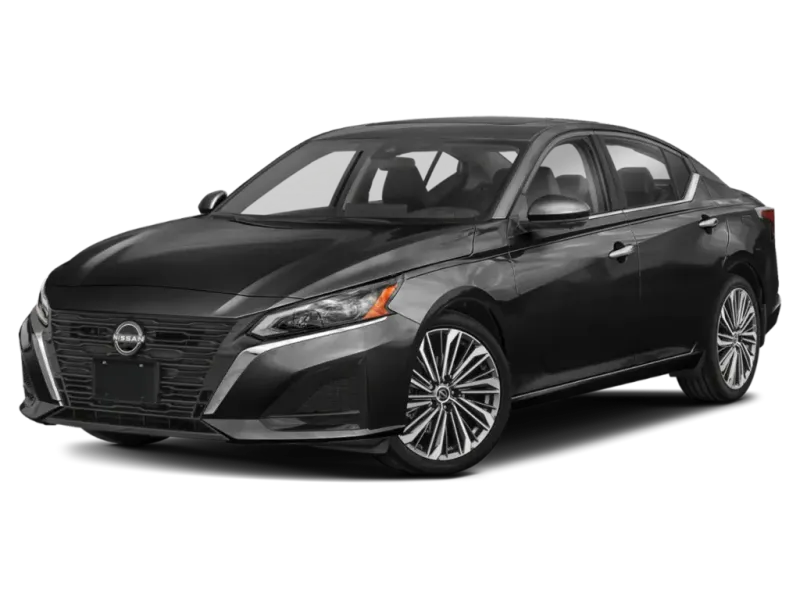
Nissan Altima
Score: 88/100
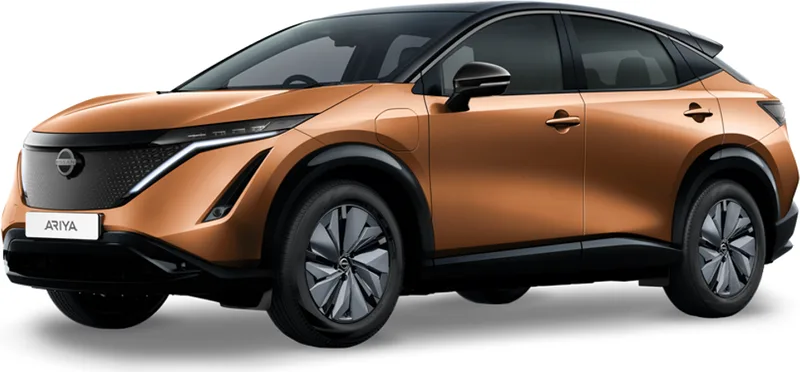
Nissan Ariya
Score: 88/100
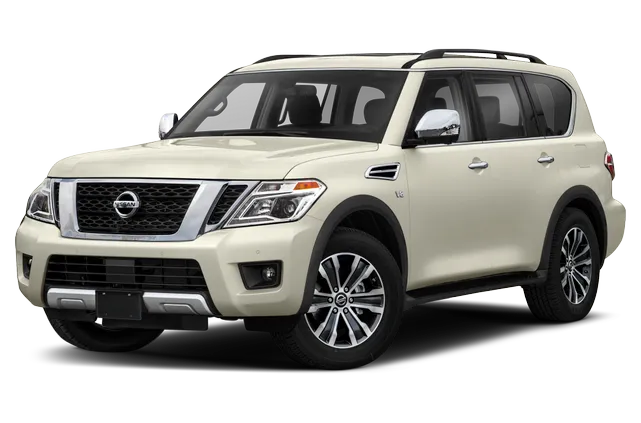
Nissan Armada
Score: 74/100
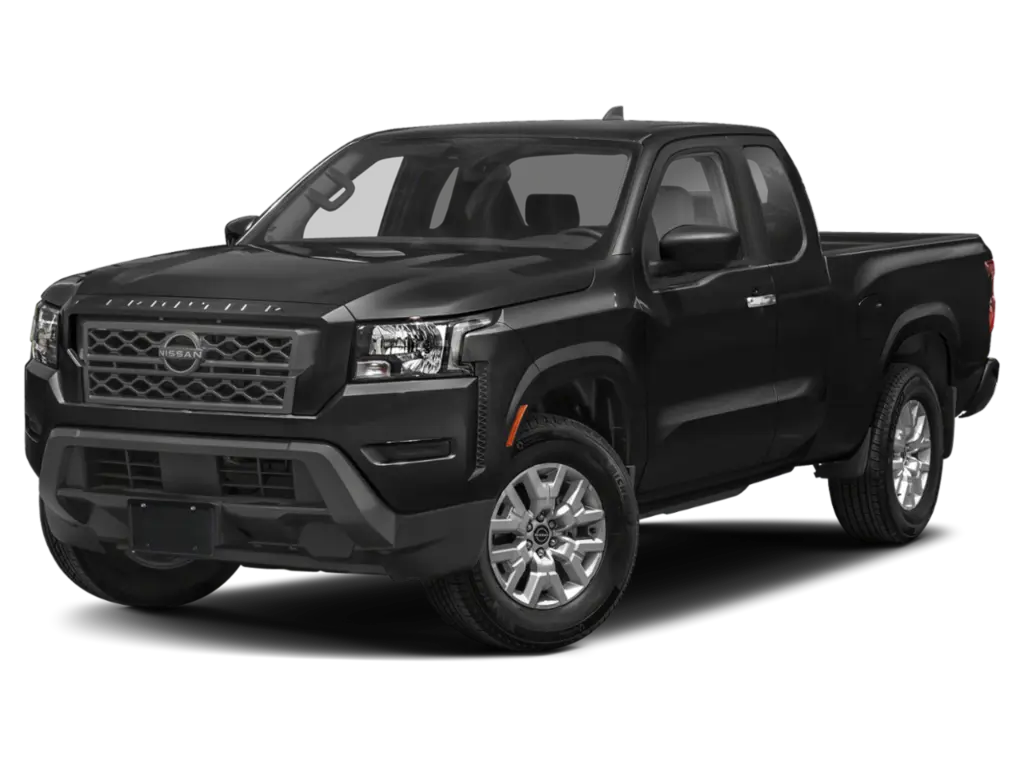
Nissan Frontier
Score: 77/100
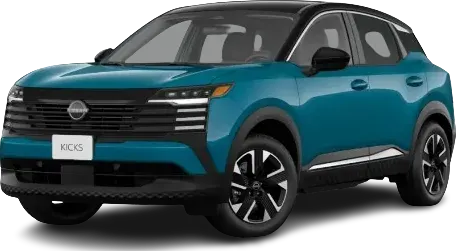
Nissan Kicks
Score: 83/100
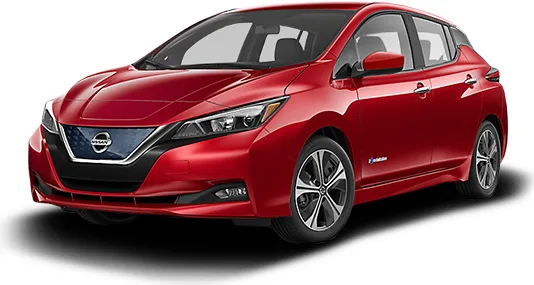
Nissan Leaf
Score: 79/100
Browse More 2020 Vehicles
2020 Lexus RX
Score: 86/100
2020 Mazda CX-5
Score: 86/100
2020 Lexus UX
Score: 84/100
2020 Lexus IS
Score: 83/100
2020 Lexus ES
Score: 83/100
2020 Dodge Grand Caravan
Score: 83/100
See incorrect data? Report an issue