Last updated: 2026-10-10
Kia Sportage vs Tesla Model Y: Reliability Compared
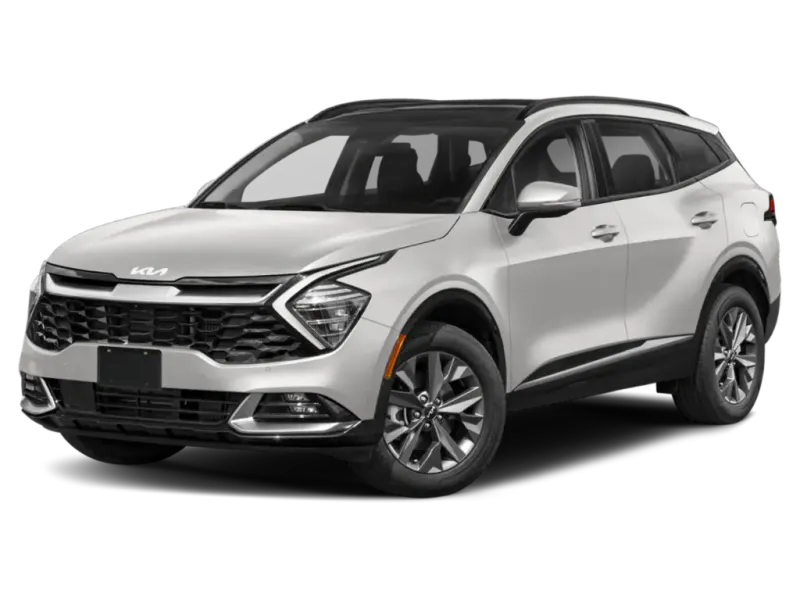
Kia Sportage
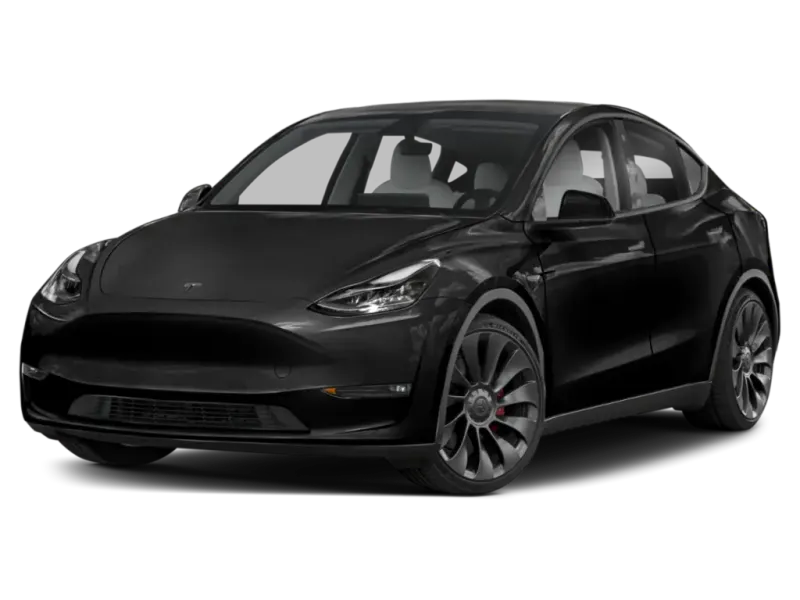
Tesla Model Y
The KIA Sportage beats the Tesla Model Y on reliability by a wide margin. Owners filed far fewer complaints per car sold, and the Model Y's braking and steering faults are the main reason it trails.
How Do the Kia Sportage and Tesla Model Y Generations Compare?
Verdict
The Kia Sportage is more reliable than the Tesla Model Y, scoring 75/100 vs 55/100.
Reliability favors the KIA Sportage by a large margin. Owners filed far fewer complaints per car sold, 5.3 per 10,000 against 24.3 for the Model Y, and the Sportage has fewer recalls across more model years. The Model Y's trouble centers on braking, steering and driver-assist faults, which happen at speed and are hard to predict. The Sportage's worst failures, mainly engine damage, are serious but tied more closely to oil care. Its standing is good, while the Model Y's is mixed.
Key Differences
- 1Kia Sportage has 55 fewer total recalls
- 2Kia Sportage scores 20 points higher in reliability
- 3Kia Sportage has 19.0 fewer complaints per 10k sold
Category Scoreboard
Kia Sportage vs Tesla Model Y: Which Is More Reliable?
| Metric | Kia Sportage | Tesla Model Y |
|---|---|---|
| Reliability Score | 75/100 | 55/100 |
| Years Tracked | 9 | 6 |
| Total Recalls | 28 | 83 |
| Complaints per 10k Sold | 5.3 | 24.3 |
| Safety RatingNHTSA overall | 2026 NHTSA | 2025 NHTSA |
| Frontal | ||
| Side | ||
| Rollover | ||
| Year Wins | 6 | 0 |
What Are the Common Problems With the Kia Sportage and Tesla Model Y?
Phantom braking runs through the Model Y's record. Cars slam the brakes on open highway with cruise control or Autopilot on, and some owners say updates made it worse. Others report sudden acceleration while parking, worn front suspension links, and power steering assist that drops out. Steering has 60 crash-linked complaints and forward collision avoidance has 41, and the Sportage has neither in its main problem list. The Sportage's biggest issue is the engine: oil runs low, the engine knocks or locks up, and replacement often follows. It also has a cruise control fault that sets 110 mph.
| Component | Kia Sportage | Tesla Model Y |
|---|---|---|
| FORWARD COLLISION AVOIDANCE | 0.1Very Low | 6.3Average |
| VEHICLE SPEED CONTROL | 0.2Very Low | 3.1Average |
| ELECTRICAL SYSTEM | 0.9Very Low | 2.4Low |
| STEERING | 0.2Very Low | 2.4Low |
| UNKNOWN OR OTHER | 0.8Very Low | 1.7Low |
| SERVICE BRAKES | 0.3Very Low | 1.9Low |
| ENGINE | 1Very Low | —None |
| SUSPENSION | —None | 0.8Very Low |
| POWER TRAIN | 0.4Very Low | 0.3Very Low |
| AIR BAGS | 0.1Very Low | 0.6Very Low |
| STRUCTURE | 0.2Very Low | 0.2Very Low |
| LANE DEPARTURE | 0.1Very Low | 0.3Very Low |
| BACK OVER PREVENTION | —None | 0.3Very Low |
| ENGINE AND ENGINE COOLING | 0.1Very Low | —None |
| VISIBILITY | 0.1Very Low | —None |
| EXTERIOR LIGHTING | 0.1Very Low | —None |
| TRAILER HITCHES | 0.1Very Low | —None |
| VISIBILITY/WIPER | —None | 0.1Very Low |
| SEATS | —None | —None |
| WHEELS | —None | —None |
Complaints per 10,000 units sold, aggregated across all tracked model years from NHTSA owner reports.
How Does Kia Sportage vs Tesla Model Y Reliability Compare by Year?
| Year | Kia Sportage | Tesla Model Y | Edge |
|---|---|---|---|
| 2025 | 82/1002R / 44C | 70/1002R / 69C | Kia Sportage |
| 2024 | 78/1004R / 83C | 63/1005R / 254C | Kia Sportage |
| 2023 | 67/1009R / 257C | 53/10015R / 997C | Kia Sportage |
| 2022 | 79/1001R / 39C | 50/10018R / 783C | Kia Sportage |
| 2021 | 76/1002R / 34C | 46/10021R / 991C | Kia Sportage |
| 2020 | 69/1002R / 139C | 46/10022R / 264C | Kia Sportage |
Best years to cross-shop: The 2022 Kia Sportage scored 79/100 and the 2024 Tesla Model Y scored 63/100 — the strongest shared model years that have been on the road for at least two years, where available.
Who Should Buy the Kia Sportage vs the Tesla Model Y?
Kia Sportage vs Tesla Model Y: Common Questions
- Is the Tesla Model Y more reliable than the KIA Sportage?
- No. The Sportage is clearly more reliable. Owner complaints run 5.3 per 10,000 sold for the Sportage and 24.3 for the Model Y. The Sportage's standing is good, the Model Y's is mixed, and the Model Y has far more complaints about braking, steering and driver-assist features.
- Which has more recalls, the Model Y or the Sportage?
- The Model Y has more. Federal recall records show 83 recalls across its 6 model years, while the Sportage has 28 across 9 model years. The Sportage has a longer record yet far fewer recalls, which supports its better reliability standing.
- What is the biggest problem with the KIA Sportage?
- Engine failure is the biggest. Owners report oil running low between changes, then knocking, ticking or lock-up, and many cases end in engine replacement. Kia often denies warranty claims when oil changes were done outside the dealer, so keep every service record.
- Does the Tesla Model Y have phantom braking problems?
- Yes. Phantom braking is the most common report in forward collision avoidance, speed control and service brake complaints. The car brakes hard on open highway with nothing ahead, usually with cruise control or Autopilot on. Some owners say software updates made it worse, and some reports involve near rear-end collisions.
- Which Sportage and Model Y years should I avoid?
- Avoid the 2023 and 2018 Sportage, and the 2020 and 2021 Model Y, since these are the weakest years in the data. The newest years of both rank strongest, but they have had less time to collect complaints, so inspect any car closely.
Related Reliability Comparisons
More Kia Sportage comparisons
Decided between Kia Sportage and Tesla Model Y? Run a VIN check before you buy — uncover hidden accidents, title issues, and open recalls.
How we score the Kia Sportage and Tesla Model Y
Scores weight complaint severity at 35%, repair costs at 30%, recall impact at 20%, and the spread of complaints across systems at 15%, with complaint counts adjusted for US sales. Read the full methodology.
See incorrect data? Report an issue