Last updated: 2026-10-10
Kia Sportage vs Volkswagen Tiguan: Reliability Compared
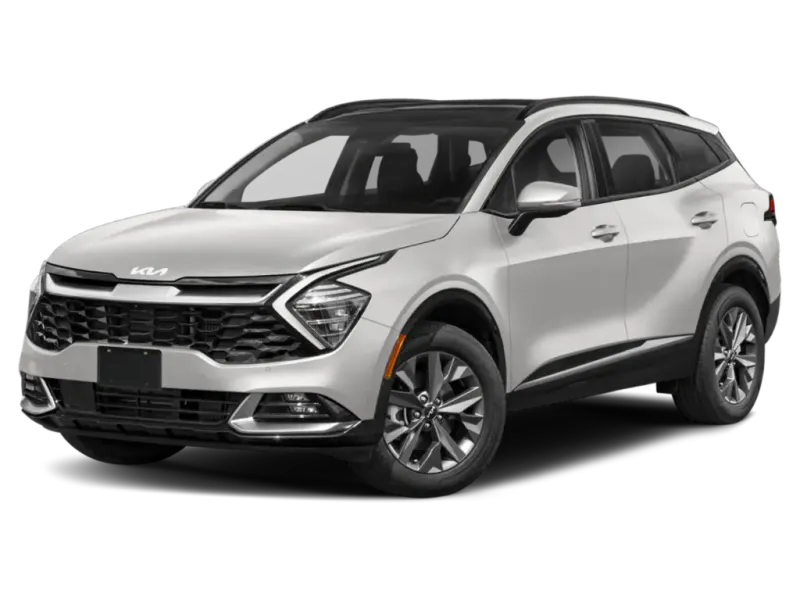
Kia Sportage
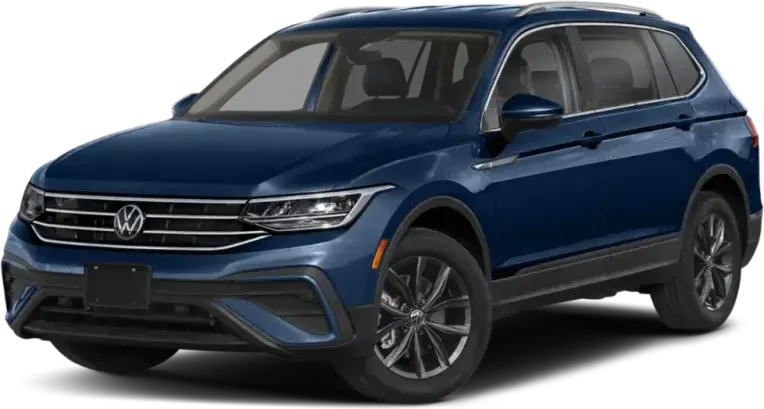
Volkswagen Tiguan
The KIA Sportage is more reliable than the Volkswagen Tiguan, with fewer shop visits and lower repair bills. Both rate well, but the Sportage averages 0.2 unscheduled visits a year against 0.9. Its crash-linked brake and cruise control complaints still deserve a close look.
How Do the Kia Sportage and Volkswagen Tiguan Generations Compare?
Verdict
The Kia Sportage is more reliable than the Volkswagen Tiguan, scoring 75/100 vs 68/100.
Shop visits decide this one. The Sportage has a clear edge because independent repair-cost data shows it needing unscheduled repairs far less often, and its owner complaints per vehicle sold run lower. The chance that a repair is major is nearly the same for both. The lead is not clean, though. The Sportage carries heavier crash-linked complaint areas, including cruise control surging and brake problems, so the edge is about cost and frequency, not about every failure being milder.
Key Differences
- 1Kia Sportage costs $268 less per year to repair
- 2Kia Sportage scores 7 points higher in reliability
- 3Kia Sportage has 7 fewer total recalls
Category Scoreboard
Kia Sportage vs Volkswagen Tiguan: Which Is More Reliable?
| Metric | Kia Sportage | Volkswagen Tiguan |
|---|---|---|
| Reliability Score | 75/100 | 68/100 |
| Years Tracked | 9 | 9 |
| Total Recalls | 28 | 35 |
| Complaints per 10k Sold | 5.3 | 9.3 |
| Annual Repair Cost | $462/yr | $730/yr |
| Repair Frequency | 0.2/yr | 0.9/yr |
| Major Repair Risk | 11% | 12% |
| Safety RatingNHTSA overall | 2026 NHTSA | 2026 NHTSA |
| Frontal | ||
| Side | ||
| Rollover | ||
| Year Wins | 7 (1 tied) | 1 (1 tied) |
What Are the Common Problems With the Kia Sportage and Volkswagen Tiguan?
Drivability problems dominate the Tiguan complaints. Power to the gauges and lights cuts out in heat, cars hesitate for seconds before pulling away from a stop, and some burn oil. Automatic braking that stops the car with nothing ahead shows up too. Sportage complaints are fewer but harder hitting. Oil runs low, then the engine knocks or locks up and gets replaced. Cruise control sets itself to 110 mph, and front rotors warp early. Crash-linked reports are heavier on the Sportage, with 10 each in brakes and speed control. The Tiguan's power train and structure complaints list no crashes.
| Component | Kia Sportage | Volkswagen Tiguan |
|---|---|---|
| ELECTRICAL SYSTEM | 0.9Very Low | 1.7Low |
| ENGINE | 1Very Low | 1.2Low |
| UNKNOWN OR OTHER | 0.8Very Low | 1.1Low |
| POWER TRAIN | 0.4Very Low | 1.2Low |
| SERVICE BRAKES | 0.3Very Low | 0.4Very Low |
| STRUCTURE | 0.2Very Low | 0.5Very Low |
| VEHICLE SPEED CONTROL | 0.2Very Low | 0.2Very Low |
| STEERING | 0.2Very Low | 0.2Very Low |
| FORWARD COLLISION AVOIDANCE | 0.1Very Low | 0.3Very Low |
| EXTERIOR LIGHTING | 0.1Very Low | 0.2Very Low |
| AIR BAGS | 0.1Very Low | 0.1Very Low |
| LANE DEPARTURE | 0.1Very Low | 0.1Very Low |
| VISIBILITY/WIPER | —None | 0.2Very Low |
| FUEL/PROPULSION SYSTEM | —None | 0.2Very Low |
| ENGINE AND ENGINE COOLING | 0.1Very Low | —None |
| VISIBILITY | 0.1Very Low | —None |
| TRAILER HITCHES | 0.1Very Low | —None |
| SEAT BELTS | —None | 0.1Very Low |
| SEATS | —None | —None |
| SUSPENSION | —None | —None |
| BACK OVER PREVENTION | —None | —None |
| WHEELS | —None | —None |
Complaints per 10,000 units sold, aggregated across all tracked model years from NHTSA owner reports.
Which Is Cheaper to Maintain: Kia Sportage or Volkswagen Tiguan?
How Does Kia Sportage vs Volkswagen Tiguan Reliability Compare by Year?
| Year | Kia Sportage | Volkswagen Tiguan | Edge |
|---|---|---|---|
| 2026 | 83/1003R / 4C | 76/1000R / 0C | Kia Sportage |
| 2025 | 82/1002R / 44C | 73/1002R / 18C | Kia Sportage |
| 2024 | 78/1004R / 83C | 75/1001R / 38C | Kia Sportage |
| 2023 | 67/1009R / 257C | 73/1001R / 49C | Volkswagen Tiguan |
| 2022 | 79/1001R / 39C | 61/1005R / 199C | Kia Sportage |
| 2021 | 76/1002R / 34C | 67/1005R / 106C | Kia Sportage |
| 2020 | 69/1002R / 139C | 69/1003R / 118C | Tie |
| 2019 | 74/1002R / 63C | 65/1005R / 165C | Kia Sportage |
| 2018 | 68/1003R / 147C | 57/10013R / 275C | Kia Sportage |
Best years to cross-shop: The 2022 Kia Sportage scored 79/100 and the 2024 Volkswagen Tiguan scored 75/100 — the strongest shared model years that have been on the road for at least two years, where available.
Who Should Buy the Kia Sportage vs the Volkswagen Tiguan?
Kia Sportage vs Volkswagen Tiguan: Common Questions
- Is the KIA Sportage more reliable than the Volkswagen Tiguan?
- Yes, the Sportage has a clear edge. It draws fewer owner complaints per vehicle sold, at 5.3 per 10,000 against 9.3, and needs far fewer unscheduled repairs. Both models hold a good standing, so the Tiguan is not a poor choice, but the Sportage is the safer bet on repair frequency.
- Which has more recalls, the Sportage or the Tiguan?
- The Tiguan has more. Federal recall records show 35 recalls across 9 model years for the Tiguan and 28 for the Sportage. Owners tie one Tiguan heat-related power loss problem to a recall on the ignition switch polyfuse. Check any car's VIN for open recalls before you buy.
- Which costs less to repair, the Sportage or the Tiguan?
- The Sportage costs less. Independent repair-cost data estimates $462 a year for the Sportage and $730 for the Tiguan, which adds up to roughly $1,340 saved over five years. The chance a repair turns major is close, at 11% versus 12%.
- What is the biggest Sportage problem to watch for?
- Engine failure after oil runs low is the largest complaint area, with 151 reports. Owners describe knocking, ticking, or lockup, and many ended with a replaced engine. Some say Kia denied warranty claims over maintenance records, so keep every oil change receipt. Cruise control surging to 110 mph is also reported.
- Do Tiguans have a problem with hesitating or stalling?
- Yes, it is a common theme. Owners report the car idling for several seconds with the pedal pressed, then lurching forward, often on left turns. Others report power cutting out on hot days with a "check starter system" warning, and some cars stall. Test drive for hesitation from a stop before buying.
Related Reliability Comparisons
More Kia Sportage comparisons
Decided between Kia Sportage and Volkswagen Tiguan? Run a VIN check before you buy — uncover hidden accidents, title issues, and open recalls.
How we score the Kia Sportage and Volkswagen Tiguan
Scores weight complaint severity at 35%, repair costs at 30%, recall impact at 20%, and the spread of complaints across systems at 15%, with complaint counts adjusted for US sales. Read the full methodology.
See incorrect data? Report an issue