Last updated: 2026-11-19
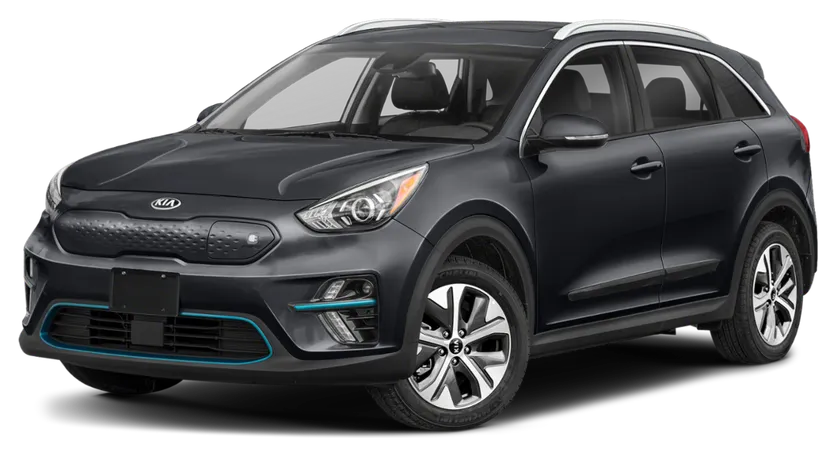
Kia Niro EV Years to Avoid
7 scored model years (2019–2025) · model average 68/100
No model year is a clear one to avoid. Every year rates as good, but complaint rates vary. The 2019 and 2020 drew the most reports per car sold, and the 2022 logged the most complaints overall. For a year with a proven record, buy the 2021.
Verdict
- Avoid
- No outlier years
- Buy
- 2021 71/100
- Model average
- 68/100
Know which year you're looking at? Check the exact Kia Niro EV
A good year can still hide accident damage or recall work that was never done. A VIN check shows the history of the car you found.
What Are Common Kia Niro EV Problems?
ELECTRICAL SYSTEM
29 complaintsMost reported in 2022, 2019, 2023
2022: Sudden power loss while driving is the main complaint.
UNKNOWN OR OTHER
19 complaintsMost reported in 2022, 2020, 2024
2022: Unintended acceleration at parking-lot speeds is the most serious pattern.
POWER TRAIN
12 complaintsMost reported in 2022, 2019
2022: Random power-limited "turtle mode" is a recurring complaint.
SERVICE BRAKES
6 complaintsMost reported in 2023, 2019
2023: Two of the three reports involve crashes, and three people were injured.
FUEL/PROPULSION SYSTEM
4 complaintsMost reported in 2022, 2020
2022: Drive motor noise and false braking make up these complaints.
VISIBILITY/WIPER
2 complaintsMost reported in 2022
2022: The rear camera fails intermittently and shows a "No Camera Signal Received" screen in reverse, leaving only the mirrors.
Best Kia Niro EV Year to Buy Instead
2021 Kia Niro EV
The 2021 has just 2 owner complaints on file, compared with 19 for the 2020 and 32 for the 2022. It also has fewer recalls than either of those years. It has been on the road long enough for problems to show up, so its low count reflects real ownership and not just a short time in service.
Found a Safe Year? Check the Specific Car
Even the 2021 Kia Niro EV has 1 recall on file. A VIN check confirms the recall work on the exact car and shows its accident, title, and service history.
- Accidents
- Open Recalls
- Title History
- Odometer Rollback
All Kia Niro EV Years by Generation
Kia Niro EV Reliability Scores by Year
First generation (DE) (2017–2022)
2021 Kia Niro EV
1 recalls · 2 complaints
2019 Kia Niro EV
0 recalls · 19 complaints
2020 Kia Niro EV
2 recalls · 19 complaints
2022 Kia Niro EV
2 recalls · 32 complaints
Second generation (SG2) (2023–2026)
Frequently Asked Questions
Which Kia Niro EV years should I avoid?
Which Kia Niro EV year has the most complaints?
Which Kia Niro EV years have drive motor problems?
Which Kia Niro EV years have electrical problems?
Is a second-generation Niro EV a better buy than the first?
How we score every Kia Niro EV model year
Scores weight complaint severity at 35%, repair costs at 30%, recall impact at 20%, and the spread of complaints across systems at 15%, with complaint counts adjusted for US sales. Read the full methodology.
See incorrect data? Report an issue