Last updated: 2026-10-10
Kia Forte vs Volkswagen Golf: Reliability Compared
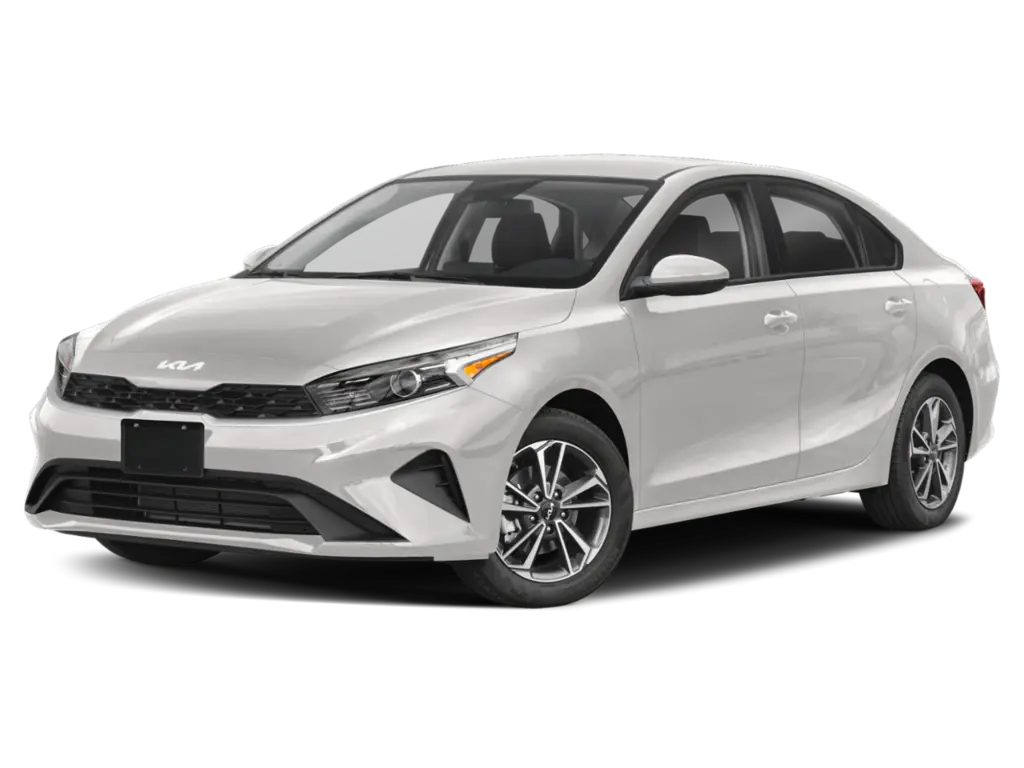
Kia Forte
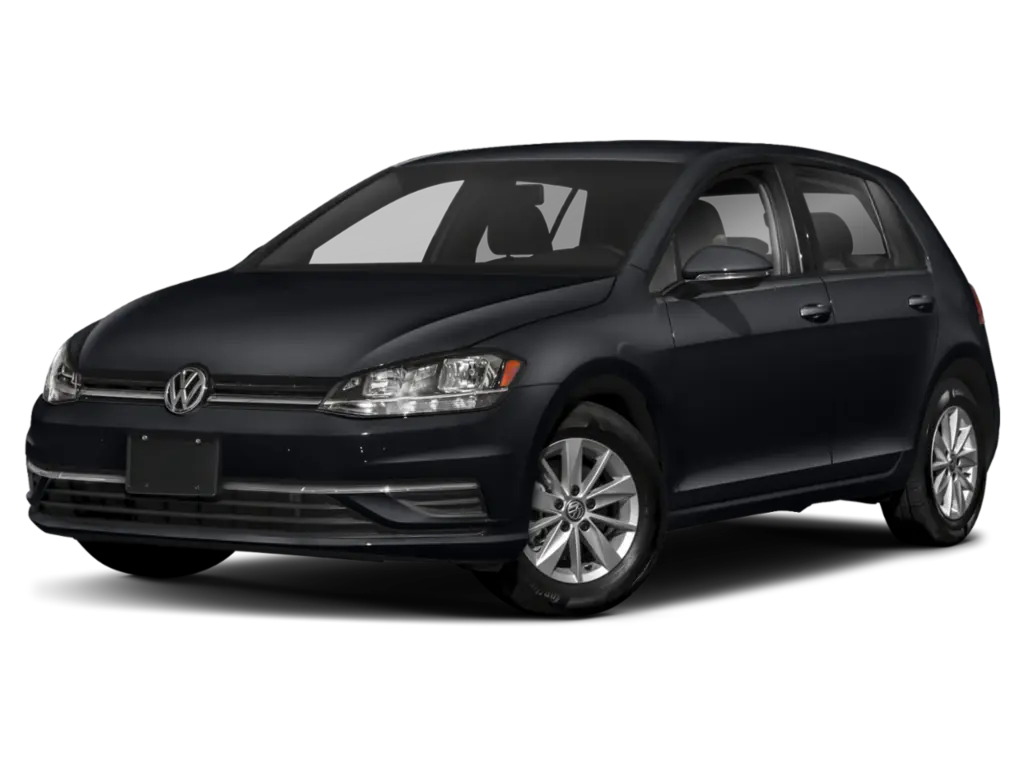
Volkswagen Golf
The KIA Forte and Volkswagen Golf come out effectively tied on reliability, and both stand as good. The Forte is cheaper to repair and has far fewer recalls. The Golf has fewer total complaints. What separates them is how each one tends to fail.
How Do the Kia Forte and Volkswagen Golf Generations Compare?
Verdict
The Volkswagen Golf is more reliable than the Kia Forte, scoring 73/100 vs 72/100.
Reliability is effectively tied, and neither car pulls clear. Each has a good standing, and each has a serious weak spot. The Forte costs less to keep running and has far fewer recalls. The Golf draws fewer total complaints, but its rate per car sold is about double. Shop visits and major repair odds are close. The tiebreaker is the kind of failure you can live with: sudden engine failure and airbag complaints on one side, stalls and early coolant leaks on the other.
Key Differences
- 1Kia Forte costs $179 less per year to repair
- 2Kia Forte has 48 fewer total recalls
- 3Kia Forte has 3.4 fewer complaints per 10k sold
Category Scoreboard
Kia Forte vs Volkswagen Golf: Which Is More Reliable?
| Metric | Kia Forte | Volkswagen Golf |
|---|---|---|
| Reliability Score | 72/100 | 73/100 |
| Years Tracked | 7 | 9 |
| Total Recalls | 11 | 59 |
| Complaints per 10k Sold | 3.2 | 6.6 |
| Annual Repair Cost | $451/yr | $630/yr |
| Repair Frequency | 0.2/yr | 0.3/yr |
| Major Repair Risk | 9% | 11% |
| Year Wins | 4 | 3 |
What Are the Common Problems With the Kia Forte and Volkswagen Golf?
Failures that end a drive dominate the Forte's list: engines that knock and quit, often between 67,000 and 90,000 miles, plus transmissions that skip gears or stay in sixth. Airbags that did not deploy in crashes are the most serious pattern, and 22 of 29 airbag complaints are crash-linked. Steering has crash-linked reports too, and owners describe theft because of a missing immobilizer. Golf complaints lean toward quirks and early faults: quiet stalls in manual GTI and GLI models, a hill hold delay, a loose radiator that wears through a coolant hose, and false collision warnings. Airbags and steering are not among the Golf's main problem areas.
| Component | Kia Forte | Volkswagen Golf |
|---|---|---|
| POWER TRAIN | 0.6Very Low | 1Very Low |
| UNKNOWN OR OTHER | 0.6Very Low | 0.8Very Low |
| ENGINE | 0.5Very Low | 0.6Very Low |
| ELECTRICAL SYSTEM | 0.4Very Low | 0.7Very Low |
| FORWARD COLLISION AVOIDANCE | 0.1Very Low | 0.4Very Low |
| STEERING | 0.2Very Low | 0.2Very Low |
| ENGINE AND ENGINE COOLING | 0.1Very Low | 0.3Very Low |
| AIR BAGS | 0.2Very Low | —None |
| EXTERIOR LIGHTING | 0.1Very Low | 0.1Very Low |
| SERVICE BRAKES | —None | 0.2Very Low |
| FUEL/PROPULSION SYSTEM | —None | 0.2Very Low |
| LANE DEPARTURE | —None | 0.1Very Low |
| STRUCTURE | —None | 0.1Very Low |
| SUSPENSION | —None | 0.1Very Low |
| BACK OVER PREVENTION | —None | 0.1Very Low |
| VEHICLE SPEED CONTROL | —None | —None |
| LATCHES/LOCKS/LINKAGES | —None | —None |
| TIRES | —None | —None |
| EQUIPMENT | —None | —None |
| WHEELS | —None | —None |
| FUEL SYSTEM | —None | —None |
Complaints per 10,000 units sold, aggregated across all tracked model years from NHTSA owner reports.
Which Is Cheaper to Maintain: Kia Forte or Volkswagen Golf?
How Does Kia Forte vs Volkswagen Golf Reliability Compare by Year?
| Year | Kia Forte | Volkswagen Golf | Edge |
|---|---|---|---|
| 2024 | 78/1000R / 20C | 73/1003R / 37C | Kia Forte |
| 2023 | 68/1003R / 53C | 75/1003R / 6C | Volkswagen Golf |
| 2022 | 75/1001R / 22C | 58/10011R / 114C | Kia Forte |
| 2021 | 72/1002R / 64C | 75/1001R / 5C | Volkswagen Golf |
| 2020 | 76/1000R / 63C | 75/1005R / 14C | Kia Forte |
| 2019 | 67/1002R / 140C | 65/10019R / 162C | Kia Forte |
| 2018 | 66/1003R / 133C | 69/10016R / 56C | Volkswagen Golf |
Best years to cross-shop: The 2024 Kia Forte scored 78/100 and the 2023 Volkswagen Golf scored 75/100 — the strongest shared model years that have been on the road for at least two years, where available.
Who Should Buy the Kia Forte vs the Volkswagen Golf?
Kia Forte vs Volkswagen Golf: Common Questions
- Is the KIA Forte more reliable than the Volkswagen Golf?
- They are effectively tied. Both have a good reliability standing. The Forte is cheaper to repair, with fewer recalls and a slightly lower chance of a major repair. The Golf has fewer total complaints, though its rate per car sold is higher. The better pick depends on which problems you can accept.
- Which has more recalls, the Forte or the Golf?
- The Golf has far more. Federal recall records show 59 recalls across 9 Golf model years, against 11 across 7 Forte model years. Check any specific car's VIN for open recall work before you buy, whichever model you choose.
- Which is cheaper to repair, the Forte or the Golf?
- The Forte. Independent repair-cost data puts it near $451 a year, against about $630 for the Golf. Over five years that is roughly $895 saved. The Forte also needs fewer unscheduled shop visits, 0.2 a year versus 0.3.
- What is the biggest problem with the KIA Forte?
- Sudden engine failure and airbag complaints stand out. Owners report engines knocking and quitting, with failures clustering between 67,000 and 90,000 miles. Airbag complaints include crashes where the bags did not deploy. Owners also report denied warranty coverage when oil-change receipts were missing.
- Do Volkswagen Golf models stall?
- Some do, mainly manual GTI and GLI models. Owners describe quiet stalls as the car rolls to a stop, with no check engine light, and the car restarts normally. Many began within the first few hundred miles. Dealers often could not reproduce the fault. A smaller group reported stalls at speed.
Related Reliability Comparisons
More Kia Forte comparisons
Decided between Kia Forte and Volkswagen Golf? Run a VIN check before you buy — uncover hidden accidents, title issues, and open recalls.
How we score the Kia Forte and Volkswagen Golf
Scores weight complaint severity at 35%, repair costs at 30%, recall impact at 20%, and the spread of complaints across systems at 15%, with complaint counts adjusted for US sales. Read the full methodology.
See incorrect data? Report an issue