Last updated: 2026-10-10
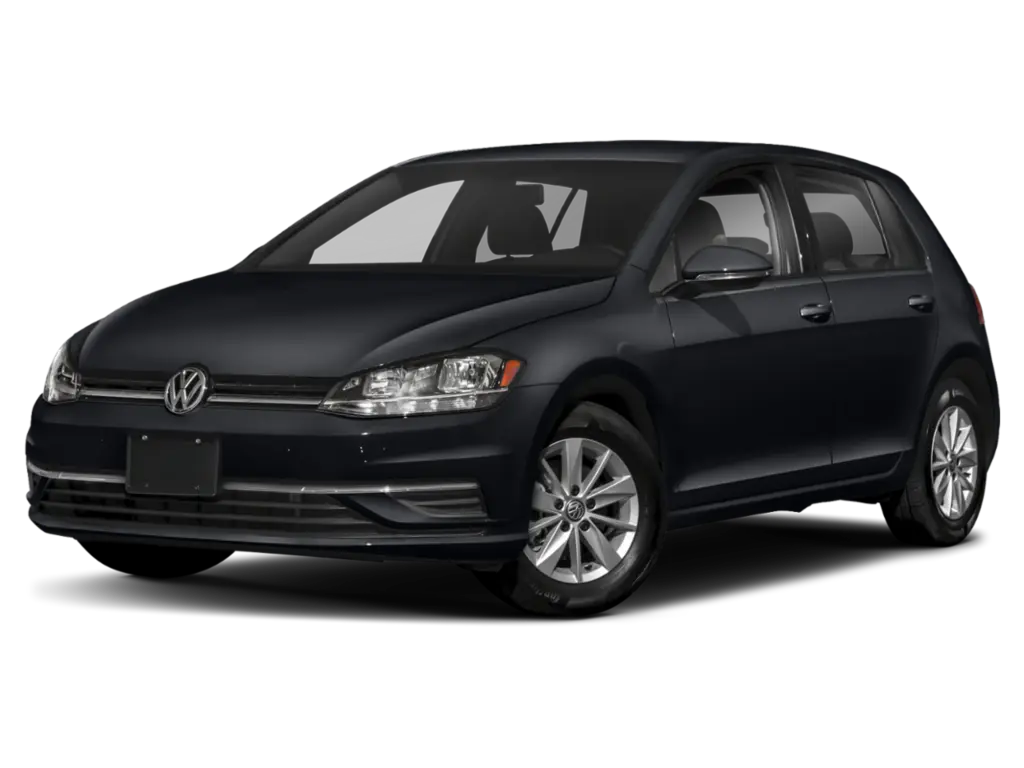
2018 Volkswagen Golf Reliability Report
The 2018 Volkswagen Golf has a good reliability standing, but DSG automatics can drop into neutral and fuel leaks are a repeat complaint.
Recalls
16
Complaints
56
Complaint Rate
13.2per 10,000 sold
Est. Repair Cost
$630
Annual Fuel Cost
$2,050–$2,900
Detailed Score Breakdown
Component-weighted complaints normalized by sales volume
Independent repair cost ratings
Recall count weighted by severity
Breadth of reported problem categories
The Verdict
One of the weaker Golf years, with DSG neutral drops, fuel leaks, and 16 recalls, one of them a do-not-drive recall.
Top Issues to Watch
- POWER TRAIN (10)
- FUEL/PROPULSION SYSTEM (8)
- STRUCTURE (5)
Generation & Refresh (US)
2018 received a 2018 facelift update for the Seventh generation (Mk7).
- Changes: Enhanced technology and updated styling..
- Year 4 in this generation (2015–2021).
- 7th generation Golf (US).
What this means for buyers
Refresh years bring updates but can also introduce new issues. Check early recall data before buying.
2015: Seventh generation (Mk7) Launch
Generation start — new platform.
2018: This Model Year (Refresh)
2018 received a 2018 facelift update for the Seventh generation (Mk7).
Should You Buy the 2018 Volkswagen Golf?
Reliability stands at good, though this is among the weaker of the nine scored Golf years. Against other 2018 sedans it sits close to average. Owners filed 56 complaints, and federal recall records list 16 recalls. The 2019 Golf also rates good but rates worse, with 162 complaints and 19 recalls. Independent repair-cost data puts yearly upkeep at $630 against $526 for the class.
The main complaint is the DSG automatic dropping into neutral without warning, usually on the 1-2 shift during a gentle pull away. The engine revs and the car will not accelerate, sometimes while merging. Dealers often cannot reproduce it. Reports start at 35,000 to 60,000 miles. Fuel leaks and gasoline smells come next, and some owners waited a week or more for a fix. One recall is a do-not-drive recall. Coolant leaks appear from 41,000 to 73,700 miles.
Ask for proof that every recall was completed, including the do-not-drive one and the fuel system recalls. Look for coolant leak repairs, and test the automatic on a drive that includes pulling away from stops.
Compared to the 2019 Volkswagen Golf, which scored 4 points lower.
Pros
- +Acceptable reliability score
- +Infrequent unscheduled repairs
- +Low major repair risk (11%)
- +Below-average complaint rate for Sedan
Cons
- −Above-average repair costs for its class
- −Above-average recall count
- −POWER TRAIN: DSG automatic drops into neutral without warning, usually on the 1-2 shift... (10 complaints)
Compare 2018 Volkswagen Golf With
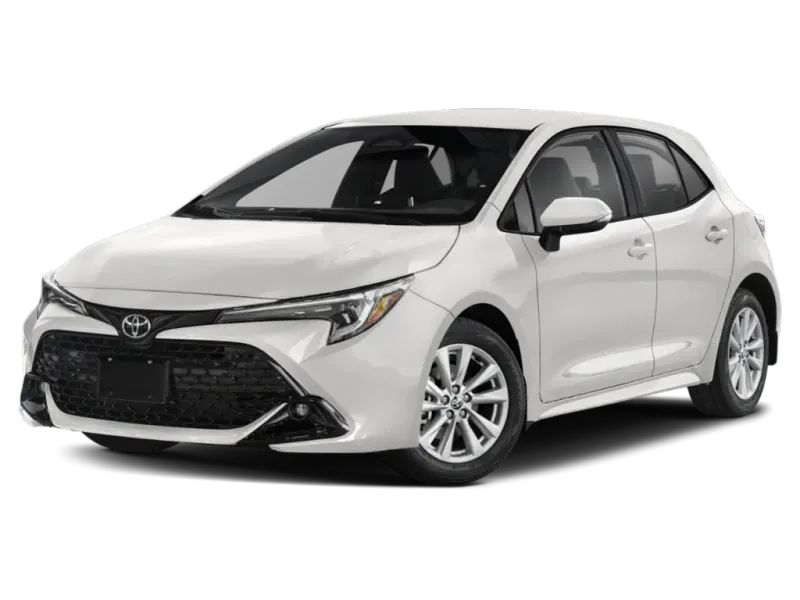
2018 Toyota Corolla
Reliability: 80/100
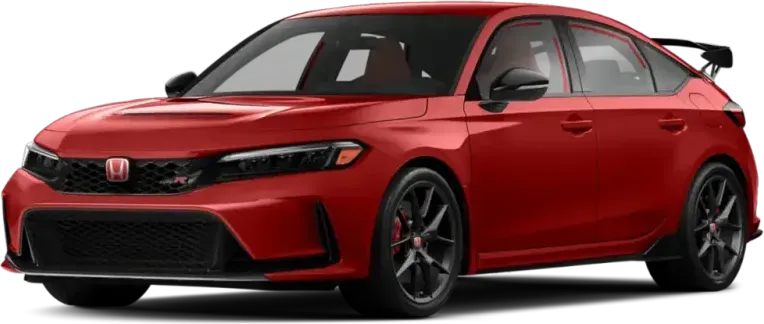
2018 Honda Civic
Reliability: 71/100
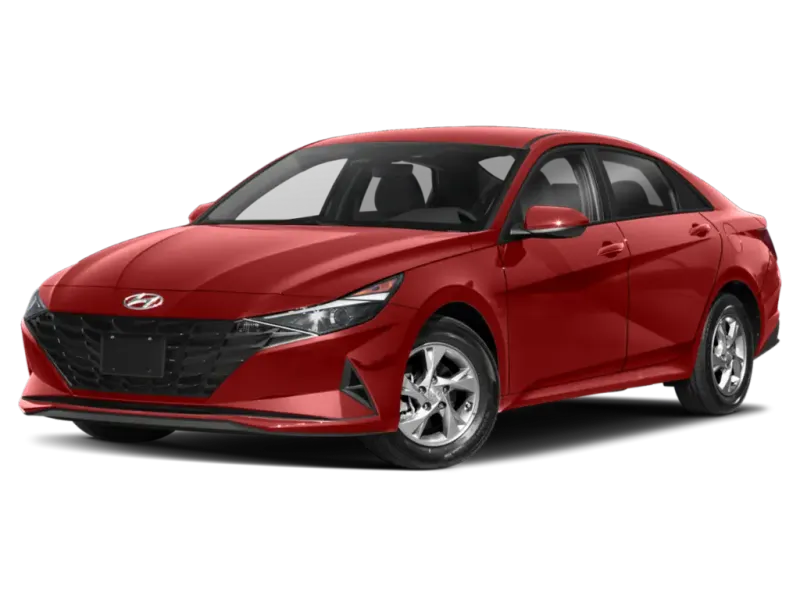
2018 Hyundai Elantra
Reliability: 76/100
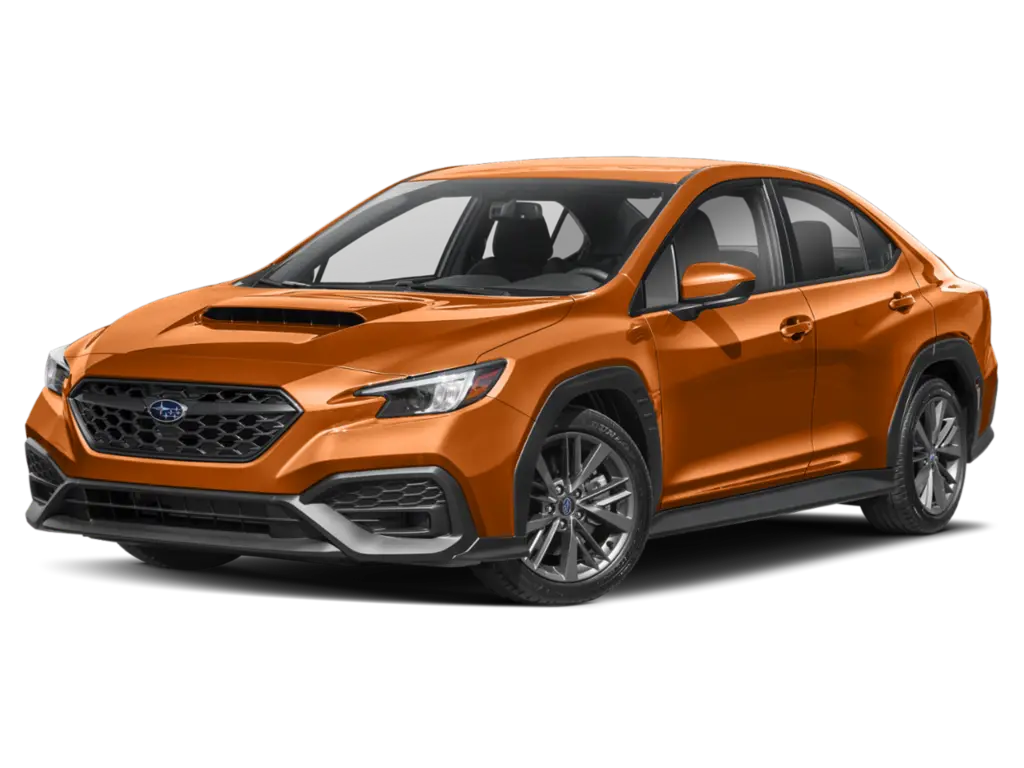
2018 Subaru WRX
Reliability: 71/100
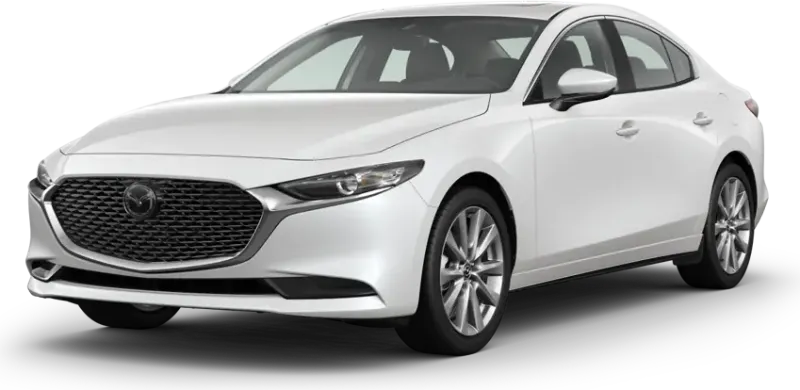
2018 Mazda 3
Reliability: 79/100
Common Problem Categories
Safety
LOW RISK- 16 manufacturer recalls issued
Other
HIGH RISK- UNKNOWN OR OTHER (10)
- POWER TRAIN (10)
Recall Overview
16
recalls on record
The 2018 Volkswagen Golf has 16 recalls on record, which is above average. A high count can flag multiple component concerns, though it also shows the manufacturer is actively addressing known issues.
NHTSA.gov →Complaint Breakdown
13.2
per 10,000 soldSegment avg: 25.7
Safety Incidents
1
Crashes
0
Fires
6
Injuries
0
Deaths
NHTSA 5/5 Stars
Data sourced from NHTSA complaint filings and manufacturer recall notices. Complaint narratives are owner-reported.
2018 Volkswagen Golf Recall Details
16 recalls have been issued for the 2018 Volkswagen Golf. All recall repairs are performed free of charge at authorized dealerships.
FUEL SYSTEM, GASOLINE
Volkswagen Group of America, Inc. (Volkswagen) is recalling certain 2018 Volkswagen Golf R vehicles. The fuel hose quick connector may detach from the fuel supply line in the engine bay, resulting in a fuel leak.
Consequence
A fuel leak in the engine compartment can increase the risk of a fire.
Remedy
Volkswagen will notify owners, and dealers will secure the fuel line connection, as necessary, free of charge. The recall began January 11, 2019. Owners may contact Volkswagen customer service at 1-800-893-5298. Volkswagen's number for this recall is 20Bi.
FUEL SYSTEM, GASOLINE
Volkswagen Group of America, Inc. (Volkswagen) is recalling certain front-wheel drive 2015-2020 Audi A3 Sedan, 2015-2019 Audi A3 Cabriolet, 2019-2020 Volkswagen Jetta GLI, 2018 Golf Sportwagen GP, 2018-2019 Golf Sportwagen A7, 2015-2017 Golf Sportwagen, 2015-2020 Golf GTI, and 2015-2020 Golf A7 vehicles. Due to a problem with a suction jet pump seal inside the fuel tank, fuel may flow into the evaporative emissions (EVAP) system and possibly leak out of the charcoal canister.
Consequence
A fuel leak in the presence of an ignition source increases the risk of a fire.
Remedy
Dealers will replace the suction pump, free of charge. Final owner notification letters for Audi owners were mailed on July 25, 2024. Final owner letters for VW owners were mailed on August 13, 2024. Owners may contact Volkswagen customer service at 1-800-893-5298 or Audi customer service at 1-800-253-2834. Volkswagen's numbers for this recall are VW: 20UF/Audi: 20YF. Vehicles that were previously recalled under 16V-647 will need to have the new remedy completed. This recall expands and replaces previous recall number 16V-647.
EQUIPMENT
Volkswagen Group of America, Inc. (Volkswagen) is recalling two 2018 Golf GTI vehicles. The VIN printed on the Federal Certification label may not match the actual VIN on the vehicle. As such, these vehicles fail to comply with the requirements of 49 CFR Part 567, "Certification."
Consequence
If the stamped vehicle identification number (VIN) does not match the VIN on the Vehicle Certification Label, owners may be unable to tell if their vehicle is under an important safety recall, possibly exposing them to an increased risk of a crash, fire or injury.
Remedy
Volkswagen will notify owners, and dealers will install a correct certification label, free of charge. This recall began July 9, 2020. Owners may contact Volkswagen customer service at 1-800-893-5298. Volkswagen's number for this recall is 01E7.
Buying a used 2018 Volkswagen Golf? Check its history first
Power train problems lead owner complaints about the 2018 Volkswagen Golf, and 16 recalls were issued for it. A VIN check shows whether this car's recall work was done, plus accident, title, and odometer history.
- Accidents
- Open Recalls
- Title History
- Odometer Rollback
2018 Volkswagen Golf NHTSA Safety Ratings
Overall Safety Rating
Crash Test Results by Configuration (expand)
Gas Powertrain
Rollover risk: 13.4%
Safety Technologies
Volkswagen GolfRepair Costs & Maintenance
Maintenance Rating
4Maintenance rating: 4 out of 5Based on NHTSA complaint patterns, recall severity, and publicly available cost benchmarks.
Est. Annual Maintenance
$630
vs $526 avg for compact cars
vs $652 avg for all vehicles
Repair Frequency
0.3
unscheduled repair visits per year
Severe Repair Probability
11%
chance of a major repair
Annual Cost Comparison
Category-level averages derived from publicly available industry reports (AAA, CarMD). Model-level estimates produced by Auto Reliability Index.
Volkswagen Golf Resale Value
The Volkswagen Golf is estimated to retain about 62.8% of its original value after 5 years, based on observed used-car listings.
This benchmark covers the Volkswagen Golf model overall and is not specific to the 2018 model year.
- Value Retained
- 62.8%
- Depreciation
- 37.2%
- Listings Analyzed
- 201
after 5 years
over the same period
U.S. used-car listings
Listings observed in . This is a historical market benchmark, not a current price quote.
Explore Volkswagen Golf depreciation and resale value on CarResaleValue.comMPG & Annual Running Costs
Gas
24–29 MPG
Running cost: $2,700–$3,550/yr
Fuel + repair
21–25 city / 29–34 hwy MPG
Running cost includes EPA fuel-cost estimate and independent repair-cost data (repair cost estimated at model level). Excludes routine maintenance, depreciation, and insurance. Data as of 2018 EPA label cycle.
Gas trims
| Trim | Drive | Trans. | City | Hwy | Comb | Fuel Cost |
|---|---|---|---|---|---|---|
| Golf 1.8L 4-cyl | Front-Wheel Drive | Manual 5-spd | 25 | 34 | 29 | $2,050 |
| Golf SportWagen 1.8L 4-cyl | Front-Wheel Drive | Manual 5-spd | 25 | 34 | 29 | $2,050 |
| Golf 1.8L 4-cyl | Front-Wheel Drive | Automatic (S6) | 24 | 33 | 28 | $2,150 |
| Golf SportWagen 1.8L 4-cyl | Front-Wheel Drive | Automatic (S6) | 24 | 33 | 28 | $2,150 |
| Golf Alltrack 1.8L 4-cyl | All-Wheel Drive | Automatic (AM-S6) | 22 | 30 | 25 | $2,400 |
| Golf SportWagen 4motion 1.8L 4-cyl | All-Wheel Drive | Manual 6-spd | 22 | 31 | 25 | $2,400 |
| Golf Alltrack 1.8L 4-cyl | All-Wheel Drive | Manual 6-spd | 21 | 30 | 24 | $2,500 |
| Golf SportWagen 4motion 1.8L 4-cyl | All-Wheel Drive | Automatic (AM-S6) | 22 | 29 | 24 | $2,500 |
| Golf R 2.0L 4-cyl | All-Wheel Drive | Automatic (AM-S7) | 22 | 29 | 25 | $2,750 |
| Golf R 2.0L 4-cyl | All-Wheel Drive | Manual 6-spd | 21 | 29 | 24 | $2,900 |
Used Buying Checklist
Key things to inspect or verify before purchasing a 2018 Volkswagen Golf.
On DSG cars, make several gentle starts from a stop and watch for the transmission dropping into neutral on the 1-2 shift.
Check the coolant level and look for leaks around the thermostat housing and under the engine.
After a warm drive, sniff for gasoline in the cabin and look for fuel drips near the right rear wheel.
Run the VIN through federal recall records and confirm with the dealer that any open repairs are finished.
Run a finger carefully along the shifter, console, and steering wheel chrome trim and check for lifting or sharp edges.
Inspect the panoramic roof glass for cracks and check the headliner and A-pillars for water stains.
Look inside both headlight housings for fog or moisture and confirm the headlights come on in Auto.
Drive over dips and road plates at 20 to 40 mph and watch for false automatic braking.
2018 Volkswagen Golf Common Problems by Component
56 owner complaints grouped by vehicle system.
UNKNOWN OR OTHER
10 complaintsChrome trim around the shifter and center console cubby cracks or peels into a sharp edge that cuts hands. That trim accounts for most of the injuries in this group. Several owners also report the sunroof glass shattering at highway speed with no sign of impact, throwing glass through the cabin. Other complaints cover panoramic roof leaks near the A-pillars and sun visors, a shifter switch fault that can let the key come out when the car is not in Park, which creates rollaway risk, and automatic braking set off by dips at parking lot exits.
POWER TRAIN
10 complaintsSafety-relatedThe DSG automatic drops into neutral without warning, usually on the 1-2 shift during a gentle pull away from a stop. The engine revs but the car will not accelerate while it crosses or merges into traffic. Owners describe it as sporadic and getting more frequent, and dealers cannot reproduce it. One crash report describes the car moving opposite to the selected gear. Other complaints cover coolant leaks from the thermostat housing, a manual-car clutch master cylinder failing before 37,000 miles, stalling at stops, and sudden engine braking near 25 mph.
FUEL/PROPULSION SYSTEM
8 complaintsFuel leaks and strong gasoline smells lead this group. Fuel gushes from the filler or drips near the right rear wheel, or leaks from the charcoal canister next to the exhaust. Owners describe fire risk, and one dealer had a leaking car parked outside. Some cars will not take fuel at the pump. Others stall or will not restart while the gauge still shows fuel. Some owners say dealers confirmed the leak but had no parts or fix available, leaving cars off the road for a week or more. Separate complaints describe a high-pressure fuel pump failure and a rattling fuel line.
STRUCTURE (5 complaints)
STRUCTURE
5 complaintsPanoramic sunroof glass shatters and crumbles with no road debris involved. The panoramic roof also leaks around its edges, soaking or staining the headliner, A-pillar, and upholstery and fogging the windshield. Peeling chrome on the manual gear shift trim cuts fingers, and that trim caused the one injury in this group. A separate complaint describes the U-shaped bracket on the passenger door jamb, which the door latch attaches to, working loose so the door would not fully close.
ENGINE (3 complaints)
ENGINE
3 complaintsCoolant leaks come back after warranty repairs, and one car was leaking again at 41,000 miles after the new-car warranty ran out. Turbocharger wastegate failure causes lag and poor acceleration, and owners report paying thousands out of pocket to repair it. After a hot restart, the engine can stumble on the first try to accelerate, such as when pulling into traffic from a parking lot. Dealers could not duplicate the stumble, and it sets no diagnostic codes.
FORWARD COLLISION AVOIDANCE (3 complaints)
FORWARD COLLISION AVOIDANCE
3 complaintsAutomatic emergency braking applies full brakes with no real obstacle ahead. Reported triggers include an ice patch and a metal plate in an intersection. These stops happen at slow and moderate speeds, and one owner reports the same failure twice, about two years apart. The main risk is a rear-end crash from following traffic, since the driver gets no warning. Dealers find nothing in diagnostics, and one recommended switching the system off if it keeps happening.
EXTERIOR LIGHTING (3 complaints)
EXTERIOR LIGHTING
3 complaintsMoisture collects inside the headlight housings, fogging and dimming the beams at night. In one case it ended with a failed left front lamp and an AFS warning. Dealers have pointed to a service bulletin that says the lights are designed to collect condensation and that driving lets it evaporate, so these cars go unrepaired. Other complaints describe headlights that fail to come on in Auto at startup and show an error message until the car is turned off and restarted.
ELECTRICAL SYSTEM (3 complaints)
ELECTRICAL SYSTEM
3 complaintsA faulty fuel injector wiring harness turns on the EPC light and puts the car in limp mode. In one case this happened at 105,000 miles, and the repair cost $1,756. The backup camera can fail to appear when shifting into reverse while Android Auto is running, sometimes showing a ParkPilot not available message instead. Another owner reports staining on the headliner, pillars, and trim found right after a dealer water test. These three faults are unrelated.
STEERING (2 complaints)
STEERING
2 complaintsPeeling chrome trim on the steering wheel cuts fingers. A more serious complaint describes violent shaking and a heavy, hard-to-turn steering wheel at highway speed, with a flashing D and ABS, steering, and suspension warning lights, leaving the driver struggling to keep control. These two complaints describe unrelated failures, and neither shows a repeat pattern across owners.
SERVICE BRAKES (2 complaints)
SERVICE BRAKES
2 complaintsAnti-lock brakes fail to engage in a hard stop, and the car fishtails from side to side until the driver eases off the pedal. Separately, Front Assist adds sudden heavy braking when the car ahead stops short, even when the driver is already slowing smoothly at a safe distance. That double braking causes skids and raises the risk of being rear-ended. The only override is pressing hard on the gas, which a driver cannot do mid-stop.
When Do 2018 Volkswagen Golf Problems Start?
Based on owner complaint patterns, here's when common issues tend to appear.
Best & Worst Volkswagen Golf Years
Best Volkswagen Golf Years to Buy
Based on reliability index scoreVolkswagen Golf Years to Avoid
Volkswagen Golf Reliability Score Trend
Scores 0–100. Higher is better. Current year highlighted.
| Year | Score | Rating |
|---|---|---|
| 2018 | 69/100 | Good |
| 2019 | 65/100 | Good |
| 2020 | 75/100 | Good |
| 2021 | 75/100 | Good |
| 2022 | 58/100 | Mixed |
| 2023 | 75/100 | Good |
| 2024 | 73/100 | Good |
| 2025 | 81/100 | Excellent |
| 2026 | 84/100 | Excellent |
Volkswagen Golf Reliability Compared to Other Years
Frequently Asked Questions
Is the 2018 Volkswagen Golf reliable?
What are the most common problems with the 2018 Volkswagen Golf?
Does the 2018 Volkswagen Golf have transmission problems?
How many recalls does the 2018 Volkswagen Golf have?
Is the 2018 Volkswagen Golf better than the 2019?
Don’t buy a 2018 Volkswagen Golf without checking its VIN first — hidden accidents, title issues, and open recalls could cost you thousands.
How we score the 2018 Volkswagen Golf
Of the four inputs behind this score, the 2018 Volkswagen Golf does best on how many systems draw complaints (84/100) and worst on recall impact (51/100). Scores weight complaint severity at 35%, repair costs at 30%, recall impact at 20%, and the spread of complaints across systems at 15%, with complaint counts adjusted for US sales. Read the full methodology.
Get notified when new recalls or reliability data is added for the Volkswagen Golf.
No spam. Only data updates for this model.
Browse More Volkswagen Models
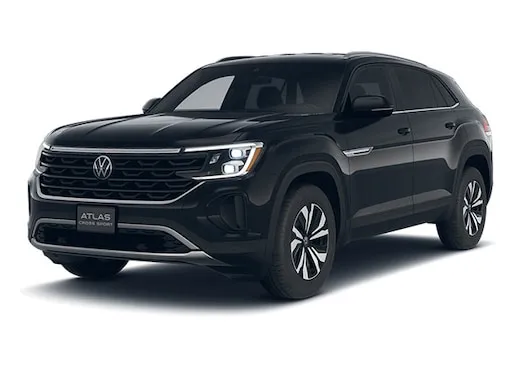
Volkswagen Atlas
Score: 64/100
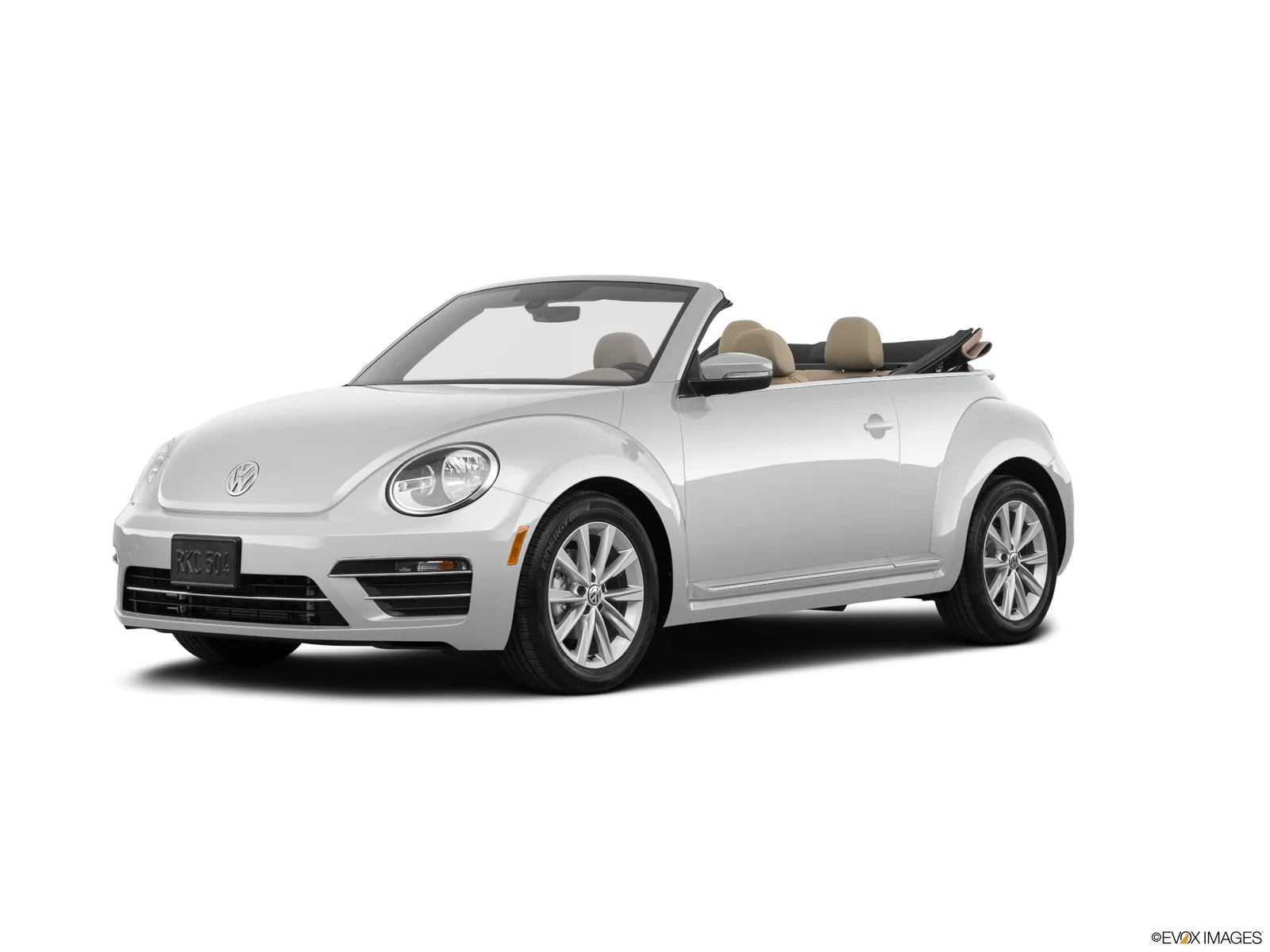
Volkswagen Beetle
Score: 74/100
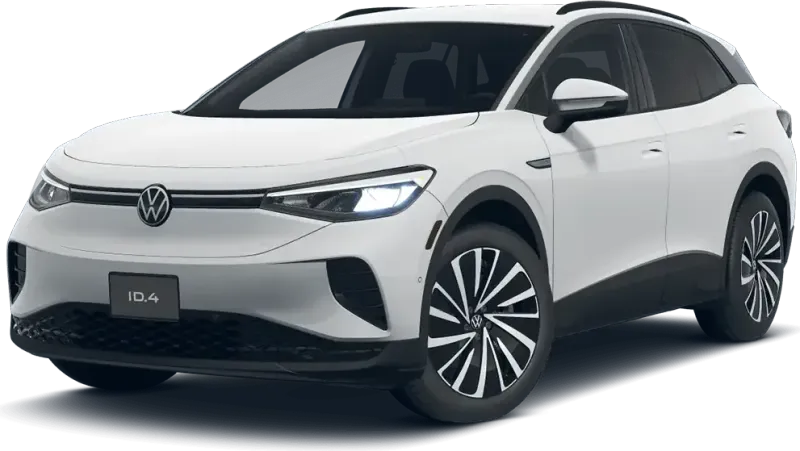
Volkswagen ID.4
Score: 59/100
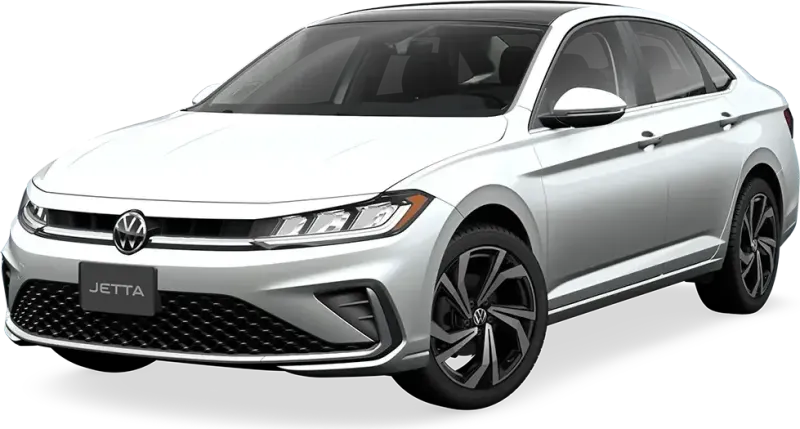
Volkswagen Jetta
Score: 88/100
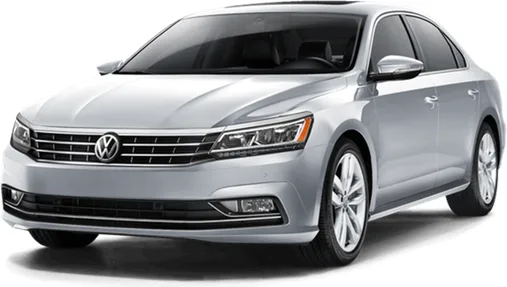
Volkswagen Passat
Score: 77/100
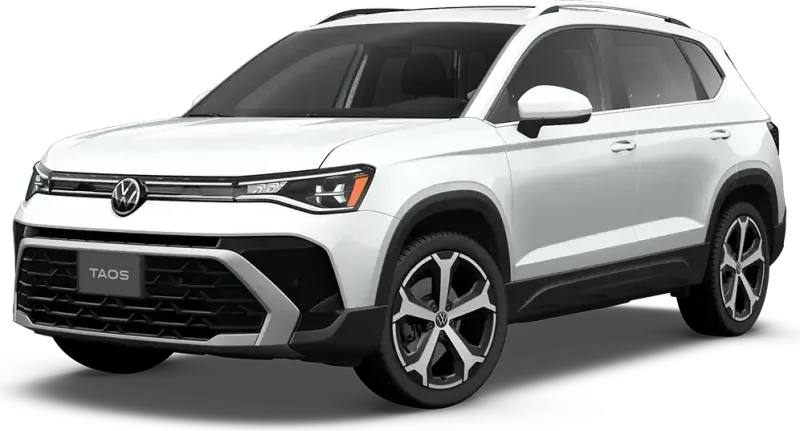
Volkswagen Taos
Score: 64/100
Browse More 2018 Vehicles
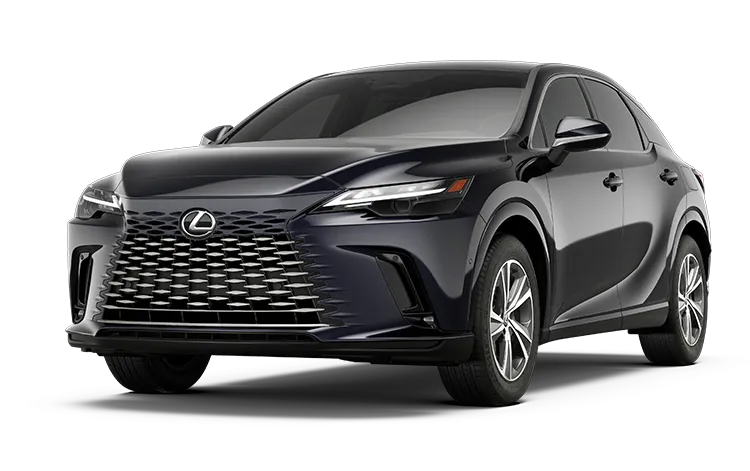
2018 Lexus RX
Score: 85/100
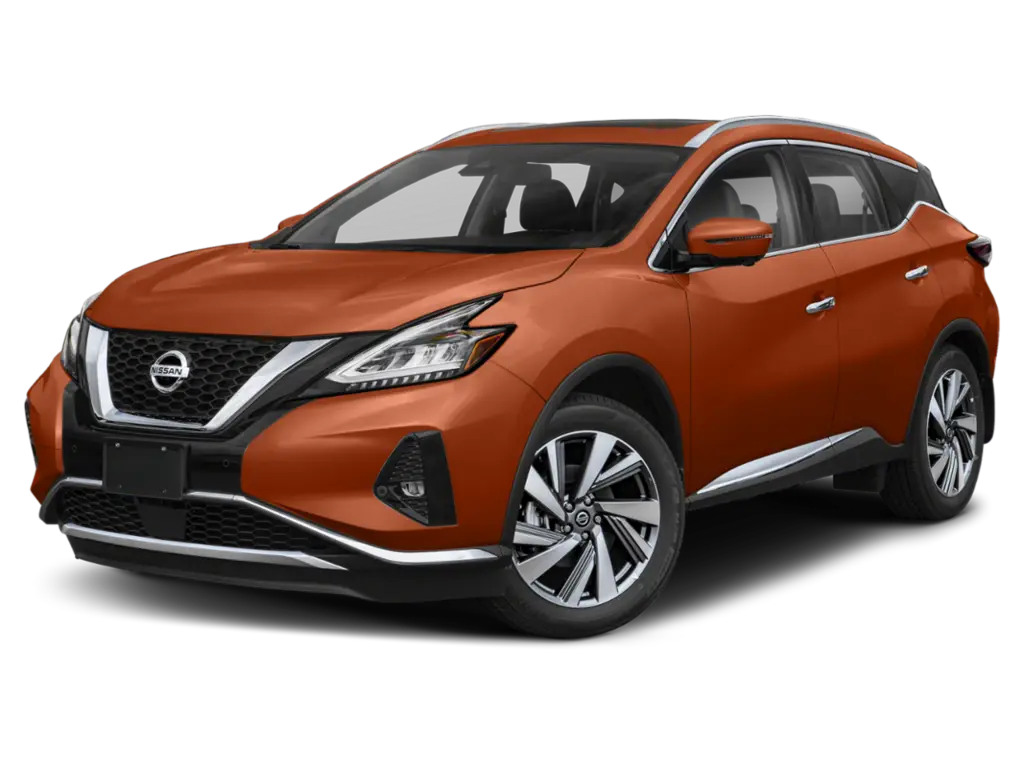
2018 Nissan Murano
Score: 82/100
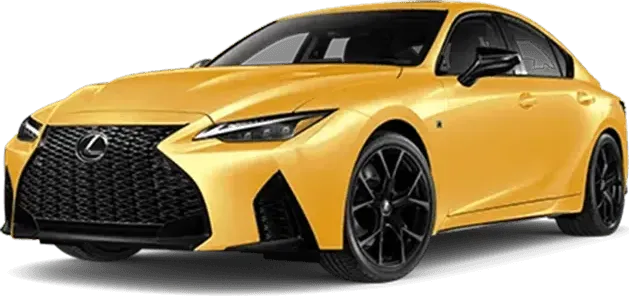
2018 Lexus IS
Score: 81/100
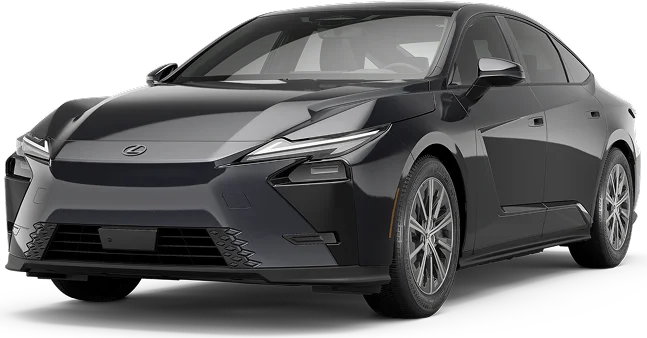
2018 Lexus ES
Score: 80/100
2018 Toyota Corolla
Score: 80/100
2018 Buick Encore
Score: 80/100
See incorrect data? Report an issue