Last updated: 2026-11-19
Engine & powertrain
Jeep Renegade Engine Problems
Jeep Renegade engines most often shut off while driving, and owners often find the oil nearly gone. The 2018 year has by far the most reports.
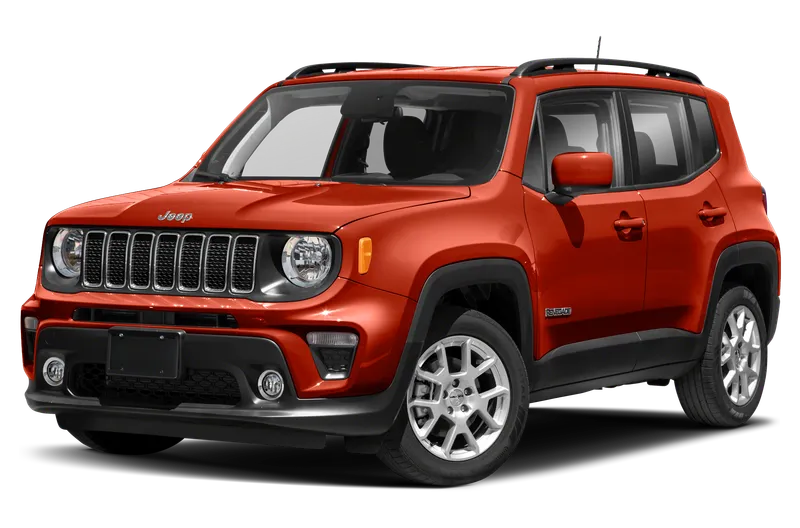
- Owner complaints
- 196
- Share of all complaints
- 28%
- Crash / fire / injury reports
- 2 / 2 / 1
- Related recalls
- 0
Jeep Renegade engine complaints by model year
The 2018 model year dominates, with 157 engine complaints and the highest rate per vehicle sold. The 2019 and 2020 years sit far lower, with 12 and 15 complaints. The 2021, 2022, and 2023 years have only 3, 7, and 2. Newer years have had less time on the road to collect reports, so low counts there do not prove a cleaner engine. Oil burning and oil leaks still show up in the 2022 and 2023 reports.
| Model year | Complaints | Per 10,000 sold | Crash, fire, injury reports |
|---|---|---|---|
| 2018 | 157 | 16.2 | 0, 1, 1 |
| 2019 | 12 | 1.6 | 1, 1, 0 |
| 2020 | 15 | 2.4 | 1, 0, 0 |
| 2021 | 3 | 0.6 | 0, 0, 0 |
| 2022 | 7 | 2.5 | 0, 0, 0 |
| 2023 | 2 | 0.8 | 0, 0, 0 |
Owner complaints filed with NHTSA under engine, engine and engine cooling. Newer model years have had less time to collect complaints.
What goes wrong
Sudden shutdowns lead the engine complaints. Owners describe the motor quitting in turns, while slowing, when pulling into traffic, or at highway speed. Many then check the dipstick and find it nearly or completely dry. Warning lights are unreliable here. The low oil pressure light may flash for a second, or nothing shows at all. Heavy oil use appears across several model years, with owners adding about a quart every 750 to 1,000 miles. Oil leaks and cooling problems round out the list.
The safety risk is real. A dead engine means lost power, and power steering can drop out mid-turn. One 2020 stall at a gas station entrance ended in a rollback crash. Two fire reports exist: a 2018 engine fire while parked, with an ankle injury, and a 2019 car that smoked while driving and burned until it was totaled. Some cars become undrivable. Owners report engine replacements, a snapped timing chain, and a failed MultiAir actuator. Engine issues make up 196 of the model's 705 complaints.
Symptoms owners report
Stalling with no warning
The engine shuts off while moving, often in turns or when pulling into traffic. Some owners see a flashing D and a prompt to shift to park. Others get no light at all. Restarts can be rough or slow.
Oil level dropping fast
Owners add quarts between changes, with no visible leak in many cases. Reports range from about a quart every 750 miles to nine quarts used between two oil changes. Some find the engine fully dry.
Oil leaks and burning smell
Oil coats the underside and drips onto garage floors. Reported sources include gaskets and the vacuum pump. A 2023 owner reports five repair attempts on a car about a year old. Some owners worry about fire.
Power loss and hesitation
Cars lose power on the highway, hesitate for several seconds before lurching forward, or refuse to rev past 3300 RPM after a low oil pressure fault. Dealers often find no codes and cannot reproduce it.
Overheating and cooling failures
Reports include leaking radiators, a cracked fan, and cooling fans that work only with the air conditioning on. One owner says a brief overheat led to a needed engine replacement.
Major internal failures
Single reports describe a timing chain snapping at 50,000 miles, low compression needing a new engine at 80,000, and a MultiAir actuator failure that sprayed oil across the engine.
When the problems start
On the 2018 cars, most reports begin within the first 5,500 miles. Some come as early as 1,300 and 3,800 miles. The 2019 reports cluster between 38,000 and 54,000 miles. Other single reports include a 2022 power loss near 9,040 miles, a timing chain failure at 50,000, and low compression at 80,000.
Repairs and recalls
The usual dealer response is to top off or change the oil and ask for a recheck after 1,000 miles. Some dealers run oil consumption tests. Others find no fault, or tell owners to add a quart at 1,000-mile intervals. Repairs owners name include gaskets, a vacuum pump, radiators, and cooling fans. Engine replacement appears in a few reports, and in one 2022 case the hesitation continued afterward. A MultiAir actuator sat on back order for months. The data lists no recalls in this area. Independent repair-cost data puts the model's overall annual repair cost at $498.
Checking a used Renegade for engine problems
- Pull the dipstick on a cold engine and confirm the oil level is correct, not near the tip or dry.
- Ask for service records showing oil changes, mid-interval top-offs, and any dealer oil consumption tests.
- Look on top of the engine and underneath for oil residue, drips, or a burning smell after a long drive.
- Test drive through tight turns, slow stops, and highway merges, watching for stalls, hesitation, or a rev ceiling near 3300 RPM.
- Confirm both cooling fans run without the air conditioning on, and watch the temperature gauge in traffic.
- Ask the seller whether the engine or any major engine part has been replaced, and get the repair paperwork.
For the rest of the car, use a full Jeep Renegade inspection checklist.
A VIN check shows whether the car you're looking at had its recall work done, plus accident and title history.
Jeep Renegade Engine Problems: common questions
- Which Jeep Renegade years have the most engine problems?
- The 2018 model year, by a wide margin. It has 157 engine complaints, far more than any other year. The 2019 and 2020 years follow with 12 and 15. Later years show fewer, but they have had less time to collect reports.
- Is it safe to drive a Renegade that stalls?
- Not without a fix. Owners report the engine quitting at speed, power steering dropping out mid-turn, and a stall that led to a rollback crash. Check the oil level right away, and have a shop diagnose the cause before driving it in traffic.
- Is there a recall for Jeep Renegade engine problems?
- Federal recall records in our data list no recalls in this area. That covers the engine and engine cooling components only. To see open campaigns on a specific car, ask a dealer to run its VIN.
- Why does the Renegade burn so much oil?
- The data does not name a cause. Owners report using about a quart every 750 to 1,000 miles, often with no visible leak. Some dealers advised adding a quart at 1,000-mile intervals. Check the level often if you own one.
- How much does it cost to fix Renegade engine problems?
- Owner complaints rarely give repair prices. Fixes range from oil top-offs and gaskets to full engine replacement. Independent repair-cost data estimates the model's overall annual repair cost at $498, which is not specific to engine work.
Other Jeep Renegade problems
Electrical & lighting
More on the Jeep Renegade
See incorrect data? Report an issue