Last updated: 2026-11-20
Engine & powertrain
Hyundai Sonata Fuel System Problems
Hyundai Sonata fuel system trouble centers on swollen fuel tanks, plus injector failures that cause sudden power loss, mostly on 2020 to 2023 cars.
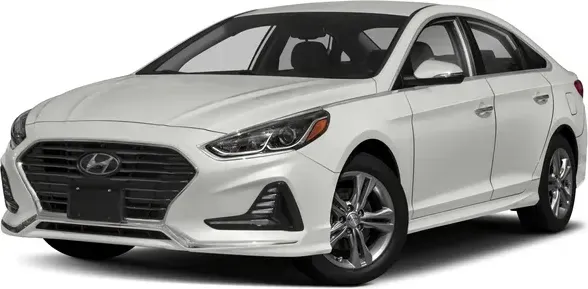
- Owner complaints
- 153
- Share of all complaints
- 12%
- Crash / fire / injury reports
- 3 / 0 / 6
- Related recalls
- 3
Hyundai Sonata fuel system complaints by model year
The 2020 model year has the most fuel system complaints, at 48, followed by 2023 with 34. The 2023 year has the highest rate per vehicle sold, with 2020 next. The 2021 and 2022 years sit in the middle. The 2018 and 2019 years have far fewer, mostly fuel pump and hybrid issues. The 2024 and 2025 years show almost nothing, and 2026 shows none, but those years are too new to judge. Few complaints there mostly reflects less time on the road, not a cleaner record.
| Model year | Complaints | Per 10,000 sold | Crash, fire, injury reports |
|---|---|---|---|
| 2018 | 12 | 1.1 | 0, 0, 0 |
| 2019 | 6 | 0.7 | 0, 0, 0 |
| 2020 | 48 | 6.2 | 2, 0, 0 |
| 2021 | 27 | 3.2 | 1, 0, 6 |
| 2022 | 23 | 4.4 | 0, 0, 0 |
| 2023 | 34 | 8.4 | 0, 0, 0 |
| 2024 | 1 | 0.2 | 0, 0, 0 |
| 2025 | 2 | 0.4 | 0, 0, 0 |
| 2026 | 0 | 0 | 0, 0, 0 |
Owner complaints filed with NHTSA under fuel system, fuel/propulsion system, hybrid propulsion system. Newer model years have had less time to collect complaints.
What goes wrong
Swollen fuel tanks are the signature fuel problem on these sedans. Owners hear a loud boom or pop, watch the fuel gauge drop fast, and smell gas in the cabin. Some find the rear seat pushed up. The second big pattern is failed fuel injectors, which bring misfires, shaking, and sudden loss of power. Fuel pump failures and hybrid power loss appear too, mostly on older years. Fuel system complaints make up 12% of everything filed on the model.
The safety risk is real. Owners describe engines dying at highway speed and in intersections, and one car nearly caused a T-bone crash. Federal records show three crashes in this area, plus six injuries in the 2021 group. No fires are reported. Still, the federal recall says a swollen tank can touch hot exhaust parts and melt. Some cars sit at dealers for weeks waiting on parts, and a few are called unrepairable or end in a buyback.
Symptoms owners report
Swollen or bulging fuel tank
Owners hear a loud boom or pop, then see the fuel gauge fall fast. Some smell gas inside the car, and the rear seat can lift out of place. Some tanks will not take fuel, or fuel spits back at the pump.
Injector failure and power loss
Mostly on 2022 and 2023 cars. The engine bucks, shakes, misfires, and stops responding to the gas pedal, sometimes at highway speed. Many cars die and will not restart. Cylinder 3 comes up often, and failures often return.
Fuel smell and leaks
Owners report a strong gasoline odor in the cabin or garage, fuel gushing or spewing, and puddles under the car. One 2025 owner smelled heavy fumes after every fill-up. Another had the tank come loose while pumping fuel.
Stalling and failure to restart
Cars stall at stops, in intersections, or after refueling, then will not restart. Some owners say the dealer could not reproduce it. Older 2018 and 2019 cars link this to failed fuel pumps, including a cracked pump module under the rear seat.
Erratic fuel gauge
The gauge reads empty when the tank is not, drops quickly after a fill-up, or jumps from a low range figure to a much higher one. Owners often notice this just before another fuel symptom appears.
Hybrid power cutoffs
Hybrid cars show a hybrid system failure message, then stall or crawl at about 5 mph. One 2019 car did this at 65 mph. A 2022 hybrid cut battery power while parked in the sun.
When the problems start
Injector failures come early. Owners report them at 1,330 miles, 4,100 miles, and 8,000 miles, with others at 12k, 26k, and 30k. One 2022 car failed at 27k and again at 38k, and another showed trouble again at 56,400 miles. Fuel pump trouble appears later, with one replacement at 64k miles. Tank swelling reports rarely tie to a clear mileage.
Repairs and recalls
Most injector repairs are done under warranty, but they often come back, and one owner paid more than $1,000 for a repeat failure. Parts delays are common, with some cars out of service for more than 89 days. Federal recall 25V796000 covers 2020 to 2023 cars: dealers inspect and replace the check valve, inspect the tank and replace it if damaged, and update engine control software. Recall 21V524000 covers fuel leaks on 2021 and 2022 cars with the 2.5L turbo engine, with a free pipe inspection, tightening, or replacement.
| Model years | Campaign | Problem |
|---|---|---|
| 2020, 2021, 2022, 2023 | 25V796000 | Hyundai Motor America (Hyundai) is recalling certain 2020-2023 Sonata vehicles. A damaged check valve can allow air to enter the fuel tank, causing it to expand and contact hot exhaust components, melting the tank. |
| 2021, 2022 | 21V524000 | Hyundai Motor America (Hyundai) is recalling certain 2021-2022 Santa Fe and Sonata vehicles equipped with 2.5L turbocharged engines. Fuel may leak at the pipe connection between the high-pressure fuel pump and fuel… |
| 2018 | 18V166000 | Hyundai Motor America (Hyundai) is recalling certain 2016-2018 Hyundai Sonata Plug-In Hybrid vehicles. These vehicles are equipped with a Voltage Protection Device (VPD), designed to protect the high voltage battery… |
Checking a used Sonata for fuel system problems
- Enter the VIN on the federal recall lookup and confirm recall 25V796000 repairs are completed, with paperwork showing the check valve and tank inspection.
- Smell the cabin and trunk area after a fuel fill-up. Walk away from any car with a lingering gasoline odor.
- Press down on the rear seat and look for lifted or warped seat bottoms, which can mean a swollen tank.
- Ask for dealer service records showing injector replacements, and which cylinders were repaired.
- Check that the fuel gauge falls steadily during a test drive of at least 20 minutes, with no jumps.
- On a 2020 to 2023 car, ask the seller if it has ever sat at a dealer waiting for fuel system parts.
For the rest of the car, use a full Hyundai Sonata inspection checklist.
3 fuel system recalls cover the Hyundai Sonata. A VIN check shows whether the car you're looking at had its recall work done, plus accident and title history.
Hyundai Sonata Fuel System Problems: common questions
- Which Hyundai Sonata years have the most fuel system problems?
- The 2020 year has the most complaints in this area, and 2023 has the highest rate per vehicle sold. The 2021 and 2022 years also have many. Years 2024 to 2026 show few, but they are too new to read as better. They have had less time to collect complaints.
- Is it safe to drive a Sonata with a swollen fuel tank?
- Owners describe gas smells, fast fuel loss, and leaks. The federal recall says a swollen tank can touch hot exhaust parts and melt. Federal records list no fires in this area, but get the car inspected promptly and do not ignore a fuel smell.
- Is there a recall for Sonata fuel system problems?
- Yes. Recall 25V796000 covers 2020 to 2023 Sonatas for a damaged check valve that can let air into the tank. Recall 21V524000 covers fuel leaks on 2021 and 2022 cars with 2.5L turbo engines. Check your VIN, since some owners say theirs did not show a recall.
- How much does it cost to fix Sonata fuel injectors?
- Most owners report injector repairs covered under warranty. One owner paid just over $1,000 for a second failure on a 2023 car after warranty coverage did not apply. Repeat failures are common, and some owners wait on back-ordered parts.
- Do Sonata fuel pump problems still happen on newer cars?
- Fuel pump complaints show up mainly on 2018 and 2019 cars, including a pump replaced at 64k miles. Newer cars lean toward tank swelling and injector failures instead. A 2025 owner reported a strong fuel odor after refueling, so newer cars still need a careful inspection.
Other Hyundai Sonata problems
Engine & powertrain
Electrical & lighting
More on the Hyundai Sonata
See incorrect data? Report an issue