Last updated: 2026-10-10
Genesis GV60 vs Nissan Ariya: Reliability Compared
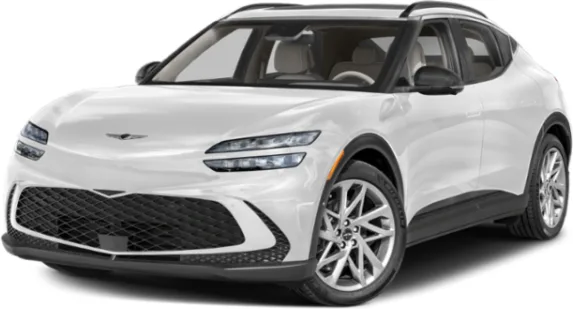
Genesis GV60
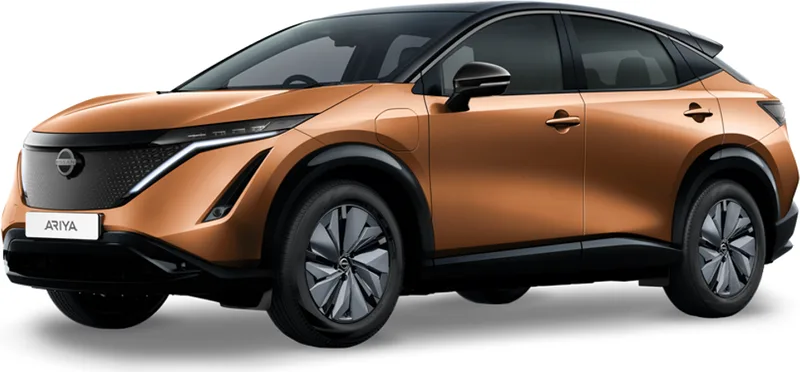
Nissan Ariya
Ahead on reliability is the Nissan Ariya, by a large gap over the Genesis GV60. The deciding fact is recalls and repeat failures: the Ariya has 4 recalls to the GV60's 17, and the GV60's charging unit failures keep returning on some cars.
How Do the Genesis GV60 and Nissan Ariya Generations Compare?
Verdict
The Nissan Ariya is more reliable than the Genesis GV60, scoring 85/100 vs 68/100.
A large gap puts the Ariya ahead. It has fewer owner complaints, far fewer federal recalls, and a lower complaint rate per vehicle sold. The GV60 still stands well, but its failures are heavier: the same charging-unit breakdown leaves cars without drive power, sometimes more than once. The Ariya has power-loss reports too, though many clear after a restart. That difference in severity and repeat failures is what separates them.
Key Differences
- 1Nissan Ariya has 110.7 fewer complaints per 10k sold
- 2Nissan Ariya scores 17 points higher in reliability
- 3Nissan Ariya has 13 fewer total recalls
Category Scoreboard
Genesis GV60 vs Nissan Ariya: Which Is More Reliable?
| Metric | Genesis GV60 | Nissan Ariya |
|---|---|---|
| Reliability Score | 68/100 | 85/100 |
| Years Tracked | 3 | 4 |
| Total Recalls | 17 | 4 |
| Complaints per 10k Sold | 223.5 | 112.8 |
| Safety RatingNHTSA overall | 2025 NHTSA | 2026 NHTSA |
| Frontal | ||
| Side | ||
| Rollover | ||
| Year Wins | 0 | 3 |
What Are the Common Problems With the Genesis GV60 and Nissan Ariya?
Sudden loss of drive power shows up on both cars, but the causes and the fixes differ. Ariya owners report a 12v battery that will not hold a charge, or an EV system fault with limp mode that often clears after the car is shut off for a few minutes. GV60 owners describe a loud pop from the rear, then a failed ICCU and high-voltage fuse, with repeat failures and parts that have no delivery date. Each model has one crash-linked area. For the Ariya it is power train, a sudden acceleration while parking. For the GV60 it is electrical.
| Component | Genesis GV60 | Nissan Ariya |
|---|---|---|
| ELECTRICAL SYSTEM | 108.8High | 56.4High |
| POWER TRAIN | 38.2High | 19.5High |
| UNKNOWN OR OTHER | 17.6High | 4.3Average |
| STRUCTURE | 5.9Average | —None |
| FUEL/PROPULSION SYSTEM | 5.9Average | —None |
| SEAT BELTS | 5.9Average | —None |
| SERVICE BRAKES | —None | 4.3Average |
| ENGINE | —None | 4.3Average |
| STEERING | —None | 4.3Average |
Complaints per 10,000 units sold, aggregated across all tracked model years from NHTSA owner reports.
How Does Genesis GV60 vs Nissan Ariya Reliability Compare by Year?
| Year | Genesis GV60 | Nissan Ariya | Edge |
|---|---|---|---|
| 2025 | 70/1004R / 4C | 88/1000R / 7C | Nissan Ariya |
| 2024 | 69/1005R / 14C | 88/1000R / 6C | Nissan Ariya |
| 2023 | 66/1008R / 58C | 76/1004R / 39C | Nissan Ariya |
Best years to cross-shop: The 2024 Genesis GV60 scored 69/100 and the 2024 Nissan Ariya scored 88/100 — the strongest shared model years that have been on the road for at least two years, where available.
Who Should Buy the Genesis GV60 vs the Nissan Ariya?
Genesis GV60 vs Nissan Ariya: Common Questions
- Is the Nissan Ariya more reliable than the Genesis GV60?
- Yes, by a large gap. The Ariya has 52 owner complaints against 76 for the GV60, and its rate per 10,000 sold is about half. The GV60's problems are also more likely to repeat, with some cars losing drive power a second or third time.
- Which has more recalls, the Ariya or the GV60?
- The GV60 has far more. Federal recall records show 17 across its three model years, while the Ariya has 4 across four model years. Check any car's VIN for open recalls before you buy, whichever model you pick.
- Which costs less to repair, the Ariya or the GV60?
- The Ariya's estimated annual repair cost is $500. Independent repair-cost data is not available for the GV60, so a direct dollar comparison is not possible. Owner reports do show GV60 repairs that stall on parts availability, with some cars sitting without a delivery date.
- What is the common problem on the Genesis GV60?
- Loss of drive power tied to the ICCU. Owners report a loud pop from the rear, a check-electrical-system warning, and then limp mode or a stop on the road. Dealers often find a failed ICCU and high-voltage fuse. A blank instrument cluster at startup is the other common complaint.
- Does the Nissan Ariya lose power while driving?
- Some owners report it. The charge reading drops to 0%, limp mode caps speed, and a Service EV System warning appears. Shutting the car off for a few minutes often clears it, but some owners saw repeat episodes. A dead 12v battery can also stop the car from starting.
Related Reliability Comparisons
More Genesis GV60 comparisons
Decided between Genesis GV60 and Nissan Ariya? Run a VIN check before you buy — uncover hidden accidents, title issues, and open recalls.
How we score the Genesis GV60 and Nissan Ariya
Scores weight complaint severity at 35%, repair costs at 30%, recall impact at 20%, and the spread of complaints across systems at 15%, with complaint counts adjusted for US sales. Read the full methodology.
See incorrect data? Report an issue