Last updated: 2026-10-10
Chevrolet Malibu vs Subaru Legacy: Reliability Compared
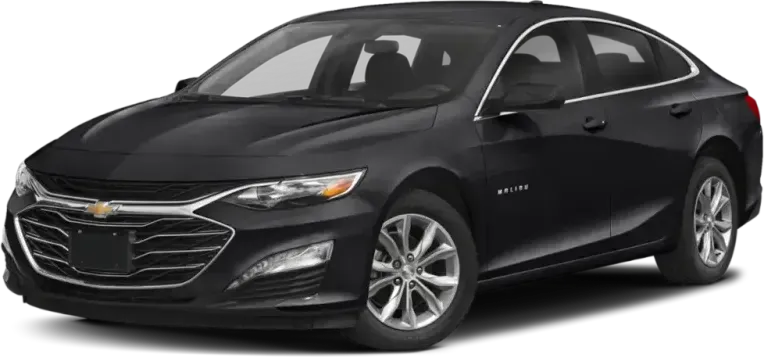
Chevrolet Malibu
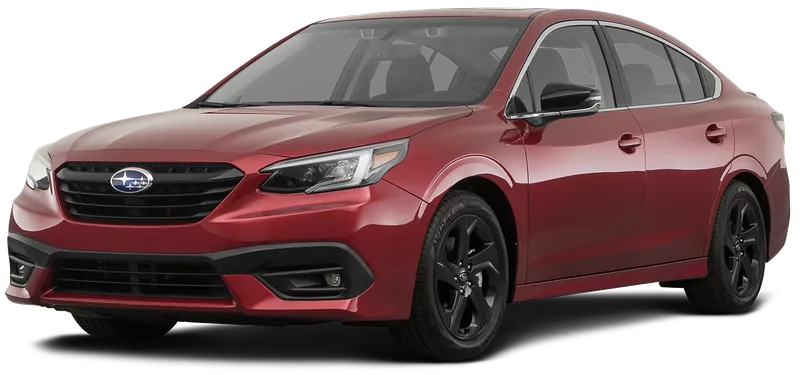
Subaru Legacy
The Chevrolet Malibu and Subaru Legacy come out effectively tied on reliability. Repair costs and shop visits are nearly identical. The real difference is what breaks: the Malibu has shifter, power-loss, and brake pump problems, while the Legacy mostly has cracking windshields and water leaks.
How Do the Chevrolet Malibu and Subaru Legacy Generations Compare?
Verdict
The Chevrolet Malibu is more reliable than the Subaru Legacy, scoring 76/100 vs 75/100.
Effectively tied. Independent repair-cost data shows almost no gap: shop visits are identical, and cost and major-repair odds differ by a hair. What separates them is the kind of trouble each has. The Malibu's worst reports involve a false "Shift to Park" warning, sudden power loss, and brake vacuum pump failure. The Legacy's lead with cracking windshields and cabin water leaks, plus a few serious surge-forward crashes. Neither car clearly beats the other, so choose by which failure you would rather risk.
Key Differences
- 1Chevrolet Malibu costs $31 less per year to repair
- 2Chevrolet Malibu has 17.6 fewer complaints per 10k sold
- 3Chevrolet Malibu has 6 fewer total recalls
Category Scoreboard
Chevrolet Malibu vs Subaru Legacy: Which Is More Reliable?
| Metric | Chevrolet Malibu | Subaru Legacy |
|---|---|---|
| Reliability Score | 76/100 | 75/100 |
| Years Tracked | 8 | 8 |
| Total Recalls | 13 | 19 |
| Complaints per 10k Sold | 3.6 | 21.2 |
| Annual Repair Cost | $532/yr | $563/yr |
| Repair Frequency | 0.3/yr | 0.3/yr |
| Major Repair Risk | 11% | 12% |
| Safety RatingNHTSA overall | 2025 NHTSA | 2025 NHTSA |
| Frontal | ||
| Side | ||
| Rollover | ||
| Year Wins | 4 (1 tied) | 3 (1 tied) |
What Are the Common Problems With the Chevrolet Malibu and Subaru Legacy?
Drive and safety systems are where the Malibu's complaints concentrate. The shifter says the car is not in Park when it is. Power drops at highway speed, and the car may not exceed 25 mph. The brake vacuum pump can fail, leaving a rock-hard pedal and sometimes wrecking the camshaft. Brakes alone carry 10 crash-linked complaints, and crash links appear in all five main areas. The Legacy's complaints are mostly glass and water: windshields crack with no impact and can block the EyeSight cameras, and leaks soak the carpets. Its crash links are limited to unintended acceleration while parking, which is rare but serious.
| Component | Chevrolet Malibu | Subaru Legacy |
|---|---|---|
| VISIBILITY/WIPER | —None | 6.5Average |
| ELECTRICAL SYSTEM | 0.7Very Low | 4.5Average |
| UNKNOWN OR OTHER | 0.5Very Low | 3.6Average |
| POWER TRAIN | 0.9Very Low | 0.4Very Low |
| ENGINE | 0.4Very Low | 0.5Very Low |
| VISIBILITY | —None | 0.9Very Low |
| VEHICLE SPEED CONTROL | 0.2Very Low | 0.5Very Low |
| STEERING | 0.2Very Low | 0.3Very Low |
| AIR BAGS | 0.1Very Low | 0.4Very Low |
| SERVICE BRAKES | 0.2Very Low | 0.2Very Low |
| FUEL/PROPULSION SYSTEM | 0.1Very Low | 0.3Very Low |
| FORWARD COLLISION AVOIDANCE | —None | 0.2Very Low |
| STRUCTURE | —None | 0.1Very Low |
| FUEL SYSTEM | —None | —None |
| ENGINE AND ENGINE COOLING | —None | —None |
| TIRES | —None | —None |
| SUSPENSION | —None | —None |
Complaints per 10,000 units sold, aggregated across all tracked model years from NHTSA owner reports.
Which Is Cheaper to Maintain: Chevrolet Malibu or Subaru Legacy?
How Does Chevrolet Malibu vs Subaru Legacy Reliability Compare by Year?
| Year | Chevrolet Malibu | Subaru Legacy | Edge |
|---|---|---|---|
| 2025 | 80/1000R / 3C | 80/1000R / 6C | Tie |
| 2024 | 80/1001R / 8C | 81/1000R / 16C | Subaru Legacy |
| 2023 | 81/1001R / 23C | 77/1002R / 10C | Chevrolet Malibu |
| 2022 | 80/1001R / 66C | 77/1002R / 32C | Chevrolet Malibu |
| 2021 | 74/1002R / 61C | 75/1003R / 31C | Subaru Legacy |
| 2020 | 74/1001R / 178C | 67/1006R / 121C | Chevrolet Malibu |
| 2019 | 74/1001R / 181C | 69/1003R / 123C | Chevrolet Malibu |
| 2018 | 62/1006R / 673C | 70/1003R / 116C | Subaru Legacy |
Best years to cross-shop: The 2023 Chevrolet Malibu scored 81/100 and the 2024 Subaru Legacy scored 81/100 — the strongest shared model years that have been on the road for at least two years, where available.
Who Should Buy the Chevrolet Malibu vs the Subaru Legacy?
Chevrolet Malibu vs Subaru Legacy: Common Questions
- Is the Chevrolet Malibu more reliable than the Subaru Legacy?
- No, they are effectively tied. Both stand well in reliability, both average 0.3 unscheduled shop visits a year, and repair costs are close. The Malibu has more drivetrain and brake complaints. The Legacy has more windshield and leak complaints. Your choice should depend on which problems you can tolerate.
- Which has more recalls, the Malibu or the Legacy?
- The Legacy has more. Federal recall records show 19 across model years 2018 to 2025, against 13 for the Malibu. Recall counts alone do not decide reliability, so check any specific car's VIN for open recalls before you buy.
- Which is cheaper to repair, the Malibu or the Legacy?
- The Malibu is slightly cheaper. Independent repair-cost data estimates $532 a year for the Malibu and $563 for the Legacy, a difference of about $155 over five years. Major repairs are also a point less likely on the Malibu, at 11% versus 12%.
- What is the main problem with the Chevy Malibu?
- The most common complaint is a false "Shift to Park" warning. The shifter is in Park, but the dash says otherwise, and the car may not shut off. Owners past warranty pay for a shift lever repair. More serious reports describe sudden power loss and brake vacuum pump failure.
- Do Subaru Legacy windshields really crack that easily?
- Owner complaints say so. Windshields crack with no visible impact, sometimes overnight or from the lower edge, and some replacement glass cracked again within weeks. Replacement also needs EyeSight camera recalibration, which adds cost. Complaints cluster around 30,000 to 38,153 miles.
Related Reliability Comparisons
More Chevrolet Malibu comparisons
Decided between Chevrolet Malibu and Subaru Legacy? Run a VIN check before you buy — uncover hidden accidents, title issues, and open recalls.
How we score the Chevrolet Malibu and Subaru Legacy
Scores weight complaint severity at 35%, repair costs at 30%, recall impact at 20%, and the spread of complaints across systems at 15%, with complaint counts adjusted for US sales. Read the full methodology.
See incorrect data? Report an issue