Last updated: 2026-11-20
Engine & powertrain
Volkswagen Golf Engine Problems
Volkswagen Golf engine complaints center on quiet stalling in 2019 manual GTI cars, plus loose radiators that split coolant hoses in 2022.
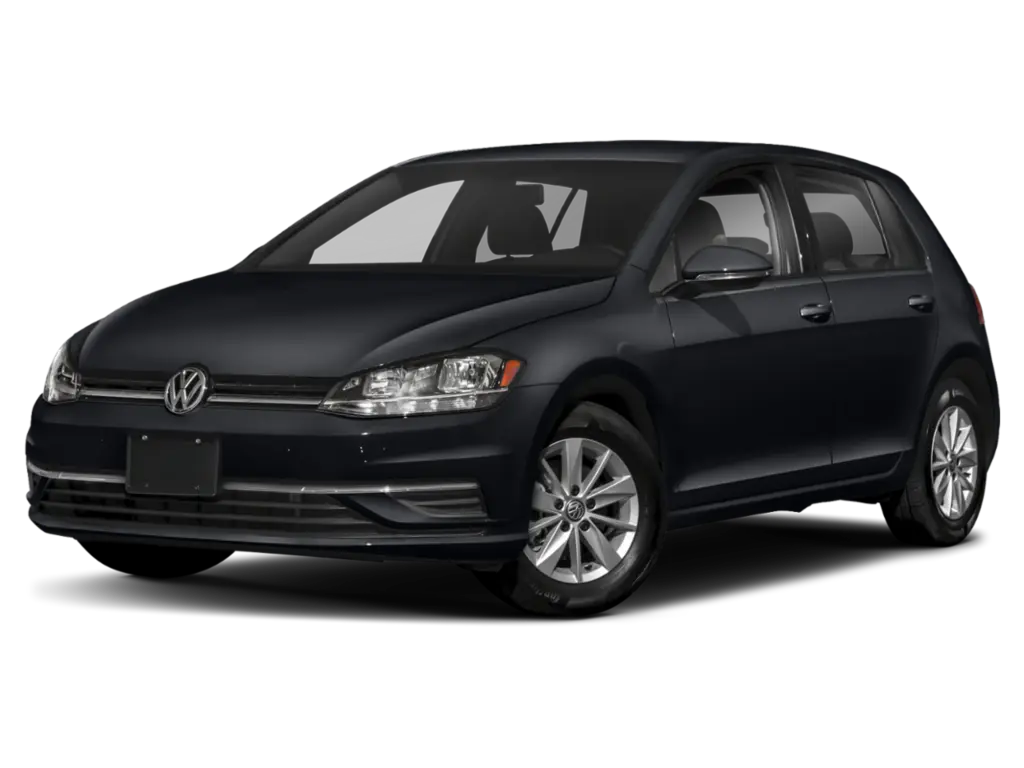
- Owner complaints
- 196
- Share of all complaints
- 34%
- Crash / fire / injury reports
- 1 / 0 / 0
- Related recalls
- 2
Volkswagen Golf engine complaints by model year
The 2019 model year dominates, with 157 of the 196 engine complaints. The 2022 year is a distant second at 25, and its problem is the radiator and coolant hose. The 2018 year has 7, mostly coolant leaks. The 2020 and 2023 years have only a handful. Years from 2024 to 2026 and 2021 show none, but newer cars have had less time to collect complaints, so that is not proof they are trouble free. Among older years, 2018 and 2020 look comparatively quiet.
| Model year | Complaints | Per 10,000 sold | Crash, fire, injury reports |
|---|---|---|---|
| 2018 | 7 | 1.7 | 0, 0, 0 |
| 2019 | 157 | 42 | 1, 0, 0 |
| 2020 | 4 | 1.8 | 0, 0, 0 |
| 2021 | 0 | 0 | 0, 0, 0 |
| 2022 | 25 | 31.7 | 0, 0, 0 |
| 2023 | 3 | 2.8 | 0, 0, 0 |
| 2024 | 0 | 0 | 0, 0, 0 |
| 2026 | 0 | 0 | 0, 0, 0 |
Owner complaints filed with NHTSA under engine, engine and engine cooling. Newer model years have had less time to collect complaints.
What goes wrong
Engine trouble makes up about a third of all Golf complaints. Most of it comes from two separate problems. In 2019 manual-transmission cars, mainly GTI and Rabbit Edition, the engine shuts off as the car rolls to a stop. Owners often do not notice until they press the gas and nothing happens. In 2022, a loose radiator lets a coolant hose rub through, and the coolant drains out.
The stall is a real safety concern, though it is not violent. No warning light comes on, and dealers often cannot reproduce it. Power steering goes away when the engine dies, and one report describes a rear-end crash after a stall at a light. The radiator failure is different. It leads to overheating, a pull-over, and often a tow, with cars sitting for weeks waiting on parts. Across all years, the data shows one crash report and no fire or injury reports in this area. Two 2022 reports describe internal engine failure with metal in the oil.
Symptoms owners report
Quiet stall while stopping
The engine dies as the car slows to a stop, with the clutch fully depressed or in neutral. There is no shudder, warning light, or fault code. Many owners only notice when the gas pedal does nothing. Restarting works, but the stall often returns.
Stalls after the engine warms up
Owners say the stalls happen once the engine is fully warm, with some noting oil temperatures around 200F or higher. Some cars stall at every stop for the rest of a drive. Dealers often say they cannot reproduce the problem.
Hard restarts and rough idle
After a stall, some cars take two to four tries to restart. The idle surges, stutters, or runs rough, and the engine sometimes stalls again. Power steering goes away when the motor dies. Keeping the revs up with the clutch in appears to prevent the stall.
Coolant loss from a loose radiator
In 2022 cars, the upper radiator clip lets go and the lower hose rubs on the serpentine belt or a pulley until it splits. The first sign is a low coolant warning, then coolant sprays across the engine bay, the engine overheats, and the car needs a tow.
Thermostat housing coolant leaks
In 2018 cars, dealers traced coolant leaks to the thermostat housing. In one case the leak came back after two warranty repairs. Other 2018 reports mention a turbocharger wastegate failure and a broken motor mount causing severe vibration.
Internal engine failure
Two 2022 reports describe metal in the oil. In both, the engine stopped or locked up while driving, and one car jerked to a stop in traffic. These are rare in the data but the most serious outcome listed.
When the problems start
The 2019 stalls start almost at once. Owners report the first stall at 30, 111, 500, and 800 miles, and some within days of buying the car. The 2022 radiator failures also come early, from 95 to 6,900 miles. The 2018 coolant leaks show up later, between 41,000 and 73,700 miles. The two 2022 internal engine failures were reported at 26,127 and 51,068 miles.
Repairs and recalls
For the 2019 stall, owners describe repeated dealer visits with no fix, since technicians often cannot reproduce it or find a fault code. The federal recall records list no recall for this stall. For 2022 cars, replacement radiator hoses were back-ordered, with waits of 1 to 4 months. Some hoses failed again because only the hose was replaced. Some owners zip-tied the radiator in place. Recall 22V707000 covers 2022 and 2023 Golf R A8 and GTI cars, where the radiator may not be attached correctly to the intercooler. Dealers inspect it and replace damaged parts free. Recall 22V163000 covers a loose engine design cover on 2022 GTI and Golf R cars. Dealers remove the cover free.
| Model years | Campaign | Problem |
|---|---|---|
| 2022, 2023 | 22V707000 | Volkswagen Group of America, Inc. (Volkswagen) is recalling certain 2022-2023 Golf R A8 and Golf GTI vehicles. The radiator may not have been attached correctly to the intercooler, which can result in a damaged coolant… |
| 2022 | 22V163000 | Volkswagen Group of America, Inc. (Volkswagen) is recalling certain 2022 Golf GTI and Golf R vehicles. Certain driving situations, such as high acceleration driving maneuvers, may loosen the engine design cover. |
Checking a used Golf for engine problems
- On a 2019 manual GTI, test drive until the engine is fully warm, then roll to several stops with the clutch in and in neutral.
- Watch the tachometer on every stop. The quiet stall can drop it to zero without any shudder.
- Ask for dealer service records showing repeated visits for stalling that was never fixed.
- On a 2022 or 2023 GTI or Golf R, confirm with a VW dealer that recall 22V707000 work was completed.
- Check the coolant level, and look for dried coolant residue near the radiator, lower hose, and thermostat housing.
- Look for zip ties holding the radiator, and ask whether only the hose or the radiator mounting was repaired.
For the rest of the car, use a full Volkswagen Golf inspection checklist.
2 engine recalls cover the Volkswagen Golf. A VIN check shows whether the car you're looking at had its recall work done, plus accident and title history.
Volkswagen Golf Engine Problems: common questions
- Which Volkswagen Golf years have the most engine problems?
- The 2019 model year has by far the most engine complaints, at 157, almost all about stalling in manual cars. The 2022 year is next at 25, mostly a loose radiator that splits a coolant hose. The 2018 year has a few coolant leak reports.
- Why does my Golf stall when coming to a stop?
- The data does not give a confirmed cause. Owners of 2019 manual cars describe a quiet stall with the clutch in or in neutral, after the engine is warm, with no warning light or code. Dealers often cannot reproduce it, so ask for a documented service visit.
- Is a Golf with this engine problem safe to drive?
- The stall is a safety risk. Power steering goes away when the engine dies, and one 2019 report describes a rear-end crash after a stall at a light. A split coolant hose can cause overheating and a tow. Get either problem looked at before long drives.
- Is there a recall for Golf engine problems?
- Two recalls are listed. Recall 22V707000 covers 2022 and 2023 Golf R A8 and GTI cars for a radiator that may not be attached correctly, risking a damaged coolant hose. Recall 22V163000 covers a loose engine design cover on 2022 GTI and Golf R cars. Neither mentions the 2019 stall.
- How much does it cost to fix Golf engine problems?
- The complaint data gives no repair prices for these engine problems. Independent repair-cost data puts the Golf's overall annual repair cost at $630. The recall repairs are free at a dealer, and for coolant leaks, owners mention warranty repairs.
More on the Volkswagen Golf
See incorrect data? Report an issue