Last updated: 2026-10-10
Ford Focus vs Nissan Sentra: Reliability Compared
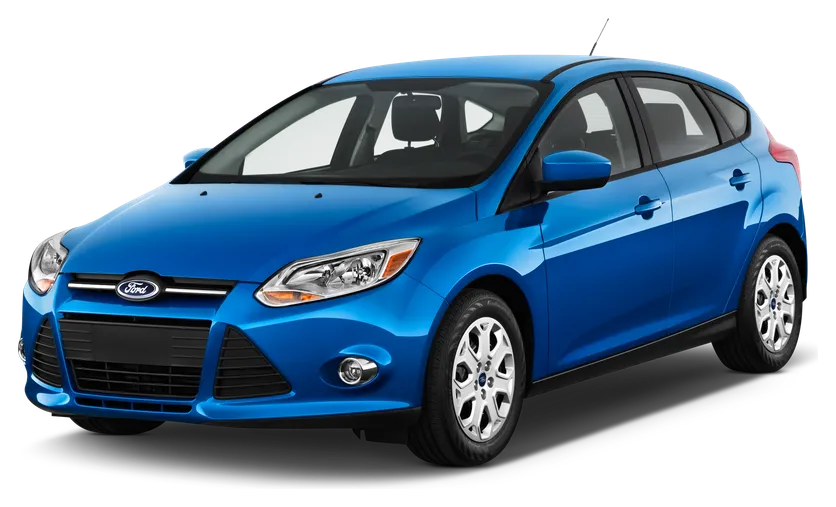
Ford Focus
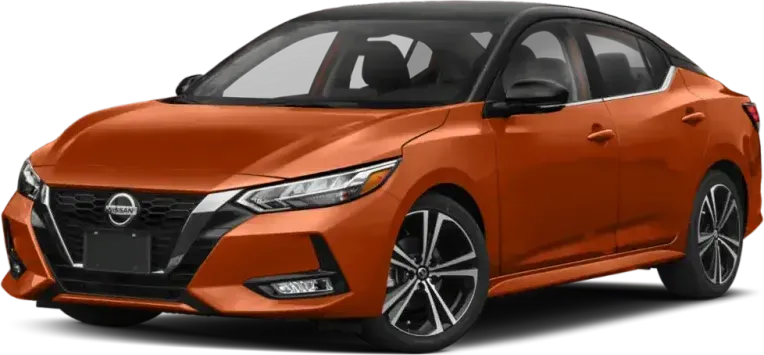
Nissan Sentra
The Nissan Sentra is far more reliable than the Ford Focus, and the gap comes down to the Focus's shuddering automatic transmission. Sentra problems are real but narrower, centered on tie rods, door locks and false emergency braking. The Focus also has far more recalls and complaints.
How Do the Ford Focus and Nissan Sentra Generations Compare?
Verdict
The Nissan Sentra is more reliable than the Ford Focus, scoring 78/100 vs 56/100.
Reliability favors the Sentra by a wide margin, and the Focus automatic transmission is the deciding reason. It shudders, lurches and slips, and it accounts for more than half of all Focus complaints. Focus owners filed 63 complaints per 10,000 sold, against 2.8 for the Sentra. Federal recall records show the Focus with more than three times the recalls. The Sentra has real faults, including tie rods and phantom emergency braking, but they are narrower and far less common. Repair costs run lower on the Sentra too.
Key Differences
- 1Nissan Sentra costs $78 less per year to repair
- 2Nissan Sentra has 60.2 fewer complaints per 10k sold
- 3Nissan Sentra has 45 fewer total recalls
Category Scoreboard
Ford Focus vs Nissan Sentra: Which Is More Reliable?
| Metric | Ford Focus | Nissan Sentra |
|---|---|---|
| Reliability Score | 56/100 | 78/100 |
| Years Tracked | 6 | 9 |
| Total Recalls | 65 | 20 |
| Complaints per 10k Sold | 63 | 2.8 |
| Annual Repair Cost | $569/yr | $491/yr |
| Repair Frequency | 0.3/yr | 0.2/yr |
| Major Repair Risk | 13% | 12% |
| Year Wins | 0 | 1 |
What Are the Common Problems With the Ford Focus and Nissan Sentra?
Drivetrain trouble defines the Focus: hesitation from a stop, jerks between first and second, drops into neutral at highway speed, and clutch replacements that do not hold. Power steering assist can also quit, and some cars stalled or caught fire. Scattered faults define the Sentra. Door lock actuators fail, front tie rods bend or break, and automatic emergency braking fires with nothing ahead. Phantom braking and forward collision complaints appear only on the Sentra's list, and its steering area carries the most crash-linked reports of any Sentra area. Total crash-linked reports are higher on the Focus, led by power train.
| Component | Ford Focus | Nissan Sentra |
|---|---|---|
| POWER TRAIN | 32.8High | 0.4Very Low |
| STEERING | 5Average | 0.4Very Low |
| ENGINE | 4.7Average | 0.1Very Low |
| ELECTRICAL SYSTEM | 3.4Average | 0.6Very Low |
| UNKNOWN OR OTHER | 3.1Average | 0.3Very Low |
| FUEL/PROPULSION SYSTEM | 3.3Average | —None |
| FUEL SYSTEM | 2.2Low | —None |
| ENGINE AND ENGINE COOLING | 1.8Low | —None |
| VEHICLE SPEED CONTROL | 1Very Low | 0.1Very Low |
| STRUCTURE | 0.8Very Low | —None |
| AIR BAGS | 0.6Very Low | 0.1Very Low |
| SERVICE BRAKES | 0.1Very Low | 0.2Very Low |
| LATCHES/LOCKS/LINKAGES | 0.3Very Low | —None |
| FORWARD COLLISION AVOIDANCE | —None | 0.2Very Low |
| EXTERIOR LIGHTING | —None | 0.1Very Low |
| SUSPENSION | —None | —None |
| WHEELS | —None | —None |
| BACK OVER PREVENTION | —None | —None |
| TIRES | —None | —None |
| VISIBILITY/WIPER | —None | —None |
| SEAT BELTS | —None | —None |
Complaints per 10,000 units sold, aggregated across all tracked model years from NHTSA owner reports.
Which Is Cheaper to Maintain: Ford Focus or Nissan Sentra?
How Does Ford Focus vs Nissan Sentra Reliability Compare by Year?
| Year | Ford Focus | Nissan Sentra | Edge |
|---|---|---|---|
| 2018 | 59/1007R / 825C | 77/1002R / 181C | Nissan Sentra |
Best years to cross-shop: The 2018 Ford Focus scored 59/100 and the 2018 Nissan Sentra scored 77/100 — the strongest shared model years that have been on the road for at least two years, where available.
Who Should Buy the Ford Focus vs the Nissan Sentra?
Ford Focus vs Nissan Sentra: Common Questions
- Is the Nissan Sentra more reliable than the Ford Focus?
- Yes, by a large margin. Owners filed 829 complaints on the Sentra and 8,694 on the Focus, and the Focus rate per 10,000 sold is far higher. Most Focus complaints involve the automatic transmission shuddering, slipping or dropping into neutral. Sentra complaints are spread across several smaller problems.
- Which has more recalls, the Sentra or the Focus?
- The Focus. Federal recall records show 65 recalls across its 6 model years, while the Sentra has 20 across 9 model years. The Sentra's recalls include a tie-rod recall, and owners say parts took about a year to arrive in some cases.
- Which is cheaper to repair, the Sentra or the Focus?
- The Sentra. Independent repair-cost data estimates $491 a year versus $569 for the Focus. Over five years that is about $390 saved. The Sentra also needs fewer unscheduled shop visits, 0.2 a year against 0.3.
- What is the biggest problem with the Ford Focus?
- The automatic transmission. Owners describe shuddering, lurching, hesitation from a stop, jerks between first and second gear, and sudden drops into neutral at highway speed. Repeated clutch replacements and software updates often fail to cure it, and some owners say it began when the car was new.
- Does the Nissan Sentra have braking problems?
- Some do. Owners report the car braking hard at 25 to 60 mph with nothing ahead, often in sun, rain or on uphill grades. Many say it began within weeks of purchase, and dealers often could not reproduce it. Ask the seller whether the car has had this fault.
Related Reliability Comparisons
More Ford Focus comparisons
Decided between Ford Focus and Nissan Sentra? Run a VIN check before you buy — uncover hidden accidents, title issues, and open recalls.
How we score the Ford Focus and Nissan Sentra
Scores weight complaint severity at 35%, repair costs at 30%, recall impact at 20%, and the spread of complaints across systems at 15%, with complaint counts adjusted for US sales. Read the full methodology.
See incorrect data? Report an issue