Last updated: 2026-10-10
Chevrolet Equinox vs Subaru Forester: Reliability Compared
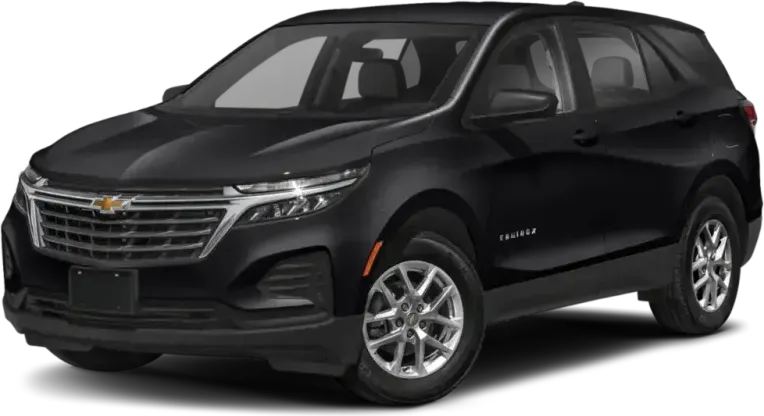
Chevrolet Equinox
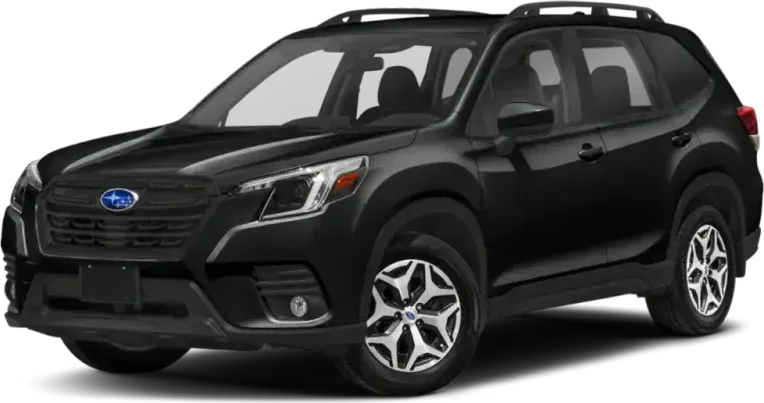
Subaru Forester
Reliability is effectively tied between the Chevrolet Equinox and Subaru Forester. The Equinox costs less to repair; the Forester has fewer recalls. The deciding factor is which risk you prefer: Equinox fuel pump and brake complaints, or Forester windshield cracking and start/stop stalling.
How Do the Chevrolet Equinox and Subaru Forester Generations Compare?
Verdict
The Subaru Forester is more reliable than the Chevrolet Equinox, scoring 74/100 vs 73/100.
Reliability is effectively tied, and neither car earns a clear edge. The Equinox is cheaper to keep running and has fewer unscheduled shop visits. The Forester has far fewer recalls and a lower chance that a repair turns major. Each carries a distinct weak spot: fuel pump and brake complaints on the Equinox, cracking windshields and start/stop stalling on the Forester. Pick based on which of those risks you can live with, not on a reliability gap.
Key Differences
- 1Chevrolet Equinox costs $95 less per year to repair
- 2Subaru Forester has 19 fewer total recalls
- 3Subaru Forester has 5% lower major repair risk
Category Scoreboard
Chevrolet Equinox vs Subaru Forester: Which Is More Reliable?
| Metric | Chevrolet Equinox | Subaru Forester |
|---|---|---|
| Reliability Score | 73/100 | 74/100 |
| Years Tracked | 9 | 9 |
| Total Recalls | 32 | 13 |
| Complaints per 10k Sold | 3.7 | 8.7 |
| Annual Repair Cost | $537/yr | $632/yr |
| Repair Frequency | 0.3/yr | 0.4/yr |
| Major Repair Risk | 18% | 13% |
| Safety RatingNHTSA overall | 2026 NHTSA | 2026 NHTSA |
| Frontal | ||
| Side | ||
| Rollover | ||
| Year Wins | 3 | 6 |
What Are the Common Problems With the Chevrolet Equinox and Subaru Forester?
Safety systems and drivability drive the Equinox complaints. Brake pedals sink to the floor, and that area has 24 crash-linked complaints. Fuel pump trouble drops the car into limp mode at highway speed, and infotainment faults freeze the screen. The Forester's biggest problem is glass: windshields crack with no impact, sometimes within a few thousand miles, and a crack can disable EyeSight. Next comes the engine shutting off at stops when start/stop fails to restart. The Forester also shows 22 crash-linked air bag complaints, though the narratives describe unintended acceleration, not an air bag failure.
| Component | Chevrolet Equinox | Subaru Forester |
|---|---|---|
| VISIBILITY/WIPER | 0.3Very Low | 3.1Average |
| ELECTRICAL SYSTEM | 0.4Very Low | 1.2Low |
| UNKNOWN OR OTHER | 0.3Very Low | 1.2Low |
| POWER TRAIN | 0.4Very Low | 0.4Very Low |
| SERVICE BRAKES | 0.6Very Low | 0.1Very Low |
| ENGINE | 0.3Very Low | 0.4Very Low |
| AIR BAGS | 0.1Very Low | 0.5Very Low |
| VISIBILITY | —None | 0.5Very Low |
| FUEL/PROPULSION SYSTEM | 0.3Very Low | —None |
| STEERING | 0.1Very Low | 0.1Very Low |
| FORWARD COLLISION AVOIDANCE | 0.1Very Low | 0.1Very Low |
| VEHICLE SPEED CONTROL | —None | 0.2Very Low |
| FUEL SYSTEM | 0.1Very Low | —None |
| EXTERIOR LIGHTING | —None | 0.1Very Low |
| STRUCTURE | —None | 0.1Very Low |
| WHEELS | —None | —None |
| SEAT BELTS | —None | —None |
| TIRES | —None | —None |
| SUSPENSION | —None | —None |
| LANE DEPARTURE | —None | —None |
Complaints per 10,000 units sold, aggregated across all tracked model years from NHTSA owner reports.
Which Is Cheaper to Maintain: Chevrolet Equinox or Subaru Forester?
How Does Chevrolet Equinox vs Subaru Forester Reliability Compare by Year?
| Year | Chevrolet Equinox | Subaru Forester | Edge |
|---|---|---|---|
| 2026 | 82/1000R / 0C | 77/1001R / 0C | Chevrolet Equinox |
| 2025 | 72/1005R / 288C | 79/1002R / 48C | Subaru Forester |
| 2024 | 76/1002R / 143C | 78/1002R / 26C | Subaru Forester |
| 2023 | 76/1003R / 70C | 79/1001R / 61C | Subaru Forester |
| 2022 | 71/1005R / 137C | 77/1001R / 86C | Subaru Forester |
| 2021 | 74/1004R / 75C | 76/1000R / 196C | Subaru Forester |
| 2020 | 70/1004R / 255C | 71/1000R / 584C | Subaru Forester |
| 2019 | 71/1004R / 273C | 63/1003R / 825C | Chevrolet Equinox |
| 2018 | 69/1005R / 382C | 66/1003R / 475C | Chevrolet Equinox |
Best years to cross-shop: The 2024 Chevrolet Equinox scored 76/100 and the 2023 Subaru Forester scored 79/100 — the strongest shared model years that have been on the road for at least two years, where available.
Who Should Buy the Chevrolet Equinox vs the Subaru Forester?
Chevrolet Equinox vs Subaru Forester: Common Questions
- Is the Chevrolet Equinox more reliable than the Subaru Forester?
- No, the two are effectively tied. The Equinox has a lower yearly repair cost and fewer shop visits. The Forester has far fewer recalls and a smaller share of major repairs. Neither has a clear advantage, so the choice comes down to which known problems you would rather avoid.
- Which has more recalls, the Equinox or the Forester?
- The Equinox has more. Federal recall records show 32 recalls across its 2018 to 2026 model years, compared with 13 for the Forester over the same span. That is a real gap, but it does not make the Equinox less reliable, since its repair costs run lower.
- Which costs less to repair, the Equinox or the Forester?
- The Equinox costs less. Independent repair-cost data puts it at about $537 a year, against $632 for the Forester. That adds up to roughly $475 over five years. The Forester is less likely to need a major repair, at 13% versus 18%.
- Do Subaru Foresters have windshield problems?
- Yes, it is their biggest complaint area. Owners report cracks that appear with no impact, sometimes while parked and within the first few thousand miles. Some owners are on a second or third windshield. A cracked windshield can also disable the EyeSight system, and replacement is often quoted at over $1000.
- What is the most serious Equinox problem?
- Brake complaints are the most serious. Owners describe the pedal sinking to the floor with sharply reduced stopping power, and 24 of the brake complaints are crash-linked. Fuel pump failures are also notable, since they can send the car into limp mode at highway speed or leave it stalled.
Related Reliability Comparisons
More Chevrolet Equinox comparisons
Decided between Chevrolet Equinox and Subaru Forester? Run a VIN check before you buy — uncover hidden accidents, title issues, and open recalls.
How we score the Chevrolet Equinox and Subaru Forester
Scores weight complaint severity at 35%, repair costs at 30%, recall impact at 20%, and the spread of complaints across systems at 15%, with complaint counts adjusted for US sales. Read the full methodology.
See incorrect data? Report an issue