Last updated: 2026-10-10

2023 Toyota Tundra Reliability Report
The 2023 Toyota Tundra rates below average among 2023 trucks, with sudden engine failures and recall repair parts still unavailable.
Recalls
22
Complaints
321
Complaint Rate
25.6per 10,000 sold
Est. Repair Cost
$606
Annual Fuel Cost
$3,000–$3,150
Detailed Score Breakdown
Component-weighted complaints normalized by sales volume
Independent repair cost ratings
Recall count weighted by severity
Breadth of reported problem categories
The Verdict
Final year of the third generation, marked by sudden engine failures and a long wait for recall parts, though the 2024 rates better.
Top Issues to Watch
- POWER TRAIN (64)
- ENGINE (59)
- ENGINE AND ENGINE COOLING (27)
Generation & Refresh (US)
2023 is the last model year of the Third generation (XK70).
- Final-year models are typically the most refined version of a generation.
- 3rd generation Tundra (US).
What this means for buyers
Final-year models are usually the most polished version of a generation, but resale value may dip as buyers anticipate the next redesign.
2022: Third generation (XK70) Launch
Generation start — new platform.
2023: This Model Year
2023 is the last model year of the Third generation (XK70).
Should You Buy the 2023 Toyota Tundra?
Approach this one with caution. It rates below average among 2023 trucks and sits among the weaker of nine scored Tundra years. The 2022 rates about the same, while the 2024 rates better. Cost is a point in its favor: independent repair-cost data puts model-wide yearly upkeep at $606, against $936 for its class. It also earned 5 of 5 federal crash-test stars.
The engine is the concern. Owners describe sudden failure at speed with no warning: loud knocking, lost power, and stalls that remove power steering and brake assist. Dealers report spun bearings and broken connecting rods. Failures cluster between 25,000 and 34,658 miles. Recall campaigns 24V381000 and 25V767000 cover engine repairs, but dealers say parts are not yet available, and some trucks fail while waiting. Throttle lag from a stop shows up from about 5,000 miles.
Ask for records showing whether the engine recall repair was completed. Several owners say their VIN was missing from the engine recall, so check yours. The 2024 is the better-rated alternative.
Compared to the 2024 Toyota Tundra, which scored 6 points higher. See also the 2022 Toyota Tundra for an earlier comparison.
Pros
- +$330 cheaper to maintain than avg fullsize trucks
- +Infrequent unscheduled repairs
Cons
- −Below-average reliability score
- −Above-average recall count
- −Above-average complaint rate for Truck
- −POWER TRAIN: Throttle lag from a stop or rolling stop is the main complaint (64 complaints)
Compare 2023 Toyota Tundra With
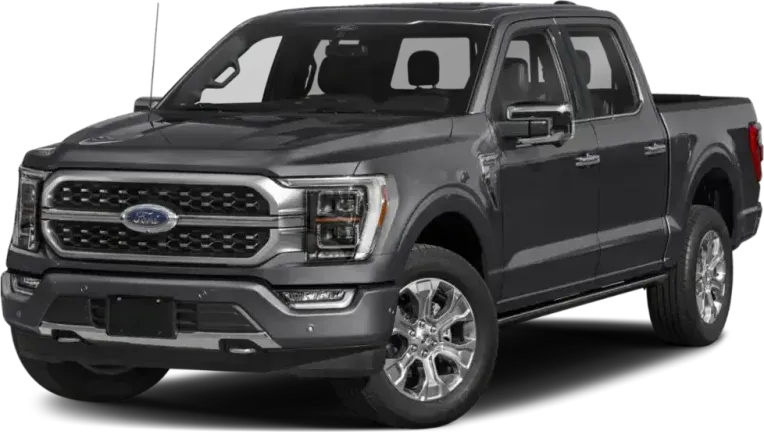
2023 Ford F-150
Reliability: 68/100

2023 Chevrolet Silverado
Reliability: 75/100
2023 Ford F-150 Lightning
Reliability: 45/100

2023 Ram 1500
Reliability: 72/100
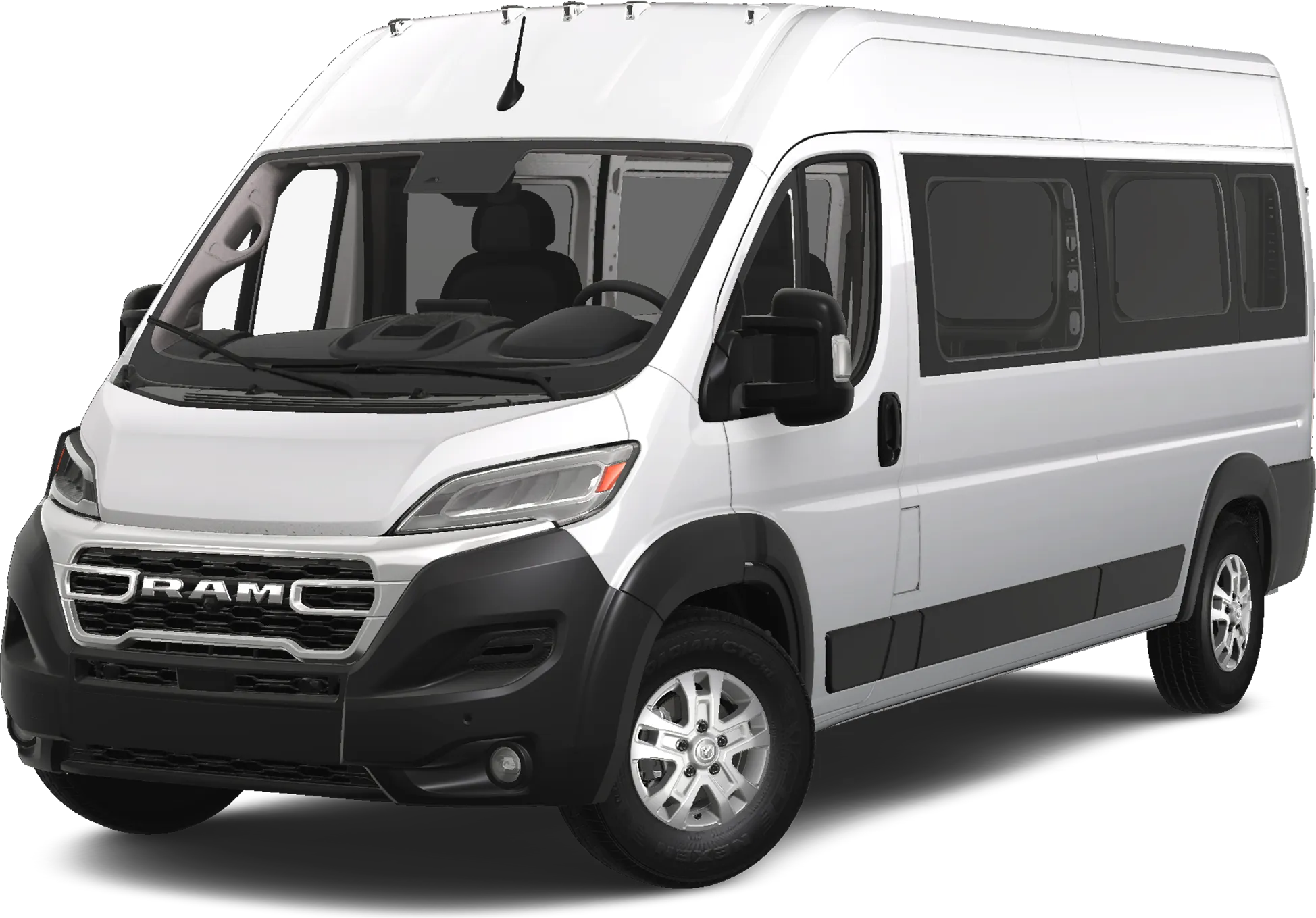
2023 Ram ProMaster
Reliability: 63/100
Common Problem Categories
Safety
LOW RISK- 22 manufacturer recalls issued
Other
HIGH RISK- POWER TRAIN (64)
- ENGINE (59)
Recall Overview
22
recalls on record
The 2023 Toyota Tundra has 22 recalls on record, which is above average. A high count can flag multiple component concerns, though it also shows the manufacturer is actively addressing known issues.
NHTSA.gov →Complaint Breakdown
25.6
per 10,000 soldSegment avg: 10.7
Safety Incidents
6
Crashes
5
Fires
2
Injuries
0
Deaths
NHTSA 5/5 Stars
Data sourced from NHTSA complaint filings and manufacturer recall notices. Complaint narratives are owner-reported.
2023 Toyota Tundra Recall Details
22 recalls have been issued for the 2023 Toyota Tundra. All recall repairs are performed free of charge at authorized dealerships.
TIRES
Toyota Motor Engineering & Manufacturing (Toyota) is recalling certain 2023 Tundra, Tundra Hybrid, and Sequoia Hybrid vehicles. The steel chain used to secure the spare tire to the underside of the vehicle may have been insufficiently welded.
Consequence
Chains that are not welded sufficiently can break and allow the spare tire to detach, increasing the risk of a crash.
Remedy
Dealers will replace the spare tire carrier assembly, free of charge. Owner notification letters are expected to be mailed August 14, 2023. Owners may contact Toyota's customer service at 1-800-331-4331. Toyota's number for this recall is 23TB06/23TA06.
ELECTRICAL SYSTEM
Toyota Motor Engineering & Manufacturing (Toyota) is recalling certain 2022-2023 Tundra and Tundra Hybrid vehicles. A software error in the combination meter's electronic control unit (ECU) may cause the Instrument Panel LCD display to go blank. As such, these vehicles fail to comply with the requirements of Federal Motor Vehicle Safety Standard number 101, "Control and Displays."
Consequence
A blank display will not show critical information such as the speedometer or warning lights, increasing the risk of a crash.
Remedy
Dealers will update the combination meter ECU software, free of charge. Owner notification letters are expected to be mailed April 17, 2023. Owners may contact Toyota's customer service at 1-800-331-4331. Toyota's number for this recall is 23TA02.
FUEL SYSTEM, GASOLINE
Toyota Motor Engineering & Manufacturing (Toyota) is recalling certain 2022-2023 Tundra and Tundra Hybrid vehicles. The plastic fuel tube routed near metallic brake lines may chafe against the brake lines and become damaged, possibly resulting in a fuel leak.
Consequence
A fuel leak in the presence of an ignition source can increase the risk of a fire.
Remedy
Dealers will install protective materials and a clamp on the fuel tube, free of charge. Owner letters were mailed November 6, 2024. Owners may contact Toyota's customer service at 1-800-331-4331. Toyota's numbers for this recall are 23TB09/23TA09.
Showing 10 of 13 recalls. View all on NHTSA.gov →
Buying a used 2023 Toyota Tundra? Check its history first
Power train problems lead owner complaints about the 2023 Toyota Tundra, and 22 recalls were issued for it. A VIN check shows whether this car's recall work was done, plus accident, title, and odometer history.
- Accidents
- Open Recalls
- Title History
- Odometer Rollback
2023 Toyota Tundra NHTSA Safety Ratings
Overall Safety Rating
Crash Test Results by Configuration (expand)
Gas Powertrain
Rollover risk: 18.5%
Safety Technologies
HEV Powertrain
Rollover risk: 18.5%
Safety Technologies
Toyota TundraRepair Costs & Maintenance
Maintenance Rating
3.5Maintenance rating: 3.5 out of 5Based on NHTSA complaint patterns, recall severity, and publicly available cost benchmarks.
Est. Annual Maintenance
$606
vs $936 avg for fullsize trucks
vs $652 avg for all vehicles
Repair Frequency
0.3
unscheduled repair visits per year
Severe Repair Probability
18%
chance of a major repair
Annual Cost Comparison
Category-level averages derived from publicly available industry reports (AAA, CarMD). Model-level estimates produced by Auto Reliability Index.
Toyota Tundra Resale Value
The Toyota Tundra is estimated to retain about 89.3% of its original value after 5 years, based on observed used-car listings.
This benchmark covers the Toyota Tundra model overall and is not specific to the 2023 model year.
- Value Retained
- 89.3%
- Depreciation
- 10.7%
- Listings Analyzed
- 320
after 5 years
over the same period
U.S. used-car listings
Listings observed in . This is a historical market benchmark, not a current price quote.
Explore Toyota Tundra depreciation and resale value on CarResaleValue.comMPG & Annual Running Costs
Gas
19–20 MPG
Running cost: $3,600–$3,750/yr
Fuel + repair
17–18 city / 22–24 hwy MPG
Hybrid
19–22 MPG
Running cost: $3,300–$3,750/yr
Fuel + repair
18–20 city / 20–24 hwy MPG
Running cost includes EPA fuel-cost estimate and independent repair-cost data (repair cost estimated at model level). Excludes routine maintenance, depreciation, and insurance. Data as of 2023 EPA label cycle.
Gas trims
| Trim | Drive | Trans. | City | Hwy | Comb | Fuel Cost |
|---|---|---|---|---|---|---|
| Tundra 2WD 3.4L 6-cyl | Rear-Wheel Drive | Automatic (S10) | 18 | 24 | 20 | $3,000 |
| Tundra 2WD 3.4L 6-cyl | Rear-Wheel Drive | Automatic (S10) | 18 | 23 | 20 | $3,000 |
| Tundra 4WD 3.4L 6-cyl | Part-time 4-Wheel Drive | Automatic (S10) | 17 | 23 | 19 | $3,150 |
| Tundra 4WD 3.4L 6-cyl | Part-time 4-Wheel Drive | Automatic (S10) | 17 | 22 | 19 | $3,150 |
Hybrid trims
| Trim | Drive | Trans. | City | Hwy | Comb | Fuel Cost |
|---|---|---|---|---|---|---|
| Tundra 2WD 3.4L 6-cyl | Rear-Wheel Drive | Automatic (S10) | 20 | 24 | 22 | $2,700 |
| Tundra 4WD 3.4L 6-cyl | Part-time 4-Wheel Drive | Automatic (S10) | 19 | 22 | 20 | $3,000 |
| Tundra 4WD PRO 3.4L 6-cyl | Part-time 4-Wheel Drive | Automatic (S10) | 18 | 20 | 19 | $3,150 |
Used Buying Checklist
Key things to inspect or verify before purchasing a 2023 Toyota Tundra.
Run the VIN for open recalls 24V381000, 25V767000 and 23V566000, and confirm each remedy was actually completed.
Ask for records of any engine or short block replacement, and check whether recall parts are still on back order.
Cold-start the truck and listen for knocking, clattering or a rough idle before it warms up.
From a full stop, ease onto the gas several times and note any pause followed by a lunge.
Drive a straight, level road with a light grip and feel for a steady pull to the right.
Inspect the front tires' outer edges for uneven wear and ask how often the truck has been aligned.
Brake gently right after startup and listen for squealing or screeching from the brakes.
Drive slowly over bumps and listen for clunking from the rear driveshaft or differential.
2023 Toyota Tundra Common Problems by Component
321 owner complaints grouped by vehicle system.
POWER TRAIN
64 complaintsSafety-relatedThrottle lag from a stop or rolling stop is the main complaint. The driver presses the pedal, nothing happens for a second or two, and then the truck lunges forward. Owners describe near misses at stop signs, roundabouts and left turns. Some notice it from about 5,000 miles, and dealers often call it normal. Other reports describe engines that lock up with metal shavings in the oil, driveshaft and rear differential failures in the first 1,200 miles, hard shifts, and stalls in 4WD. One crash followed a shift into park while the truck was moving.
ENGINE
59 complaintsSafety-relatedSudden failure at speed, often with no warning, dominates these reports. Drivers describe loud knocking, lost power, and highway stalls that can leave them without power steering or brake assist. Dealers find spun bearings, broken connecting rods and metal debris, then replace the short block or install a full engine. Failures cluster between 25,000 and 34,658 miles, with more near 58,000 to 65,000. Several owners say their VIN was not in the engine recall. One fire left a truck a total loss, and one crash is blamed on lost power. Turbo, throttle body and catalytic converter failures also appear.
ENGINE AND ENGINE COOLING
27 complaintsMost of these reports are about recall campaigns 24V381000 and 25V767000, where dealers confirm the repair parts are not yet available. Many owners say the wait has gone on too long, and one says a buyback request was declined. Some trucks fail while they wait. Owners describe loss of motive power, stalls near 60 mph, knocking on startup, rough cold idle, and hesitation on acceleration. One dealer found metal debris and rebuilt or replaced the engine. Another found a failed engine assembly but had no parts to fix it.
ELECTRICAL SYSTEM (25 complaints)
ELECTRICAL SYSTEM
25 complaintsSafety-relatedTwo reports describe fires starting in the engine bay. One began with an acrid smell after the heaters were switched on. The other came shortly after a 45,000-mile service, with shaking and loss of power before the fire. A common nuisance is a fuel gauge that jumps to full when the tank is not full, so the driver could run dry. Other complaints include a blacked-out instrument cluster, parking and lane cameras glitching in rain, stalling with engine knock, a sudden loss of oil pressure, and a musty HVAC smell when it rains.
FUEL/PROPULSION SYSTEM (20 complaints)
FUEL/PROPULSION SYSTEM
20 complaintsThe fuel gauge reads full when the tank is not, often after parking nose-up on an incline. One owner needed 14.4 gallons to fill a tank the gauge showed as more than 3/4 full. Dealers rarely find a fix, and online workarounds fail for many owners. Throttle lag from a stop, followed by a lurch, persists even after a software flash or service bulletin. Owners also complain that the fire-risk recall 23TA09 went months without an available remedy. A hybrid owner reports fuel leaking onto a garage floor.
VEHICLE SPEED CONTROL (18 complaints)
VEHICLE SPEED CONTROL
18 complaintsAcceleration from a stop often stalls for 2 to 3 seconds and then surges, leaving drivers exposed in cross traffic. Some first notice it around 10K miles, and it shows up more often shortly after startup. Dealers often cannot reproduce it, and an ECU flash did little for one owner. One driver was hit while pulling out. Others lose power while merging onto highways. The pre-collision system brakes hard with no reason, once from 65 to about 35 mph, and lane keep assist fights the wheel.
SERVICE BRAKES (18 complaints)
SERVICE BRAKES
18 complaintsSafety-relatedBrakes squeal or screech from new, worse after startup and in rain. Pad and rotor work often fails to stop it, and some dealers call it a known issue or are still waiting on parts. Several owners report the automatic emergency system slamming the truck to a stop with nothing ahead, including once from 40 mph. In one fire, the brakes failed completely while the truck was moving. Other reports are open recalls with no parts and heavy oil consumption with misfires during a dealer test.
FUEL SYSTEM (15 complaints)
FUEL SYSTEM
15 complaintsSafety-relatedNearly every report concerns recall 23V566000. Owners are notified, but dealers have no parts for the repair, and one dealer sold reserved parts before the appointment. The underlying risk is real. One owner reports a fire at the driver-side fuel tank that destroyed the truck, and another smelled fuel while driving at 30,000 miles. Other complaints include a fuel gauge that reads high, low fuel economy, and screens that shut off or demand a PIN while driving.
STEERING (10 complaints)
STEERING
10 complaintsThe truck pulls hard to the right, and repeated alignments fail to fix it or make it worse. That pull goes with fast front tire wear. Some TRD Pro owners say the factory alignment specs were wrong. Several reports describe engine stalls at speed that leave steering heavy, including one at 57,000 miles where the VIN was not in the recall. Owners also report clicking from the front suspension when turning, vibration at low speeds, and multiple safety-system warnings appearing at once.
TIRES (5 complaints)
TIRES
5 complaintsSafety-relatedFactory 265/60R20 tires wear hard on the outer edges, with dealers recommending new tires at 16,920 miles and calling one tire unsafe at 19,500. Owners tie the wear to alignment, and one got only two tires replaced. A rear tire split its sidewall at 55 mph with 4,601 miles on the truck. One crash report describes the Bridgestone Dueler H/T tires swaying on the highway, worse in rain and with a trailer fishtailing.
When Do 2023 Toyota Tundra Problems Start?
Based on owner complaint patterns, here's when common issues tend to appear.
Best & Worst Toyota Tundra Years
Best Toyota Tundra Years to Buy
Based on reliability index scoreToyota Tundra Years to Avoid
Toyota Tundra Reliability Score Trend
Scores 0–100. Higher is better. Current year highlighted.
| Year | Score | Rating |
|---|---|---|
| 2018 | 69/100 | Good |
| 2019 | 70/100 | Good |
| 2020 | 74/100 | Good |
| 2021 | 75/100 | Good |
| 2022 | 57/100 | Mixed |
| 2023 | 59/100 | Mixed |
| 2024 | 65/100 | Good |
| 2025 | 73/100 | Good |
| 2026 | 82/100 | Excellent |
Toyota Tundra Reliability Compared to Other Years
2023 Toyota Tundra Reliability by Powertrain
The 2023 Toyota Tundra is available with 2powertrain options. Here's how they compare on reliability.
| Powertrain | Complaints | Recalls | Incidents* | Crash Rating |
|---|---|---|---|---|
| Gas | 319 | 13 | 11 | 5 out of 5 |
| HEV | 2 | 9 | 0 | 5 out of 5 |
| Total | 321 | 22 | 11 |
NHTSA tracks complaints by vehicle configuration when that detail is available. Model-level reports that do not identify a specific powertrain are included in Total but not assigned to a row. A plus sign indicates a confirmed minimum; — means no complaints could be attributed to that specific powertrain. N/T = Not tested by NHTSA.
* Incidents = crash + fire reports. A single complaint can include multiple incident types.
Frequently Asked Questions
Is the 2023 Toyota Tundra reliable?
What are the most common problems with the 2023 Toyota Tundra?
Does the 2023 Toyota Tundra have engine problems?
How many recalls does the 2023 Toyota Tundra have?
Is the 2024 Toyota Tundra better than the 2023?
Don’t buy a 2023 Toyota Tundra without checking its VIN first — hidden accidents, title issues, and open recalls could cost you thousands.
How we score the 2023 Toyota Tundra
Of the four inputs behind this score, the 2023 Toyota Tundra does best on how many systems draw complaints (76/100) and worst on complaint severity (47/100). Scores weight complaint severity at 35%, repair costs at 30%, recall impact at 20%, and the spread of complaints across systems at 15%, with complaint counts adjusted for US sales. Read the full methodology.
Get notified when new recalls or reliability data is added for the Toyota Tundra.
No spam. Only data updates for this model.
Browse More Toyota Models

Toyota 4Runner
Score: 84/100
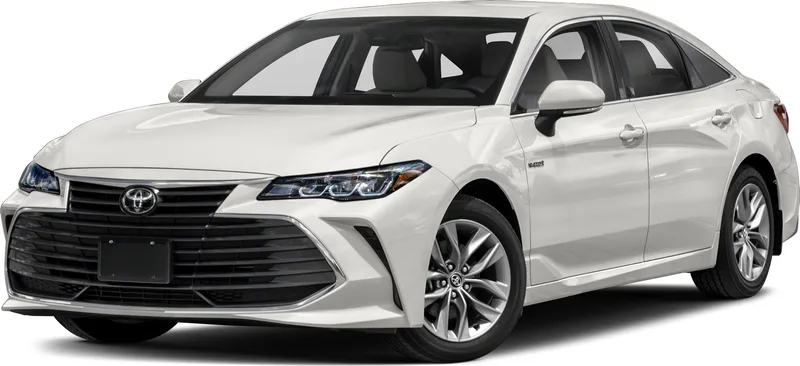
Toyota Avalon
Score: 80/100
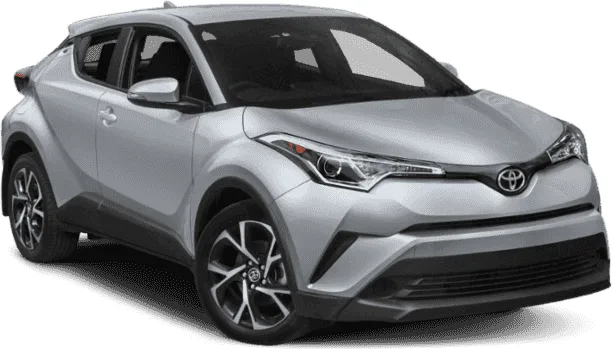
Toyota C-HR
Score: 80/100
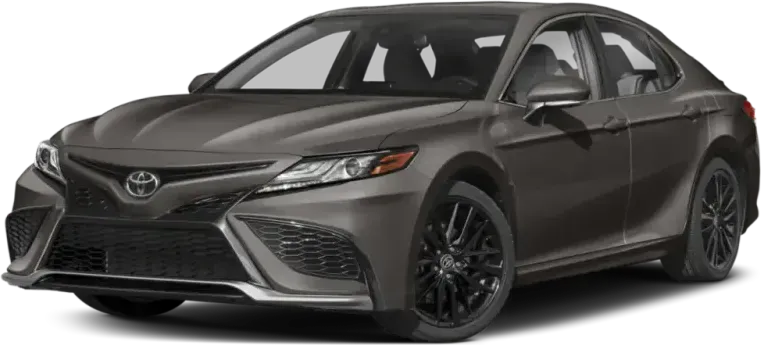
Toyota Camry
Score: 88/100
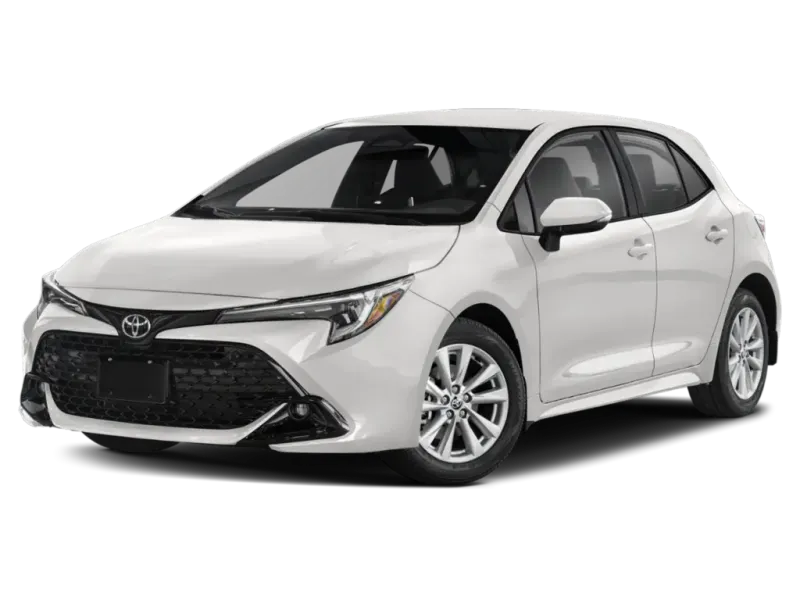
Toyota Corolla
Score: 94/100
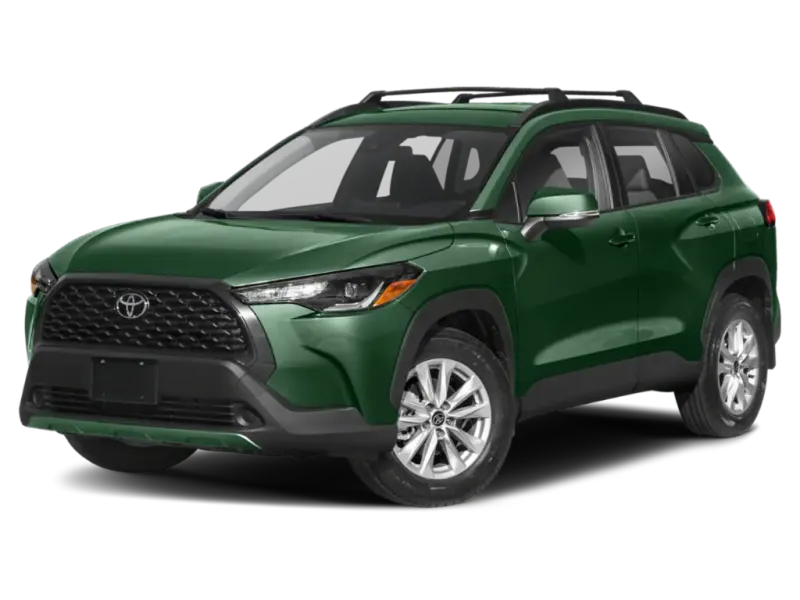
Toyota Corolla Cross
Score: 94/100
Browse More 2023 Vehicles
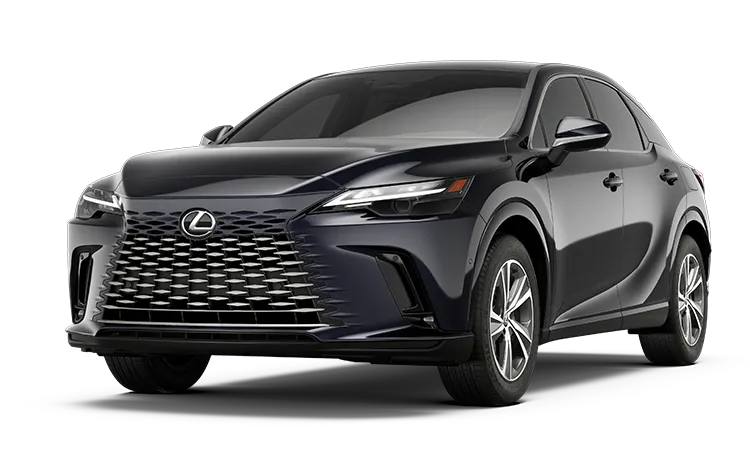
2023 Lexus RX
Score: 85/100
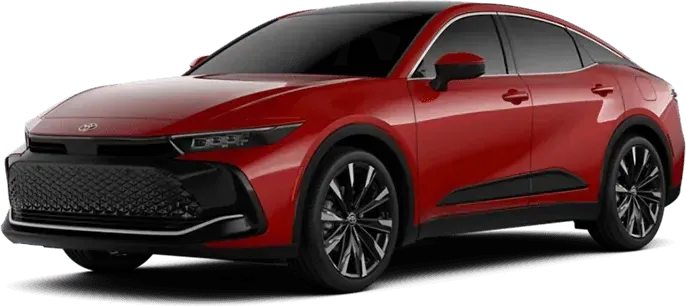
2023 Toyota Crown
Score: 84/100
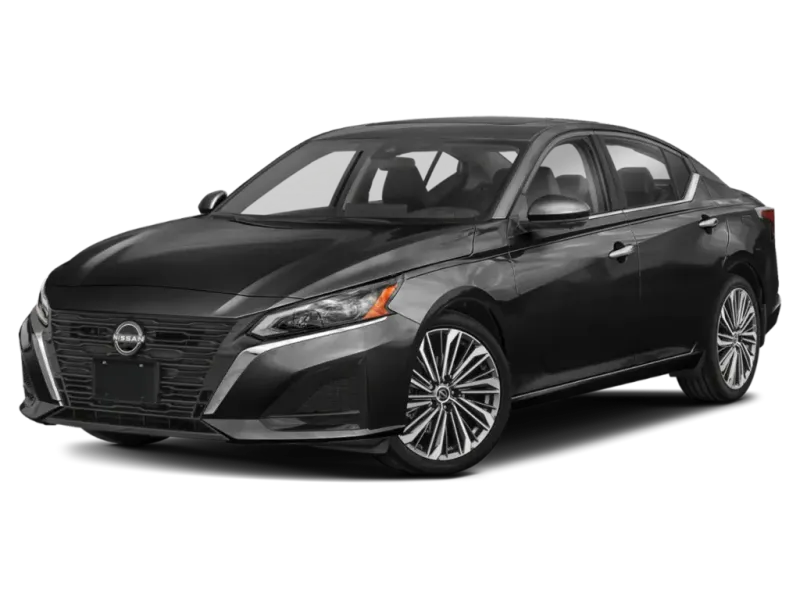
2023 Nissan Altima
Score: 84/100
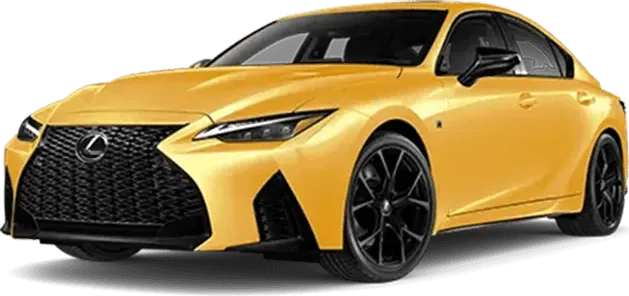
2023 Lexus IS
Score: 83/100
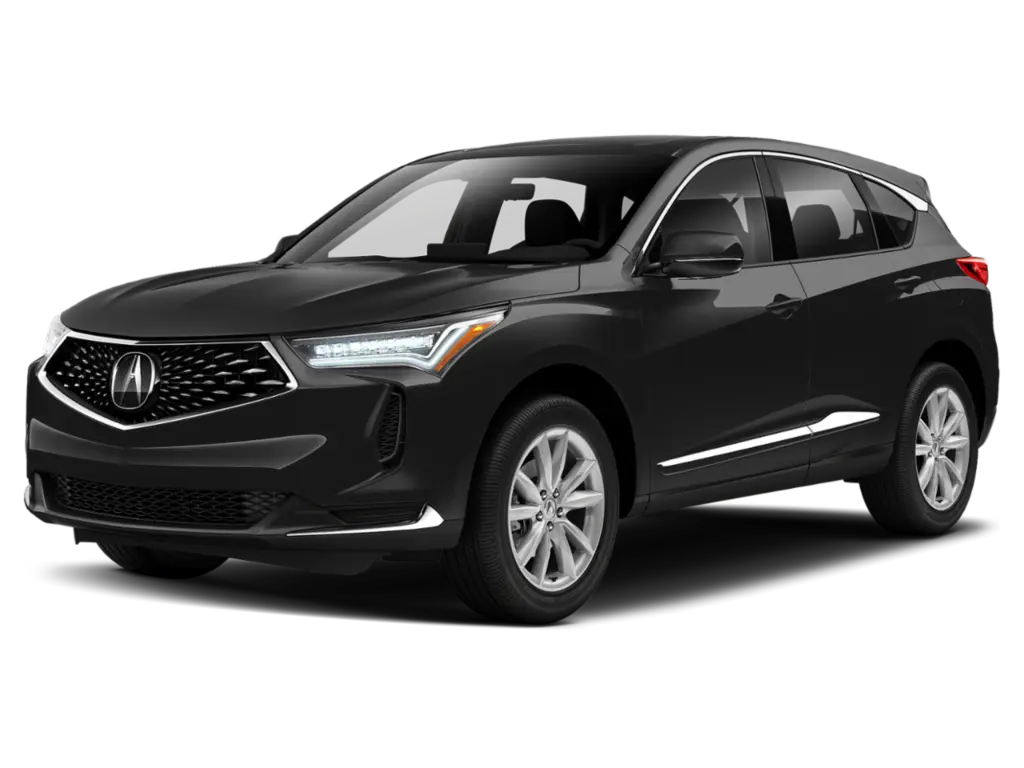
2023 Acura RDX
Score: 82/100
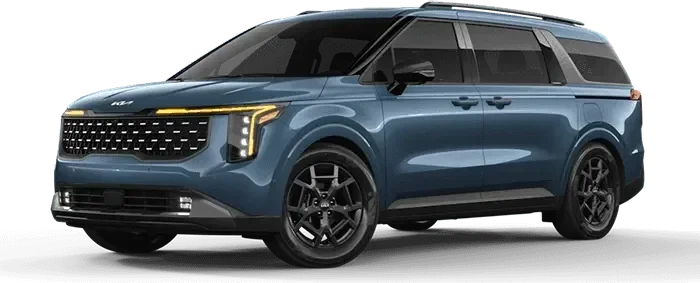
2023 Kia Carnival
Score: 82/100
See incorrect data? Report an issue