Last updated: 2026-10-10

2018 Toyota Tundra Reliability Report
The 2018 Toyota Tundra rates good for reliability, but pre-collision and radar cruise faults and fuel pump failures are the problems to check.
Recalls
9
Complaints
94
Complaint Rate
7.9per 10,000 sold
Est. Repair Cost
$606
Annual Fuel Cost
$3,750–$4,300
Detailed Score Breakdown
Component-weighted complaints normalized by sales volume
Independent repair cost ratings
Recall count weighted by severity
Breadth of reported problem categories
The Verdict
Middle of the Tundra's scored years, with pre-collision faults and fuel pump failures drawing the most owner complaints and nine recalls on file.
Top Issues to Watch
- ELECTRICAL SYSTEM (26)
- FUEL/PROPULSION SYSTEM (13)
- SERVICE BRAKES (9)
Generation & Refresh (US)
2018 is 4 years after the major refresh refresh.
- Year 12 in the Second generation (XK50) (2007–2021).
- Well-established in its generation — most early issues should be resolved.
- 2nd generation Tundra (US).
What this means for buyers
Post-refresh years tend to be among the most refined — updates have been applied and early kinks worked out.
2007: Second generation (XK50) Launch
Generation start — new platform.
2010: Mid-Cycle Refresh
Updated features and styling tweaks.
2014: Mid-Cycle Refresh
Updated features and styling tweaks.
2018: This Model Year
2018 is 4 years after the major refresh refresh.
Should You Buy the 2018 Toyota Tundra?
Good reliability, and close to average among 2018 trucks. This year sits in the middle of the nine scored Tundra years, and the 2019 rates about the same. Independent repair-cost data puts yearly repairs for the Tundra at $606, against $936 for its class. The federal crash-test rating is 4 of 5 stars.
Owner complaints center on electronics and fuel. The pre-collision system is the biggest source: warning lights, the system shutting itself off, and radar cruise quitting. Some trucks show this before 500 miles and keep doing it after dealer updates. Trailer brake errors often come with it, and towing owners lose trailer brakes mid-trip. Fuel pump failures bring stalling, power loss at highway speed, or a no-start, usually with no warning light first. Federal recall records list 9 recalls, including one for the fuel system.
Run the VIN for open recalls and ask for fuel pump repair records. Test cruise control and the pre-collision system on the road, and check the trailer brakes if you tow.
Compared to the 2019 Toyota Tundra, which scored 1 points higher.
Pros
- +Acceptable reliability score
- +$330 cheaper to maintain than avg fullsize trucks
- +Infrequent unscheduled repairs
- +Below-average complaint rate for Truck
Cons
- −Above-average recall count
- −ELECTRICAL SYSTEM: Pre-collision system faults make up most of these reports (26 complaints)
- −FUEL/PROPULSION SYSTEM: Fuel pump fails (13 complaints)
Compare 2018 Toyota Tundra With
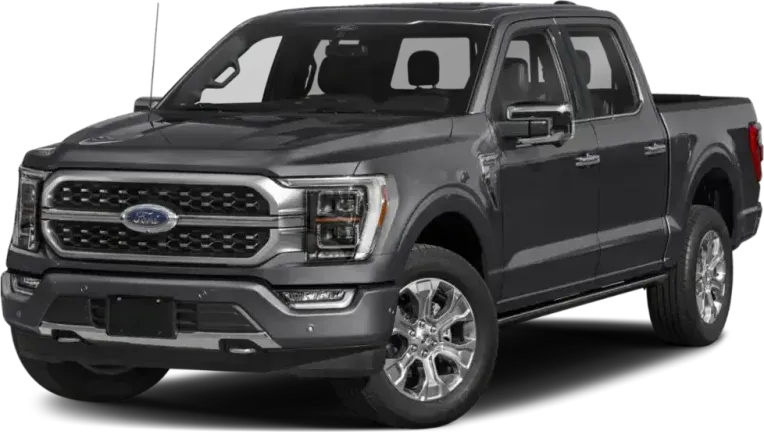
2018 Ford F-150
Reliability: 58/100

2018 Chevrolet Silverado
Reliability: 70/100

2018 Ram 1500
Reliability: 64/100
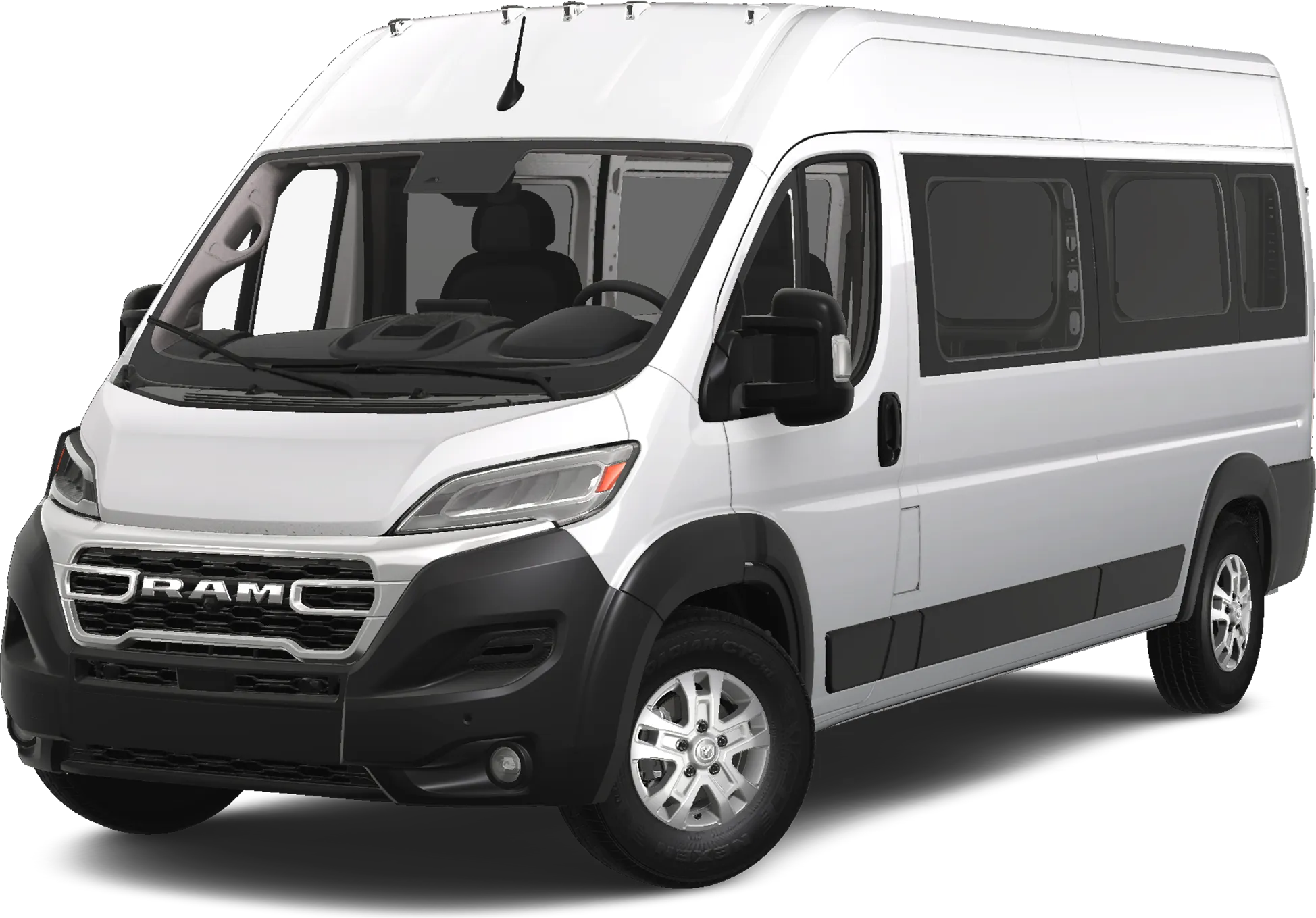
2018 Ram ProMaster
Reliability: 68/100
Common Problem Categories
Safety
LOW RISK- 9 manufacturer recalls issued
Other
HIGH RISK- ELECTRICAL SYSTEM (26)
- FUEL/PROPULSION SYSTEM (13)
Recall Overview
9
recalls on record
The 2018 Toyota Tundra has 9 recalls on record, which is above average. A high count can flag multiple component concerns, though it also shows the manufacturer is actively addressing known issues.
NHTSA.gov →Complaint Breakdown
7.9
per 10,000 soldSegment avg: 17.5
Safety Incidents
4
Crashes
2
Fires
6
Injuries
0
Deaths
NHTSA 4/5 Stars
Data sourced from NHTSA complaint filings and manufacturer recall notices. Complaint narratives are owner-reported.
2018 Toyota Tundra Recall Details
9 recalls have been issued for the 2018 Toyota Tundra. All recall repairs are performed free of charge at authorized dealerships.
STEERING
Toyota Motor Engineering & Manufacturing (Toyota) is recalling certain JTEKT power steering gear assembly service parts for 2007-2021 Tundra and 2008-2022 Sequoia, part numbers 44250-0C160, 44250-0C131, 44250-0C170, and 11250-0C121. The power steering gear assembly may have been manufactured incorrectly, which can result in an oil leak.
Consequence
An oil leak may cause a sudden loss of power steering assist, increasing the risk of a crash.
Remedy
Dealers will inspect and replace the power steering gear assembly, free of charge. Owner notification letters were mailed on February 17, 2022. Owners may contact Toyota customer service at 1-800-331-4331. Toyota's number for this recall is 21TH01.
STEERING
Toyota Motor Engineering & Manufacturing (Toyota) is recalling certain 2008-2022 Sequoia and 2007-2021 Tundra vehicles. The power steering gear assembly may have been manufactured incorrectly, which can result in an oil leak.
Consequence
An oil leak may cause a sudden loss of power steering assist, increasing the risk of a crash.
Remedy
Dealers will inspect and replace the power steering gear assembly as necessary, free of charge. Owner notification letters were mailed on January 21, 2022. Owners may contact Toyota customer service at 1-800-331-4331. Toyota's numbers for this recall are 21TB10 and 21TA10.
EXTERIOR LIGHTING, ELECTRICAL SYSTEM
Toyota Motor Engineering & Manufacturing (Toyota) is recalling certain 2018-2021 Tundra vehicles. The headlight electrical circuits may power the high and low beams simultaneously, which could overheat the electrical connector.
Consequence
An overheated electrical connector can increase the risk of a fire.
Remedy
Dealers will modify the engine wire harness assembly and replace any damaged bulb, bulb connector, and/or headlight assembly as necessary, free of charge. Owner notification letters were mailed April 25, 2022. Owners may contact Toyota customer service at 1-800-331-4331. Toyota's numbers for this recall are 21TB06 and 21TA06.
Buying a used 2018 Toyota Tundra? Check its history first
Electrical system problems lead owner complaints about the 2018 Toyota Tundra, and 9 recalls were issued for it. A VIN check shows whether this car's recall work was done, plus accident, title, and odometer history.
- Accidents
- Open Recalls
- Title History
- Odometer Rollback
2018 Toyota Tundra NHTSA Safety Ratings
Overall Safety Rating
Crash Test Results by Configuration (expand)
Gas Powertrain
Rollover risk: 21.9%
Safety Technologies
Toyota TundraRepair Costs & Maintenance
Maintenance Rating
3.5Maintenance rating: 3.5 out of 5Based on NHTSA complaint patterns, recall severity, and publicly available cost benchmarks.
Est. Annual Maintenance
$606
vs $936 avg for fullsize trucks
vs $652 avg for all vehicles
Repair Frequency
0.3
unscheduled repair visits per year
Severe Repair Probability
18%
chance of a major repair
Annual Cost Comparison
Category-level averages derived from publicly available industry reports (AAA, CarMD). Model-level estimates produced by Auto Reliability Index.
Toyota Tundra Resale Value
The Toyota Tundra is estimated to retain about 89.3% of its original value after 5 years, based on observed used-car listings.
This benchmark covers the Toyota Tundra model overall and is not specific to the 2018 model year.
- Value Retained
- 89.3%
- Depreciation
- 10.7%
- Listings Analyzed
- 320
after 5 years
over the same period
U.S. used-car listings
Listings observed in . This is a historical market benchmark, not a current price quote.
Explore Toyota Tundra depreciation and resale value on CarResaleValue.comMPG & Annual Running Costs
Gas
14–16 MPG
Running cost: $4,350–$4,900/yr
Fuel + repair
13–15 city / 17–19 hwy MPG
Running cost includes EPA fuel-cost estimate and independent repair-cost data (repair cost estimated at model level). Excludes routine maintenance, depreciation, and insurance. Data as of 2018 EPA label cycle.
Gas trims
| Trim | Drive | Trans. | City | Hwy | Comb | Fuel Cost |
|---|---|---|---|---|---|---|
| Tundra 2WD 4.6L 8-cyl | Rear-Wheel Drive | Automatic (S6) | 15 | 19 | 16 | $3,750 |
| Tundra 4WD 4.6L 8-cyl | Part-time 4-Wheel Drive | Automatic (S6) | 14 | 18 | 16 | $3,750 |
| Tundra 2WD 5.7L 8-cyl | Rear-Wheel Drive | Automatic (S6) | 13 | 18 | 15 | $4,000 |
| Tundra 4WD FFV 5.7L 8-cyl | Part-time 4-Wheel Drive | Automatic (S6) | 13 | 17 | 15 | $4,000 |
| Tundra 4WD 5.7L 8-cyl | Part-time 4-Wheel Drive | Automatic (S6) | 13 | 17 | 14 | $4,300 |
Used Buying Checklist
Key things to inspect or verify before purchasing a 2018 Toyota Tundra.
Run the VIN for open recalls, including 21V688000 headlights, 21TH01 steering, fuel pump, and air bag campaigns.
Drive at highway speed with radar cruise on and watch for pre-collision warnings, sudden cruise cancellation, or braking with nothing ahead.
Connect a trailer or trailer simulator and confirm the integrated brake controller sets gain and stays connected.
Ask for records showing the trailer brake controller was replaced under service bulletin T-SB-0036-19.
Look under the engine for oil around the cam towers or dripping onto the exhaust.
Cold-start the truck and listen for rough idle, sputtering, or hard starting, then scan for misfire codes.
Ask for fuel pump repair records and test whether the truck stalls when accelerating or at idle.
Turn the wheel lock to lock while parked and listen for squeaks, thumps, or snaps from the column.
2018 Toyota Tundra Common Problems by Component
94 owner complaints grouped by vehicle system.
ELECTRICAL SYSTEM
26 complaintsSafety-relatedPre-collision system faults make up most of these reports. Warning lights come on, the system shuts itself off, and radar cruise stops working. Some trucks show this before 500 miles and keep doing it after dealer updates. Trailer brake errors often appear at the same time, and towing owners lose trailer brakes partway through a trip. Service bulletin T-SB-0036-19 calls for an updated controller, but owners say Toyota won't cover it after the warranty ends. Headlights dim under recall 21V688000, and parts were slow to arrive. A parked-truck console fire and a low-speed rear-end crash are also reported.
FUEL/PROPULSION SYSTEM
13 complaintsThe fuel pump fails. Trucks stall at idle or while accelerating, lose power at highway speed with the engine still running, or crank without starting. Most owners say no warning light came on first. Mechanics found a melted electrical connection in one pump and a pump melted to the tank in another. Many owners describe symptoms that match the fuel pump recall, but their VINs are not covered, so they paid for the repair. One truck past 90,000 miles was turned down. Other owners received a recall notice and waited months for a fix.
SERVICE BRAKES
9 complaintsSafety-relatedTrailer brakes cut out while towing. The integrated brake controller disconnects at any speed, so the truck brakes alone have to stop the trailer. Owners report smoking tires, and dealers say they have no fix. False pre-collision and brake warnings also keep coming back, even after a sensor was replaced 3 times. A few reports describe the service brakes themselves: a soft pedal with a fluid leak, a pedal that sank to the floor at about 14,531 miles with no cause found, and hard braking that let go and caused a crash with 1 injury.
UNKNOWN OR OTHER (8 complaints)
UNKNOWN OR OTHER
8 complaintsA "pre-collision unavailable" warning shows up within the first few hundred miles, with reports at 300 and 500 miles. It keeps coming back after new sensors, a new windshield camera, new harnesses, and the February recall. Some trucks also brake hard on their own on an empty freeway with cruise on. The second pattern is the factory trailer brake controller. It fails to recognize the trailer, won't set gain, or quits while towing heavy loads. Dealer computers may not detect the fault until a trailer or trailer simulator is connected.
VEHICLE SPEED CONTROL (8 complaints)
VEHICLE SPEED CONTROL
8 complaintsRadar cruise control and the pre-collision system brake hard at highway speed with nothing ahead. Cruise also cancels without warning, and one owner was nearly rear-ended by a semi when that happened. Other trucks lose track of the car ahead and accelerate toward it. Moist weather seems to trigger faults, and trailer brake error lights often appear at the same time. Problems show up early, with reports at about 1,500 and 2500 miles. Dealers say they cannot fix it, and some owners have to stop and restart the truck to clear the warnings.
ELECTRONIC STABILITY CONTROL (ESC) (6 complaints)
ELECTRONIC STABILITY CONTROL (ESC)
6 complaintsMost reports filed here describe the pre-collision system, not stability control. The warning light comes on at startup and goes off after a few minutes, more often below 40F. Other trucks warn the driver to brake with nothing nearby. One truck failed to stop at 35 mph at about 7,800 miles. Dealers often can't reproduce the faults. One owner waited a long time for parts for recall 18V122000, and then the dealer refused the repair because of the truck's age. Bluetooth calls that keep dropping after a unit replacement are also filed here.
ENGINE (4 complaints)
ENGINE
4 complaintsOil seeps from the cam tower, and dealers warn it can drip onto the exhaust and cause a fire. Reports put the leak at 35,000 and 66,000 miles, and owners say dealers call it a known issue but offer no help. Rodents chewing through engine wiring and sensors is also reported, twice on the same truck, with the first repair costing $2,000. Another truck starts poorly and throws misfire codes that shut off the trailer brakes and pre-collision sensors.
AIR BAGS (4 complaints)
AIR BAGS
4 complaintsSafety-relatedA head-on collision at about 65 mph ended with no deployment, and both front occupants were hurt. Other trucks show an SRS malfunction warning, one after a rear-end crash and one during normal driving on a truck that was not part of the 2018 recall. One recall notice says the truck did not meet federal occupant crash protection and side impact standards. That owner had no authorized dealer nearby and was told only an authorized dealer could do the repair.
STEERING (4 complaints)
STEERING
4 complaintsThe column or rack fails. Some trucks squeak while turning, then a loud snap leaves the driver unable to steer, and the dealer calls for a new column and clockspring spiral cable. Other owners report the same symptoms covered by recall 21TH01, but their racks are not on the affected list, so the rack gets replaced without recall coverage. A thump from the left side at startup is also reported, and dealers can't reproduce it.
POWER TRAIN (2 complaints)
POWER TRAIN
2 complaintsSafety-relatedOnly two unrelated reports are filed here. In one, the truck started in gear and rolled forward when the key was turned during an inspection. The door closed on the inspector and caused an injury. In the other, faulty emissions control pump and valves held the truck to 60 mph, and pressing the accelerator harder made it slow down. A service light had been coming on at startup for two weeks before that.
Best & Worst Toyota Tundra Years
Best Toyota Tundra Years to Buy
Based on reliability index scoreToyota Tundra Years to Avoid
Toyota Tundra Reliability Score Trend
Scores 0–100. Higher is better. Current year highlighted.
| Year | Score | Rating |
|---|---|---|
| 2018 | 69/100 | Good |
| 2019 | 70/100 | Good |
| 2020 | 74/100 | Good |
| 2021 | 75/100 | Good |
| 2022 | 57/100 | Mixed |
| 2023 | 59/100 | Mixed |
| 2024 | 65/100 | Good |
| 2025 | 73/100 | Good |
| 2026 | 82/100 | Excellent |
Toyota Tundra Reliability Compared to Other Years
Frequently Asked Questions
Is the 2018 Toyota Tundra reliable?
What are the most common problems with the 2018 Toyota Tundra?
Does the 2018 Toyota Tundra have fuel pump problems?
Does the 2018 Toyota Tundra have trailer brake problems?
Is the 2019 Tundra better than the 2018?
Don’t buy a 2018 Toyota Tundra without checking its VIN first — hidden accidents, title issues, and open recalls could cost you thousands.
How we score the 2018 Toyota Tundra
Of the four inputs behind this score, the 2018 Toyota Tundra does best on how many systems draw complaints (86/100) and worst on recall impact (59/100). Scores weight complaint severity at 35%, repair costs at 30%, recall impact at 20%, and the spread of complaints across systems at 15%, with complaint counts adjusted for US sales. Read the full methodology.
Get notified when new recalls or reliability data is added for the Toyota Tundra.
No spam. Only data updates for this model.
Browse More Toyota Models

Toyota 4Runner
Score: 84/100
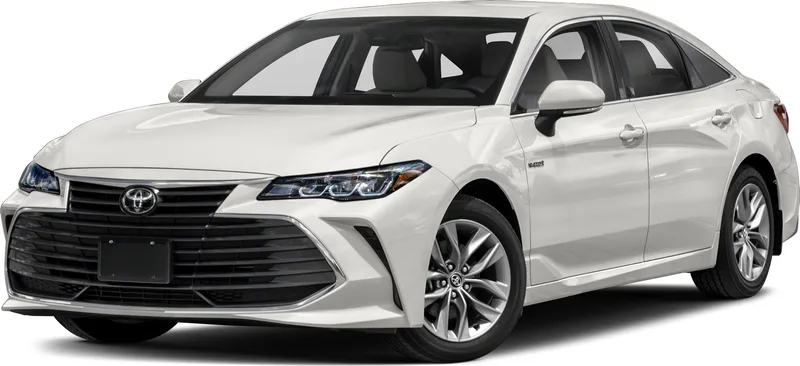
Toyota Avalon
Score: 80/100
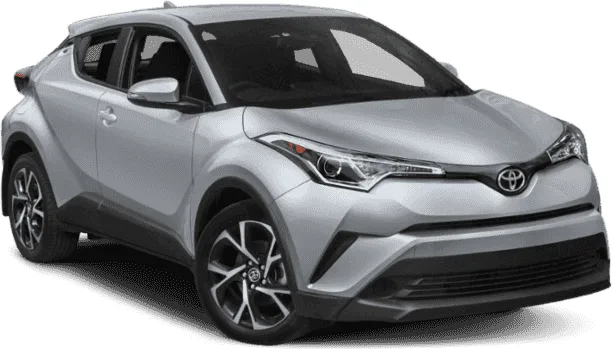
Toyota C-HR
Score: 80/100
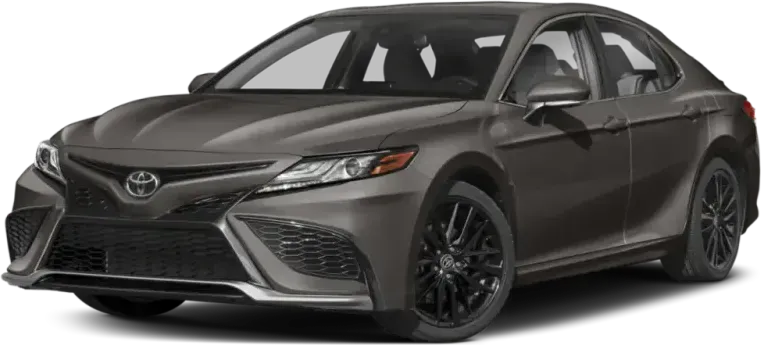
Toyota Camry
Score: 88/100
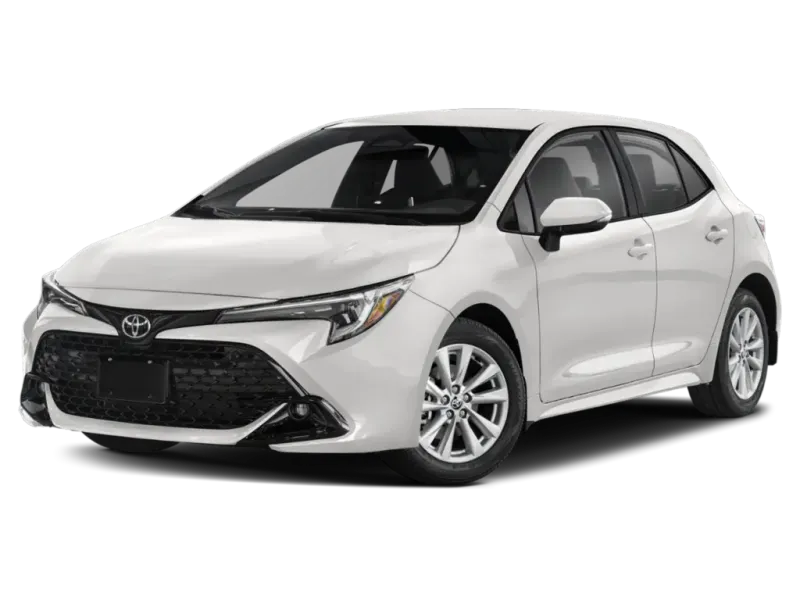
Toyota Corolla
Score: 94/100
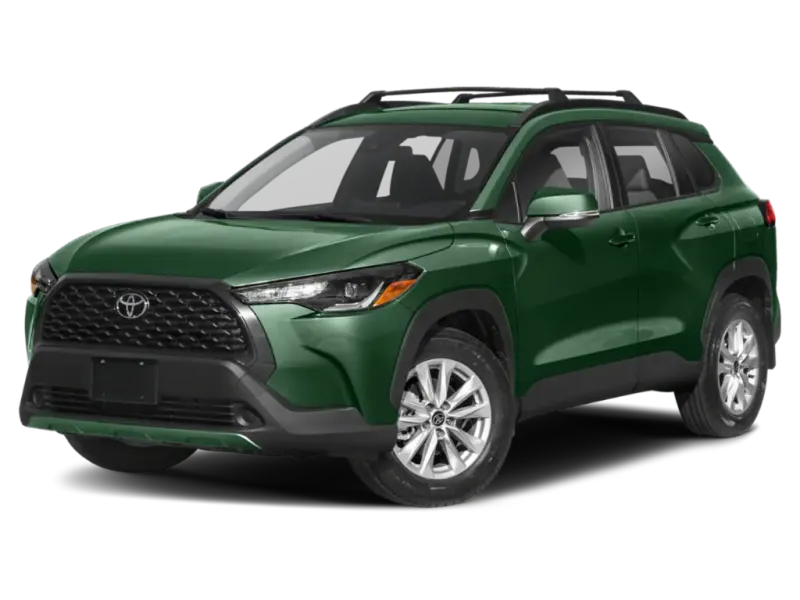
Toyota Corolla Cross
Score: 94/100
Browse More 2018 Vehicles
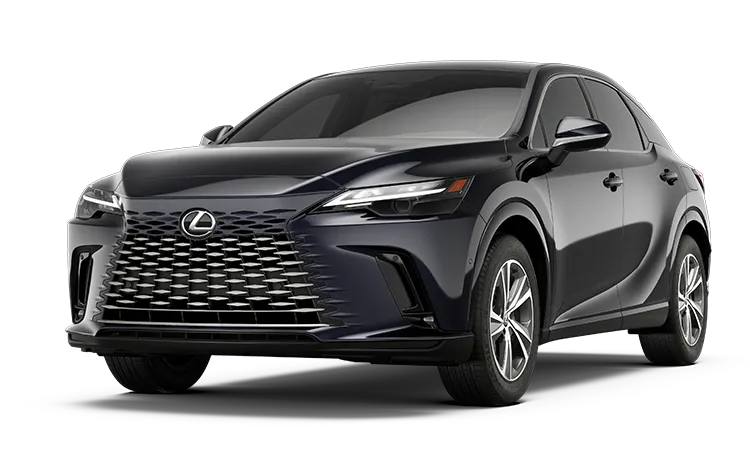
2018 Lexus RX
Score: 85/100
2018 Nissan Murano
Score: 82/100
2018 Lexus IS
Score: 81/100
2018 Lexus ES
Score: 80/100
2018 Toyota Corolla
Score: 80/100
2018 Buick Encore
Score: 80/100
See incorrect data? Report an issue