Last updated: 2026-11-22
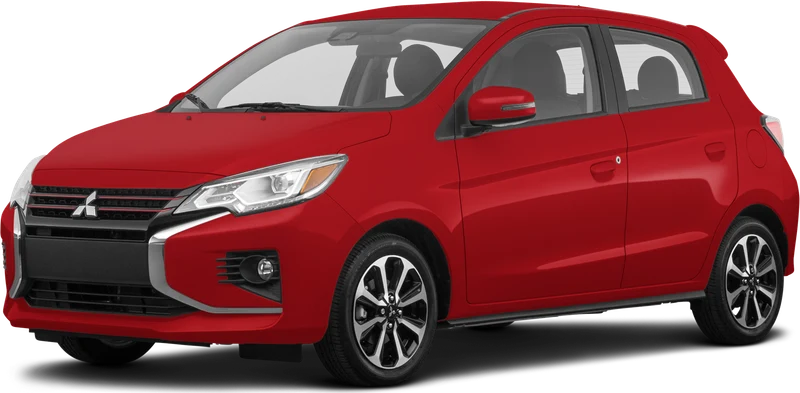
Mitsubishi Mirage Years to Avoid
7 scored model years (2018–2024) · model average 83/100
No Mirage year is one to avoid. Every year sits close to the model's own average, and what changes is complaint volume and recalls, which are heaviest on 2018. The year to buy is 2024, which has no recalls and has been on the road long enough to judge.
Verdict
- Avoid
- No outlier years
- Buy
- 2024 84/100
- Model average
- 83/100
Know which year you're looking at? Check the exact Mitsubishi Mirage
A good year can still hide accident damage or recall work that was never done. A VIN check shows the history of the car you found.
What Are Common Mitsubishi Mirage Problems?
AIR BAGS
13 complaintsMost reported in 2018, 2019, 2021
2018: Frontal air bags fail to deploy in serious crashes, which is the main pattern here.
ELECTRICAL SYSTEM
7 complaintsMost reported in 2019, 2022, 2018
2019: The engine shuts off at random while driving, sometimes on busy highways, and can eventually stop restarting at all.
STEERING
5 complaintsMost reported in 2018, 2024
2018: The car sways at highway speeds over 60 mph or pulls to the passenger side without warning.
SERVICE BRAKES
4 complaintsMost reported in 2024, 2023
2024: Brake pads wear out far too fast, with reports of replacement needed every 2 to 3 months and grinding and screeching returning after each repair.
ENGINE
3 complaintsMost reported in 2020, 2023
2020: Sudden stalling after road debris strikes the underside can leave the car disabled at road speed.
SUSPENSION
3 complaintsMost reported in 2019
2019: Front-end parts wear out very early, sometimes within the first 900 to 2,000 miles.
Best Mitsubishi Mirage Year to Buy Instead
2024 Mitsubishi Mirage
2024 rates excellent, has no recalls in federal records, and has been on the road at least two years. The weaker years are 2018, which has two recalls and the most complaints, and 2023. Its complaints center on brake pad wear and front tire wear, so check both on a test drive.
Found a Safe Year? Check the Specific Car
Even the 2024 Mitsubishi Mirage has 0 recalls on file. A VIN check confirms the recall work on the exact car and shows its accident, title, and service history.
- Accidents
- Open Recalls
- Title History
- Odometer Rollback
All Mitsubishi Mirage Years by Generation
Mitsubishi Mirage Reliability Scores by Year
Sixth generation (A00/LA, A10) (2014–2024)
2019 Mitsubishi Mirage
0 recalls · 15 complaints
2024 Mitsubishi Mirage
0 recalls · 11 complaints
2020 Mitsubishi Mirage
0 recalls · 5 complaints
2021 Mitsubishi Mirage
0 recalls · 4 complaints
2022 Mitsubishi Mirage
0 recalls · 5 complaints
2023 Mitsubishi Mirage
0 recalls · 5 complaints
2018 Mitsubishi Mirage
2 recalls · 21 complaints
Frequently Asked Questions
Which Mitsubishi Mirage years should I avoid?
Is the 2018 Mitsubishi Mirage a bad year?
Is the 2023 Mitsubishi Mirage reliable?
Which Mitsubishi Mirage year has the fewest complaints?
Does the 2024 Mitsubishi Mirage have problems?
How we score every Mitsubishi Mirage model year
Scores weight complaint severity at 35%, repair costs at 30%, recall impact at 20%, and the spread of complaints across systems at 15%, with complaint counts adjusted for US sales. Read the full methodology.
See incorrect data? Report an issue