Last updated: 2026-10-10
Kia EV9 vs Nissan Armada: Reliability Compared
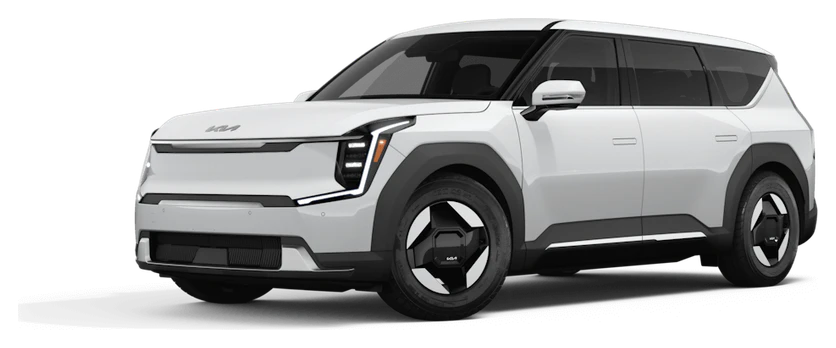
Kia EV9
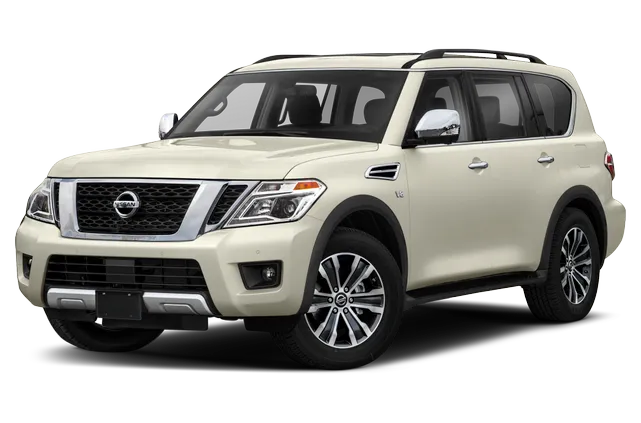
Nissan Armada
The Nissan Armada is the more reliable choice over the KIA EV9, and the gap is large. The deciding fact is track record. The Armada's complaints are spread across nine model years, while the EV9's are packed into two and include sudden power loss at speed.
How Do the Kia EV9 and Nissan Armada Generations Compare?
Verdict
The Nissan Armada is more reliable than the Kia EV9, scoring 73/100 vs 61/100.
Reliability favors the Nissan Armada by a large gap. Its complaints come from nine model years and center on battery drain and false braking. The KIA EV9 has almost the same number of complaints from only two model years. They include sudden power loss at speed, high-voltage battery faults, and a driver seat that detached from its frame. The EV9 is also new, so its record is still being written, but what exists is more serious.
Key Differences
- 1Nissan Armada scores 12 points higher in reliability
- 2Kia EV9 has 11.7 fewer complaints per 10k sold
- 3Kia EV9 has 3 fewer total recalls
Category Scoreboard
Kia EV9 vs Nissan Armada: Which Is More Reliable?
| Metric | Kia EV9 | Nissan Armada |
|---|---|---|
| Reliability Score | 61/100 | 73/100 |
| Years Tracked | 2 | 9 |
| Total Recalls | 10 | 13 |
| Complaints per 10k Sold | 1.3 | 13 |
| Year Wins | 0 | 2 |
What Are the Common Problems With the Kia EV9 and Nissan Armada?
Electrical trouble tops both lists, but it looks different. Armada owners report batteries that drain and strand the SUV, plus screens going black and parking sensors braking hard without warning. EV9 owners report battery management warnings, charging that stops past 80 percent, ICCU replacements, and a blank instrument cluster. Federal complaint records flag crash-linked reports for the Armada in electrical, power train, and service brakes. None of the EV9 areas carry that flag, though its reports include near collisions from lane keeping assist and a seat that left the driver unable to reach the brake.
| Component | Kia EV9 | Nissan Armada |
|---|---|---|
| ELECTRICAL SYSTEM | 0.6Very Low | 5.5Average |
| UNKNOWN OR OTHER | 0.1Very Low | 1.3Low |
| POWER TRAIN | 0.1Very Low | 1.2Low |
| ENGINE | —None | 0.8Very Low |
| SERVICE BRAKES | —None | 0.7Very Low |
| SUSPENSION | 0.1Very Low | 0.3Very Low |
| EXTERIOR LIGHTING | —None | 0.3Very Low |
| VISIBILITY/WIPER | 0.1Very Low | 0.1Very Low |
| VEHICLE SPEED CONTROL | —None | 0.2Very Low |
| AIR BAGS | —None | 0.2Very Low |
| FUEL SYSTEM | —None | 0.2Very Low |
| STEERING | 0.1Very Low | —None |
| SEATS | 0.1Very Low | —None |
| FORWARD COLLISION AVOIDANCE | —None | 0.1Very Low |
| BACK OVER PREVENTION | —None | 0.1Very Low |
| SEAT BELTS | —None | —None |
| FUEL/PROPULSION SYSTEM | —None | —None |
| WHEELS | —None | —None |
Complaints per 10,000 units sold, aggregated across all tracked model years from NHTSA owner reports.
How Does Kia EV9 vs Nissan Armada Reliability Compare by Year?
| Year | Kia EV9 | Nissan Armada | Edge |
|---|---|---|---|
| 2025 | 62/1003R / 19C | 73/1002R / 19C | Nissan Armada |
| 2024 | 60/1007R / 205C | 75/1001R / 4C | Nissan Armada |
Best years to cross-shop: The 2024 Kia EV9 scored 60/100 and the 2024 Nissan Armada scored 75/100 — the strongest shared model years that have been on the road for at least two years, where available.
Who Should Buy the Kia EV9 vs the Nissan Armada?
Kia EV9 vs Nissan Armada: Common Questions
- Is the Nissan Armada more reliable than the KIA EV9?
- Yes, by a large gap. The Armada has a good standing across nine model years, with battery drain and false braking as its main complaints. The EV9 also holds a good standing, but its two years include power loss at speed, ICCU failures, and seat detachment reports. The EV9 is also much newer.
- Which has more recalls, the Armada or the EV9?
- The Armada has more in total, with 13 recalls across nine model years. The EV9 has 10 across just two model years. Per model year, the EV9 has far more. Check any specific vehicle's VIN for open recall work before you buy.
- What is the most common problem on the Nissan Armada?
- Electrical trouble, mainly batteries that drain and leave the SUV stranded. Replacing the battery does not always fix it. Owners also describe screens going black and parking sensors braking the vehicle hard without warning. Brake light switch failures show up in a smaller group of complaints.
- What goes wrong with the KIA EV9?
- High-voltage battery and charging faults lead. Owners report warnings, charging that stops past 80 percent, and ICCU replacements. Some cars drop to 30 to 40 mph or coast to a stop. Steering shake above 65 mph, fast rear tire wear, and shifting driver seats are also common.
- Which Armada model years should I avoid?
- Avoid 2018 and 2019, the weakest years in the data. The strongest are 2024 and 2022. A 2025 Armada is the first year of the third generation, so it has little history to judge. Check the brake-pedal switch and battery on any year.
Related Reliability Comparisons
More Kia EV9 comparisons
Decided between Kia EV9 and Nissan Armada? Run a VIN check before you buy — uncover hidden accidents, title issues, and open recalls.
How we score the Kia EV9 and Nissan Armada
Scores weight complaint severity at 35%, repair costs at 30%, recall impact at 20%, and the spread of complaints across systems at 15%, with complaint counts adjusted for US sales. Read the full methodology.
See incorrect data? Report an issue