Last updated: 2026-10-10
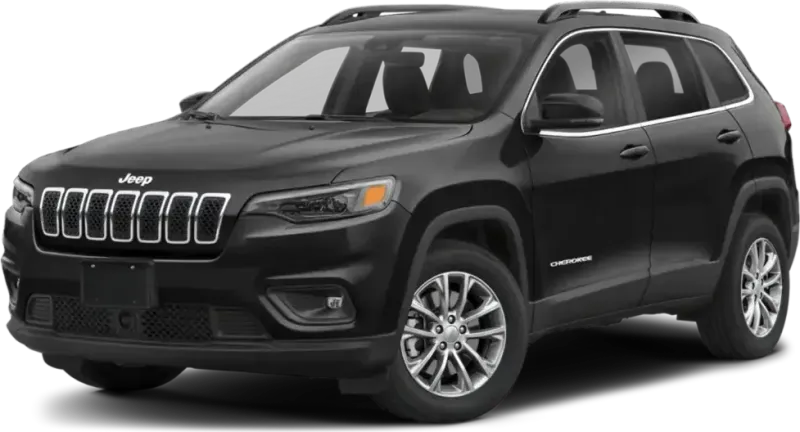
Jeep Cherokee Years to Avoid
8 scored model years (2018–2026) · model average 70/100
No year is one to avoid. Every tracked year rates good, and none falls well below the model's own average. Recall counts and the mix of complaints change from year to year. The 2020 is the year to buy, with 5 recalls against 17 to 22 for 2018, 2019, 2021, 2023 and 2024.
Verdict
- Avoid
- No outlier years
- Buy
- 2020 76/100
- Model average
- 70/100
What Are Common Jeep Cherokee Problems?
Cherokee transmission problems
1330 complaintsMost reported in 2019, 2018, 2020
2019: The engine shuts off or the transmission drops out of gear while driving.
Cherokee electrical problems
1161 complaintsMost reported in 2018, 2019, 2023
2018: A "Service Shifter" warning with every gear light glowing red is the most common report, seen as early as 11,000 miles.
UNKNOWN OR OTHER
618 complaintsMost reported in 2018, 2019, 2021
2018: Most filings here describe the "Service Shifter" message, with all gear lights turning red at mileages from about 10,000 to 68,000.
Cherokee engine problems
415 complaintsMost reported in 2019, 2018, 2020
2019: Cars stall in traffic, including while accelerating through turns, and lose power steering when the engine quits.
Cherokee steering problems
370 complaintsMost reported in 2019, 2021, 2023
2019: Power steering quits or the wheel locks up without warning, at parking-lot speeds and at 70 mph alike.
SERVICE BRAKES
252 complaintsMost reported in 2019, 2018, 2021
2019: Stopping takes longer than expected, or the car creeps forward with the pedal pressed, and owners describe rear-end and side collisions across 5 crash reports.
Best Jeep Cherokee Year to Buy Instead
2020 Jeep Cherokee
Federal recall records list only 5 recalls for 2020, against 17 to 22 for 2018, 2019, 2021, 2023 and 2024. It has been on the road long enough to show its faults, mainly transmission trouble and no-restart shutoffs, and its complaint count is far below 2019's. Some of those reports describe a Grand Cherokee.
Found a Safe Year? Check the Specific Car
Even the 2020 Jeep Cherokee has 5 recalls on file. A VIN check confirms the recall work on the exact car and shows its accident, title, and service history.
- Accidents
- Open Recalls
- Title History
- Odometer Rollback
All Jeep Cherokee Years by Generation
Jeep Cherokee Reliability Scores by Year
2026 Jeep Cherokee
2 recalls · 1 complaints
2020 Jeep Cherokee
5 recalls · 436 complaints
2025 Jeep Cherokee
3 recalls · 64 complaints
2018 Jeep Cherokee
18 recalls · 1468 complaints
2024 Jeep Cherokee
20 recalls · 232 complaints
2021 Jeep Cherokee
18 recalls · 554 complaints
2019 Jeep Cherokee
17 recalls · 1833 complaints
2023 Jeep Cherokee
22 recalls · 396 complaints
Frequently Asked Questions
Which Jeep Cherokee years should I avoid?
What is the best Jeep Cherokee year to buy?
Which Jeep Cherokee years have transmission or power train problems?
Is a 2025 or 2026 Jeep Cherokee a good used buy?
Which Jeep Cherokee years have the most electrical complaints?
How we score every Jeep Cherokee model year
Scores weight complaint severity at 35%, repair costs at 30%, recall impact at 20%, and the spread of complaints across systems at 15%, with complaint counts adjusted for US sales. Read the full methodology.
See incorrect data? Report an issue