Last updated: 2026-11-26
Engine & powertrain
Dodge Grand Caravan Engine Problems
The Dodge Grand Caravan has reports of recurring cylinder misfires, often with rough running and low compression that can require cylinder-head work.
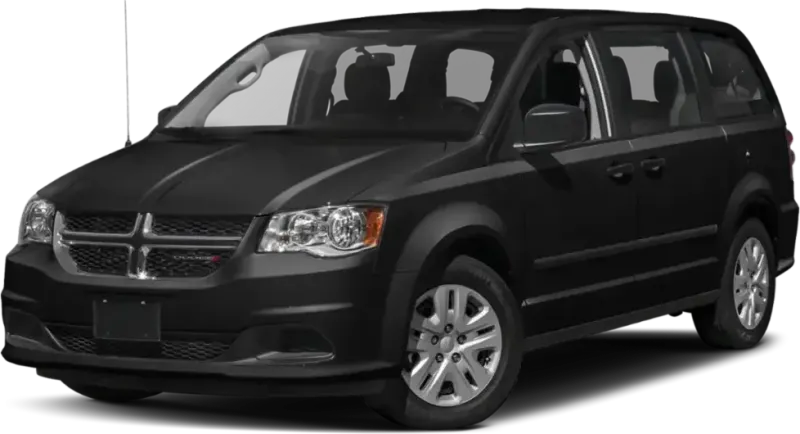
- Owner complaints
- 64
- Share of all complaints
- 12%
- Crash / fire / injury reports
- 0 / 0 / 0
- Related recalls
- 0
Dodge Grand Caravan engine complaints by model year
The supplied records show 36 engine complaints for the 2019 Grand Caravan and 27 for 2018. The earlier summaries describe recurring cylinder 2 misfires in both years, with some reports involving other cylinders. The 2020 model has one complaint in this area, but it has had less time on the road to accumulate reports, so that low count is not evidence that it is more reliable. Complaint totals are not failure rates and do not establish how often any individual van will have a problem.
| Model year | Complaints | Per 10,000 sold | Crash, fire, injury reports |
|---|---|---|---|
| 2018 | 27 | 1.8 | 0, 0, 0 |
| 2019 | 36 | 2.9 | 0, 0, 0 |
| 2020 | 1 | 0.3 | 0, 0, 0 |
Owner complaints filed with NHTSA under engine, engine and engine cooling. Newer model years have had less time to collect complaints.
What goes wrong
A check-engine light with a cylinder misfire, especially a reported cylinder 2 misfire, is the clearest engine complaint in the supplied records. Owners describe rough idle, shaking at highway speeds, and lost power during acceleration. Some say the misfire returned after plugs or coils were replaced; mechanics later reported low compression or a cylinder-head or valve-train fault. Other reports mention misfires in different cylinders, overheating, ticking, or oil-pressure warnings, but those accounts do not establish one cause for every symptom.
These symptoms can affect drivability. Some owners reported stalling, loss of power, or trouble starting; others feared a stall but did not report one. The supplied year data lists no crash, fire, or injury reports for these engine complaints, and there are no recalls listed in this area. Some vehicles needed towing or substantial engine work, while others remained in use during diagnosis. Treat a persistent misfire or loss of power as a reason for prompt professional evaluation, and do not assume a warning light alone predicts what will happen next.
Symptoms owners report
Misfire warning and rough running
Reports describe a check-engine light and a cylinder misfire code, often P0302 for cylinder 2. Owners notice rough idle, shaking or vibration at highway speed, and reduced acceleration. Some say the light or misfire returns after plugs or coils have been changed.
Low compression findings
Some owners say a mechanic found low compression after basic ignition-part replacements did not resolve the misfire. Reports mention a cylinder-head, valve, or valve-train fault as the subsequent finding. These are owners' accounts and do not confirm the cause of every reported misfire.
Stalling or power loss
A smaller set of reports describes stalling, failure to start, or sudden loss of engine power. One owner reported stalling at road speed; others describe a stall at idle or difficulty accelerating. The year data lists no crash, fire, or injury reports for this complaint area.
Other engine warnings or sounds
A few reports mention overheating, reduced power on inclines, ticking, or an oil-pressure warning. One account describes engine replacement followed by further problems, but the supplied reports do not establish a shared cause or show how widespread these symptoms are.
When the problems start
The earlier summaries place many 2018 reports between about 54,000 and 75,000 miles, and many 2019 cases between 76,202 and 96,000 miles. Individual reports also mention problems below those ranges, including a 2018 van under 46,000 miles and a 2019 van at 40,000 miles. These are reported mileages, not a guaranteed onset range.
Repairs and recalls
Owners say replacing spark plugs and coils often did not clear a persistent misfire; some also report replacing injectors or other parts before low compression was found. Reported shop findings include cylinder-head or valve-train work, and some accounts describe head replacement or engine replacement. Repair quotes in the summaries range from about $2,700 to $6,500, though costs vary by report. The supplied data lists zero recalls in this engine area. Check the vehicle identification number for any applicable recalls rather than relying on owners' recall claims.
Checking a used Grand Caravan for engine problems
- Ask for service records showing any misfire diagnosis, compression testing, or cylinder-head work.
- During a professional pre-purchase inspection, request a scan for current and stored engine codes.
- Have a mechanic assess persistent rough idle, vibration, or a check-engine light before purchase.
- Review repair invoices for repeated plug or coil replacements and whether the misfire returned.
- Check the vehicle identification number for open recalls using federal recall records.
For the rest of the car, use a full Dodge Grand Caravan inspection checklist.
A VIN check shows whether the car you're looking at had its recall work done, plus accident and title history.
Dodge Grand Caravan Engine Problems: common questions
- Which Dodge Grand Caravan years have engine complaints?
- The supplied complaint counts are highest for 2019, with 36, followed by 2018, with 27. The summaries for both years describe persistent cylinder misfires, often involving cylinder 2. The 2020 count is one, but that newer year has had less time to collect complaints, so the smaller number should not be treated as proof of lower risk.
- Is a Grand Caravan with a misfire safe to drive?
- The reports include rough running, reduced acceleration, stalling, and loss of power, so a persistent misfire deserves prompt attention from a qualified mechanic. Some owners feared a sudden stall, but a concern in a complaint is not proof that every vehicle will stall. The supplied records list no crashes, fires, or injuries in this engine complaint area.
- Is there a recall for these engine problems?
- The supplied data lists zero recalls in the engine complaint area. Owner complaints sometimes ask for a recall or mention other vehicles, but those statements do not establish recall coverage. Check the specific van's vehicle identification number in federal recall records for any applicable open recalls.
- What does a reported cylinder-head repair cost?
- The earlier complaint summaries give reported repair quotes ranging from about $2,700 to $6,500. Individual costs depend on the work and the vehicle, and these figures are owner-reported quotes, not a current estimate. Get a written diagnosis and estimate from a repair shop before deciding whether to buy or repair a van.
- What should I check before buying a used Grand Caravan?
- Review service records for repeated misfire codes and replacement of plugs, coils, or injectors. Ask a mechanic to scan the vehicle and assess any rough idle, vibration, or warning light; do not rely only on a seller's account that the problem is resolved. Also check the VIN for recalls and review invoices for prior cylinder-head or engine work.
Other Dodge Grand Caravan problems
Electrical & lighting
Body & interior
Engine & powertrain
More on the Dodge Grand Caravan
See incorrect data? Report an issue