Last updated: 2026-10-10
BMW i4 vs Mercedes-Benz EQE: Reliability Compared
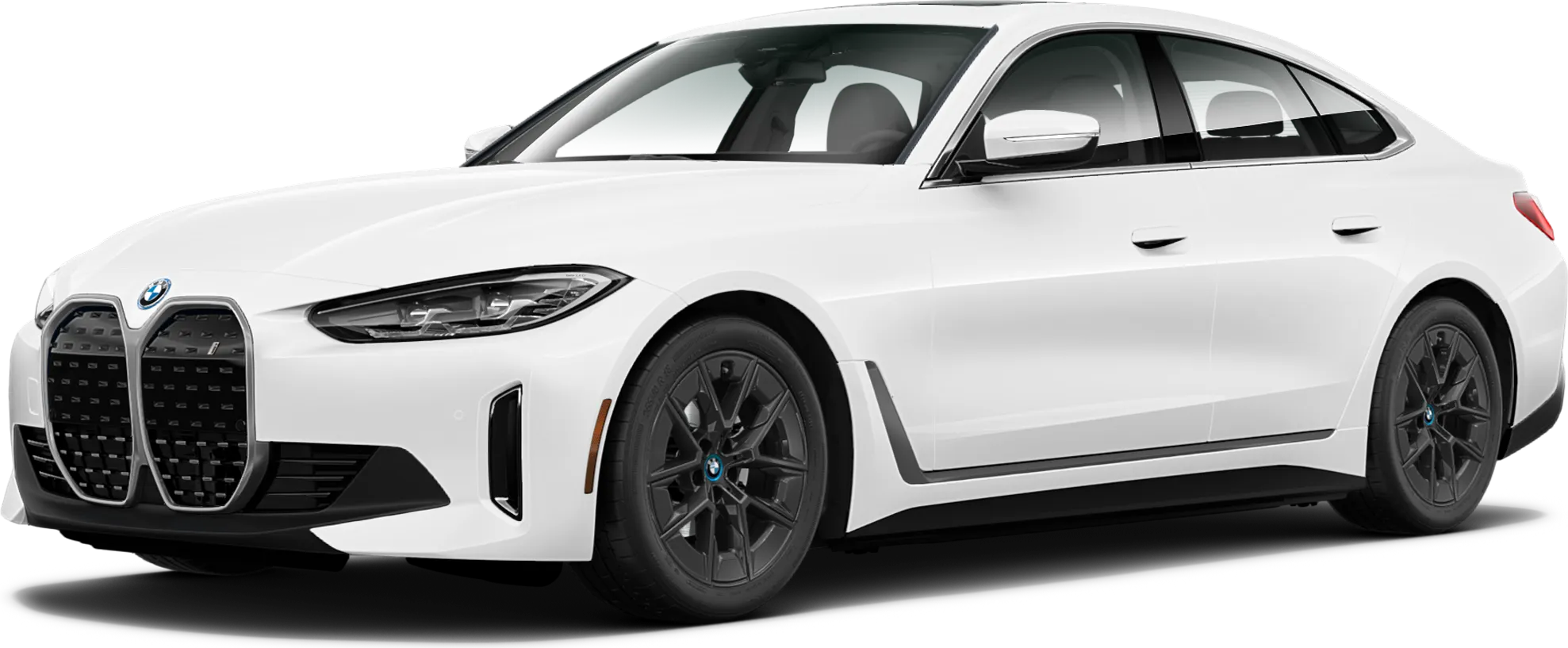
BMW i4
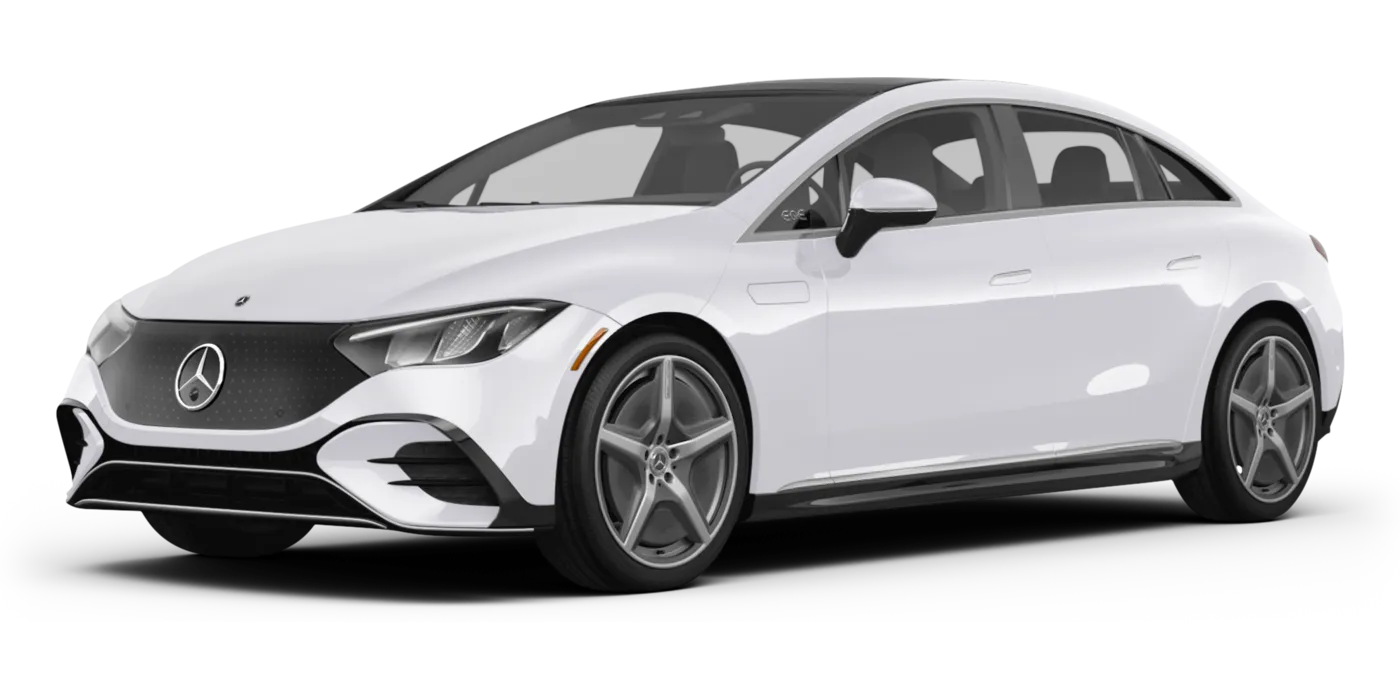
Mercedes-Benz EQE
The BMW I4 comes out well ahead of the Mercedes-Benz EQE on reliability. Owners file far fewer complaints per car sold on the I4. Both show serious low-speed acceleration reports, but the EQE adds early stalls and tire blowouts.
How Do the BMW i4 and Mercedes-Benz EQE Generations Compare?
Verdict
The BMW i4 is more reliable than the Mercedes-Benz EQE, scoring 74/100 vs 59/100.
Owner complaints point clearly to the BMW as the more reliable car, and the gap is large. It draws about 3.1 complaints per 10,000 sold, against 18.6 for the Mercedes-Benz. The BMW is not clean. Low-speed unintended acceleration is its most serious concern, and it carries more recalls, 18 to 15, across one extra model year. Even so, early stalls and repeated tire blowouts on the EQE reach a much larger share of its owners.
Key Differences
- 1BMW i4 has 15.5 fewer complaints per 10k sold
- 2BMW i4 scores 15 points higher in reliability
- 3Mercedes-Benz EQE has 3 fewer total recalls
Category Scoreboard
BMW i4 vs Mercedes-Benz EQE: Which Is More Reliable?
| Metric | BMW i4 | Mercedes-Benz EQE |
|---|---|---|
| Reliability Score | 74/100 | 59/100 |
| Years Tracked | 3 | 2 |
| Total Recalls | 18 | 15 |
| Complaints per 10k Sold | 3.1 | 18.6 |
| Year Wins | 2 | 0 |
What Are the Common Problems With the BMW i4 and Mercedes-Benz EQE?
Loss of control at low speed defines the BMW's worst reports. Cars lunged forward while parking or leaving a stop sign, sometimes with the brake pressed and no warning light. Speed control and brake complaints are each mostly crash-linked. Drivetrain faults can also stop the car in a highway lane. The EQE fails earlier and more often. Owners describe stalls around 40 to 45 mph within the first few thousand miles, a soft brake pedal, and Pirelli blowouts, one owner reporting six. All three of its air bag complaints are crash-linked, including no deployment in a severe frontal crash.
| Component | BMW i4 | Mercedes-Benz EQE |
|---|---|---|
| ELECTRICAL SYSTEM | 0.5Very Low | 5.1Average |
| UNKNOWN OR OTHER | 0.6Very Low | 4.7Average |
| POWER TRAIN | 0.6Very Low | 1.3Low |
| SERVICE BRAKES | 0.2Very Low | 1.3Low |
| AIR BAGS | —None | 1.3Low |
| TIRES | 0.1Very Low | 0.8Very Low |
| WHEELS | —None | 0.8Very Low |
| VEHICLE SPEED CONTROL | 0.2Very Low | —None |
| STEERING | 0.1Very Low | —None |
| SUSPENSION | 0.1Very Low | —None |
Complaints per 10,000 units sold, aggregated across all tracked model years from NHTSA owner reports.
How Does BMW i4 vs Mercedes-Benz EQE Reliability Compare by Year?
| Year | BMW i4 | Mercedes-Benz EQE | Edge |
|---|---|---|---|
| 2024 | 78/1003R / 22C | 61/1005R / 14C | BMW i4 |
| 2023 | 73/1007R / 40C | 56/10010R / 30C | BMW i4 |
Best years to cross-shop: The 2024 BMW i4 scored 78/100 and the 2024 Mercedes-Benz EQE scored 61/100 — the strongest shared model years that have been on the road for at least two years, where available.
Who Should Buy the BMW i4 vs the Mercedes-Benz EQE?
BMW i4 vs Mercedes-Benz EQE: Common Questions
- Is the BMW I4 more reliable than the Mercedes-Benz EQE?
- Yes, by a large margin. The I4 draws about 3.1 owner complaints per 10,000 sold, while the EQE draws 18.6. The EQE's reports include stalls at low mileage, brake pedal sinking, and tire blowouts. The I4 has serious issues too, mainly unintended acceleration at low speed.
- Which has more recalls, the I4 or the EQE?
- The I4 has more, with 18 recalls across 3 model years. The EQE has 15 across 2 model years. Check the specific VIN for open recalls before buying either car, and confirm each repair was completed.
- What goes wrong with the Mercedes-Benz EQE?
- The most common reports involve the electrical system. Cars stall or lose propulsion while driving, often at 40 to 45 mph, and some failures came at only a few thousand miles. Owners also report tire blowouts, a soft brake pedal, and sudden power loss from highway speed.
- Does the BMW I4 have unintended acceleration problems?
- Owners have reported it. Cars launched on their own while parking or pulling away from a stop, sometimes with the brake pressed and no warning light. Several of these reports involve crashes. It is the most serious concern on the I4, though overall complaints remain low per car sold.
- Which I4 model year should I buy?
- Target 2024 or 2023, which are listed among the strongest years. Be more careful with 2022, which is listed among the weakest. Whatever the year, confirm recall work was finished and test how the car behaves at low speed.
Related Reliability Comparisons
More BMW i4 comparisons
Decided between BMW i4 and Mercedes-Benz EQE? Run a VIN check before you buy — uncover hidden accidents, title issues, and open recalls.
How we score the BMW i4 and Mercedes-Benz EQE
Scores weight complaint severity at 35%, repair costs at 30%, recall impact at 20%, and the spread of complaints across systems at 15%, with complaint counts adjusted for US sales. Read the full methodology.
See incorrect data? Report an issue