Last updated: 2026-10-10
Honda Accord vs Hyundai Sonata: Reliability Compared
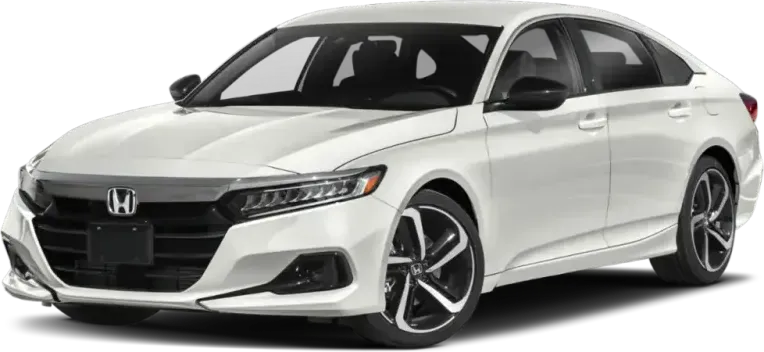
Honda Accord
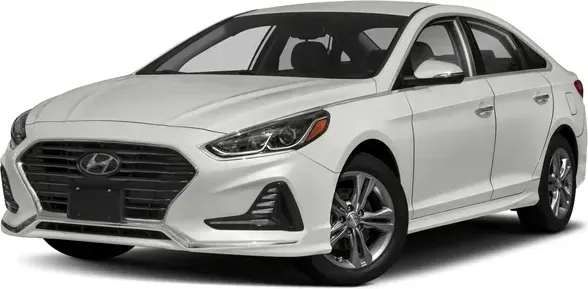
Hyundai Sonata
On reliability, the Honda Accord beats the Hyundai Sonata by a clear margin. Independent repair-cost data backs the Accord with low yearly costs, while the Sonata has none here. The Accord also draws more complaints and recalls, so its touchscreen and braking quirks deserve a close look.
How Do the Honda Accord and Hyundai Sonata Generations Compare?
Verdict
The Honda Accord is more reliable than the Hyundai Sonata, scoring 76/100 vs 68/100.
A clear edge goes to the Honda Accord, and the deciding reason is cost. Independent repair-cost data shows low yearly spending, few unscheduled shop visits, and a small chance any repair is major. No comparable figures exist for the Sonata on this page. The Accord does draw more complaints and recalls, and some of its problems are serious. Even so, its cost record and good standing make it the safer pick on the evidence given.
Key Differences
- 1Hyundai Sonata has 26 fewer total recalls
- 2Honda Accord scores 8 points higher in reliability
- 3Hyundai Sonata has 2.0 fewer complaints per 10k sold
Category Scoreboard
Honda Accord vs Hyundai Sonata: Which Is More Reliable?
| Metric | Honda Accord | Hyundai Sonata |
|---|---|---|
| Reliability Score | 76/100 | 68/100 |
| Years Tracked | 9 | 9 |
| Total Recalls | 46 | 20 |
| Complaints per 10k Sold | 5.7 | 3.7 |
| Safety RatingNHTSA overall | 2026 NHTSA | 2026 NHTSA |
| Frontal | ||
| Side | ||
| Rollover | ||
| Year Wins | 8 | 1 |
What Are the Common Problems With the Honda Accord and Hyundai Sonata?
Electronics and safety systems dominate the Accord's complaints. Owners describe a touchscreen that ghost-touches while driving, automatic emergency braking that slams on with nothing ahead, and head gasket failures. Both the electrical and service brake areas have 18 crash-linked reports, including brakes that failed to respond. Mechanical trouble dominates the Sonata's list. Fuel injectors fail and come back after replacement, the engine jerks or cuts out at highway speed, and the hybrid's 12-volt battery dies after sitting. Its power train area has 7 crash-linked reports, tied to sudden loss of drive power.
| Component | Honda Accord | Hyundai Sonata |
|---|---|---|
| ELECTRICAL SYSTEM | 0.9Very Low | 0.6Very Low |
| ENGINE | 0.6Very Low | 0.8Very Low |
| FORWARD COLLISION AVOIDANCE | 0.7Very Low | —None |
| POWER TRAIN | 0.3Very Low | 0.4Very Low |
| UNKNOWN OR OTHER | 0.2Very Low | 0.4Very Low |
| SERVICE BRAKES | 0.5Very Low | —None |
| FUEL SYSTEM | 0.4Very Low | 0.1Very Low |
| STEERING | 0.4Very Low | 0.1Very Low |
| FUEL/PROPULSION SYSTEM | 0.3Very Low | 0.2Very Low |
| VEHICLE SPEED CONTROL | 0.2Very Low | 0.1Very Low |
| AIR BAGS | 0.1Very Low | 0.1Very Low |
| STRUCTURE | 0.1Very Low | 0.1Very Low |
| EXTERIOR LIGHTING | —None | 0.1Very Low |
| ENGINE AND ENGINE COOLING | —None | 0.1Very Low |
| LANE DEPARTURE | —None | —None |
| SUSPENSION | —None | —None |
| TIRES | —None | —None |
| SEAT BELTS | —None | —None |
| SEATS | —None | —None |
| VISIBILITY/WIPER | —None | —None |
| BACK OVER PREVENTION | —None | —None |
Complaints per 10,000 units sold, aggregated across all tracked model years from NHTSA owner reports.
How Does Honda Accord vs Hyundai Sonata Reliability Compare by Year?
| Year | Honda Accord | Hyundai Sonata | Edge |
|---|---|---|---|
| 2026 | 87/1000R / 0C | 75/1002R / 0C | Honda Accord |
| 2025 | 84/1001R / 65C | 76/1000R / 16C | Honda Accord |
| 2024 | 76/1006R / 166C | 73/1001R / 41C | Honda Accord |
| 2023 | 74/10010R / 199C | 62/1002R / 87C | Honda Accord |
| 2022 | 77/1003R / 201C | 65/1003R / 95C | Honda Accord |
| 2021 | 78/1005R / 215C | 64/1004R / 151C | Honda Accord |
| 2020 | 73/1008R / 344C | 62/1005R / 163C | Honda Accord |
| 2019 | 70/1005R / 574C | 71/1000R / 144C | Hyundai Sonata |
| 2018 | 63/1008R / 1739C | 61/1003R / 353C | Honda Accord |
Best years to cross-shop: The 2021 Honda Accord scored 78/100 and the 2024 Hyundai Sonata scored 73/100 — the strongest shared model years that have been on the road for at least two years, where available.
Who Should Buy the Honda Accord vs the Hyundai Sonata?
Honda Accord vs Hyundai Sonata: Common Questions
- Is the Honda Accord more reliable than the Hyundai Sonata?
- Yes, the Accord has a clear edge overall. Its repair-cost data shows low yearly costs and few unscheduled shop visits, and the Sonata has no such figures here. The Sonata does draw fewer complaints per car sold, so the gap rests on cost rather than on fewer problems.
- Which has more recalls, the Accord or the Sonata?
- The Accord has more. Federal recall records show 46 across nine model years for the Accord and 20 for the Sonata. A higher count does not always mean a worse car, but it is worth checking any car's VIN for open recall work before you buy.
- Which is cheaper to repair, the Accord or the Sonata?
- Only the Accord has repair-cost data here. Independent figures put it at about $400 a year, with 0.3 unscheduled shop visits a year and a 9% chance a repair is major. Without Sonata figures, a direct cost comparison cannot be made.
- What are the most common Honda Accord problems?
- Electrical trouble leads, with 531 complaints, mainly a touchscreen that registers ghost touches while driving. Next come automatic emergency braking that stops the car with nothing ahead, head gasket and cylinder head failures, brake complaints, and fuel pump problems.
- Do Sonata fuel injector problems come back after repair?
- Often, according to owners. Several had injectors replaced more than once under warranty, and some had all four replaced. Symptoms include misfires, shaking, a gasoline smell, power loss, and sometimes a stall on the highway. Ask for the repair history before you buy a Sonata.
Related Reliability Comparisons
More Honda Accord comparisons
Decided between Honda Accord and Hyundai Sonata? Run a VIN check before you buy — uncover hidden accidents, title issues, and open recalls.
How we score the Honda Accord and Hyundai Sonata
Scores weight complaint severity at 35%, repair costs at 30%, recall impact at 20%, and the spread of complaints across systems at 15%, with complaint counts adjusted for US sales. Read the full methodology.
See incorrect data? Report an issue