Last updated: 2026-11-19
Brakes, steering & tires
Chevrolet Equinox Brake Problems
Chevrolet Equinox brake problems center on sudden loss of brake assist, a hard or sinking pedal often traced to a failed vacuum pump.
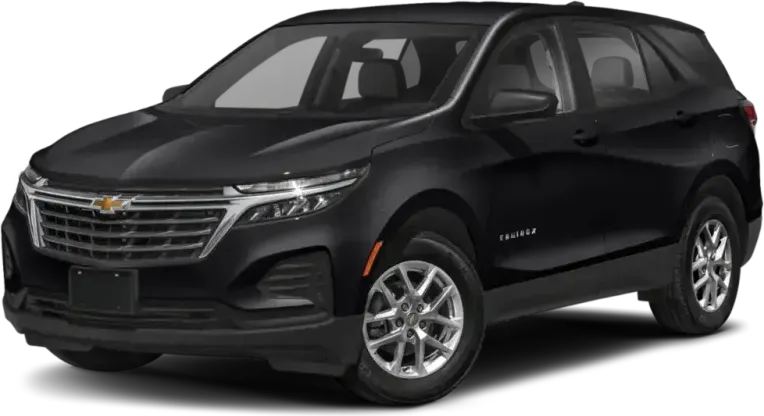
- Owner complaints
- 366
- Share of all complaints
- 20%
- Crash / fire / injury reports
- 29 / 4 / 12
- Related recalls
- 2
Chevrolet Equinox brake complaints by model year
The 2018, 2019 and 2020 model years carry most of the weight, with 120, 78 and 89 complaints. Their rates per 10,000 sold are also the highest, well above every later year. The 2021 through 2025 model years show far fewer complaints and lower rates. The 2026 year has 16 complaints but no sales figure. Newer cars have had less time on the road to collect complaints, so low counts there do not prove they are free of the problem.
| Model year | Complaints | Per 10,000 sold | Crash, fire, injury reports |
|---|---|---|---|
| 2018 | 120 | 3.6 | 8, 0, 2 |
| 2019 | 78 | 2.3 | 9, 1, 3 |
| 2020 | 89 | 3.3 | 4, 2, 2 |
| 2021 | 8 | 0.5 | 0, 0, 1 |
| 2022 | 7 | 0.3 | 1, 0, 0 |
| 2023 | 13 | 0.6 | 1, 0, 0 |
| 2024 | 12 | 0.6 | 2, 0, 2 |
| 2025 | 23 | 0.8 | 2, 0, 1 |
| 2026 | 16 | n/a | 2, 1, 1 |
Owner complaints filed with NHTSA under service brakes, parking brake. Newer model years have had less time to collect complaints.
What goes wrong
The main brake complaint is sudden loss of power assist. The pedal turns rock hard or sinks to the floor, and the car barely slows. Many owners see a Service Brake Assist message first. Others get no warning at all. Dealers and shops often blame a failed brake vacuum pump or booster. Newer model years add other patterns: hard automatic braking with nothing ahead, and pedal failures tied to a master cylinder or brake control module.
This is a real safety issue. Owners filed 366 brake complaints across the tracked years, about one in five of all complaints on the model. Many describe rear-end crashes and intersection impacts, and some report injuries. Several cars were towed or declared a total loss. Some owners say the failure came back after a repair. A few reports mention fire, including smoke and flames at the rear wheels after a low-speed collision in a 2026 car.
Symptoms owners report
Hard pedal, no power assist
The brake pedal turns rock hard and will not move, and the car barely slows. A Service Brake Assist message often appears first, though many owners report no warning. This is the most common pattern, especially on 2018 through 2020 cars.
Pedal sinks to the floor
The pedal drops to the floorboard with little or no braking. In 2024 and later cars, brakes sometimes work again after a restart, and dealers often find no stored codes. In 2026 cars, BRAKE and ABS warnings come on with reduced steering assist.
Repeat pump failures
Owners report the vacuum pump failing again and again. One 2019 owner counts four failures in two years. A 2022 owner reports four at highway speed. Some owners say pump debris ruined or damaged the engine, and some paid out of pocket.
Unwanted automatic braking
Newer cars brake hard with no obstacle, at 60 mph and while reversing. Owners report whiplash and a head injury, and say they nearly got rear-ended. Some reports involve the Equinox EV, which is a different vehicle from the gas model.
Friction brakes not responding
Equinox EV owners using adaptive cruise or one-pedal driving report the physical brakes not engaging when they pressed hard. Some of these ended in crashes. Others describe a hard pedal during a dashboard reboot.
Wear and drag complaints
Less common reports cover grinding, grabby braking, rear pads that rub the rotors, and front rotors that warp and cause vibration under braking. One owner lost nearly all brake fluid through a loose line on a nearly new car.
When the problems start
Failures are not tied to one age. Pump failures on 2018 cars show up around 70,000 to 84,000 miles, and on 2020 cars around 60,000 to 77,000. One 2019 report spans 13,150 to 107,310 miles. Some cars fail very early: a 2020 owner had trouble at about 2,000 miles, and a 2023 car crashed at 170 miles. A 2021 owner reports warped front rotors at 21,000 miles.
Repairs and recalls
Owners most often report a replaced brake vacuum pump or booster. Some say the failure returned afterward, and some shops never found a cause. In 2024 cars, dealers sometimes applied a software update. Master cylinder and brake control module replacements appear in 2025 and 2026 reports, and parts waits ran from weeks to three months. Two federal recalls cover rear brake parts. Recall 18V576000 (2018 and 2019) is for rear caliper pistons, and dealers bleed the brake system free. Recall 19V704000 (2020) is for rear calipers with the wrong lubricant, and dealers replace the calipers free. Neither recall line mentions the vacuum pump. Independent repair-cost data puts the model's overall annual repair cost at $537.
| Model years | Campaign | Problem |
|---|---|---|
| 2020 | 19V704000 | General Motors LLC (GM) is recalling certain 2020 Chevrolet Equinox vehicles. The rear brake calipers may have been produced with an incorrect lubricant, potentially causing the rubber seals to swell and the brakes to… |
| 2018, 2019 | 18V576000 | General Motors LLC (GM) is recalling certain 2018-2019 Chevrolet Equinox, Impala, Cruze, Volt and Bolt EV vehicles, GMC Terrain vehicles, Buick Lacrosse and Regal vehicles, Cadillac XTS and XTS Professional vehicles and… |
Checking a used Equinox for brake problems
- Run the VIN through federal recall records and confirm 2018, 2019 and 2020 cars had the rear brake recall work done.
- Ask for service records showing any brake vacuum pump or booster replacement, and how many times it was done.
- Press the pedal with the engine off and then on. Walk away from a pedal that feels rock hard or sinks.
- Scan the dashboard for Service Brake Assist, BRAKE or ABS warnings on a cold start and during the test drive.
- Test brakes at low and highway speed, noting vibration, grinding, dragging, or braking with nothing ahead.
- Have a mechanic check for engine oil burning or damage on cars with past pump failures, since some owners report it.
For the rest of the car, use a full Chevrolet Equinox inspection checklist.
2 brake recalls cover the Chevrolet Equinox. A VIN check shows whether the car you're looking at had its recall work done, plus accident and title history.
Chevrolet Equinox Brake Problems: common questions
- Which Chevrolet Equinox years have the most brake problems?
- The 2018, 2019 and 2020 model years have the most brake complaints, at 120, 78 and 89, and the highest rates per 10,000 sold. Later years have far fewer, but newer cars have had less time to collect complaints.
- Is it safe to drive an Equinox with brake problems?
- No. Owners describe a pedal that goes hard or sinks with the car barely slowing, often at normal driving speeds. Crashes and injuries appear in the complaints. Warning messages like Service Brake Assist or BRAKE should get the car inspected before more driving.
- Does a recall cover Equinox brake problems?
- Two recalls exist. Recall 18V576000 covers 2018 and 2019 cars for rear caliper pistons. Recall 19V704000 covers 2020 cars for rear calipers with the wrong lubricant. Neither recall line mentions the vacuum pump, which owners blame most often. Check your VIN.
- What causes the hard brake pedal on an Equinox?
- Most owner reports on 2018 through 2020 cars say a dealer or shop traced it to a failed brake vacuum pump, which removes power assist. Some reports name a failed brake booster. In 2025 and 2026 cars, dealers have blamed the master cylinder.
- How much does an Equinox brake repair cost?
- The complaints give no repair prices. Independent repair-cost data puts the model's overall annual repair cost at $537, and that figure is not specific to brakes. Some owners say they paid out of pocket for repeat pump repairs. Get a written quote.
Other Chevrolet Equinox problems
More on the Chevrolet Equinox
See incorrect data? Report an issue