Last updated: 2026-10-10
Chevrolet Equinox EV vs Lexus NX: Reliability Compared
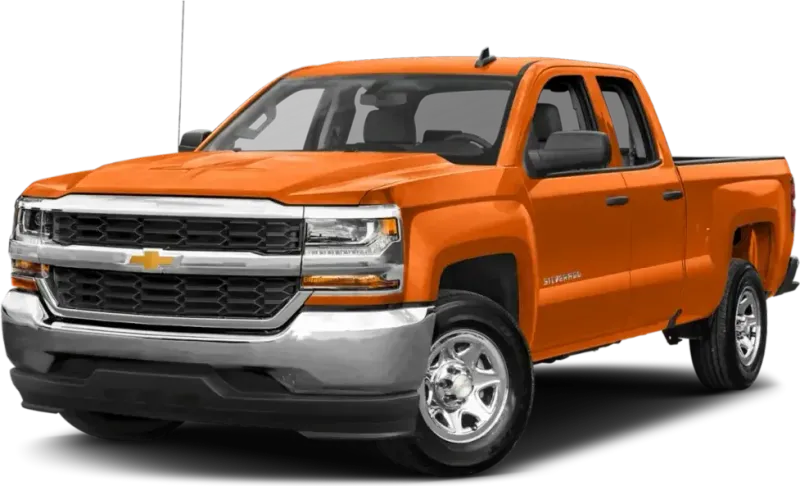
Chevrolet Equinox EV
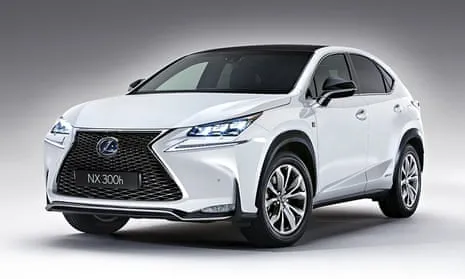
Lexus NX
Reliability favors the Lexus NX over the Chevrolet Equinox-EV by a wide margin. Owners report far fewer problems per car sold on the NX. The Equinox-EV's most common complaint is dashboard glare on the windshield, followed by unexpected automatic braking.
How Do the Chevrolet Equinox EV and Lexus NX Generations Compare?
Verdict
The Lexus NX is more reliable than the Chevrolet Equinox EV, scoring 79/100 vs 69/100.
Reliability favors the Lexus NX, and the gap is large. Owners filed far fewer complaints per car sold, about 6 per 10,000 against nearly 30 for the Equinox-EV. The NX has many more federal recalls, but those span nine model years against three. The Equinox-EV's trouble is a mix of constant windshield glare, unexpected automatic braking and electrical faults, and some owners report them in the first few hundred to few thousand miles.
Key Differences
- 1Chevrolet Equinox EV has 40 fewer total recalls
- 2Lexus NX has 23.4 fewer complaints per 10k sold
- 3Lexus NX scores 10 points higher in reliability
Category Scoreboard
Chevrolet Equinox EV vs Lexus NX: Which Is More Reliable?
| Metric | Chevrolet Equinox EV | Lexus NX |
|---|---|---|
| Reliability Score | 69/100 | 79/100 |
| Years Tracked | 3 | 9 |
| Total Recalls | 7 | 47 |
| Complaints per 10k Sold | 29.7 | 6.3 |
| Year Wins | 0 | 3 |
What Are the Common Problems With the Chevrolet Equinox EV and Lexus NX?
Glare, not a failed part, tops the Equinox-EV complaints. Sunlight reflects the slatted dashboard pattern onto the windshield and hides pedestrians and crossing traffic. Behind that sit automatic braking that slams on with nothing nearby, brakes that engage on their own while reversing, and early high-voltage battery warnings. The NX problems are more traditional: fuel pump failure that stalls the engine at highway speed, electrical faults including one engine fire, and brake complaints. Crash-linked reports exist for NX electrical and fuel/propulsion complaints, and the Equinox-EV has none in those areas. Both have crash-linked brake reports.
| Component | Chevrolet Equinox EV | Lexus NX |
|---|---|---|
| VISIBILITY/WIPER | 14.5Above Avg | 0.1Very Low |
| UNKNOWN OR OTHER | 3.9Average | 0.5Very Low |
| FORWARD COLLISION AVOIDANCE | 2.9Low | —None |
| ELECTRICAL SYSTEM | 2.2Low | 0.4Very Low |
| SERVICE BRAKES | 2.3Low | 0.2Very Low |
| EXTERIOR LIGHTING | 0.9Very Low | —None |
| STEERING | 0.7Very Low | —None |
| STRUCTURE | 0.5Very Low | 0.2Very Low |
| FUEL/PROPULSION SYSTEM | —None | 0.4Very Low |
| POWER TRAIN | 0.2Very Low | 0.1Very Low |
| VISIBILITY | 0.2Very Low | 0.1Very Low |
| BACK OVER PREVENTION | 0.3Very Low | —None |
| VEHICLE SPEED CONTROL | 0.2Very Low | —None |
| FUEL SYSTEM | —None | 0.2Very Low |
| WHEELS | —None | —None |
| TIRES | —None | —None |
| ENGINE | —None | —None |
| AIR BAGS | —None | —None |
Complaints per 10,000 units sold, aggregated across all tracked model years from NHTSA owner reports.
How Does Chevrolet Equinox EV vs Lexus NX Reliability Compare by Year?
| Year | Chevrolet Equinox EV | Lexus NX | Edge |
|---|---|---|---|
| 2026 | 76/1000R / 0C | 88/1000R / 0C | Lexus NX |
| 2025 | 64/1006R / 153C | 77/1007R / 13C | Lexus NX |
| 2024 | 67/1001R / 105C | 77/10014R / 129C | Lexus NX |
Best years to cross-shop: The 2024 Chevrolet Equinox EV scored 67/100 and the 2024 Lexus NX scored 77/100 — the strongest shared model years that have been on the road for at least two years, where available.
Who Should Buy the Chevrolet Equinox EV vs the Lexus NX?
Chevrolet Equinox EV vs Lexus NX: Common Questions
- Is the Chevrolet Equinox-EV more reliable than the Lexus NX?
- No. The Lexus NX leads by a large margin. It has about 6 owner complaints per 10,000 sold, while the Equinox-EV has nearly 30. The Equinox-EV also has a short record, covering only model years 2024 to 2026, so its picture may still change.
- Which has more recalls, the Equinox-EV or the NX?
- The Lexus NX has more. Federal recall records show 47 recalls across nine NX model years, against 7 across three Equinox-EV model years. The NX has simply been sold for many more years. Recall counts alone do not decide which car is more reliable.
- What is the biggest problem with the Equinox-EV?
- Windshield glare is the largest complaint area, with 126 reports. Sunlight on the ridged black dashboard reflects onto the inside of the windshield and hides pedestrians and crossing traffic. Owners say it affects all trims and some notice it within a few hundred miles.
- Does the Lexus NX have fuel pump problems?
- Yes, owners report them. A failing fuel pump cuts power and stalls the car, sometimes at highway speed and with no warning. Some owners say the failure returned after the pump was replaced. One report cites code P0087. Ask for fuel system service history before buying.
- Do the Equinox-EV and NX have brake problems?
- Yes, and each has crash-linked brake reports. Equinox-EV owners describe brakes that engage on their own, mostly while reversing, and 3 of 20 complaints are crash-linked. NX owners report brakes that failed or made alarming noises, and 4 of 11 are crash-linked.
Related Reliability Comparisons
More Chevrolet Equinox EV comparisons
Decided between Chevrolet Equinox EV and Lexus NX? Run a VIN check before you buy — uncover hidden accidents, title issues, and open recalls.
How we score the Chevrolet Equinox EV and Lexus NX
Scores weight complaint severity at 35%, repair costs at 30%, recall impact at 20%, and the spread of complaints across systems at 15%, with complaint counts adjusted for US sales. Read the full methodology.
See incorrect data? Report an issue