Last updated: 2026-10-10
Chevrolet Equinox EV vs Honda Prologue: Reliability Compared
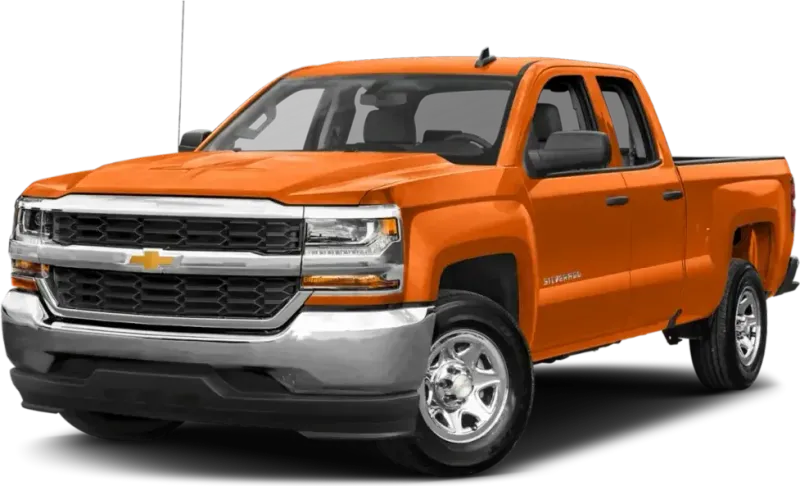
Chevrolet Equinox EV
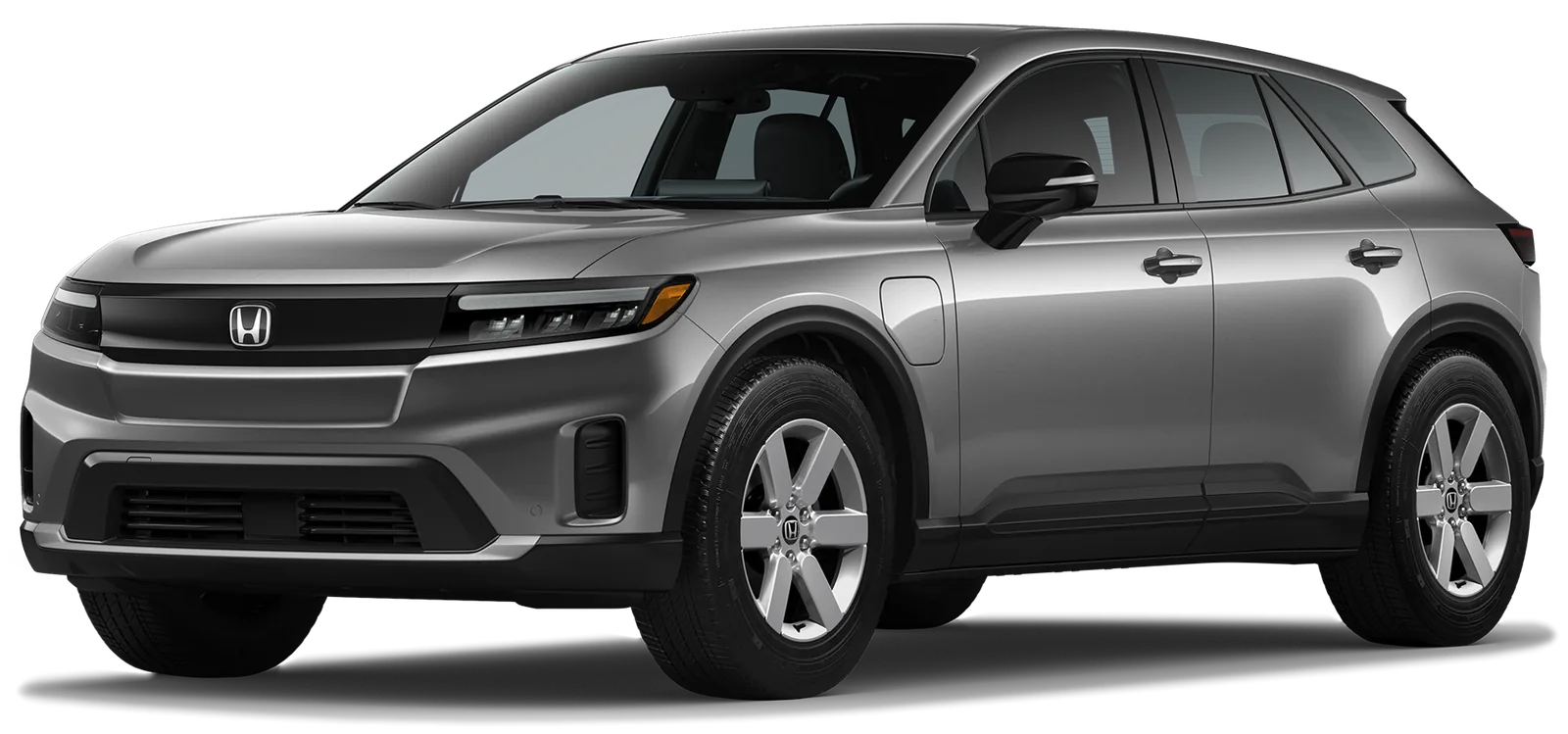
Honda Prologue
Reliability is close, but the Chevrolet Equinox-EV edges the Honda Prologue. Both rate good, and the Prologue's axle clicking has no reported fix. The Equinox-EV counters with 7 recalls and a long list of glare and braking complaints.
How Do the Chevrolet Equinox EV and Honda Prologue Generations Compare?
Verdict
The Chevrolet Equinox EV is more reliable than the Honda Prologue, scoring 69/100 vs 66/100.
A slight edge goes to the Chevrolet Equinox-EV, and both rate good. The Equinox-EV has far more recalls and complaints, but its biggest complaint is dashboard glare, not a failed part. The Honda Prologue's most common problem is clicking front axles that dealers often cannot fix, and replacement axles have failed again. That unresolved repair gives the Equinox-EV its narrow edge. The Prologue's clean recall record keeps the gap small.
Key Differences
- 1Honda Prologue has 16.5 fewer complaints per 10k sold
- 2Honda Prologue has 7 fewer total recalls
- 3Chevrolet Equinox EV scores 3 points higher in reliability
Category Scoreboard
Chevrolet Equinox EV vs Honda Prologue: Which Is More Reliable?
| Metric | Chevrolet Equinox EV | Honda Prologue |
|---|---|---|
| Reliability Score | 69/100 | 66/100 |
| Years Tracked | 3 | 3 |
| Total Recalls | 7 | 0 |
| Complaints per 10k Sold | 29.7 | 13.2 |
| Safety RatingNHTSA overall | 2026 NHTSA | 2026 NHTSA |
| Frontal | ||
| Side | ||
| Rollover | ||
| Year Wins | 2 | 1 |
What Are the Common Problems With the Chevrolet Equinox EV and Honda Prologue?
Glare and braking dominate the Equinox-EV complaints. Owners describe the slatted dashboard reflecting onto the windshield and hiding pedestrians and traffic, plus automatic emergency braking that slams on with nothing nearby and brakes that engage on their own, sometimes at 70 mph. Three brake complaints are crash-linked, including a pedal that did not respond at a charger. Prologue owners report clicking front axles, "Service High Voltage System" warnings that cut power and heat, and screens going black. Its one crash-linked area is steering, where a car drifted left and overturned.
| Component | Chevrolet Equinox EV | Honda Prologue |
|---|---|---|
| VISIBILITY/WIPER | 14.5Above Avg | —None |
| UNKNOWN OR OTHER | 3.9Average | 1.4Low |
| STEERING | 0.7Very Low | 4.1Average |
| ELECTRICAL SYSTEM | 2.2Low | 2.4Low |
| FORWARD COLLISION AVOIDANCE | 2.9Low | 0.3Very Low |
| SERVICE BRAKES | 2.3Low | —None |
| EXTERIOR LIGHTING | 0.9Very Low | 1Very Low |
| POWER TRAIN | 0.2Very Low | 1.7Low |
| SUSPENSION | —None | 0.8Very Low |
| BACK OVER PREVENTION | 0.3Very Low | 0.4Very Low |
| STRUCTURE | 0.5Very Low | —None |
| VEHICLE SPEED CONTROL | 0.2Very Low | 0.3Very Low |
| VISIBILITY | 0.2Very Low | —None |
Complaints per 10,000 units sold, aggregated across all tracked model years from NHTSA owner reports.
How Does Chevrolet Equinox EV vs Honda Prologue Reliability Compare by Year?
| Year | Chevrolet Equinox EV | Honda Prologue | Edge |
|---|---|---|---|
| 2026 | 76/1000R / 0C | 64/1000R / 0C | Chevrolet Equinox EV |
| 2025 | 64/1006R / 153C | 63/1000R / 94C | Chevrolet Equinox EV |
| 2024 | 67/1001R / 105C | 72/1000R / 0C | Honda Prologue |
Best years to cross-shop: The 2024 Chevrolet Equinox EV scored 67/100 and the 2024 Honda Prologue scored 72/100 — the strongest shared model years that have been on the road for at least two years, where available.
Who Should Buy the Chevrolet Equinox EV vs the Honda Prologue?
Chevrolet Equinox EV vs Honda Prologue: Common Questions
- Is the Chevrolet Equinox-EV more reliable than the Honda Prologue?
- Yes, by a slight margin. Both rate good. The Equinox-EV has more recalls and complaints, but its top complaint is windshield glare from the dashboard. The Prologue's top complaint is clicking front axles that dealers often cannot repair, and replacement axles have failed again.
- Which has more recalls, the Equinox-EV or the Prologue?
- The Equinox-EV has more. Federal recall records show 7 across its three model years from 2024 to 2026. The Prologue has none on file for the same years. Even so, check any specific car's recall status with a dealer before you buy.
- What is the most common Equinox-EV problem?
- Visibility, by a wide margin. Owners say the ridged black dashboard reflects its pattern onto the inside of the windshield on bright days and hides pedestrians and crossing traffic. Several reports say it affects all trims. Some owners noticed it within the first few hundred miles.
- What is the clicking noise owners report on the Honda Prologue?
- It comes from the front axles. Owners hear clicking or clunking when turning near full lock or accelerating out of a turn, usually within the first 9,000 miles. Dealers often confirm it but say Honda has no fix yet. Some cars had both axles replaced and the clicking came back.
- Do either of these SUVs have crash-linked complaints?
- Both do, in different areas. The Equinox-EV has 3 crash-linked service brake complaints, including a pedal that did not respond while parking at a charger. The Prologue has 1 crash-linked steering complaint, where a car drifted left, did not respond to steering or brakes, and overturned.
Related Reliability Comparisons
More Chevrolet Equinox EV comparisons
Decided between Chevrolet Equinox EV and Honda Prologue? Run a VIN check before you buy — uncover hidden accidents, title issues, and open recalls.
How we score the Chevrolet Equinox EV and Honda Prologue
Scores weight complaint severity at 35%, repair costs at 30%, recall impact at 20%, and the spread of complaints across systems at 15%, with complaint counts adjusted for US sales. Read the full methodology.
See incorrect data? Report an issue