Last updated: 2026-10-10
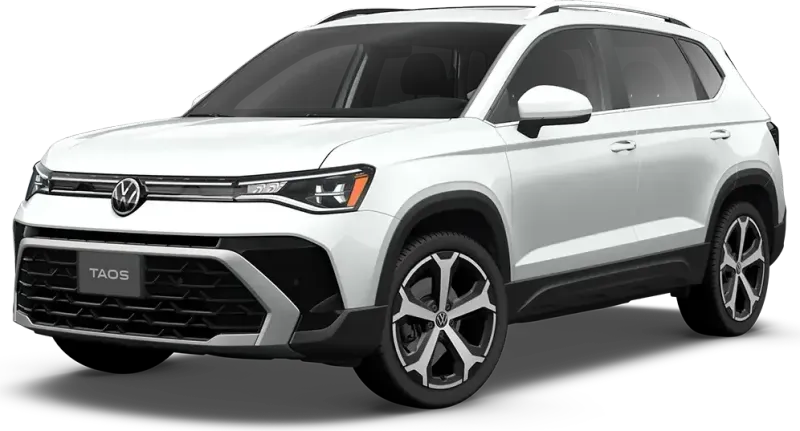
2023 Volkswagen Taos Reliability Report
The 2023 Volkswagen Taos rates good for reliability, but owners report early rear brake wear and head gasket coolant loss.
Recalls
0
Complaints
87
Complaint Rate
2.6per 10,000 sold
Est. Repair Cost
N/A
Annual Fuel Cost
$1,950–$2,150
Detailed Score Breakdown
Component-weighted complaints normalized by sales volume
Independent repair cost ratings
Recall count weighted by severity
Breadth of reported problem categories
The Verdict
Good standing with no recalls and far fewer complaints than 2022, though rear brakes wear early and head gasket coolant loss appears.
Top Issues to Watch
- SERVICE BRAKES (20)
- ELECTRICAL SYSTEM (17)
- ENGINE (16)
Generation & Refresh (US)
2023 is year 2 of the First generation (Type A1).
- Redesigned for the 2022 model year.
- A refresh arrives in 2025.
- 1st generation Taos (US).
What this means for buyers
Year 2 is typically a safer pick than the first model year — early issues are more likely to be identified, but the platform is still new.
If you're comparing prices, check 2022 (redesign year) vs 2023+ pricing and recalls.
2022: First generation (Type A1) Launch
Generation start — new platform.
2023: This Model Year
2023 is year 2 of the First generation (Type A1).
2025: Mid-Cycle Refresh
Updated features and styling tweaks.
Should You Buy the 2023 Volkswagen Taos?
Reliability is good for this model year, and it rates above average among 2023 SUVs. Within the Taos lineup it is one of the stronger years out of five scored. It looks far better than 2022, which drew 277 complaints and 6 recalls. The 2024 rates about the same and also has no recalls. Federal recall records show none for this year.
Rear brakes are the main complaint. Pads and rotors wear out early, often between 16,000 and 32,000 miles, with grinding or pads worn to metal without warning. Some owners say dealers refused a Volkswagen warranty extension on rear pads once they were past it. Head gasket failure is the more serious issue. It shows up as coolant loss between roughly 12,000 and 26,500 miles, and some engines overheat. One out-of-warranty repair was quoted near $4000. A smaller group reports sudden power loss with the EPC light on.
Ask for rear brake service records and any coolant or head gasket work. On a test drive, check for a delay after pressing the gas from a stop.
Compared to the 2024 Volkswagen Taos, which scored 1 points higher. See also the 2022 Volkswagen Taos for an earlier comparison.
Pros
- +Acceptable reliability score
- +No recalls issued
- +Below-average complaint rate for SUV
Cons
- −SERVICE BRAKES issues reported (20 complaints)
- −ELECTRICAL SYSTEM: Sudden power loss is the main pattern (17 complaints)
Compare 2023 Volkswagen Taos With

2023 BMW X1
Reliability: 64/100
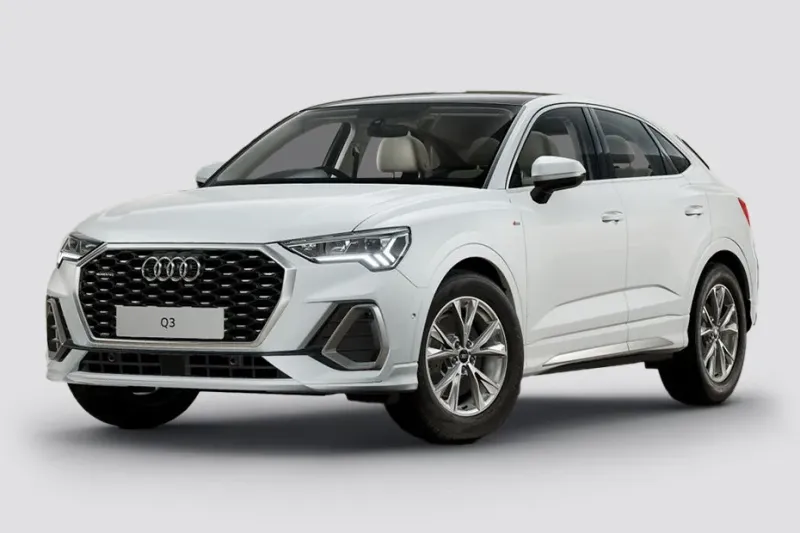
2023 Audi Q3
Reliability: 74/100
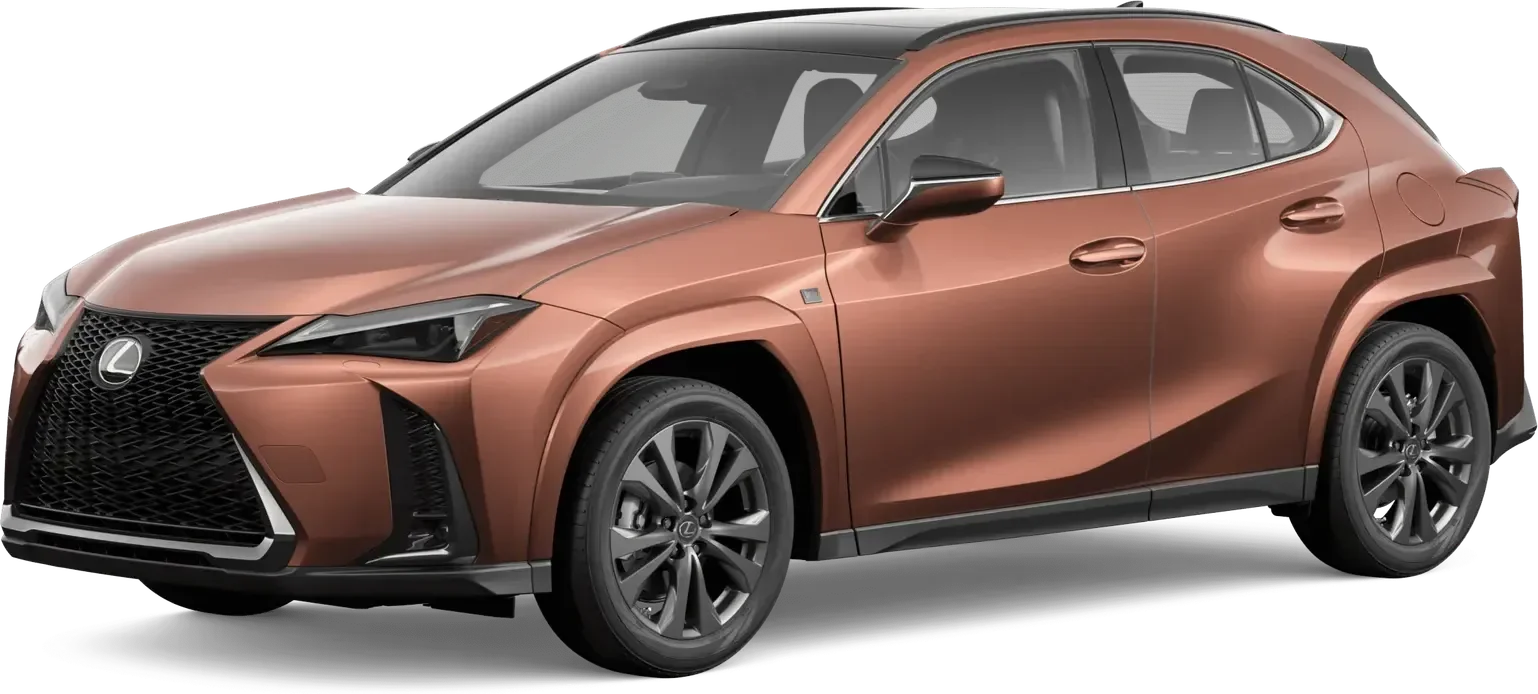
2023 Lexus UX
Reliability: 80/100
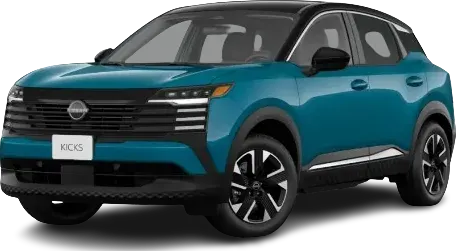
2023 Nissan Kicks
Reliability: 80/100

2023 Porsche Macan
Reliability: 66/100
Common Problem Categories
Other
HIGH RISK- SERVICE BRAKES (20)
- ELECTRICAL SYSTEM (17)
Recall Overview
0
recalls on record
No recalls are on record for the 2023 Volkswagen Taos — uncommon, and a strong signal of manufacturing quality.
NHTSA.gov →Complaint Breakdown
2.6
per 10,000 soldSegment avg: 11.3
Safety Incidents
1
Crashes
0
Fires
0
Injuries
0
Deaths
NHTSA 4/5 Stars
Data sourced from NHTSA complaint filings and manufacturer recall notices. Complaint narratives are owner-reported.
Buying a used 2023 Volkswagen Taos? Check its history first
Service brakes problems lead owner complaints about the 2023 Volkswagen Taos, and 0 recalls were issued for it. A VIN check shows whether this car's recall work was done, plus accident, title, and odometer history.
- Accidents
- Open Recalls
- Title History
- Odometer Rollback
2023 Volkswagen Taos NHTSA Safety Ratings
Overall Safety Rating
Crash Test Results by Configuration (expand)
Gas Powertrain
Rollover risk: 17.4%
Safety Technologies
Volkswagen TaosRepair Costs & Maintenance
Maintenance Rating
2Maintenance rating: 2 out of 5Based on NHTSA complaint patterns, recall severity, and publicly available cost benchmarks.
Category-level averages derived from publicly available industry reports (AAA, CarMD). Model-level estimates produced by Auto Reliability Index.
2023 Volkswagen Taos Example Repair Prices
National average price ranges for common repairs. These are not model-year-specific failure predictions.
| Repair | Estimated Cost |
|---|---|
| Tire Pressure Monitor Lamp Diagnosis | $182 – $268 |
| Power Steering System Leak Inspection | $70 – $103 |
| Active Suspension System Diagnosis & Testing | $70 – $103 |
| Brake Booster Replacement | $556 – $766 |
| Crankshaft Position Sensor Replacement | $282 – $393 |
| HVAC Blend Door Actuator Replacement | $725 – $824 |
| Parking Brake Activation Switch Replacement | $115 – $148 |
| Transfer Case Output Shaft Oil Seal Replacement | $1,229 – $1,695 |
| Air Conditioning Expansion Valve Replacement | $267 – $328 |
| Air Conditioning Refrigerant Pressure Sensor Replacement | $303 – $329 |
Estimates based on national average repair costs. Actual costs may vary by location and shop.
MPG & Annual Running Costs
Gas
28–31 MPG
Fuel cost: $1,950–$2,150/yr
Fuel only
25–28 city / 32–36 hwy MPG
Based on EPA fuel-cost estimates. Excludes routine maintenance, depreciation, and insurance. Data as of 2023 EPA label cycle.
Gas trims
| Trim | Drive | Trans. | City | Hwy | Comb | Fuel Cost |
|---|---|---|---|---|---|---|
| Taos 1.5L 4-cyl | Front-Wheel Drive | Automatic (S8) | 28 | 36 | 31 | $1,950 |
| Taos 4motion 1.5L 4-cyl | All-Wheel Drive | Automatic (AM-S7) | 25 | 32 | 28 | $2,150 |
Used Buying Checklist
Key things to inspect or verify before purchasing a 2023 Volkswagen Taos.
Check the coolant reservoir level cold, and look for coolant residue on the engine and drips under the car.
Ask for service records showing head gasket work, repeated coolant top-offs, or a coolant warning visit.
Have a shop measure rear brake pad thickness against the fronts and check the rear rotors for grooves.
From a full stop, press the gas gently several times and note any delay followed by a sudden surge.
Sit stopped in drive for more than 60 seconds at a light and watch for a full engine shutoff.
Drive at highway speed and watch for EPC, check engine, or lane assist warnings and any loss of power.
Test the infotainment screen, rearview camera, Bluetooth, and SOS button, and watch for blackouts or error messages.
Look for oil wetness on the rear shocks and check tread depth on the original tires.
2023 Volkswagen Taos Common Problems by Component
87 owner complaints grouped by vehicle system.
SERVICE BRAKES
20 complaintsRear pads and rotors wear out early, often around 16,000 to 32,000 miles, and some owners report a second set by 45,000 or 50,000. Symptoms include grinding, squealing, and pads worn to metal with no warning. Owners note the rears wearing far faster than the fronts. Several mention a Volkswagen warranty extension on rear pads, but many say dealers denied coverage once they passed it. Front brake squeal when pulling away from a stop is a second, smaller pattern. Many of these reports also mention a head gasket failure found at the same visit.
ELECTRICAL SYSTEM
17 complaintsSudden power loss is the main pattern. The EPC and check engine lights come on, the car won't go past 15 to 30 mph, or the engine shuts off entirely. Some owners describe the dashboard going dark, brake assist disappearing at highway speed, or the car stalling at red lights. Dealers often can't reproduce the problem or blame bad fuel. Others replace fuel pumps, fuses, wiring, or timing parts, and the problem comes back. Smaller complaints cover blank radio screens, dropped Bluetooth, and a failed telematics module that disables SOS.
ENGINE
16 complaintsHead gasket failure dominates these reports, usually between about 10,000 and 26,500 miles. The car loses coolant, the low coolant light comes on, and some engines overheat or need a tow. Owners describe coolant getting into the oil, coolant smells, and residue on the engine. Dealers often have to pull the engine apart, and many owners wait weeks or months for parts. One out-of-warranty repair was quoted near $4000. Other reports describe stalling while stopped in drive, hesitation when turning across traffic, and one turbo failure with heavy smoke.
POWER TRAIN (8 complaints)
POWER TRAIN
8 complaintsThrottle lag from a stop is the main complaint. The car can wait 2 to 3 seconds after the gas pedal is pressed, then surge forward hard. Owners describe near misses when pulling into traffic or turning, plus slow response when they press the pedal quickly at highway speed. The EPC light can also cut power on hills and highways. Isolated reports cover the car refusing to move in reverse until restarted, and a stall when releasing the brake. Early rear brake wear and coolant loss show up here too.
UNKNOWN OR OTHER (8 complaints)
UNKNOWN OR OTHER
8 complaintsThese reports are a mix of different problems. Electronics come up most: infotainment screens go black and reset while driving, the rearview camera distorts, flickers, or shows as unavailable, navigation gives the wrong location, and the telematics module fails over and over and disables SOS. Owners also repeat the early rear brake wear and coolant leak complaints, with one out-of-warranty estimate near 5k. Single reports describe a starter failure that stranded a nearly new car and a sunroof that shattered while driving.
VEHICLE SPEED CONTROL (5 complaints)
VEHICLE SPEED CONTROL
5 complaintsSafety-relatedThe throttle is unpredictable. The car hesitates, then surges, and one report describes a crash where it jumped a parking curb and hit a tree and a sign. Other owners describe takeoffs like a rocket from a stop, lag while turning across traffic, and jerky low-speed driving with early upshifts. EPC and lane assist warnings can come before limp mode, which held one car under 40 mph on a busy freeway. Dealers often say the behavior is normal, blame turbo lag or fuel, or find no codes.
SUSPENSION (2 complaints)
SUSPENSION
2 complaintsOnly 2 complaints, and they don't share a clear pattern. One owner reports both rear shocks leaking on a two-year-old car, plus a corroded start/stop switch, and says the dealer wanted to charge for both repairs. The other report mostly covers other problems: rear pads and rotors replaced twice, front wheel noise at low speed, and a window that goes down when the up switch is pressed. There is too little data here to show a trend.
WHEELS (2 complaints)
WHEELS
2 complaintsOnly 2 complaints, so there is no firm pattern. One owner reports the original tires worn out by 32000 miles and says the dealer gave no explanation. That owner worries the wear points to a suspension problem that could reduce traction. The second report is really about brakes: constant noise from the pads and rotors that the dealer says it can no longer fix after several attempts.
ENGINE AND ENGINE COOLING (1 complaints)
ENGINE AND ENGINE COOLING
1 complaintThe contact owns a 2023 Volkswagen Taos. The contact stated that while operating the vehicle, the check engine warning light illuminated. The vehicle was taken to the local dealer, who diagnosed that there was coolant intrusion into the head gasket. The head gasket was replaced, and the vehicle was repaired. Later, while driving 55 MPH, the message "Transmission Failure" was displayed and the transmission shifted to D2, causing the vehicle to decelerate to 25 MPH. The vehicle was parked, and after restarting the vehicle, the vehicle operated normally. The vehicle was later taken to the local dealer, who diagnosed that the Medtronic transmission had failed and needed to be replaced; however, parts were on back order. The vehicle was not yet repaired. The manufacturer was notified of the failure, but no assistance was offered. The failure mileage was 10,185.
STEERING (1 complaints)
STEERING
1 complaintMy steering wheel does not turn
When Do 2023 Volkswagen Taos Problems Start?
Based on owner complaint patterns, here's when common issues tend to appear.
Best & Worst Volkswagen Taos Years
Best Volkswagen Taos Years to Buy
Based on reliability index score2024
2023
(Current Model)
2022
Volkswagen Taos Years to Avoid
Volkswagen Taos Reliability Score Trend
Scores 0–100. Higher is better. Current year highlighted.
| Year | Score | Rating |
|---|---|---|
| 2022 | 59/100 | Mixed |
| 2023 | 73/100 | Good |
| 2024 | 74/100 | Good |
| 2025 | 69/100 | Good |
| 2026 | 64/100 | Good |
Volkswagen Taos Reliability Compared to Other Years
Frequently Asked Questions
Is the 2023 Volkswagen Taos reliable?
What are the most common problems with the 2023 Volkswagen Taos?
Does the 2023 Volkswagen Taos have head gasket problems?
Does the 2023 Volkswagen Taos have recalls?
Is the 2023 Volkswagen Taos better than the 2022 or 2024?
Don’t buy a 2023 Volkswagen Taos without checking its VIN first — hidden accidents, title issues, and open recalls could cost you thousands.
How we score the 2023 Volkswagen Taos
Of the four inputs behind this score, the 2023 Volkswagen Taos does best on recall impact (100/100) and worst on repair costs (40/100). Scores weight complaint severity at 35%, repair costs at 30%, recall impact at 20%, and the spread of complaints across systems at 15%, with complaint counts adjusted for US sales. Read the full methodology.
Get notified when new recalls or reliability data is added for the Volkswagen Taos.
No spam. Only data updates for this model.
Browse More Volkswagen Models
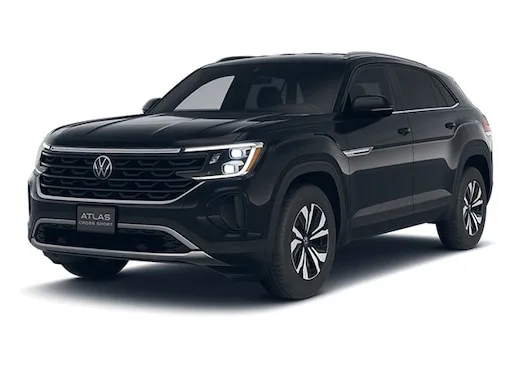
Volkswagen Atlas
Score: 64/100

Volkswagen Beetle
Score: 74/100
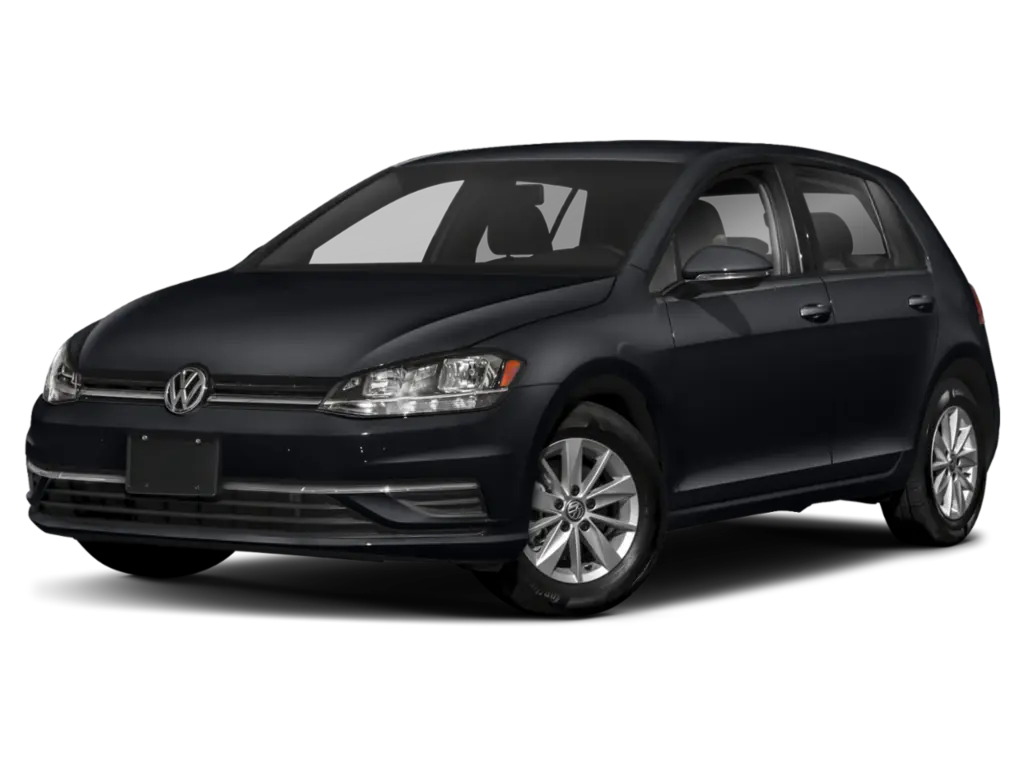
Volkswagen Golf
Score: 84/100
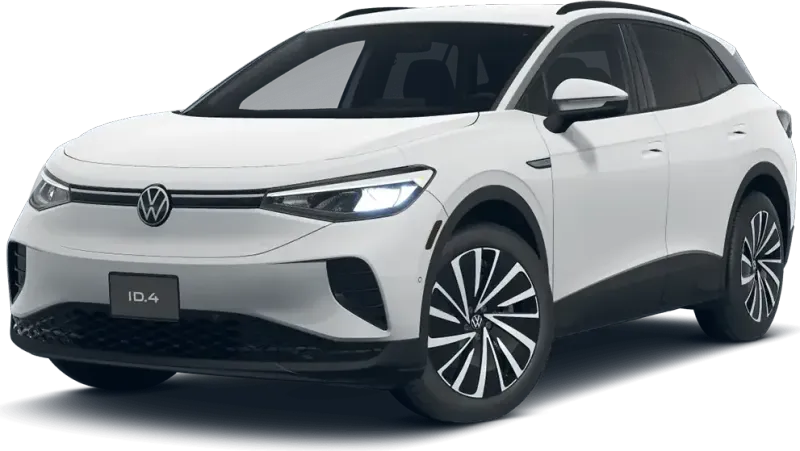
Volkswagen ID.4
Score: 59/100
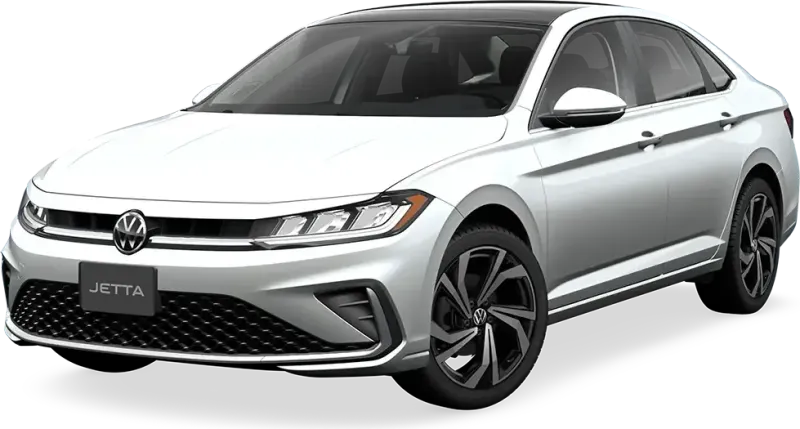
Volkswagen Jetta
Score: 88/100
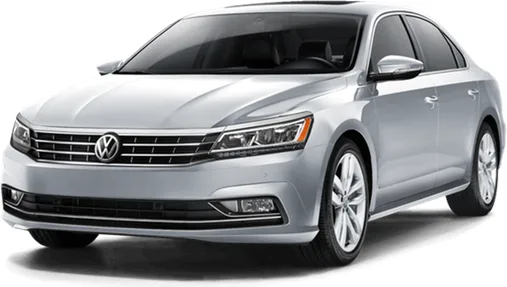
Volkswagen Passat
Score: 77/100
Browse More 2023 Vehicles
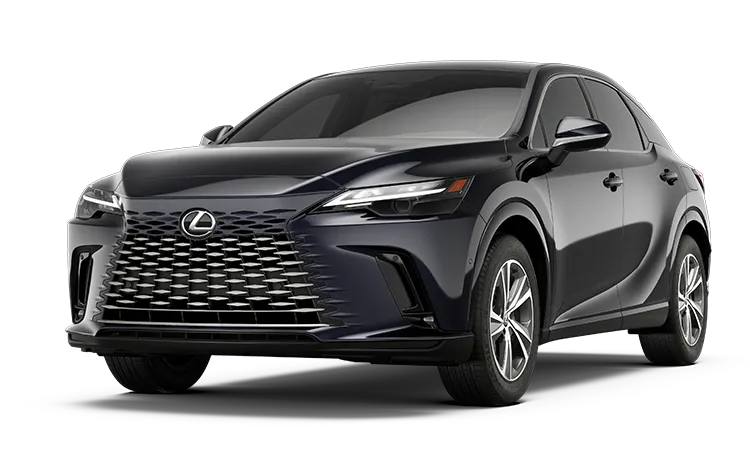
2023 Lexus RX
Score: 85/100
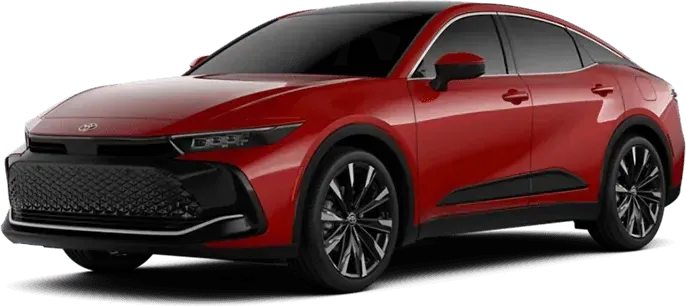
2023 Toyota Crown
Score: 84/100
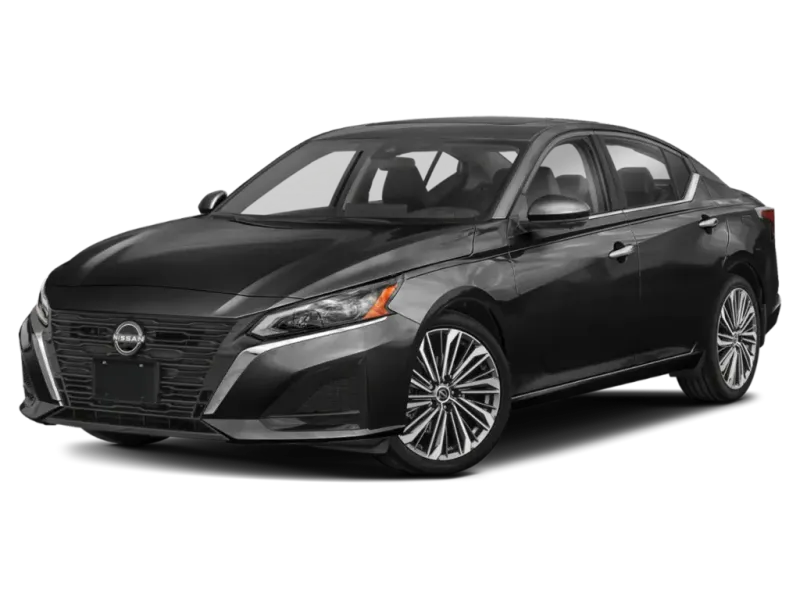
2023 Nissan Altima
Score: 84/100

2023 Lexus IS
Score: 83/100

2023 Toyota 4Runner
Score: 82/100

2023 Acura RDX
Score: 82/100
See incorrect data? Report an issue