Last updated: 2026-10-10
BMW iX vs Lexus RX: Reliability Compared

BMW iX
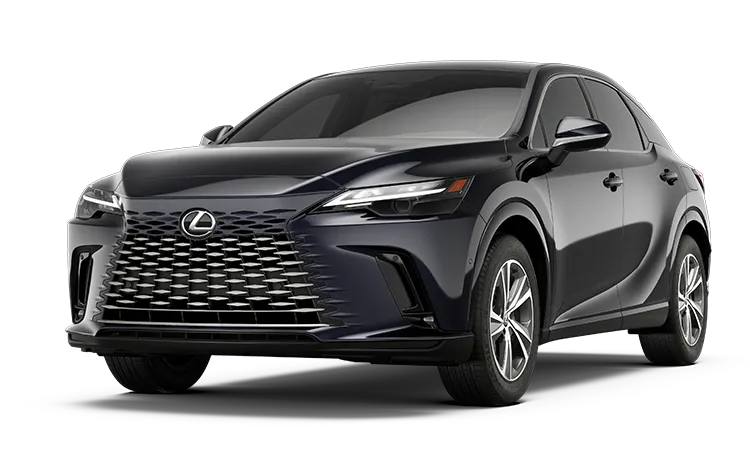
Lexus RX
For used midsize SUV shoppers, the Lexus RX is clearly more reliable than the BMW IX. The RX draws far fewer owner complaints per vehicle sold, while IX owners report stalling, steering faults, and sudden acceleration, some within the first few hundred miles.
How Do the BMW iX and Lexus RX Generations Compare?
Verdict
The Lexus RX is more reliable than the BMW iX, scoring 86/100 vs 56/100.
A large gap separates these two, and it favors the Lexus RX. Owners filed far fewer complaints per vehicle sold on the RX, and its standing is excellent while the BMW IX sits at mixed. The IX complaints also skew toward severe, early failures: stalling while driving, steering faults, and sudden acceleration, with several faults appearing in the first few hundred miles. The RX has real problems too, including brake actuators and airbags, but they are spread across many more cars and many more model years.
Key Differences
- 1Lexus RX scores 30 points higher in reliability
- 2BMW iX has 15 fewer total recalls
- 3Lexus RX has 11.3 fewer complaints per 10k sold
Category Scoreboard
BMW iX vs Lexus RX: Which Is More Reliable?
What Are the Common Problems With the BMW iX and Lexus RX?
Severity, more than volume, separates the two profiles. IX complaints center on electrical failures: stalling and sudden shutdowns with high-voltage warnings, black screens, and a parking brake that sets itself in traffic. Its speed control reports describe sudden acceleration at low speed, and five of nine were crash-linked. Steering faults bring violent shaking, and one rack failed. The RX leans on brake actuator noise, harsh or delayed shifting, and fuel pump stalling. Its service brake complaints include crashes, one with a pedal that sank to the floor, an area the IX list does not show. Airbag non-deployment appears on both.
| Component | BMW iX | Lexus RX |
|---|---|---|
| ELECTRICAL SYSTEM | 4.4Average | 0.5Very Low |
| UNKNOWN OR OTHER | 2.4Low | 0.6Very Low |
| AIR BAGS | 2Low | 0.8Very Low |
| VEHICLE SPEED CONTROL | 1.8Low | 0.1Very Low |
| STEERING | 1.8Low | —None |
| POWER TRAIN | 1.6Low | 0.2Very Low |
| FORWARD COLLISION AVOIDANCE | 1.2Low | —None |
| SERVICE BRAKES | 0.6Very Low | 0.2Very Low |
| FUEL/PROPULSION SYSTEM | —None | 0.2Very Low |
| STRUCTURE | —None | 0.2Very Low |
| ENGINE | —None | 0.2Very Low |
| FUEL SYSTEM | —None | 0.1Very Low |
| TIRES | —None | 0.1Very Low |
| VISIBILITY/WIPER | —None | 0.1Very Low |
| SEAT BELTS | —None | —None |
| LANE DEPARTURE | —None | —None |
Complaints per 10,000 units sold, aggregated across all tracked model years from NHTSA owner reports.
How Does BMW iX vs Lexus RX Reliability Compare by Year?
| Year | BMW iX | Lexus RX | Edge |
|---|---|---|---|
| 2024 | 60/1004R / 30C | 85/1009R / 48C | Lexus RX |
| 2023 | 56/10012R / 35C | 85/1005R / 45C | Lexus RX |
| 2022 | 52/10011R / 29C | 90/1000R / 35C | Lexus RX |
Best years to cross-shop: The 2024 BMW iX scored 60/100 and the 2022 Lexus RX scored 90/100 — the strongest shared model years that have been on the road for at least two years, where available.
Who Should Buy the BMW iX vs the Lexus RX?
BMW iX vs Lexus RX: Common Questions
- Is the BMW IX more reliable than the Lexus RX?
- No. The Lexus RX comes out well ahead. Its standing is excellent against mixed for the IX, and owners filed 7.5 complaints per 10,000 sold versus 18.8 for the IX. IX reports also include stalling while driving and sudden acceleration, which are more severe.
- Which has more recalls, the BMW IX or the Lexus RX?
- The RX has more recalls in total, with 42 across nine model years. The IX has 27 across just three model years. That is a heavier recall load per model year for the IX, over a much shorter span of production.
- What are the most common BMW IX problems?
- Electrical faults lead the IX complaints. Owners describe stalling, high-voltage and drivetrain warnings, black screens, and a parking brake that sets itself. Air bags, sudden low-speed acceleration, steering warnings with violent shaking, and power train faults follow. Several issues appear in the first few hundred miles.
- Does the Lexus RX have brake problems?
- Yes. Brake actuator noise is the most common brake complaint, a honking or barking sound when the pedal is first pressed. Dealers confirmed failing actuators in several cases, and one owner was quoted $3800. Four brake complaints were crash-linked, including a pedal that sank to the floor.
- Which Lexus RX model years should I avoid?
- Owner complaints point to 2019 and 2025 as the weakest RX years. The 2022 year is among the strongest. The 2026 year also rates well, but it is the newest and has had little time to collect complaints, so do not treat it as proven.
Related Reliability Comparisons
More BMW iX comparisons
Decided between BMW iX and Lexus RX? Run a VIN check before you buy — uncover hidden accidents, title issues, and open recalls.
How we score the BMW iX and Lexus RX
Scores weight complaint severity at 35%, repair costs at 30%, recall impact at 20%, and the spread of complaints across systems at 15%, with complaint counts adjusted for US sales. Read the full methodology.
See incorrect data? Report an issue