Last updated: 2026-03-04
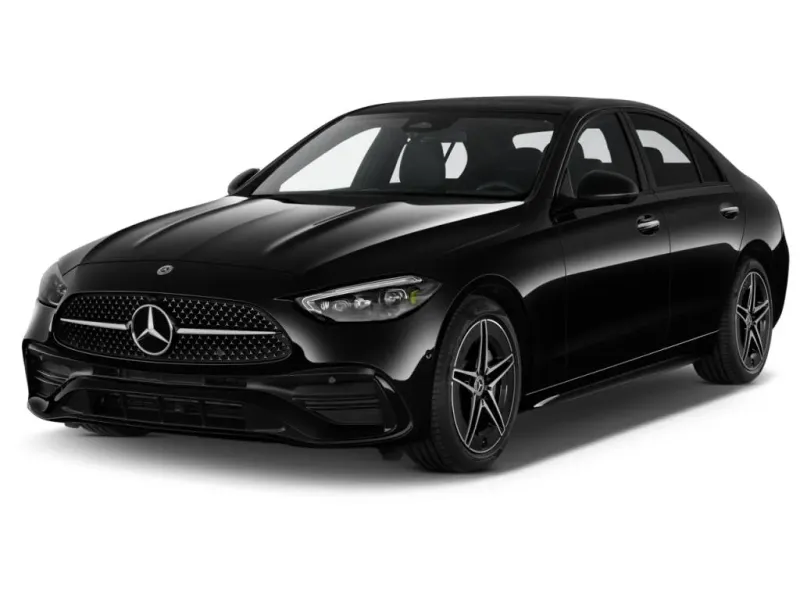
2019 Mercedes-Benz C-Class Reliability Report
The 2019 Mercedes-Benz C-Class scores 50/100 ("Mixed"). With 161 recalls and 477 owner complaints, buyers should proceed with caution.
Recalls
161
Complaints
477
Complaint Rate
97.6per 10,000 sold
Est. Repair Cost
$908
Detailed Score Breakdown
Component-weighted complaints normalized by sales volume
Independent repair cost ratings
Recall count weighted by severity
Breadth of reported problem categories
The Verdict
Mixed reliability — proceed with caution and budget for repairs.
Top Issues to Watch
- ELECTRICAL SYSTEM (55)
- ENGINE (34)
- POWER TRAIN (30)
Generation & Refresh (US)
2019 is 1 year after the facelift refresh.
- Year 5 in the Fourth generation (W205) (2015–2021).
- Well-established in its generation — most early issues should be resolved.
- 4th generation C-Class (US).
What this means for buyers
Post-refresh years tend to be among the most refined — updates have been applied and early kinks worked out.
2015: Fourth generation (W205) Launch
Generation start — new platform.
2018: Mid-Cycle Refresh
Updated features and styling tweaks.
2019: This Model Year
2019 is 1 year after the facelift refresh.
Should You Buy the 2019 Mercedes-Benz C-Class?
A 50/100 score puts the 2019 Mercedes-Benz C-Class in the "Mixed" tier. Buyers should approach with eyes open. 2019 is 1 year after the facelift refresh.
Complaint volume sits above average at 477 owner complaints alongside 161 recalls. Issues in electrical system (75) tend to be the costly ones.
Treat an extended warranty as non-negotiable and put electrical system (75) at the top of the inspection checklist.
Compared to the 2020 Mercedes-Benz C-Class, which scored 7 points lower. See also the 2018 Mercedes-Benz C-Class for an earlier comparison.
Pros
- +5-star NHTSA crash rating
- +Well-established generation
Cons
- −Below-average reliability score
- −Above-average recall count
- −Above-average complaint rate for Sedan
- −ELECTRICAL SYSTEM: Instrument cluster and transmission harness (55 complaints)
- −6 fire incidents reported in owner complaints
Compare 2019 Mercedes-Benz C-Class With
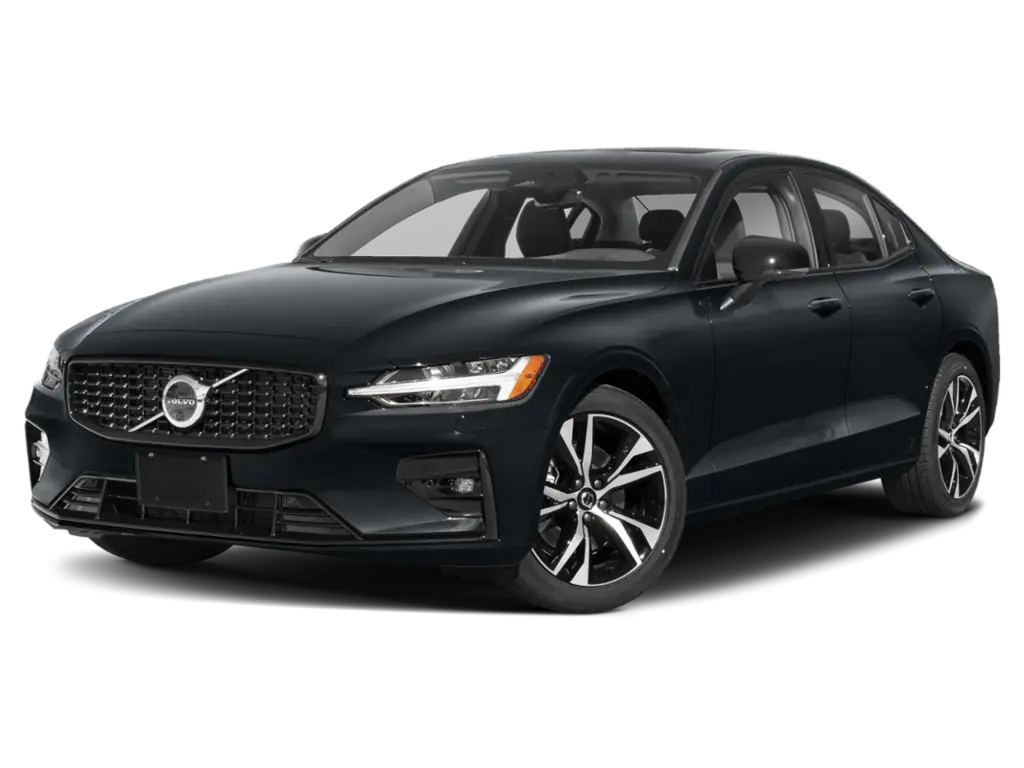
2019 Volvo S60
Reliability: 72/100
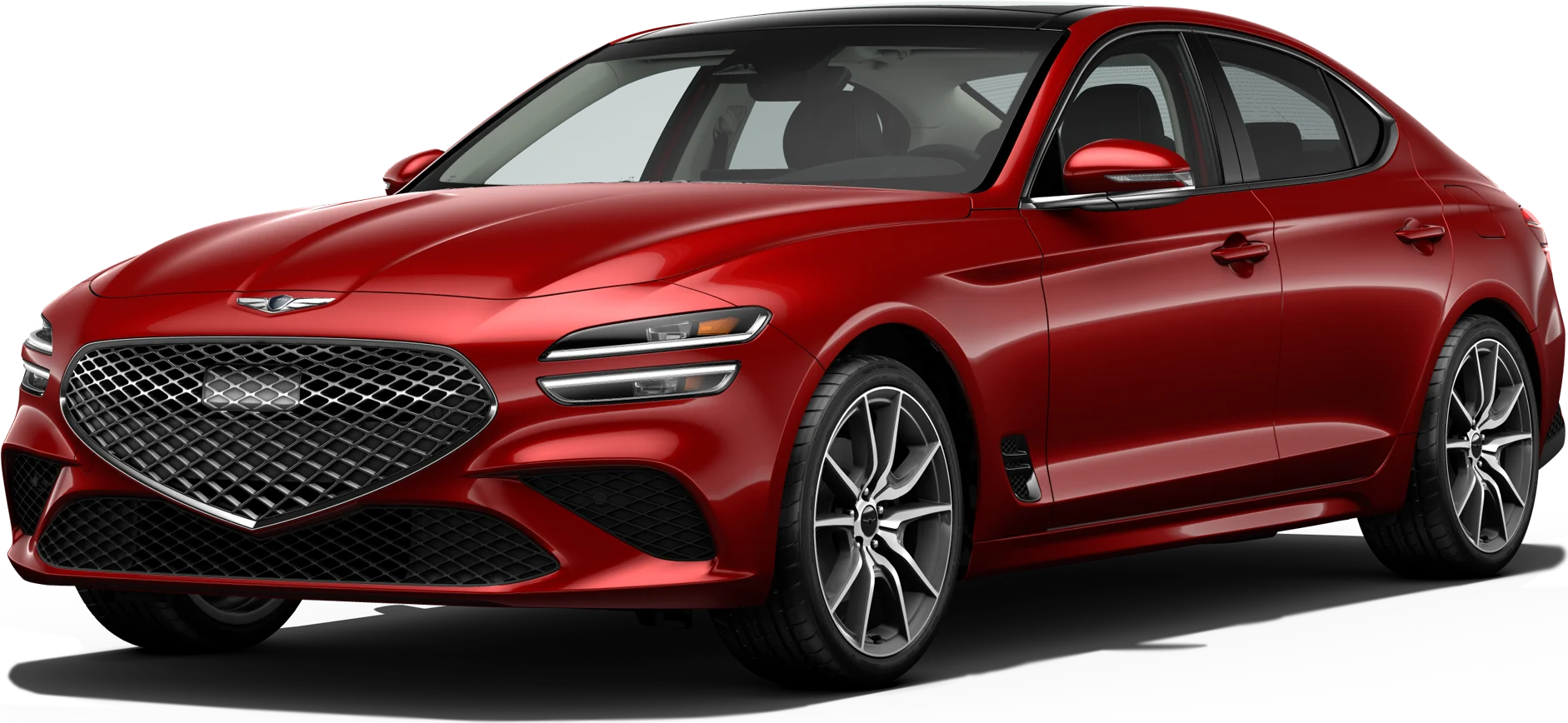
2019 Genesis G70
Reliability: 55/100

2019 BMW 3-Series
Reliability: 66/100
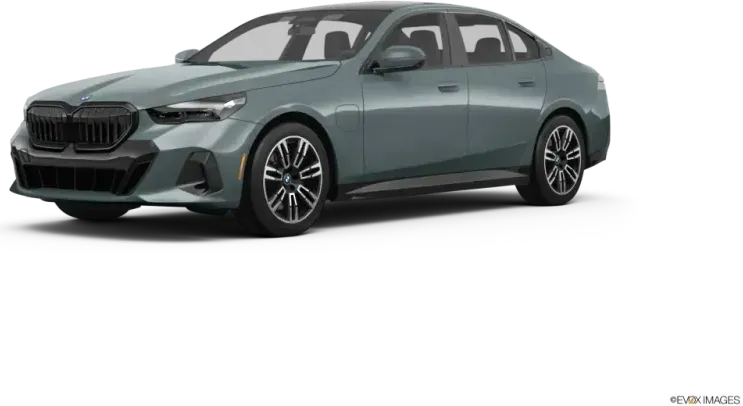
2019 BMW 5-Series
Reliability: 62/100
Common Problem Categories
Safety
LOW RISK- 161 manufacturer recalls issued
Other
HIGH RISK- ELECTRICAL SYSTEM (55)
- UNKNOWN OR OTHER (44)
Recall Overview
161
recalls on record
The 2019 Mercedes-Benz C-Class has 161 recalls on record, which is above average. A high count can flag multiple component concerns, though it also shows the manufacturer is actively addressing known issues.
NHTSA.gov →Complaint Breakdown
97.6
per 10,000 soldSegment avg: 19.1
Safety Incidents
25
Crashes
6
Fires
18
Injuries
0
Deaths
NHTSA 5/5 Stars
Data sourced from NHTSA complaint filings and manufacturer recall notices. Complaint narratives are owner-reported.
2019 Mercedes-Benz C-Class Recall Details
161 recalls have been issued for the 2019 Mercedes-Benz C-Class. All recall repairs are performed free of charge at authorized dealerships.
SUSPENSION, STEERING
Mercedes-Benz USA, LLC. (MBUSA) is recalling certain 2021 AMG GLB35, 2019-2020 A220, and 2020 GLB250 vehicles. The integral carrier that supports the front axle may corrode, causing it to fail.
Consequence
Front axle carrier failure may result in a loss of steering control, increasing the risk of a crash.
Remedy
Dealers will inspect and replace the integral carrier, as necessary, free of charge. Owner notification letters were mailed July 29, 2022. Owners may contact MBUSA customer service at 1-800-367-6372. MBUSA's number for this recall is 2022070009.
TIRES
Mercedes-Benz USA, LLC (MBUSA) is recalling certain 2018 E 400 Cabriolet, E 400 Coupe, 2019 E 450 Cabriolet, and E 450 Coupe vehicles. The tires were incorrectly marked with the wrong maximum inflation pressure and may not meet the strength requirements for the stated pressure. As such, these vehicles fail to comply with the requirements of Federal Motor Vehicle Safety Standard (FMVSS) number 139, "New Pneumatic Radial Tires for Light Vehicles."
Consequence
Tires inflated to an incorrect maximum pressure may have insufficient strength, allowing the tires to fail and increasing the risk of a crash.
Remedy
Dealers will inspect and replace the tires as necessary, free of charge. Owner notification letters were mailed March 7, 2025. Owners may contact MBUSA customer service at 1-800-367-6372. MBUSA's number for this recall is 2025010008.
ELECTRICAL SYSTEM
Mercedes-Benz USA, LLC (MBUSA) is recalling certain 2019-2021 CLS 53 4MATIC, 2019-2023 E 53 4MATIC Cabriolet, E 53 4MATIC Coupe, E 53 4MATIC Sedan, 2021-2024 GT 43 4MATIC, and 2019-2025 GT 53 4MATIC vehicles. The transmission wiring harness connection might not have been correctly wired during a prior recall repair, and during production. which can expose the electrical connector to corrosion, and result in an electrical short-circuit.
Consequence
An electrical short circuit can increase the risk of a fire.
Remedy
Dealers will replace the two-part wiring harness and connector, free of charge. Interim letters, notifying owners of the safety risk, were mailed August 9, 2024. A second notice will be sent once the final remedy is available. Owners may contact MBUSA customer service at 1-877-496-3691. MBUSA's number for this recall is 2024100002/3. This recall supersedes recall 22V-533. Vehicles repaired under the prior recall will still need to have the new remedy performed.
Showing 10 of 58 recalls. View all on NHTSA.gov →
Buying a used 2019 Mercedes-Benz C-Class? Check its history first
Every 2019 Mercedes-Benz C-Class has a different past. A VIN check reveals hidden accidents, title problems, odometer rollbacks, and open recalls that reliability scores can't show you.
- Accidents
- Open Recalls
- Title History
- Odometer Rollback
2019 Mercedes-Benz C-Class NHTSA Safety Ratings
Overall Safety Rating
Crash Test Results by Configuration (expand)
Gas Powertrain
Rollover risk: 9.7%
Safety Technologies
Mercedes-Benz C-ClassRepair Costs & Maintenance
Maintenance Rating
3.5Maintenance rating: 3.5 out of 5Based on NHTSA complaint patterns, recall severity, and publicly available cost benchmarks.
Est. Annual Maintenance
$908
Category-level averages derived from publicly available industry reports (AAA, CarMD). Model-level estimates produced by Auto Reliability Index.
2019 Mercedes-Benz C-Class Example Repair Prices
National average price ranges for common repairs. These are not model-year-specific failure predictions.
| Repair | Estimated Cost |
|---|---|
| Engine Coolant Temperature Sensor Replacement | $300 – $372 |
| Engine Oil Pan Replacement | $1,091 – $1,416 |
| Windshield Washer Fluid Reservoir Replacement | $299 – $378 |
| Crankshaft Damper Replacement | $725 – $853 |
| Engine Leak Inspection | $153 – $224 |
| Crankshaft Position Sensor Replacement | $233 – $311 |
| Control Arm Replacement | $506 – $620 |
| Ignition Switch Replacement | $882 – $924 |
| Brake Pad Replacement | $502 – $566 |
| Exhaust Manifold Replacement | $5,012 – $5,383 |
Estimates based on national average repair costs. Actual costs may vary by location and shop.
Used Buying Checklist
Key things to inspect or verify before purchasing a 2019 Mercedes-Benz C-Class.
Inspect PCV valve for malfunction around 50,000 miles
Check for transmission shifting issues, especially unexpected neutral shifts
Examine rims for cracks or deformation
Test seat belt alerts and functionality
Verify backup camera operation
Check for any signs of unintended acceleration during low-speed maneuvers
Inspect for fuel odors or leaks
2019 Mercedes-Benz C-Class Common Problems by Component
477 owner complaints grouped by vehicle system.
ELECTRICAL SYSTEM
55 complaintsSafety-relatedOwners of the 2019 Mercedes-Benz C-Class frequently report issues with the electrical system, particularly involving the instrument cluster and transmission harness. Complaints often describe the instrument cluster randomly turning off and on, affecting visibility of speed and gear indicators, sometimes occurring during night driving. Transmission harness problems are also noted, leading to safety concerns as vehicles may get stuck in neutral during gear shifts. Several reports involve spontaneous vehicle fires, with at least one incident resulting in an injury, highlighting significant safety implications. These issues are reported across various mileage ranges, with some occurring as early as 20,000 miles.
UNKNOWN OR OTHER
44 complaintsSafety-relatedOwners report multiple issues with the 2019 Mercedes-Benz C-Class, with recurring problems related to the PCV valve, sunroof, and electronic systems. Complaints frequently mention the PCV valve malfunctioning around 50,000 to 60,000 miles, leading to engine codes like P052E and impacting emissions. Several owners describe incidents where the sunroof spontaneously explodes while driving, which can be startling and potentially hazardous. Additionally, some reports include serious safety implications, such as a crash due to vehicle malfunction and a fire originating from the engine area after service. Used car buyers should be aware of these issues, particularly the potential for unexpected repairs and safety risks.
ENGINE
34 complaintsOwners report recurring issues with the Positive Crankcase Ventilation (PCV) valve and crankcase ventilation system in the 2019 Mercedes-Benz C-Class, often indicated by error code P052E. Complaints frequently mention engine stalling, sudden loss of power, and illuminated engine warning lights, with some incidents occurring around 40,000 to 52,000 miles. Additionally, multiple owners describe engine failures due to cracked pistons and faulty timing chains, which can lead to severe mechanical issues. Safety implications include potential engine stalls on highways, posing risks of collisions due to sudden deceleration and loss of control. These patterns suggest prospective buyers should be cautious of these engine-related issues when considering this model.
POWER TRAIN (30 complaints)
POWER TRAIN
30 complaintsSafety-relatedOwners report several power train issues with the 2019 Mercedes-Benz C-Class, with a notable pattern of the vehicle unexpectedly shifting into neutral or losing motive power. Complaints frequently mention symptoms such as sudden deceleration, inability to accelerate, and the vehicle stalling or being stuck in gear, often accompanied by warning lights like the check engine light. These issues typically arise around 30,000 to 75,000 miles. Safety implications are significant, with two incidents involving crashes and two injuries reported, highlighting the potential for loss of control. Prospective buyers should be aware of these recurring issues, particularly the transmission and differential problems, which may require costly repairs.
STEERING (27 complaints)
STEERING
27 complaintsSafety-relatedOwners of the 2019 Mercedes-Benz C-Class frequently report issues related to steering malfunctions. Common symptoms include the steering wheel locking, loss of power steering, and abnormal sounds such as grinding or knocking during turns. Several complaints describe these issues occurring around 40,000 to 52,000 miles. Safety implications are noted, with reports of vehicles veering unexpectedly, one crash, and instances where the steering wheel failed to operate, posing potential risks to occupants and other road users. These patterns suggest prospective buyers should be attentive to steering functionality during test drives and consider service history for steering system repairs.
WHEELS (21 complaints)
WHEELS
21 complaintsSafety-relatedOwners of the 2019 Mercedes-Benz C-Class frequently report issues with wheel cracking and rim deformation. Complaints often describe symptoms such as cracked rims leading to air leaks, low tire pressure warnings, and in some cases, tires blowing out. These problems are commonly noted around the 10,000 to 50,000-mile range, with several owners mentioning that the rims are prone to damage even at low speeds or on normal road surfaces. Safety implications are evident, with reports of one crash and an injury linked to tire blowouts, particularly concerning due to the absence of spare tires in vehicles equipped with run-flat tires. Buyers should be aware of the potential for high repair costs and repeated issues with wheel integrity.
FUEL SYSTEM (13 complaints)
FUEL SYSTEM
13 complaintsOwners of the 2019 Mercedes-Benz C-Class frequently report issues with the fuel system, particularly involving fuel odors and leaks. Common symptoms include the presence of a strong fuel smell inside and outside the vehicle, fuel leaks from the fuel rail, and inaccurate fuel level readings. These issues often occur around 15,000 to 67,000 miles. Several reports also describe vehicles losing power or stalling, sometimes accompanied by illuminated check engine lights. While no crashes or fires are mentioned, the potential for fuel leaks and stalling poses safety concerns. Buyers considering this model should be aware of these recurring issues and the associated repair needs.
AIR BAGS (12 complaints)
AIR BAGS
12 complaintsSafety-relatedOwners of the 2019 Mercedes-Benz C-Class frequently report issues with airbag deployment failures during crashes, with at least four incidents involving crashes where airbags did not deploy, resulting in injuries. Complaints also describe unexpected airbag deployments, including one case where the airbag deployed at low speed, causing bruising and chemical exposure. Additionally, some owners experience persistent airbag warning lights and seatbelt malfunctions, with one case noting a seatbelt that fails to retract properly. These issues are reported across various mileage ranges, with some incidents occurring as early as 52,000 miles. Safety implications are significant, as multiple crashes and injuries are associated with these airbag malfunctions.
SERVICE BRAKES (9 complaints)
SERVICE BRAKES
9 complaintsSafety-relatedOwners of the 2019 Mercedes-Benz C-Class frequently report issues with the service brakes, including malfunctioning active brake assist systems and electronic parking brakes that stick to the rotor when wet. Complaints commonly describe the brakes engaging unexpectedly or failing to engage, with some incidents leading to crashes. Several reports involve the automatic brake sensor triggering without cause, and others mention the need to double pump the brake pedal to stop the vehicle. These issues are noted at various mileages, with some occurring as early as 750 miles. The described symptoms present potential safety risks, including sudden stops and collisions, which are crucial considerations for prospective buyers.
VEHICLE SPEED CONTROL (4 complaints)
VEHICLE SPEED CONTROL
4 complaintsSafety-relatedOwners of the 2019 Mercedes-Benz C-Class report incidents of unintended acceleration, often occurring during low-speed maneuvers such as parking or turning into driveways. Symptoms described include the vehicle suddenly surging forward despite light or no accelerator input, with some owners noting a lack of brake response. These incidents have resulted in crashes, with injuries reported in three cases, and typically involve vehicles with mileages ranging from 20,000 to 48,000 miles. The complaints suggest a significant safety concern due to the loss of control and the potential for collisions with stationary objects or other vehicles. Used car buyers should be aware of these issues when considering this model.
When Do 2019 Mercedes-Benz C-Class Problems Start?
Based on owner complaint patterns, here's when common issues tend to appear.
Best & Worst Mercedes-Benz C-Class Years
Comprehensive reliability analysis based on NHTSA data, owner complaints, and historical performance.
Best Mercedes-Benz C-Class Years to Buy
Based on reliability index scoreThe best Mercedes-Benz C-Class year is 2024 with a reliability score of 69/100, rated good. Other strong picks include 2023 (53/100) and 2018 (51/100). The newer 2026 model year scores higher partly because it has had less time to accumulate owner complaints.
Mercedes-Benz C-Class Years to Avoid
The worst Mercedes-Benz C-Class year is 2020 with a score of 43/100, primarily due to electrical system (64) issues. Also avoid 2022 (47/100).
Mercedes-Benz C-Class Reliability Score Trend
Mercedes-Benz C-Class reliability has improved in recent years, with newer models scoring an average of 63/100 compared to 48/100 for older years.
Scores 0–100. Higher is better. Current year highlighted.
| Year | Score | Rating |
|---|---|---|
| 2018 | 51/100 | Mixed |
| 2019 | 50/100 | Mixed |
| 2020 | 43/100 | Mixed |
| 2021 | 47/100 | Mixed |
| 2022 | 47/100 | Mixed |
| 2023 | 53/100 | Mixed |
| 2024 | 69/100 | Good |
| 2026 | 82/100 | Excellent |
Mercedes-Benz C-Class Reliability Compared to Other Years
2019 Mercedes-Benz C-Class Common Questions
10 questions from 2019 Mercedes-Benz C-Class owners.
Parasitic voltage draw slk350 2007
Bought new amg h6 voltage drops to 12 in one c week More than a week
Speedometer not working
no movement ABS and ASR lights on Started today
Cam Magnet Leak
2008 Mercedes SL550. The right passenger side Cam magnet is leaking. What is the recommended repair for this? Acceleration More than a year
C300 Turn signal flashes 3 times then goes out dash says check left turn signal
Every time I start the car, the lights are fine and no messages in dash. As soon as I use the left turn signal, it flashes 3 times then goes out. Dash says check left turn signal. The same thing applies to one of the two front parking lights on each headlight unit (left and right) and and the left side indicator. I can drive all day with no problem but as soon as the automatic headlights come on the parking lights and side maker come on briefly then go out and I get messages for each on dash. Replaced both headlight/turn signal units and the exact same issue persists. Turn it off and it starts all over. Maybe unrelated but when I use rear defroster radio gets static; also volume knob in center dash is inconsistant but the volume buttons on the steering wheel work fine. More than a year
Exhaust sounds like a helicopter noise
Exhaust sounds like a helicopter noise
Frequently Asked Questions
Is the 2019 Mercedes-Benz C-Class reliable?
What are the most common problems with the 2019 Mercedes-Benz C-Class?
How many recalls does the 2019 Mercedes-Benz C-Class have?
Is the 2019 Mercedes-Benz C-Class expensive to maintain?
Don’t buy a 2019 Mercedes-Benz C-Class without checking its VIN first — hidden accidents, title issues, and open recalls could cost you thousands.
How We Calculate Reliability Scores
Auto Reliability Index scores are calculated on a 0–100 scale using a weighted formula that combines multiple public data sources. Each factor is weighted based on its predictive value for real-world ownership experience.
Key Ranking Factors
Complaint Severity
NHTSA owner complaints weighted by component category (e.g., powertrain, safety systems, electronics, cosmetic) — safety-critical issues carry more weight than cosmetic ones. Adjusted for sales volume so high-volume models aren't unfairly penalized.
Repair Costs
Independent reliability ratings based on repair frequency, average repair costs, and severity of typical repairs for each model.
Recall Impact
Number of NHTSA recalls weighted by severity. “Stop driving” and fire-risk recalls are penalized more heavily than minor software or labeling recalls.
Issue Diversity
Measures how many major vehicle systems (engine, transmission, electrical, braking, etc.) have recorded complaints. A vehicle with issues spread across many systems may indicate systemic quality issues.
Scores are grouped into four tiers:
- 80–100: Excellent— Top-tier reliability, minimal issues
- 60–79: Good— Reliable with some minor concerns
- 40–59: Mixed— Notable issues, research before buying
- 0–39: Risky— Significant problems, proceed with caution
Data is sourced from NHTSA recall records, owner complaint filings, and independent repair databases via vehicles.dev. Scores are recalculated as new data becomes available. While the weighting model is proprietary, all underlying data sources are public and traceable.
Get notified when new recalls or reliability data is added for the Mercedes-Benz C-Class.
No spam. Only data updates for this model.
Browse More Mercedes-Benz Models
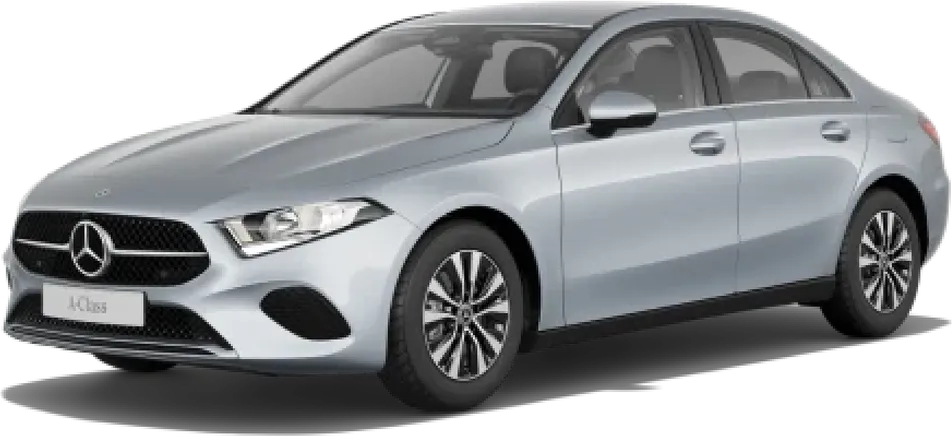
Mercedes-Benz A-Class
Score: 64/100
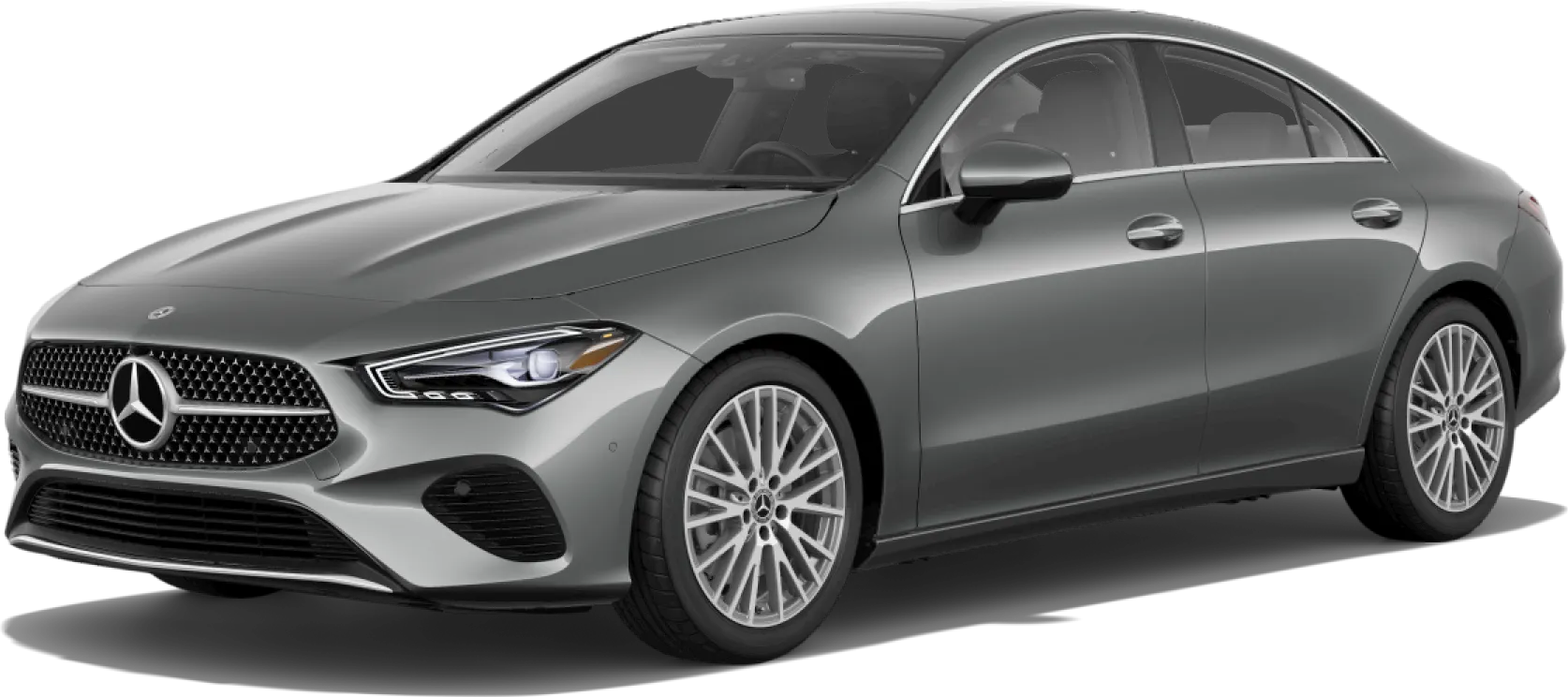
Mercedes-Benz CLA
Score: 64/100
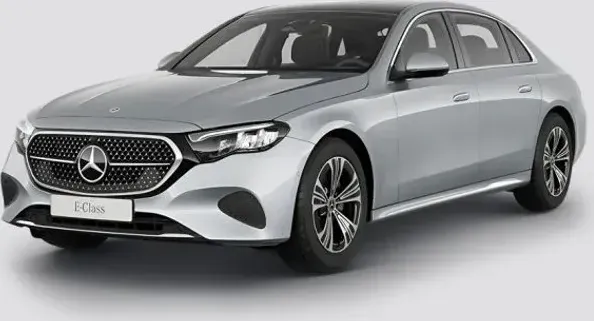
Mercedes-Benz E-Class
Score: 76/100

Mercedes-Benz EQE
Score: 61/100
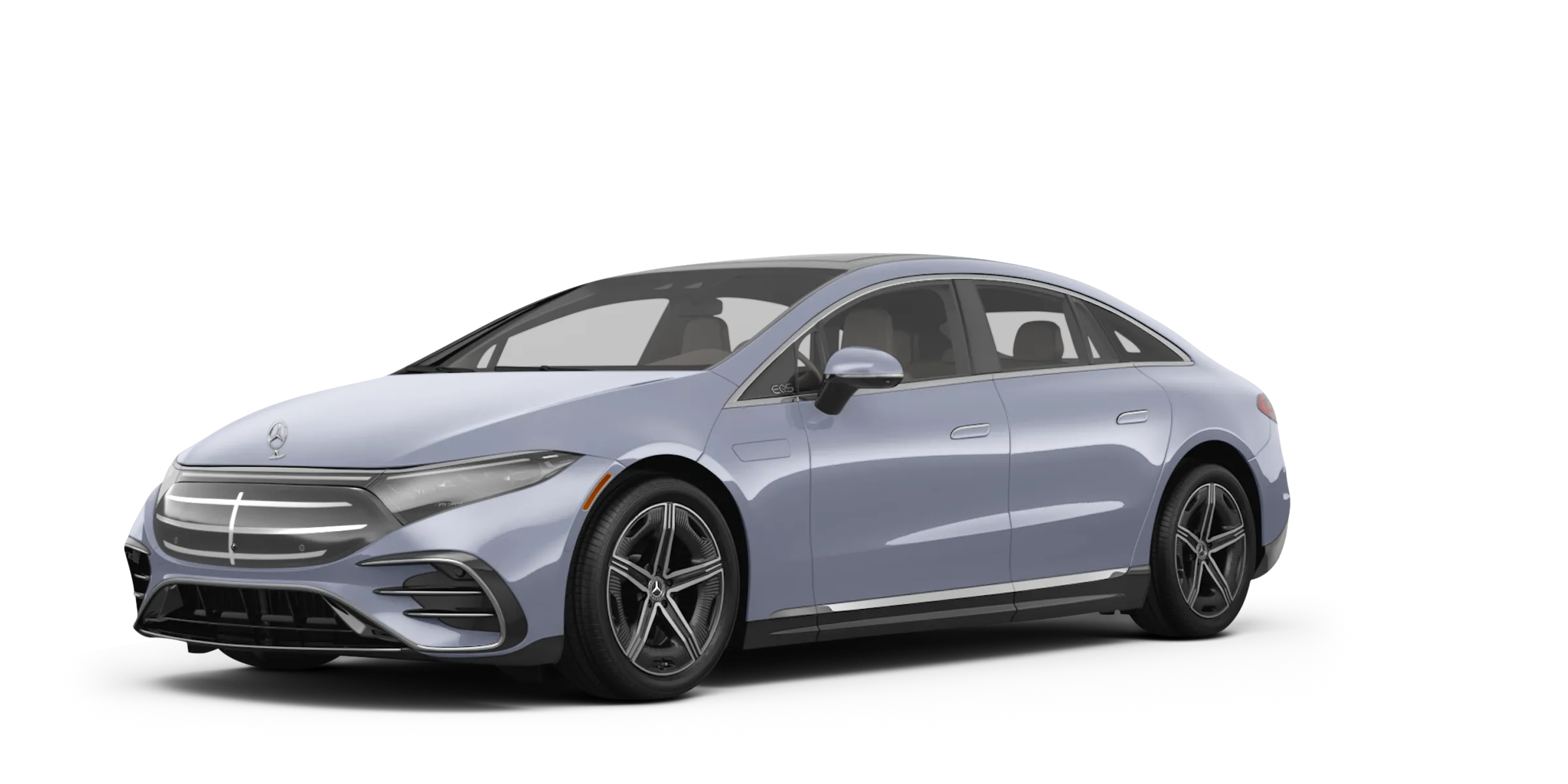
Mercedes-Benz EQS
Score: 61/100
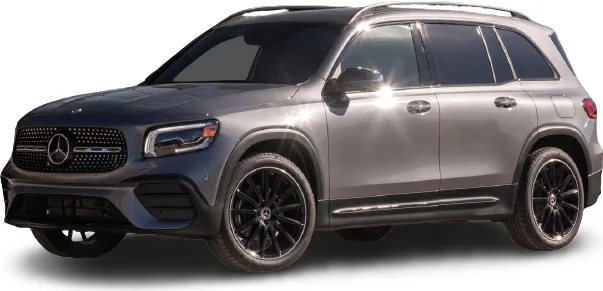
Mercedes-Benz GLB
Score: 72/100
Browse More 2019 Vehicles
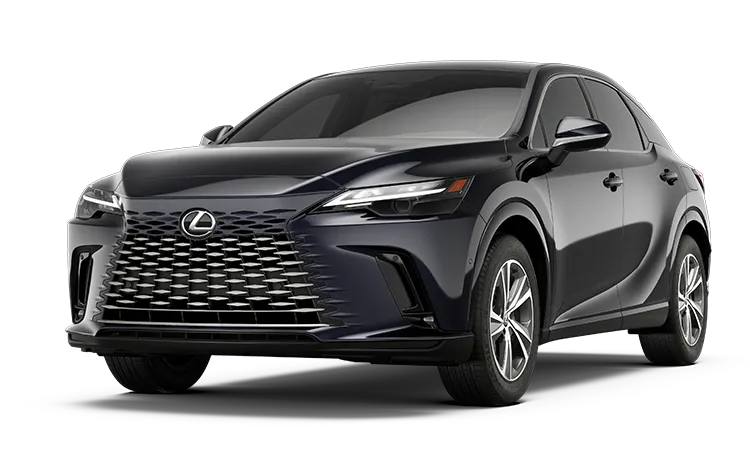
2019 Lexus RX
Score: 82/100
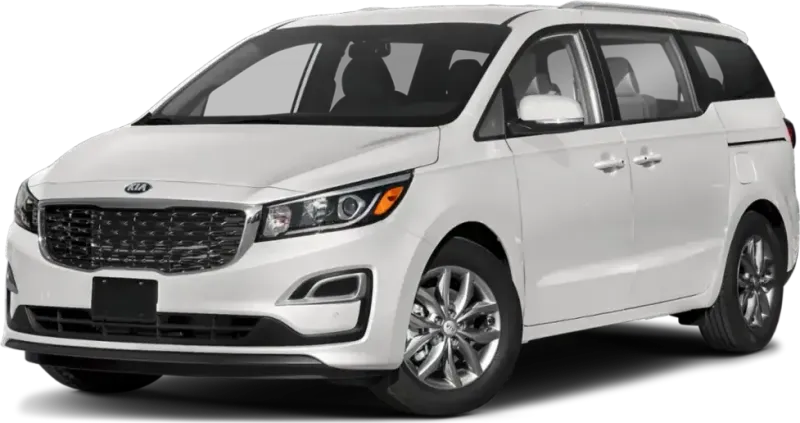
2019 KIA Sedona
Score: 80/100
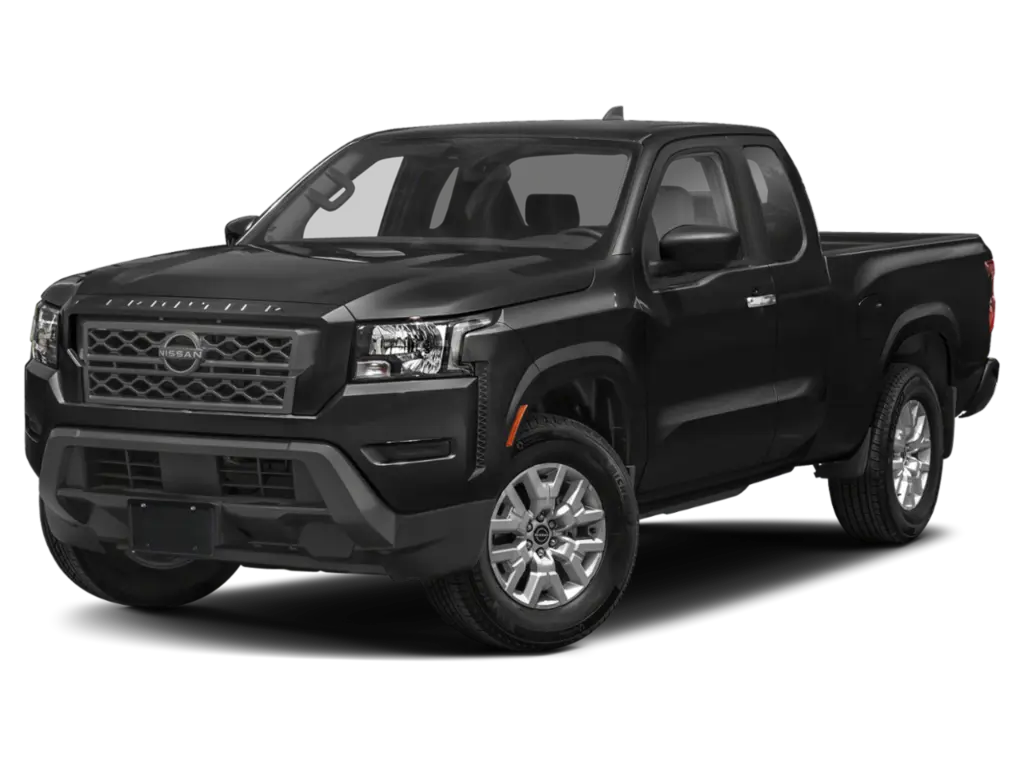
2019 Nissan Frontier
Score: 80/100
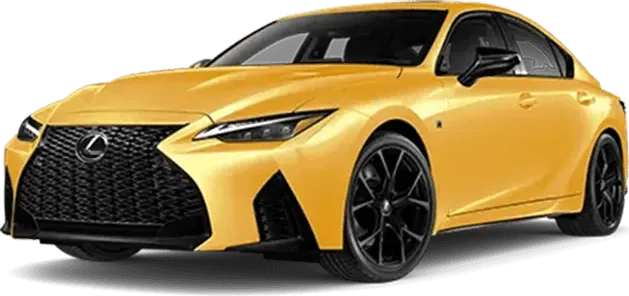
2019 Lexus IS
Score: 79/100
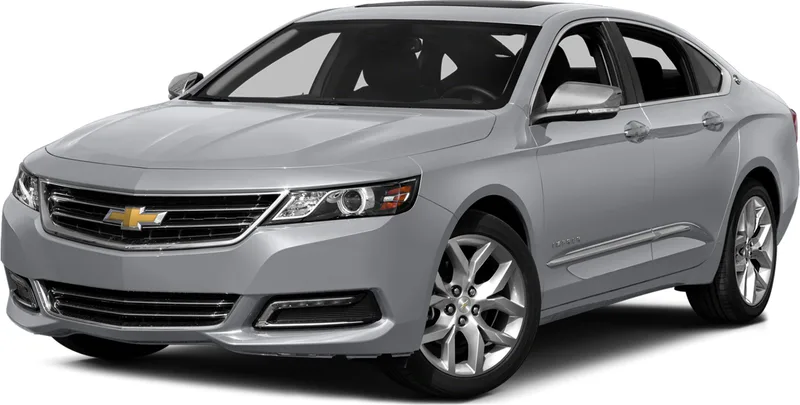
2019 Chevrolet Impala
Score: 79/100
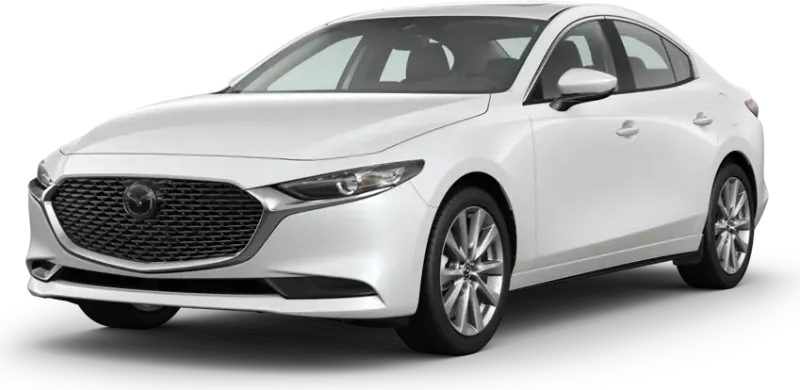
2019 Mazda 3
Score: 78/100
See incorrect data? Report an issue