Last updated: 2026-10-10
Dodge Grand Caravan vs Kia Carnival: Reliability Compared
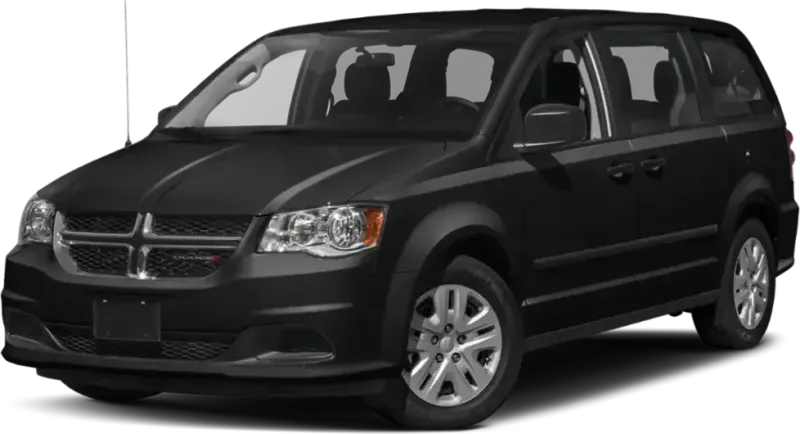
Dodge Grand Caravan

Kia Carnival
Reliability favors the KIA Carnival over the Dodge Grand-Caravan by a clear margin. Complaints run 0.3 per 10,000 sold, against 7.1. The Grand-Caravan's record includes transmission replacements and crash-linked reports, while the Carnival's issues are mostly dead batteries and cold-weather power loss.
How Do the Dodge Grand Caravan and Kia Carnival Generations Compare?
Dodge Grand Caravan vs Kia Carnival: Which Is More Reliable?
| Metric | Dodge Grand Caravan | Kia Carnival |
|---|---|---|
| Reliability Score | 78/100 | 83/100 |
| Years Tracked | 3 | 4 |
| Total Recalls | 10 | 10 |
| Complaints per 10k Sold | 7.1 | 0.3 |
What Are the Common Problems With the Dodge Grand Caravan and Kia Carnival?
Electronics and power delivery drive the Carnival's complaints. Batteries drain overnight, and hybrids stop accelerating near 31 mph on cold mornings, often with no warning light. The Grand-Caravan fails in mechanical ways. Transmissions shudder, refuse to shift and get replaced. Cylinder 2 misfires trace to low compression. Sliding door latches seize shut. Front head restraints burst open without an impact. Crash-linked reports sit only with the Grand-Caravan: 4 in power train and 1 in seats, plus eight seat injuries. The Carnival has one recorded injury, a child's hand pinched by a sliding door.
| Component | Dodge Grand Caravan | Kia Carnival |
|---|---|---|
| ELECTRICAL SYSTEM | 1.8Low | 0.1Very Low |
| UNKNOWN OR OTHER | 1Very Low | —None |
| POWER TRAIN | 1Very Low | —None |
| STRUCTURE | 0.9Very Low | —None |
| ENGINE | 0.6Very Low | —None |
| SEATS | 0.4Very Low | —None |
| AIR BAGS | 0.3Very Low | —None |
| LATCHES/LOCKS/LINKAGES | 0.2Very Low | —None |
| SERVICE BRAKES | 0.1Very Low | —None |
| STEERING | 0.1Very Low | —None |
| SEAT BELTS | 0.1Very Low | —None |
| VEHICLE SPEED CONTROL | —None | —None |
| VISIBILITY/WIPER | —None | —None |
| VISIBILITY | —None | —None |
| Chest Clip | —None | —None |
Complaints per 10,000 units sold, aggregated across all tracked model years from NHTSA owner reports.
Who Should Buy the Dodge Grand Caravan vs the Kia Carnival?
Dodge Grand Caravan vs Kia Carnival: Common Questions
- Is the KIA Carnival more reliable than the Dodge Grand-Caravan?
- Yes, by a clear edge. The Carnival has an excellent standing and 0.3 complaints per 10,000 sold. The Grand-Caravan has a good standing and 7.1 per 10,000 sold. Its owners also report transmission failures and cylinder head repairs, which are costlier problems than the Carnival's battery and power-delivery complaints.
- Which has more recalls, the Carnival or the Grand-Caravan?
- They are equal. Federal recall records show 10 recalls for each van. The Carnival's come across 4 model years and the Grand-Caravan's across 3. Recalls therefore do not decide this comparison, so check the specific van's VIN for open recalls before you buy either one.
- What is the most common Carnival problem?
- Electrical trouble leads, with 106 complaints. The 12-volt battery goes dead after the van sits a day or two, often early in ownership. Owners report repeated jump starts and lost key and app access. Dealers sometimes keep vans for days or weeks without a fix, so ask a seller about battery history.
- Which Dodge Grand-Caravan year should I avoid?
- Avoid 2019, which is among the weakest years in the data. The 2018 year appears among both strongest and weakest, so inspect it closely. The 2020 model is the strongest. On any year, check the transmission shifting, sliding door latches and any cylinder 2 misfire.
- Is the Grand-Caravan transmission a known weak spot?
- Owner complaints say yes. Power train has 70 complaints, 4 linked to crashes. Drivers describe shuddering, failure to shift, and a van that holds one gear and then lunges forward. Failures cluster between about 59,500 and 91,715 miles and usually end in a full transmission replacement.
Related Reliability Comparisons
More Dodge Grand Caravan comparisons
Decided between Dodge Grand Caravan and Kia Carnival? Run a VIN check before you buy — uncover hidden accidents, title issues, and open recalls.
How we score the Dodge Grand Caravan and Kia Carnival
Scores weight complaint severity at 35%, repair costs at 30%, recall impact at 20%, and the spread of complaints across systems at 15%, with complaint counts adjusted for US sales. Read the full methodology.
See incorrect data? Report an issue