Last updated: 2026-10-10
Nissan Kicks vs Volvo XC60: Reliability Compared
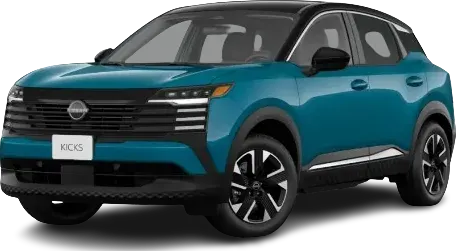
Nissan Kicks
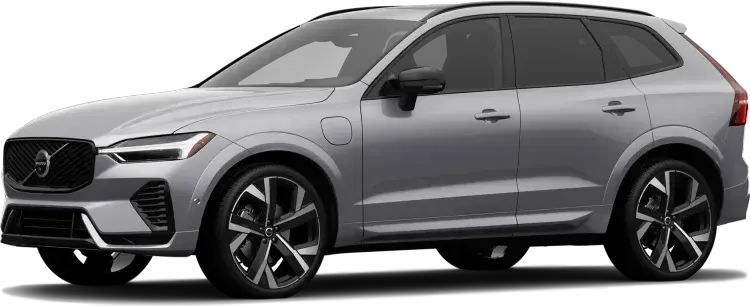
Volvo XC60
Reliability favors the Nissan Kicks over the Volvo XC60, but only slightly. The Kicks has 10 recalls against 42 for the XC60, though owners file more complaints on the Nissan per car sold. Both sit in good standing.
How Do the Nissan Kicks and Volvo XC60 Generations Compare?
Verdict
The Nissan Kicks is more reliable than the Volvo XC60, scoring 78/100 vs 74/100.
A slight edge goes to the Nissan Kicks, and the main reason is recalls. Federal records show 10 across its model years, against 42 for the XC60. Owners file more complaints per car sold on the Kicks, so the lead is narrow. Both land in good standing. The XC60 has independent repair-cost data showing modest yearly costs, and the Kicks has none to compare. Treat this as a close call that tilts toward the Nissan, not a clear win.
Key Differences
- 1Nissan Kicks has 32 fewer total recalls
- 2Nissan Kicks scores 4 points higher in reliability
- 3Volvo XC60 has 3.0 fewer complaints per 10k sold
Category Scoreboard
Nissan Kicks vs Volvo XC60: Which Is More Reliable?
| Metric | Nissan Kicks | Volvo XC60 |
|---|---|---|
| Reliability Score | 78/100 | 74/100 |
| Years Tracked | 9 | 8 |
| Total Recalls | 10 | 42 |
| Complaints per 10k Sold | 8.3 | 5.3 |
| Safety RatingNHTSA overall | 2026 NHTSA | 2026 NHTSA |
| Frontal | ||
| Side | ||
| Rollover | ||
| Year Wins | 7 | 1 |
What Are the Common Problems With the Nissan Kicks and Volvo XC60?
Sudden loss of function defines the Kicks complaints. Owners report power dropping while driving, stalls at red lights, a rear hatch glass that shatters on a parked car, and rear automatic braking that stops the car for no reason. The XC60 problems are more about water and electronics. Sunroof drain leaks reach wiring under the front seat, and screens go black while driving. Brake and rotor wear, steering vibration, and wipers jamming in snow also stand out. Crash-linked reports touch Kicks power train, with 2, while the XC60 has no power train area listed. The XC60 has 5 crash-linked electrical reports, versus 3 for the Kicks.
| Component | Nissan Kicks | Volvo XC60 |
|---|---|---|
| ELECTRICAL SYSTEM | 1.8Low | 1.8Low |
| UNKNOWN OR OTHER | 1.2Low | 0.5Very Low |
| SERVICE BRAKES | 0.7Very Low | 0.4Very Low |
| POWER TRAIN | 0.8Very Low | 0.1Very Low |
| STRUCTURE | 0.5Very Low | 0.2Very Low |
| STEERING | 0.3Very Low | 0.3Very Low |
| ENGINE | 0.5Very Low | —None |
| FORWARD COLLISION AVOIDANCE | 0.4Very Low | 0.1Very Low |
| BACK OVER PREVENTION | 0.2Very Low | 0.2Very Low |
| VISIBILITY/WIPER | 0.1Very Low | 0.2Very Low |
| AIR BAGS | 0.2Very Low | —None |
| VEHICLE SPEED CONTROL | 0.2Very Low | —None |
| LANE DEPARTURE | 0.1Very Low | 0.1Very Low |
| TIRES | —None | 0.2Very Low |
| ELECTRONIC STABILITY CONTROL (ESC) | 0.1Very Low | —None |
| WHEELS | 0.1Very Low | —None |
| FUEL/PROPULSION SYSTEM | 0.1Very Low | —None |
| SUSPENSION | 0.1Very Low | —None |
| VISIBILITY | —None | —None |
| SEAT BELTS | —None | —None |
Complaints per 10,000 units sold, aggregated across all tracked model years from NHTSA owner reports.
How Does Nissan Kicks vs Volvo XC60 Reliability Compare by Year?
| Year | Nissan Kicks | Volvo XC60 | Edge |
|---|---|---|---|
| 2026 | 83/1001R / 1C | 74/1003R / 4C | Nissan Kicks |
| 2025 | 78/1003R / 24C | 76/1004R / 22C | Nissan Kicks |
| 2023 | 80/1001R / 23C | 74/1005R / 40C | Nissan Kicks |
| 2022 | 82/1000R / 19C | 72/1006R / 60C | Nissan Kicks |
| 2021 | 78/1002R / 66C | 75/1005R / 31C | Nissan Kicks |
| 2020 | 78/1000R / 85C | 75/1006R / 17C | Nissan Kicks |
| 2019 | 73/1001R / 123C | 72/1008R / 33C | Nissan Kicks |
| 2018 | 71/1001R / 78C | 74/1005R / 35C | Volvo XC60 |
Best years to cross-shop: The 2022 Nissan Kicks scored 82/100 and the 2021 Volvo XC60 scored 75/100 — the strongest shared model years that have been on the road for at least two years, where available.
Who Should Buy the Nissan Kicks vs the Volvo XC60?
Nissan Kicks vs Volvo XC60: Common Questions
- Is the Nissan Kicks more reliable than the Volvo XC60?
- Slightly, yes. Both sit in good standing, but the Kicks has far fewer recalls, 10 versus 42. The XC60 draws fewer owner complaints per car sold, at 5.3 per 10,000 against 8.3 for the Kicks. The Nissan's edge is real but narrow.
- Which has more recalls, the Kicks or the XC60?
- The XC60 has more. Federal recall records show 42 across 8 model years for the Volvo, compared with 10 across 9 model years for the Kicks. A recall count does not say how serious each one was, so check any specific car's VIN for open recalls.
- Which costs less to repair, the Kicks or the XC60?
- The data cannot answer that. Independent repair-cost data exists for the XC60, which shows about $746 a year, 0.5 unscheduled shop visits a year, and a 7% chance a repair is major. No matching figures are available for the Kicks, so a direct cost comparison is not possible.
- What is the biggest problem with the Nissan Kicks?
- Electrical faults lead with 96 complaints, 3 crash-linked. Owners describe the rear hatch glass shattering on a parked car, a fuel gauge that stopped working, and a car that restarted by itself. Power train reports of sudden power loss and stalls are the other serious pattern.
- What goes wrong with the Volvo XC60?
- Electrical trouble is the top issue, with 81 complaints and 5 crash-linked. Water from the sunroof and roof drains reaches electronics under the front passenger seat, and screens can go black while driving. Owners also report fast brake and rotor wear, steering vibration, and front wipers jamming in heavy snow.
Related Reliability Comparisons
More Nissan Kicks comparisons
Decided between Nissan Kicks and Volvo XC60? Run a VIN check before you buy — uncover hidden accidents, title issues, and open recalls.
How we score the Nissan Kicks and Volvo XC60
Scores weight complaint severity at 35%, repair costs at 30%, recall impact at 20%, and the spread of complaints across systems at 15%, with complaint counts adjusted for US sales. Read the full methodology.
See incorrect data? Report an issue